

Introduction: The Bond of Care
Our feline companions are more than just pets; they are family members who share our homes, our laps, and our hearts. Because cats are notoriously stoic creatures, they often hide their pain and discomfort until a health issue has significantly progressed. When your cat falls ill, the journey to recovery requires a delicate balance of deep compassion and practical knowledge. Understanding how to navigate the complexities of feline health is the greatest gift you can give your pet.
This guide provides a comprehensive roadmap for cat owners facing the challenge of nursing a sick pet back to health, emphasizing that while love is the foundation, informed action is the key.
1. Identifying the Signs and Seeking Veterinary Care
The first step in caring for a sick cat is recognizing that there is a problem. Unlike humans, cats cannot verbalize their discomfort. Instead, they communicate through subtle changes in behavior. You might notice your cat hiding more often, a decrease in appetite, changes in litter box habits, or a lack of interest in grooming.
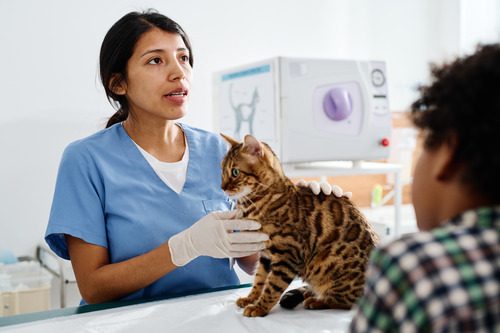
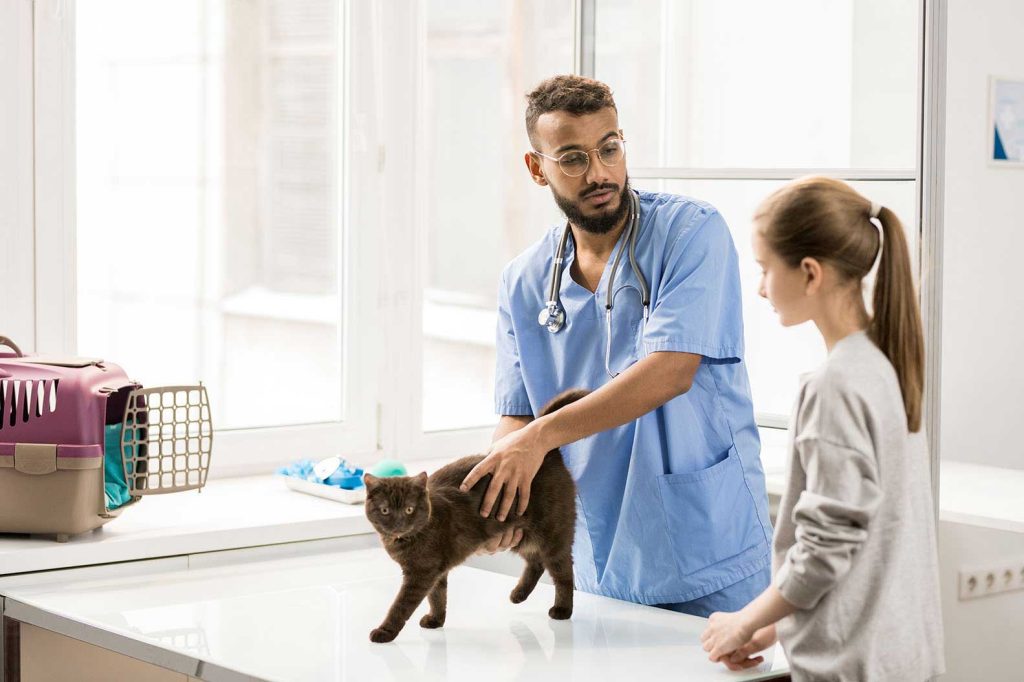
The Importance of Professional Diagnosis At the first sign of abnormality, it is imperative to schedule a visit with your veterinarian. Self-diagnosis is dangerous in the world of feline medicine. A professional can perform blood work, urinalysis, or diagnostic imaging to pinpoint the exact cause of the illness.
Routine Check-ups as Prevention Caring for a sick cat also means preventing illness before it starts. Regular wellness exams and up-to-date vaccinations are vital. These visits allow vets to catch potential issues, such as kidney disease or dental problems, in their earliest, most treatable stages.
2. Nutritional Support: Fueling the Recovery
When a cat is ill, their nutritional requirements often change. A body fighting infection or healing from surgery requires specific calories and nutrients to repair tissue and maintain energy.
Customizing the Diet Your veterinarian may prescribe a “prescription diet”—food specifically formulated to manage conditions like urinary tract issues, kidney failure, or digestive upsets. In some cases, a sick cat may lose interest in food entirely (anorexia), which can lead to a dangerous condition called hepatic lipidosis (fatty liver disease).
Encouraging Your Cat to Eat If your cat is reluctant to eat, try these techniques:
- Warm the food: Heating wet food slightly enhances its aroma, making it more enticing.
- Hand-feeding: Sometimes the comfort of your presence and hand can encourage a few bites.
- Hydration is key: Ensure your cat has constant access to fresh water. You may need to add water to their wet food or provide a “cat fountain” to encourage drinking.
3. Monitoring Behavior and Emotional Well-being
Illness affects a cat’s psyche just as much as its body. A sick cat may experience anxiety, depression, or irritability.
Watching for Behavioral Shifts Keep a daily log of your cat’s activity. Are they sleeping more than usual? Are they vocalizing in a way that suggests pain? Are they failing to use the litter box? These observations are invaluable to your vet.
Managing Stress Stress can suppress a cat’s immune system, making it harder for them to fight off illness. Avoid making major changes to the household during this time. Keep loud noises to a minimum and maintain a consistent routine to provide a sense of security.
4. Creating the Optimal Recovery Environment
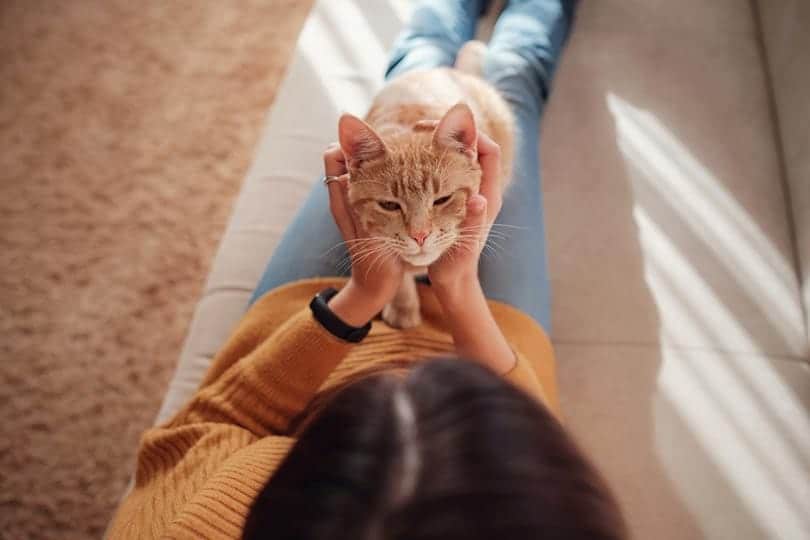
A sick cat needs a “sanctuary”—a quiet, warm, and safe space where they can rest undisturbed by other pets or active children.
Comfort and Accessibility
- Warmth: Sick cats often struggle to regulate their body temperature. Provide soft blankets or a self-warming pet bed.
- Proximity: Ensure their food, water, and litter box are all within a short distance of their resting spot so they don’t have to exert themselves.
- Furniture and Enclosures: Consider using a specialized “cat cabinet” or a quiet room. Enclosed spaces help cats feel protected from “predators” (even if those predators are just the vacuum cleaner), which lowers their cortisol levels.
5. Managing Medical Treatment and Compliance
If your vet prescribes medication, the responsibility of administration falls on you. This can be one of the most stressful parts of caring for a sick cat.
Tips for Administering Medication
- Pill Pockets: These are flavored treats with a hole to hide a pill. Many cats take them without realizing they are being medicated.
- Liquid Medication: If your cat refuses pills, ask your vet if the medication is available in a liquid form or can be compounded into a flavored suspension (like tuna or chicken).
- Strict Adherence: Never stop a course of antibiotics early just because the cat “looks better.” Always follow the full dosage schedule to prevent relapse or antibiotic resistance.
6. The Power of Love and Compassion
Never underestimate the “placebo effect” of affection. While medicine heals the body, love heals the spirit. Spending time sitting quietly with your cat, offering gentle strokes (if they enjoy it), and speaking in a calm, soothing voice can significantly lower their stress levels.
Patience is a Virtue Recovery is rarely a straight line. There will be days of progress and days of setback. Your cat may be grumpy or distant; do not take this personally. They are simply focused on survival. Your consistent, loving presence provides the stability they need to focus on getting well.

7. When to Call the Vet Again
Caring for a pet at home requires constant vigilance. You should contact your veterinarian immediately if you notice:
- Difficulty breathing or open-mouth panting.
- Prolonged vomiting or diarrhea.
- Seizures or sudden collapse.
- Extreme lethargy or inability to walk.
- Crying out in pain.
Conclusion: A Partnership in Health
Caring for a sick cat is a profound responsibility that tests our patience and strengthens our bond with our feline friends. It requires us to be observant, educated, and, above all, kind. By combining professional veterinary guidance with a supportive home environment and a high-quality diet, you provide your cat with the best possible chance at a long, healthy life.
Remember, you are your cat’s greatest advocate. In the face of illness, your knowledge is their shield, and your compassion is their comfort. Together, you can navigate the path to recovery.
Leave a Reply