

Your dog is lying peacefully on the kitchen floor. Everything seems normal. Then, while you’re busy making dinner, something falls from the counter.
Maybe it’s a piece of chocolate. Perhaps it’s a dropped pill or a few grapes.
Your dog quickly swallows it before you even notice.
What seems like a harmless accident could become a serious medical emergency.
The surprising truth is that some of the most dangerous things for dogs aren’t hidden in garages or locked cabinets. They’re sitting on kitchen counters, bathroom shelves, and bedside tables.
According to the ASPCA Animal Poison Control Center, human medications, food, chocolate, plants, and household products are among the most frequently reported sources of toxic exposure in pets.
So, which everyday items should you worry about most?
Here are seven common household dangers every dog owner should recognize.
1. Human medications: A single dropped pill can be dangerous

One of the biggest poisoning risks for dogs comes from medications intended for people.
Think about how often you use pain relievers, cold medicine, or prescription tablets. You may leave them on a nightstand or accidentally drop one on the floor.
Unfortunately, a curious dog might swallow a pill before you can pick it up.
Which medications are dangerous for dogs?
Several common medications can cause serious problems, including:
- Ibuprofen, found in products such as Advil and Motrin
- Naproxen, commonly sold as Aleve
- Acetaminophen, also known as paracetamol or Tylenol
- Certain antidepressants and ADHD medications
- Some cold and flu medicines
- Certain prescription heart medications
Ibuprofen and naproxen can damage a dog’s digestive tract and kidneys. Acetaminophen can also cause serious toxicity, including liver damage.
The severity depends on the medication, dose, and dog’s size.
Warning signs of medication poisoning
Symptoms may include vomiting, loss of appetite, weakness, abdominal pain, unusual behavior, or seizures.
However, some complications develop before obvious symptoms appear.
Never give your dog human medication unless your veterinarian specifically instructs you to do so.
Safety tip: Keep all medications in closed cabinets. Store pet medications securely, too. Flavored veterinary tablets can tempt dogs to eat an entire container.
2. Chocolate: A sweet treat that can become an emergency
Most dog owners know chocolate is dangerous. Yet accidental chocolate poisoning remains a common problem.
Imagine leaving a plate of brownies on the coffee table.
You step away for a moment. When you return, the brownies are gone, and your dog looks unusually pleased.
Unfortunately, chocolate contains theobromine and caffeine, substances that can be toxic to dogs.
Dogs process these compounds differently from humans. As a result, consuming enough chocolate can affect their heart, nervous system, and digestive system.
Is dark chocolate more dangerous than milk chocolate?
Generally, yes.
Dark chocolate, baking chocolate, and cocoa powder contain higher concentrations of theobromine than typical milk chocolate.
However, milk chocolate can also cause poisoning, especially when a smaller dog eats a large amount.
White chocolate contains very little theobromine, but its fat and sugar can still cause digestive problems.
Signs of chocolate poisoning
Watch for vomiting, diarrhea, restlessness, increased thirst, rapid heartbeat, tremors, or seizures.
If your dog eats chocolate, contact your veterinarian promptly.
Keep the packaging if possible. The chocolate type, estimated amount, time of ingestion, and your dog’s weight help determine the risk.
Safety tip: Store chocolate, baking ingredients, and desserts in closed cabinets rather than on accessible counters.
3. Grapes and raisins: Small fruits with potentially serious consequences

A few grapes may seem like an innocent snack.
They’re small, sweet, and easy to share. However, grapes and raisins can cause acute kidney injury in dogs.
Researchers have identified tartaric acid as a likely contributor to this toxicity, although the exact risk can vary between grapes and individual dogs.
The important point is that there is no reliably established safe amount.
Some dogs develop severe illness after eating relatively small quantities.
Where might dogs find grapes and raisins?
These fruits may appear in everyday foods such as:
- Fruit bowls and lunchboxes
- Raisin bread and bagels
- Trail mix
- Breakfast cereals
- Cookies and baked goods
Because raisins are dried grapes, they can be especially concentrated.
What happens if a dog eats grapes?
Early symptoms may include vomiting, diarrhea, lethargy, and loss of appetite.
Kidney injury may develop later. Changes in urination can be an important warning sign.
Don’t wait for symptoms to appear.
If your dog swallows grapes or raisins, contact a veterinarian or animal poison control service immediately.
Safety tip: Keep fruit bowls away from counter-surfing dogs. Remind children not to share grapes or raisins with pets.
4. Sugar-free gum and xylitol: A hidden danger in everyday products
This is one of the household dangers that surprises many dog owners.
A packet of sugar-free chewing gum may look harmless. However, some brands contain xylitol, a sweetener that is highly toxic to dogs.
Xylitol may also appear under names such as birch sugar or wood sugar.
Unlike humans, dogs can experience a rapid insulin release after consuming xylitol.
This can cause a dangerous drop in blood sugar, known as hypoglycemia.
In some cases, xylitol can also cause severe liver injury.
Where is xylitol commonly found?
Check the ingredients of:
- Sugar-free chewing gum
- Certain sugar-free candies and mints
- Some nut butters
- Certain baked goods and desserts
- Human toothpaste and mouthwash
- Some cough syrups, supplements, and liquid medicines
Not every sugar-free product contains xylitol. Therefore, always check the label rather than assuming.
How quickly can xylitol poisoning happen?
Symptoms can develop rapidly, sometimes within 20 minutes.
They may include vomiting, weakness, difficulty walking, collapse, tremors, or seizures.
Other serious effects can be delayed.
If you suspect xylitol ingestion, seek emergency veterinary care immediately.
Do not wait for your dog to become sick.
Safety tip: Check the ingredients of peanut butter or other treats before sharing them with your dog. Use toothpaste made specifically for pets.
5. Household cleaners: Products that can harm curious dogs
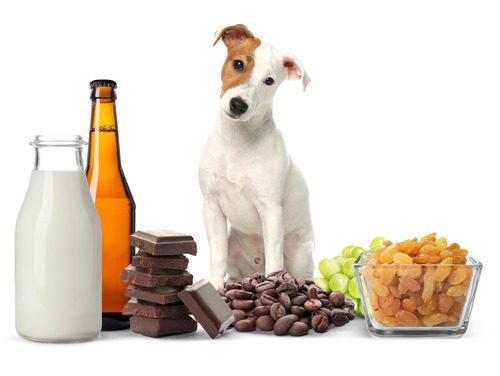
A freshly cleaned house may smell wonderful to you.
However, cleaning products can become dangerous when dogs lick spills, chew containers, or walk through concentrated chemicals.
The level of risk depends on the ingredients, concentration, and type of exposure.
Which cleaning products should you watch?
Potential hazards include:
- Concentrated bleach
- Toilet bowl cleaners
- Drain cleaners
- Dishwasher detergents
- Laundry detergent pods
- Certain disinfectants and degreasers
Some products can irritate the mouth and digestive tract. Others may cause chemical burns or more serious injuries.
Laundry pods are particularly concerning because dogs may bite into them, releasing concentrated detergent.
Signs of cleaning product exposure
Possible symptoms include drooling, vomiting, coughing, mouth irritation, difficulty swallowing, or breathing problems.
If your dog has been exposed, remove it from the source and contact your veterinarian or animal poison control service.
Do not try to neutralize chemicals with another household product.
Safety tip: Keep dogs away while cleaning. Follow product labels, allow treated surfaces to dry as directed, and store chemicals securely.
6. Rat poison and pesticides: Hidden dangers in garages and gardens
Rodent poison is designed to kill pests. Unfortunately, it can also seriously harm dogs.
The danger becomes greater when bait is placed behind furniture, inside garages, or in gardens where curious pets can reach it.
Even products described as pet-resistant may pose risks if a dog accesses the bait.
Why is rat poison dangerous?
Different rodenticides contain different active ingredients.
Some interfere with blood clotting and can cause internal bleeding.
Others may damage the nervous system, affect calcium regulation, or cause kidney injury.
Because the ingredients vary, treatment also differs.
For example, vitamin K1 is used for certain anticoagulant rodenticides. It is not an antidote for every type of rat poison.
What about insecticides?
Some insecticides and concentrated pest-control products can also cause poisoning when swallowed or used incorrectly.
Always follow the label and keep pets away from treated areas for the specified period.
Warning signs
Depending on the poison, symptoms may include weakness, vomiting, tremors, seizures, breathing problems, or unusual bleeding.
Some signs can be delayed for days.
Safety tip: If your dog may have eaten rodent bait, seek veterinary advice immediately and bring the packaging or a photo of the product label.
7. Toxic houseplants: Beautiful decorations with hidden risks
Plants make a home feel welcoming.
Unfortunately, some popular indoor and outdoor plants can be toxic to dogs.
A curious puppy may chew a leaf while exploring. An older dog might dig into a flowerpot or nibble on a plant during play.
Even small exposures to certain plants can require urgent veterinary attention.
Which plants are toxic to dogs?
Examples include:
- Sago palm
- Oleander
- Azaleas and rhododendrons
- Certain types of lilies
- Pothos
- Philodendron
Not all toxic plants cause the same problems.
For example, sago palm ingestion can cause severe liver injury, while pothos and philodendron contain irritating calcium oxalate crystals that can cause painful mouth irritation.
Therefore, identifying the exact plant is important.
What should you do if your dog eats a plant?
Remove access to the plant and contact your veterinarian.
If possible, take a clear photo or identify its name.
Don’t assume that a plant is safe simply because it grows naturally or is sold at a garden center.
For a related guide on poisonous plants and household risks, read Are Tulips Toxic to Cats?. Although the article focuses on cats, it highlights why pet owners should check plant safety before bringing flowers home.
Safety tip: Check the toxicity of every plant before introducing it into a home with pets.
What are the warning signs of poisoning in dogs?
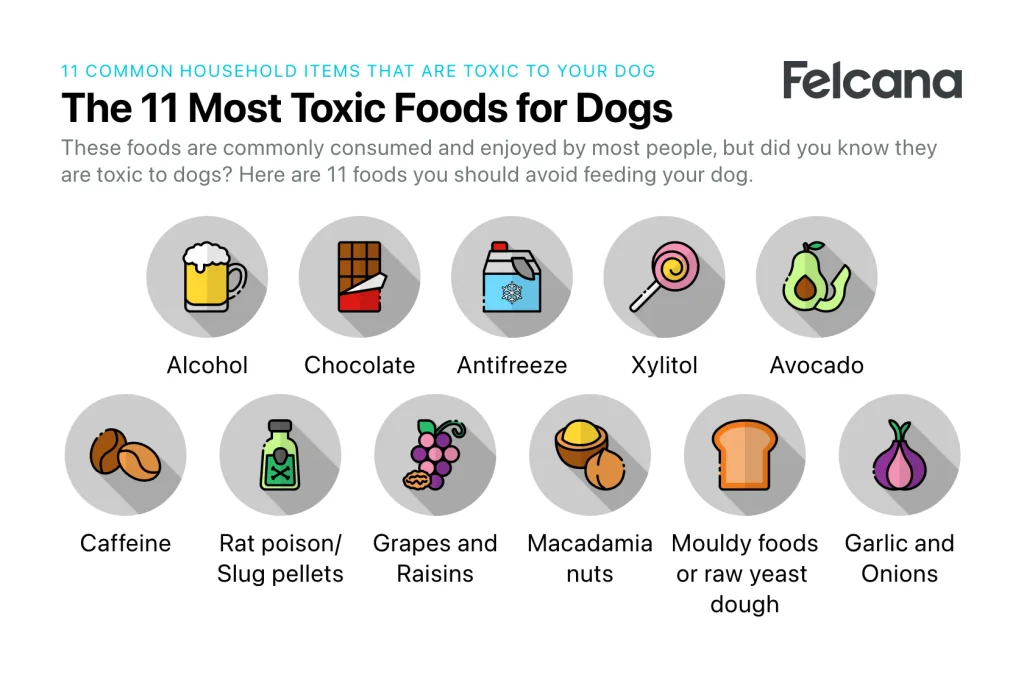
Poisoning symptoms vary depending on the substance.
Some dogs become sick almost immediately. Others may appear normal for several hours before complications develop.
Common warning signs include:
- Vomiting or diarrhea
- Excessive drooling
- Loss of appetite
- Unusual tiredness or weakness
- Tremors or seizures
- Difficulty walking
- Abnormal breathing
- Pale gums or unusual bleeding
- Collapse
- Changes in drinking or urination
However, the absence of symptoms does not mean your dog is safe.
Certain toxins can cause internal damage before visible warning signs develop.
If you know or suspect your dog swallowed something poisonous, contact a veterinarian immediately.
What should you do if your dog eats something poisonous?
Discovering that your dog has swallowed a potentially toxic substance can be frightening.
However, taking the right steps quickly can make a major difference.
Step 1: Remove access to the substance
Prevent your dog from eating or contacting more of the product.
Keep other pets away from the area.
Step 2: Contact a veterinarian immediately
Call your veterinarian, an emergency veterinary hospital, or an animal poison control center.
Do not wait for symptoms.
Step 3: Identify what your dog swallowed
Try to determine the product name, ingredients, estimated amount, and approximate time of exposure.
Bring the packaging or take a photo of the label.
Step 4: Do not induce vomiting unless instructed
Some substances can cause additional damage when vomited.
Never use hydrogen peroxide, salt, or other home remedies unless a veterinary professional specifically directs you to do so.
Step 5: Follow professional instructions
Your veterinarian may recommend immediate examination, monitoring, or treatment.
Even if your dog seems normal, follow the advice provided.
In the United States, the ASPCA Animal Poison Control Center can be reached at (888) 426-4435. Consultation fees may apply.
Pet Poison Helpline is also available at (855) 764-7661.
How to make your home safer for your dog
You don’t need to remove every household product to protect your pet.
Instead, focus on preventing access to dangerous items.
Keep food out of reach
Store chocolate, grapes, raisins, and products containing xylitol in secure cabinets.
Don’t leave food unattended on low tables or countertops.
Secure medications
Keep prescription drugs, supplements, and over-the-counter medications in closed storage.
Never leave pills loose in handbags or on bedside tables.
Store chemicals properly
Keep cleaners, pesticides, and rodenticides in their original labeled containers.
Avoid transferring chemicals into food or drink bottles.
Choose pet-safe plants
Before buying a houseplant, check whether it is toxic to dogs.
Move potentially dangerous plants completely out of reach or remove them.
Pay attention to your dog’s behavior
Dogs investigate their surroundings through smell, taste, and exploration.
That’s part of what makes them such curious companions.
If you want to understand more about how dogs experience their surroundings, explore 7 Interesting Facts About Dogs That May Change the Way You See Your Best Friend.
Also, remember that a dog suddenly staring at an unusual spot may simply be responding to a sound or smell you haven’t noticed. Read Why Does Your Dog Suddenly Stare at Nothing? to learn more about this behavior.
Frequently asked questions
Can one pill poison a dog?
Yes. Depending on the medication, dose, and dog’s weight, even one pill can cause serious poisoning.
Always contact a veterinarian if your dog swallows medication that wasn’t prescribed for it.
Can a dog survive poisoning without treatment?
Some exposures cause mild symptoms, while others become life-threatening.
Because the outcome depends on the substance and amount, never assume your dog will recover without veterinary advice.
How long does it take for poisoning symptoms to appear?
Symptoms may begin within minutes or take several hours or longer.
Certain rodenticides and other toxins can cause delayed complications.
Is milk helpful for a poisoned dog?
No. Milk is not a general antidote for poisoning and may complicate treatment.
Do not give milk, oil, or other home remedies unless directed by a veterinarian.
Are household products labeled natural always safe for dogs?
No. Natural ingredients can still be toxic or irritating.
Essential oils, certain plants, and other naturally derived substances may pose risks.
Always check the ingredients and follow veterinary guidance.
Your dog trusts you to keep the little things safe
Your dog doesn’t know the difference between a safe treat and a dangerous piece of chocolate.
It doesn’t understand why a dropped pill shouldn’t be swallowed or why a colorful houseplant might cause harm.
To your dog, the world is full of interesting smells, mysterious objects, and things worth exploring.
And that’s exactly why ordinary household items can become unexpected dangers.
The good news is that many accidental poisonings are preventable.
A closed cabinet, a carefully checked ingredient label, or a few seconds spent picking something up from the floor can make all the difference.
So tonight, take a moment to look around your home from your dog’s perspective.
Check the kitchen. Look beneath the tables. Secure the medications and cleaning supplies.
Because sometimes, protecting the animal who loves you most begins with noticing the smallest things.
Your dog may never understand the dangers you prevented. But it will enjoy more safe, happy days because you cared enough to look.
Leave a Reply