

Your dog jumps onto the couch, curls up beside you, and leans in for a kiss. It’s one of those little moments that make having a dog so special. But just as you move closer, you notice something unpleasant.
Your dog’s breath smells terrible.
You laugh, turn your face away, and think, “Well, that’s just dog breath.”
But what if that smell is trying to tell you something?
Bad breath in dogs is extremely common, yet it isn’t something owners should automatically ignore. Sometimes, the cause is as simple as something unpleasant your dog ate. Other times, persistent bad breath can be an early warning sign of painful dental disease or another health problem.
So, why does your dog have bad breath, and what can you do to fix it?
The answer often begins inside your dog’s mouth.
Is bad breath normal for dogs?
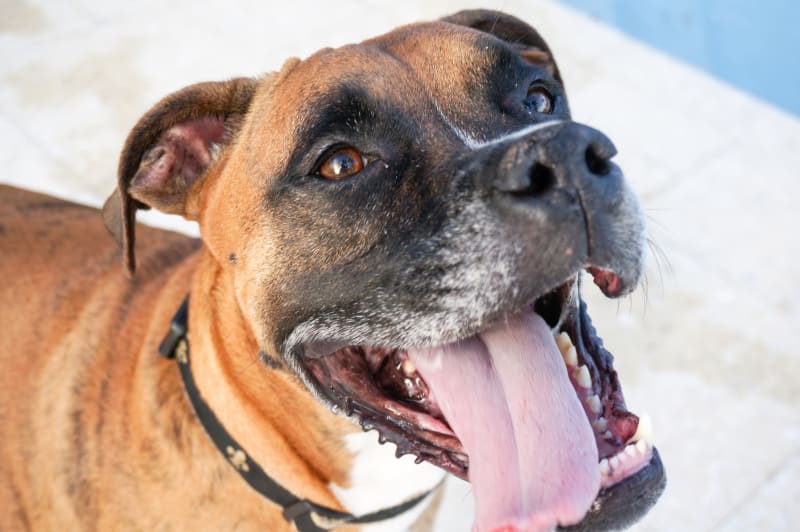
A dog’s breath doesn’t need to smell minty fresh. However, a healthy mouth shouldn’t produce a consistently strong, rotten, or unusually unpleasant odor.
Veterinarians call persistent bad breath halitosis.
According to the American Veterinary Medical Association (AVMA), periodontal disease is among the most common health conditions affecting dogs. Many dogs already show signs of dental disease by the age of three.
The problem is that dental disease can develop gradually.
Your dog may continue eating, playing, and behaving normally while plaque builds up and inflammation develops around its teeth.
As a result, bad breath may be one of the first noticeable clues.
If the odor persists, schedule a veterinary dental examination rather than assuming it’s harmless.
1. Plaque and tartar buildup
The most common reason dogs develop bad breath is the accumulation of plaque and tartar.
Plaque is a sticky film containing bacteria that forms naturally on teeth. Without regular cleaning, it can harden into tartar.
As bacteria multiply, they produce compounds responsible for unpleasant odors.
Over time, plaque and tartar can irritate the gums and contribute to periodontal disease.
How can you recognize tartar buildup?
Look for yellow or brown deposits along the gumline.
You may also notice redness, swelling, or an increasingly unpleasant smell.
However, not all dental problems are visible.
Some damage develops beneath the gumline, where owners cannot see it.
What can you do?
Daily tooth brushing with dog-safe toothpaste helps reduce plaque.
However, brushing cannot remove established tartar or treat advanced dental disease.
Your veterinarian may recommend a professional dental cleaning to address existing problems.
2. Gum disease and infected teeth
Sometimes, bad breath is more than a hygiene problem.
It may indicate an infection affecting your dog’s gums or teeth.
Periodontal disease begins with inflammation of the gums, known as gingivitis.
If left untreated, inflammation can progress to damage involving the tissues and bone supporting the teeth.
Eventually, teeth may loosen or become painful.
Dogs can also develop tooth root infections, fractured teeth, and oral abscesses.
Warning signs of dental disease
Watch for:
- Red, swollen, or bleeding gums
- Difficulty chewing
- Dropping food while eating
- Excessive drooling
- Pawing at the mouth
- Loose or broken teeth
- Facial swelling
- Strong, persistent bad breath
Some dogs hide dental pain surprisingly well.
They may continue eating despite significant discomfort.
Therefore, don’t assume your dog is pain-free simply because it still finishes dinner.
What is the solution?
A veterinarian should examine your dog’s mouth.
Treatment may involve professional cleaning, dental X-rays, and extraction of severely damaged teeth.
Once the underlying dental problem is treated, bad breath often improves.
3. Something stuck between your dog’s teeth
Dogs explore the world with their mouths.
They chew toys, carry sticks, and sometimes pick up objects they shouldn’t.
Unfortunately, small pieces of food, wood, bone, or other material can become trapped between teeth or lodged inside the mouth.
Over time, trapped debris may irritate the surrounding tissue and produce an unpleasant smell.
How can you tell?
Your dog may suddenly develop bad breath, chew differently, drool, or paw at its face.
Sometimes, it may refuse hard food or seem uncomfortable when opening its mouth.
What should you do?
If your dog allows it, gently look inside its mouth without forcing it open.
Do not pull on deeply embedded objects or attempt to remove sharp material yourself.
Contact your veterinarian if you suspect something is stuck.
A proper examination may be necessary to remove the object safely.
4. Eating garbage or other unpleasant things
Dogs don’t always share our opinions about what smells delicious.
Some are attracted to garbage, spoiled food, animal waste, or mysterious objects found during walks.
This behavior can temporarily make their breath smell awful.
For example, a dog that eats feces may develop an unpleasant mouth odor afterward.
This behavior is called coprophagia.
However, repeated garbage eating or unusual scavenging can also expose dogs to dangerous substances.
How can you prevent it?

Keep household trash securely covered.
Supervise outdoor activities and remove animal waste promptly.
You can also teach a reliable “leave it” command.
Positive reinforcement works better than punishment when teaching dogs to avoid unwanted objects.
For more information about household hazards, read 7 Common Household Items That Can Poison Your Dog.
The article explains why ordinary products and foods can become dangerous when dogs swallow them.
5. Kidney disease
Most cases of bad breath begin in the mouth.
However, certain medical conditions can also change the way a dog’s breath smells.
Kidney disease is one example.
The kidneys help remove waste products from the bloodstream.
When kidney function becomes severely impaired, waste products can accumulate and contribute to an unusual breath odor.
Some dogs with advanced kidney problems develop breath that smells like ammonia or urine.
Other possible symptoms
Kidney disease may also cause:
- Increased thirst
- More frequent urination
- Reduced appetite
- Vomiting
- Weight loss
- Weakness or lethargy
These symptoms can have many causes, so breath odor alone cannot diagnose kidney disease.
If your dog develops unusual breath along with changes in drinking, urination, or appetite, contact your veterinarian promptly.
Blood and urine tests may be needed.
6. Diabetes and unusually sweet breath
Not all bad breath smells rotten.
Sometimes, owners notice a strange sweet or fruity odor.
This can occasionally be associated with diabetes, particularly when dangerous ketones accumulate in the body.
Diabetic ketoacidosis is a serious medical emergency.
What warning signs should you watch for?
Possible signs include:
- Excessive thirst
- Frequent urination
- Unexplained weight loss
- Changes in appetite
- Vomiting
- Weakness or unusual tiredness
A fruity breath odor does not automatically mean your dog has diabetes.
However, it should never be ignored when accompanied by concerning symptoms.
If your dog has fruity breath along with vomiting, weakness, rapid breathing, or marked lethargy, seek emergency veterinary care.
7. Other health problems
Although dental disease is the most common explanation, persistent bad breath can sometimes be linked to other conditions.
These may include liver disease, oral tumors, inflammation, or infections involving the mouth and nearby structures.
For example, liver problems may cause bad breath alongside vomiting, poor appetite, weight loss, or yellowing of the eyes and gums.
Oral growths may cause bleeding, difficulty eating, or an unusual smell.
Because several conditions can produce similar symptoms, a veterinary examination is the safest way to identify the cause.
What does your dog’s bad breath smell mean?
Different odors may provide clues, but they are not reliable enough to diagnose a disease.
| Breath odor | Possible explanation |
|---|---|
| Rotten or foul | Dental disease, infected teeth, or trapped debris |
| Fishy | Oral problems, diet, or recent licking of anal gland secretions |
| Ammonia-like | Possible advanced kidney disease |
| Sweet or fruity | Possible ketone buildup, including diabetic ketoacidosis |
| Unpleasant after eating | Food residue or scavenging |
The most important factors are how long the odor lasts and whether your dog has other symptoms.
A sudden, severe change deserves particular attention.
How to get rid of bad breath in dogs
The best treatment depends on the cause.
If your dog has dental disease, breath-freshening treats alone won’t solve the underlying problem.
However, several daily habits can help protect a healthy mouth.
Brush your dog’s teeth regularly
Daily brushing is one of the most effective ways to reduce plaque.
Use a toothbrush designed for dogs or a soft, appropriately sized brush.
Always choose toothpaste formulated specifically for pets.
Human toothpaste may contain ingredients that are unsafe for dogs, including xylitol.
Start slowly.
Let your dog smell the toothbrush and taste a small amount of dog toothpaste.
Then gently introduce short brushing sessions.
Reward calm behavior and gradually increase the amount of brushing.
If your dog has painful, bleeding, or swollen gums, arrange a veterinary examination before starting.
Choose dental chews carefully
Some dental chews can help reduce plaque and tartar.
However, not every product marketed for dental health has demonstrated benefits.
Look for products accepted by the Veterinary Oral Health Council (VOHC).
Choose an appropriate size and supervise your dog while chewing.
Avoid very hard objects that may fracture teeth, such as antlers, hard bones, or similarly rigid chews.
Provide fresh drinking water
Fresh water supports normal hydration and helps your dog remain comfortable.
Clean the water bowl regularly.
However, drinking more water will not cure gum disease or an infected tooth.
Schedule regular veterinary dental checks
Your veterinarian can assess your dog’s teeth and gums during routine examinations.
Some dogs need more frequent dental care, especially smaller breeds or dogs with crowded teeth.
Professional dental cleaning is performed under general anesthesia so the veterinary team can examine and clean beneath the gumline.
Dental X-rays may also be recommended to identify hidden damage.
Maintain a healthy diet
Feed your dog a complete and balanced diet appropriate for its age and health.
If your veterinarian recommends a dental diet, it may help reduce plaque or tartar.
However, ordinary dry kibble should not be considered a substitute for brushing or professional dental care.
Are small dogs more likely to have bad breath?
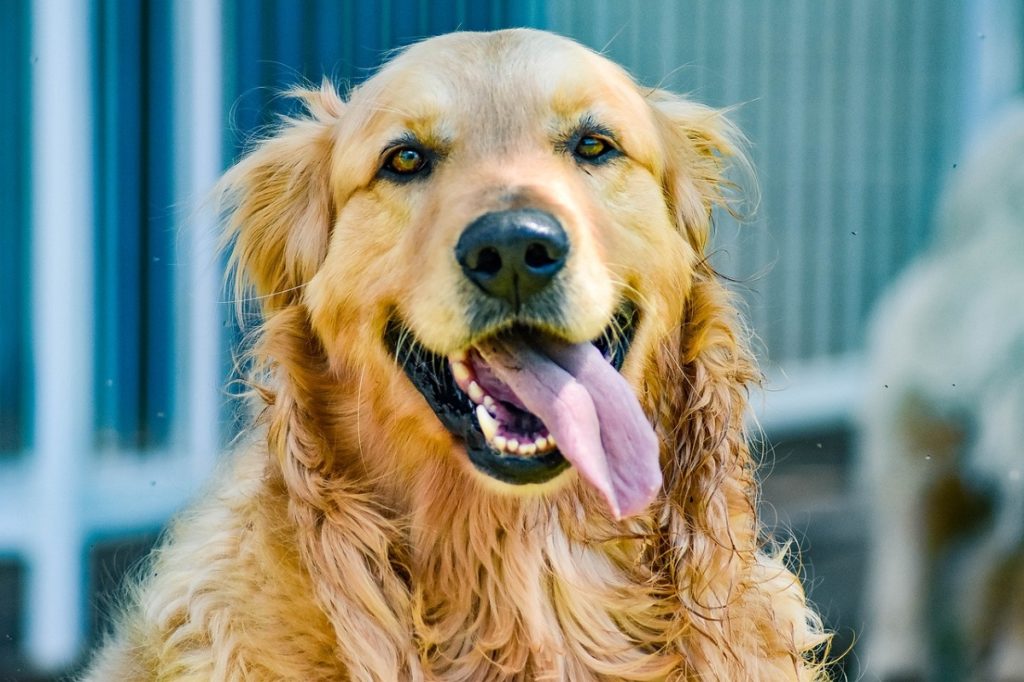
Small breeds often face a higher risk of dental disease.
Their teeth may be crowded into relatively small jaws, making some areas harder to keep clean.
As a result, plaque and tartar can accumulate more easily.
Yorkshire Terriers, Chihuahuas, Toy Poodles, and other small dogs may require especially careful dental monitoring.
However, large dogs can develop dental disease too.
Every dog benefits from regular oral care.
If you’re interested in learning more about canine health and behavior, explore 7 Interesting Facts About Dogs That May Change the Way You See Your Best Friend.
Understanding your dog’s everyday habits can help you recognize when something changes.
Can bad breath in dogs go away naturally?
Sometimes, temporary odors disappear after a dog finishes digesting a meal or stops eating something unpleasant.
However, persistent bad breath rarely improves permanently without addressing its cause.
If plaque, tartar, or gum disease is responsible, the problem may gradually worsen.
Dental infections can also become painful.
Therefore, don’t rely on breath sprays, treats, or home remedies to hide a recurring odor.
A fresh smell doesn’t necessarily mean a healthy mouth.
When should you take your dog to the veterinarian?
Schedule a veterinary appointment if your dog has persistent or worsening bad breath.
Seek prompt veterinary attention if you notice:
- Bleeding or swollen gums
- Broken or loose teeth
- Difficulty eating
- Excessive drooling
- Facial swelling
- Sudden changes in thirst or urination
- Unexplained weight loss
- Vomiting or unusual weakness
Severe weakness, collapse, breathing difficulty, or fruity breath accompanied by signs of serious illness requires emergency care.
Early diagnosis can prevent discomfort and help identify underlying medical problems.
Frequently asked questions
Why does my dog’s breath smell like rotten fish?
A fishy odor may be related to dental problems, something your dog ate, or licking material with a strong smell.
If the odor persists, have your veterinarian examine your dog’s mouth.
Why does my dog’s breath smell bad even after brushing?
Brushing removes plaque from accessible tooth surfaces, but it cannot remove established tartar beneath the gumline or cure infected teeth.
Your dog may need professional dental treatment.
Can puppies have bad breath?
Yes. Puppies may develop temporary odors during teething or after chewing unusual objects.
However, persistent foul breath, pain, swelling, or difficulty eating should be assessed by a veterinarian.
Can I use human toothpaste on my dog?
No. Human toothpaste may contain ingredients that are harmful if swallowed.
Use toothpaste specifically formulated for dogs.
Do dental treats really work?
Some dental treats have evidence supporting their ability to reduce plaque or tartar.
However, they work best alongside brushing and veterinary care.
Look for VOHC-accepted products and ask your veterinarian which options are appropriate.
How often should I brush my dog’s teeth?
Daily brushing is ideal.
If daily brushing isn’t possible, brushing several times a week can still provide benefits.
Consistency matters more than trying to complete a long session occasionally.
Your dog’s breath may be telling you something important
Your dog doesn’t know that its breath smells unpleasant.
It doesn’t understand plaque, gum disease, or why a painful tooth might need treatment.
It simply wants to be close to you.
That enthusiastic greeting at the door, the gentle nudge against your hand, and the unexpected kisses are all part of the bond you share.
But sometimes, those little moments also give you a chance to notice that something isn’t right.
A smell that suddenly changes.
A dog that chews more slowly.
A pet that seems less interested in food.
These details may seem small, but they can reveal important clues about your dog’s health.
So the next time your dog leans in for a kiss, don’t simply turn away because of the smell.
Take a moment to pay attention.
Because caring for your dog’s teeth isn’t just about fresher breath.
It’s about helping your best friend eat comfortably, live more happily, and enjoy many more years by your side.
Leave a Reply