

Your dog still wags its tail when you come home. It still follows you into the kitchen, looks up when you call its name, and curls up beside you at night.
Everything seems normal.
But lately, something feels different.
Maybe your dog takes longer to get up from its bed. Perhaps it no longer jumps onto the couch. Or maybe it has become unusually quiet, spending more time alone.
You might assume your dog is simply tired or getting older.
But what if those small changes are signs that something hurts?
Recognizing the signs your dog is in pain can help you identify a health problem before it becomes more serious.
Dogs cannot tell us where they hurt. And although they don’t necessarily conceal pain deliberately, some show only subtle changes in behavior.
That’s why understanding the warning signs matters.
Here are seven important clues every dog owner should know.
Why do dogs sometimes hide signs of pain?

Dogs experience pain, but they don’t always express it in ways humans recognize.
Some whine, yelp, or cry. Others remain quiet, even when they are uncomfortable.
Their response depends on several factors, including personality, age, previous experiences, and the type of pain.
For example, a dog with sudden, severe pain may cry out or refuse to move.
However, a dog with gradually developing arthritis may simply become less active over time.
Because the changes happen slowly, owners may mistake them for normal aging.
Some dogs also continue eating, playing, or greeting their owners despite discomfort.
A wagging tail doesn’t automatically mean a dog feels healthy.
Therefore, it’s important to pay attention to changes in your dog’s usual behavior.
1. Your dog suddenly becomes unusually quiet or withdrawn
One of the most easily overlooked signs of pain is a change in personality.
Imagine a dog that usually waits by the door when you arrive home.
Every evening, it rushes toward you, wagging its tail and looking for attention.
Then, one day, it stays in its bed.
The next day, it does the same.
Your dog may still look at you or wag its tail, but its usual enthusiasm seems to have disappeared.
This change could indicate discomfort.
What should you watch for?
A dog experiencing pain may:
- Spend more time alone
- Avoid family activities
- Show less interest in playing
- Become unusually quiet
- Resist being touched
- Seem less enthusiastic about familiar routines
However, withdrawal can also result from stress, fear, fatigue, or illness unrelated to pain.
The key is recognizing a change from your dog’s normal behavior.
If your normally affectionate dog suddenly avoids interaction, don’t assume it simply wants to be left alone.
Pay attention to other symptoms and contact your veterinarian if the change persists or is concerning.
2. Your dog walks differently or avoids jumping
Does your dog hesitate before climbing the stairs?
Does it struggle to get into the car?
Perhaps it once jumped onto the couch effortlessly but now waits for someone to lift it.
These small changes can be important signs of discomfort.
Pain affecting the joints, muscles, back, or paws may make everyday movements difficult.
Common movement-related warning signs
Look for:
- Limping or favoring one leg
- Stiffness after resting
- Difficulty standing up
- Reluctance to climb stairs
- Hesitation before jumping
- Slower walking
- Changes in posture
Older dogs may develop osteoarthritis, a condition involving changes in the joints that can cause chronic pain and reduced mobility.
However, younger dogs can also experience painful injuries or orthopedic conditions.
A sudden limp may indicate a paw injury, sprain, fracture, or another problem.
What should you do?
Avoid forcing your dog to exercise through discomfort.
Limit activities that could worsen an injury, such as running or jumping.
Arrange a veterinary examination, especially if the limp is persistent or worsening.
If your dog cannot bear weight on a limb, has an obvious deformity, or is experiencing severe pain, seek urgent veterinary care.
3. Your dog starts panting or trembling without an obvious reason

Panting is normal when dogs are hot, excited, or exercising.
But what if your dog starts panting while resting in a cool room?
Or what if it trembles even though the environment is comfortable?
Unexplained panting and trembling can sometimes be associated with pain.
Dogs may also show these behaviors when they feel frightened, anxious, overheated, or unwell.
Signs that deserve attention
Watch for:
- Heavy panting while resting
- Trembling without an obvious cause
- Restlessness
- Difficulty settling down
- Repeatedly changing positions
- Unusual breathing patterns
A dog experiencing abdominal pain, for example, may struggle to find a comfortable resting position.
However, panting can also be associated with heatstroke or breathing problems.
If your dog is panting heavily after exposure to high temperatures, consider the possibility of heat-related illness.
Learn more in How Hot Is Too Hot for Dogs to Walk Outside?.
This guide explains why hot weather can become dangerous and which warning signs require immediate attention.
Important: Labored breathing, blue or pale gums, collapse, or severe respiratory distress requires emergency veterinary care.
4. Your dog suddenly loses interest in food
Most dog owners know how quickly their pets appear when food is involved.
A familiar bag opens.
A bowl touches the floor.
Suddenly, your dog is standing beside you.
But one morning, the food remains untouched.
Your dog sniffs the bowl and walks away.
A reduced appetite can be a warning sign of pain or illness.
Why can pain affect appetite?
Dental problems may make chewing uncomfortable.
Abdominal pain can cause nausea or reduced interest in food.
Other painful conditions may leave a dog feeling too uncomfortable to eat normally.
Some dogs continue eating but change how they chew.
For example, a dog with a painful tooth may chew on one side of its mouth or drop food.
What other signs should you notice?
Pay attention to:
- Eating more slowly
- Refusing hard food
- Dropping food while chewing
- Excessive drooling
- Pawing at the mouth
- Vomiting
- Weight loss
- Unusual bad breath
Dental pain is particularly easy to overlook because dogs may continue eating despite significant oral disease.
For more information, read Why Does My Dog Have Bad Breath? Causes and Solutions.
Persistent bad breath, difficulty chewing, and inflamed gums may indicate dental problems that require treatment.
When should you worry?
Contact your veterinarian promptly if your dog refuses food, especially if it also appears lethargic, painful, or unwell.
Puppies, very small dogs, and dogs with existing medical conditions may need attention sooner.
Repeated vomiting, a swollen abdomen, or severe weakness should never be ignored.
5. Your dog becomes aggressive or unusually sensitive to touch
Your dog has always loved being petted.
It enjoys belly rubs, gentle hugs, and resting close to family members.
Then something changes.
When you touch its back, it suddenly growls.
When someone tries to lift it, it pulls away.
You may feel confused because this behavior seems completely unlike your dog.
But pain can change how an animal responds to physical contact.
Why might a painful dog growl?
A growl is a form of communication.
Your dog may be warning you that an interaction feels uncomfortable or threatening.
For example, a dog with back pain may react when someone touches or lifts it.
A dog with an injured paw may resist having its leg examined.
These reactions don’t necessarily mean your dog has become aggressive by nature.
They may indicate fear, discomfort, or pain.
What should you do?

Do not punish your dog for growling.
Punishment may suppress warning signals without addressing the underlying problem.
Instead, stop the interaction and give your dog space.
Avoid touching painful areas or attempting to restrain a distressed animal unnecessarily.
Arrange a veterinary examination to investigate the cause.
Sudden behavior changes deserve attention, particularly when accompanied by physical symptoms.
6. Your dog keeps licking or chewing the same area
Dogs naturally groom themselves.
They may lick their paws after a walk or clean their fur while resting.
However, repeated licking of one specific area can sometimes indicate discomfort.
For example, a dog may lick a painful paw, irritated skin, or an injured joint.
Possible reasons for excessive licking
Common explanations include:
- Skin irritation
- Allergies
- Minor injuries
- Foreign objects in the paw
- Infections
- Joint discomfort
- Stress-related behavior
Licking doesn’t always mean the painful area is directly beneath the tongue.
Sometimes, discomfort in a nearby structure can contribute to repetitive attention to a body part.
What should you check?
Look for redness, swelling, broken skin, discharge, or visible injuries.
Examine the paws for debris or damage, but don’t force an examination if your dog resists.
Persistent licking can make irritated skin worse.
If the behavior continues or the skin becomes inflamed, contact your veterinarian.
It’s also important to consider household hazards.
Some dogs lick or chew objects that contain irritating or toxic substances.
Read 7 Common Household Items That Can Poison Your Dog to learn about everyday dangers that should be kept out of reach.
7. Your dog’s sleeping habits suddenly change
Your dog used to sleep peacefully through the night.
Now, it wakes repeatedly.
It changes positions, gets up, walks around, and lies down again.
Perhaps it has stopped sleeping in its favorite spot.
Or maybe it spends much more time resting than usual.
Changes in sleep can sometimes indicate pain.
Why does pain affect sleep?
A dog with sore joints may struggle to find a comfortable position.
Back pain can make lying down or getting up difficult.
Abdominal discomfort may cause restlessness.
Some dogs sleep more because they feel unwell or have become less active.
Others sleep less because discomfort interrupts their rest.
What changes should you notice?
Watch for:
- Difficulty settling at bedtime
- Frequent position changes
- Restlessness during the night
- Sleeping in unusual locations
- Difficulty getting comfortable
- Increased daytime sleeping
- Reluctance to get out of bed
Sleep changes can also occur because of aging, anxiety, temperature, or changes in household routines.
Therefore, they should be considered alongside other symptoms.
A dog that suddenly becomes restless at night and also struggles to stand may need an orthopedic assessment.
A dog that sleeps more and refuses food may have a different medical problem.
The combination of symptoms often provides more useful information than any single behavior.
How can you tell if your dog is in pain?

Recognizing pain often requires looking at the whole picture.
One unusual behavior may have several explanations.
However, multiple changes occurring together deserve closer attention.
Here’s a quick guide.
| Warning sign | What it may indicate |
|---|---|
| Hiding or withdrawal | Pain, illness, fear, or stress |
| Limping or stiffness | Joint, muscle, paw, or bone problems |
| Panting or trembling | Pain, anxiety, overheating, or illness |
| Reduced appetite | Dental discomfort, abdominal problems, or illness |
| Growling when touched | Pain, fear, or sensitivity |
| Repeated licking | Skin irritation, injury, or localized discomfort |
| Changes in sleep | Pain, anxiety, illness, or age-related changes |
These signs are clues, not diagnoses.
A veterinarian may need to perform a physical examination, blood tests, imaging, or other diagnostic procedures to determine the cause.
Can a dog be in pain and still wag its tail?
Yes.
Tail wagging is a form of communication, not a guarantee that a dog feels comfortable or happy.
A dog may wag its tail while feeling anxious, uncertain, or physically uncomfortable.
Some dogs continue greeting their owners even when they are sick.
Others still enjoy short walks despite painful joints.
This is why owners should avoid relying on a single behavior to judge their dog’s health.
Instead, consider the dog’s appetite, mobility, posture, activity level, and normal routine.
If something seems different, pay attention.
You know your dog’s everyday habits better than almost anyone.
That familiarity can help you notice subtle changes early.
How to comfort a dog that may be in pain
When you suspect your dog is hurting, your first instinct may be to make it feel better immediately.
However, some well-intentioned actions can make the situation worse.
Here are safer ways to help while arranging appropriate veterinary care.
Give your dog a quiet place to rest
Provide a comfortable bed in a calm area.
Keep children and other pets from disturbing a dog that seems painful or irritable.
Reduce unnecessary movement
If your dog is limping or struggling to move, avoid running, jumping, and strenuous play until a veterinarian has assessed the problem.
Keep food and water accessible
Place water within easy reach.
If your dog has difficulty standing, consider whether its usual feeding location is still comfortable.
Do not force food or water into a dog that is weak, vomiting, or struggling to swallow.
Record unusual behaviors
A short video of limping, trembling, or difficulty standing may help your veterinarian understand what is happening.
Write down when symptoms began and whether they are getting worse.
Never give human pain medication without veterinary advice
This is especially important.
Common human pain relievers, including ibuprofen and naproxen, can cause serious poisoning in dogs.
Acetaminophen can also be harmful when given incorrectly.
Even medications intended for dogs should only be used as directed by a veterinarian.
If you suspect your dog has swallowed a human medication, seek veterinary advice immediately.
When is dog pain an emergency?
Some symptoms require immediate veterinary attention.
Seek emergency care if your dog experiences:
- Difficulty breathing
- Collapse or inability to stand
- Severe or uncontrolled pain
- A swollen, hard abdomen, especially with repeated unproductive retching
- Major trauma, such as being hit by a vehicle
- Sudden paralysis or dragging of the legs
- Uncontrolled bleeding
- Seizures or loss of consciousness
- Pale, blue, or gray gums
Don’t wait for your dog to cry or yelp before seeking help.
Some serious conditions develop without obvious vocal signs of pain.
If you’re unsure whether a symptom is urgent, call your veterinarian or an emergency animal hospital for guidance.
Frequently asked questions
Do dogs cry when they are in pain?
Some dogs whine, yelp, or cry when they experience pain. However, many remain quiet. A lack of vocalization does not rule out discomfort.
Can dogs hide pain from their owners?
Dogs can show subtle signs of pain that owners may not immediately recognize. This doesn’t necessarily mean they are deliberately hiding it.
What is the most common sign of pain in dogs?
There is no single sign that applies to every dog. Changes in movement, activity, behavior, appetite, and posture are all important clues.
Can a dog still eat if it is in pain?
Yes. Some dogs continue eating despite dental disease, arthritis, or other painful conditions. Normal appetite doesn’t guarantee that a dog is pain-free.
Why is my dog suddenly sleeping more than usual?
Increased sleeping can result from aging, reduced activity, illness, or pain. If the change is sudden, persistent, or accompanied by other symptoms, consult your veterinarian.
How do I know if my senior dog has arthritis?
Possible signs include stiffness after resting, difficulty climbing stairs, reluctance to jump, and reduced activity. A veterinarian can evaluate your dog and recommend appropriate treatment.
Should I wait to see if my dog’s pain goes away?
Mild, short-lived changes may sometimes resolve, but persistent or worsening symptoms should be assessed by a veterinarian. Severe pain or emergency warning signs require immediate attention.
Your dog may be asking for help without making a sound
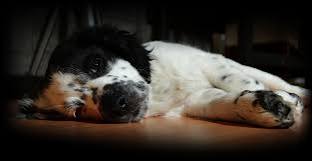
Think about the countless ways your dog communicates with you.
The excited tail wag when you return home.
The gentle nudge against your hand.
The familiar footsteps following you from room to room.
Over time, these little habits become so ordinary that you barely notice them.
But when something changes, it matters.
Maybe your dog no longer runs to greet you.
Maybe it hesitates before climbing the stairs.
Maybe it sleeps in a different place because its usual position has become uncomfortable.
Your dog cannot explain what hurts.
It depends on you to notice.
And sometimes, the most important act of love isn’t giving another treat, buying a new toy, or planning a longer walk.
It’s recognizing that something is wrong and getting the help your best friend needs.
Because the dog that has spent years watching over you deserves someone who will watch over it, too.
Leave a Reply