
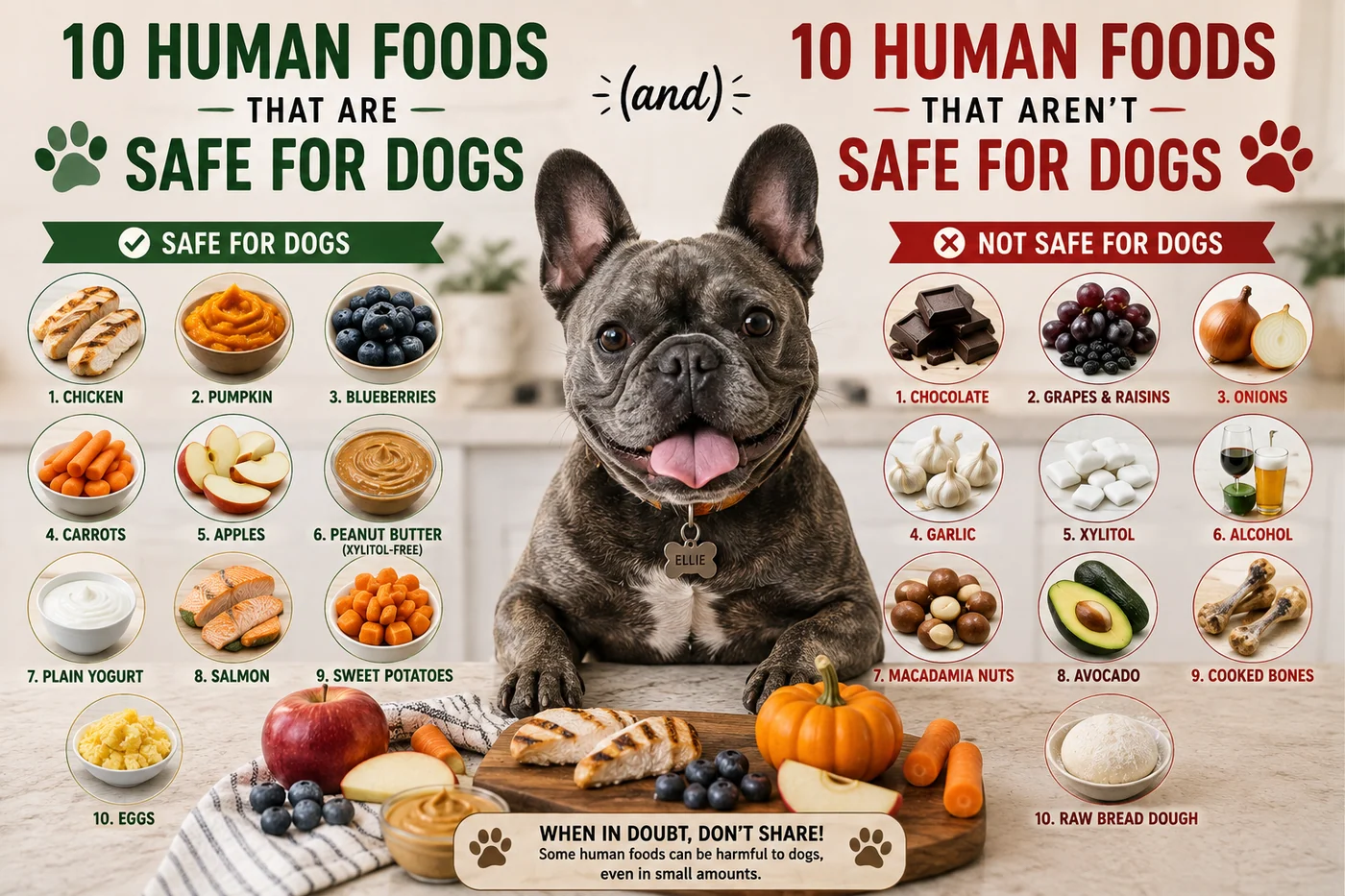
A small piece of food falling from your plate might seem harmless. However, some everyday human foods can cause serious health problems in dogs, even when the amount appears insignificant. What is perfectly safe for people may be toxic to our four-legged companions.
Many dog owners already know that chocolate can be dangerous. Yet several other common foods can cause kidney damage, severe blood sugar changes, or other life-threatening complications. Some are especially concerning because they appear in ordinary snacks, desserts, and household ingredients.
Understanding which human foods are dangerous for dogs can help prevent accidental poisoning. Here are five foods every dog owner should recognize, along with the warning signs that should never be ignored.
1. Grapes and Raisins Can Cause Sudden Kidney Failure
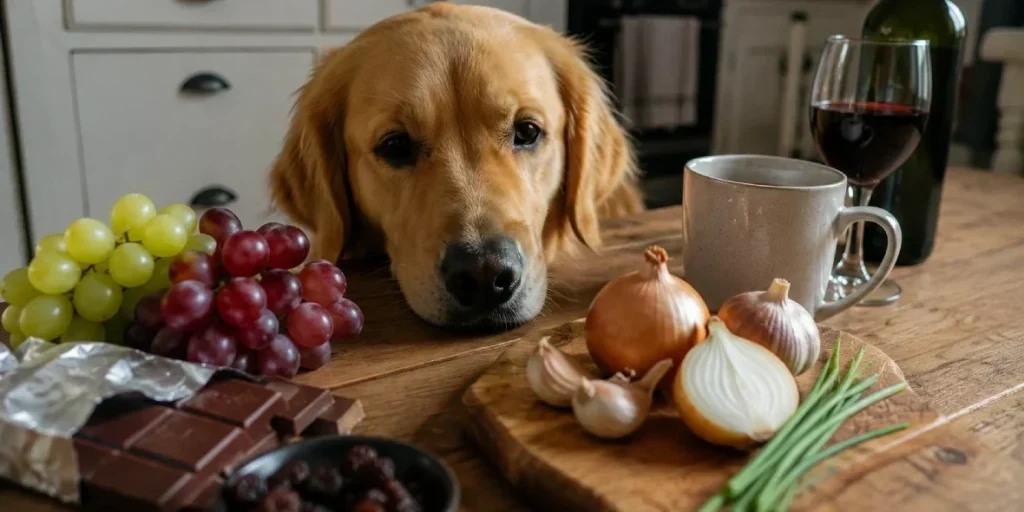
Grapes may seem like a healthy snack, but they are among the most concerning foods a dog can accidentally eat.
Both grapes and raisins have been associated with acute kidney injury in dogs. Researchers have identified tartaric acid as a likely toxic component, although the exact amount that causes poisoning can vary considerably.
Unfortunately, there is no reliably established safe quantity. Some dogs become seriously ill after eating relatively small amounts, while others may appear unaffected after larger exposures.
Early symptoms can include vomiting, diarrhea, reduced appetite, and unusual tiredness. As kidney damage develops, dogs may experience changes in thirst or urination.
Raisins are particularly easy to overlook because they appear in cookies, cereals, trail mixes, and baked goods.
If your dog eats grapes or raisins, contact a veterinarian immediately. Do not wait for symptoms to appear, because early treatment can significantly influence the outcome.
2. Chocolate Contains Chemicals Dogs Cannot Process Safely
Chocolate is one of the most widely recognized human foods dangerous for dogs. However, many owners underestimate how much the type of chocolate matters.
Chocolate contains theobromine and caffeine, two substances that affect the nervous system and cardiovascular system. Dogs process these compounds more slowly than humans, making them more vulnerable to poisoning.
Dark chocolate, baking chocolate, and cocoa powder generally contain higher concentrations of theobromine than milk chocolate. Therefore, relatively small amounts of concentrated chocolate products can be particularly dangerous.
Possible symptoms include vomiting, diarrhea, restlessness, rapid heartbeat, tremors, and seizures. Severe poisoning can lead to dangerous heart rhythm abnormalities.
The risk depends on the dog’s weight, the type of chocolate, and the amount consumed. A small dog eating dark chocolate may face a much greater risk than a large dog eating the same quantity.
If your dog consumes chocolate, save the packaging and contact your veterinarian. Knowing the chocolate type and approximate amount can help determine the urgency of treatment.
3. Xylitol Can Cause a Dangerous Drop in Blood Sugar

Xylitol is a sugar substitute found in some sugar-free chewing gums, candies, baked goods, and dental products. It may also appear on ingredient labels as birch sugar.
Although xylitol is commonly used in human products, it can be extremely dangerous for dogs.
When dogs ingest xylitol, their bodies may release insulin rapidly. This can cause a sudden and potentially life-threatening decrease in blood glucose.
Symptoms may develop quickly and include vomiting, weakness, difficulty walking, trembling, and seizures. In some cases, xylitol exposure can also cause severe liver injury.
Even a small amount of certain xylitol-containing products may be dangerous, particularly for smaller dogs. The exact risk depends on the product’s concentration and the dog’s weight.
Because xylitol poisoning can progress rapidly, suspected exposure requires immediate veterinary attention, even if your dog appears normal.
Always check ingredient labels before offering your dog human snacks, especially products advertised as sugar-free.
4. Onions and Garlic Can Damage Your Dog’s Red Blood Cells
Onions and garlic are common ingredients in everyday cooking. Unfortunately, both belong to the Allium family, which contains compounds that can damage red blood cells in dogs.
This damage can lead to hemolytic anemia, a condition in which red blood cells are destroyed faster than the body can replace them.
Onions and garlic can be harmful whether they are raw, cooked, dried, or powdered. Concentrated powders are especially concerning because small quantities can contain substantial amounts of the toxic compounds.
Symptoms may include vomiting, weakness, pale gums, rapid breathing, and reduced energy. Importantly, signs of anemia may not appear until several days after exposure.
The risk depends on the amount eaten, the dog’s size, and whether exposure occurs repeatedly. Small traces do not always cause poisoning, but concentrated products and repeated consumption deserve particular caution.
Avoid feeding dogs seasoned leftovers, onion-heavy sauces, garlic bread, or foods containing significant amounts of onion or garlic powder.
If your dog eats a potentially harmful quantity, seek veterinary advice rather than waiting for visible symptoms.
5. Macadamia Nuts Can Cause Weakness and Difficulty Walking
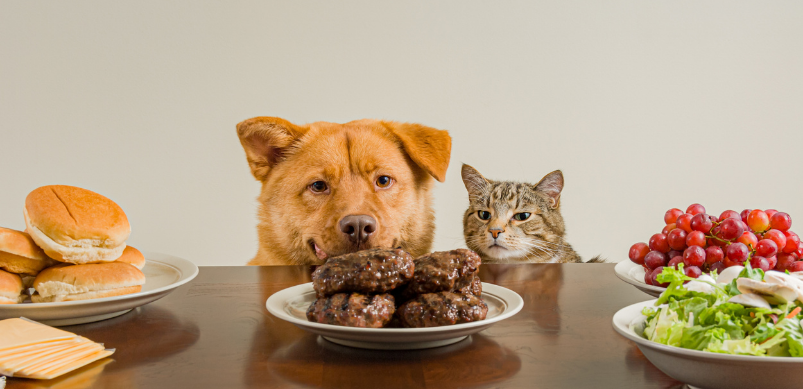
Macadamia nuts are another surprising example of human foods dangerous for dogs.
Although the exact toxic mechanism remains unclear, macadamia nuts can cause a recognizable pattern of illness in dogs.
Affected dogs may develop weakness, vomiting, tremors, elevated body temperature, and difficulty walking. Weakness is often especially noticeable in the hind legs.
Symptoms typically begin within several hours of ingestion. Many affected dogs recover with appropriate supportive care, but the experience can be distressing, and some cases require veterinary treatment.
The amount needed to cause symptoms varies. Therefore, owners should avoid assuming that a small serving is automatically harmless.
Macadamia nuts also appear in cookies, chocolates, and other desserts. These combinations may introduce additional risks, particularly when chocolate or xylitol is present.
If your dog eats macadamia nuts, contact your veterinarian for advice based on the amount consumed and your dog’s condition.
What to Do if Your Dog Eats Something Toxic
Accidental exposure can happen even in careful households. Knowing how to respond is just as important as recognizing dangerous foods.
If you suspect your dog has eaten a toxic substance, remove any remaining food from their reach and contact a veterinarian or animal poison control service immediately.
Try to identify what your dog ate, approximately how much they consumed, and when the exposure occurred. Your dog’s weight and any existing symptoms are also important.
Do not attempt to induce vomiting or give home remedies unless a veterinary professional specifically instructs you to do so. Some interventions can make the situation worse.
Most importantly, do not wait for obvious illness. Certain toxins can cause internal damage before visible symptoms develop.
How to Keep Your Dog Safe Around Human Food
Preventing accidental poisoning often begins with a few simple household habits.
Store chocolate, raisins, sugar-free products, and other potentially toxic foods in secure cabinets. Keep handbags, snack containers, and grocery bags out of your dog’s reach, especially when they contain chewing gum or sweets.
Additionally, remind family members and visitors not to share food without checking whether it is safe for dogs.
Teaching commands such as “leave it” can also reduce the risk of your dog grabbing dropped food. However, training should complement secure storage rather than replace it.
Finally, remember that foods safe for humans are not automatically suitable for pets. When you are uncertain about an ingredient, check with your veterinarian before offering it.
Dogs depend on us to make safe decisions about their diets. Recognizing these five dangerous foods can help you avoid preventable emergencies and protect your companion’s health.
A single moment of caution may make a meaningful difference in keeping your dog safe.
Leave a Reply