
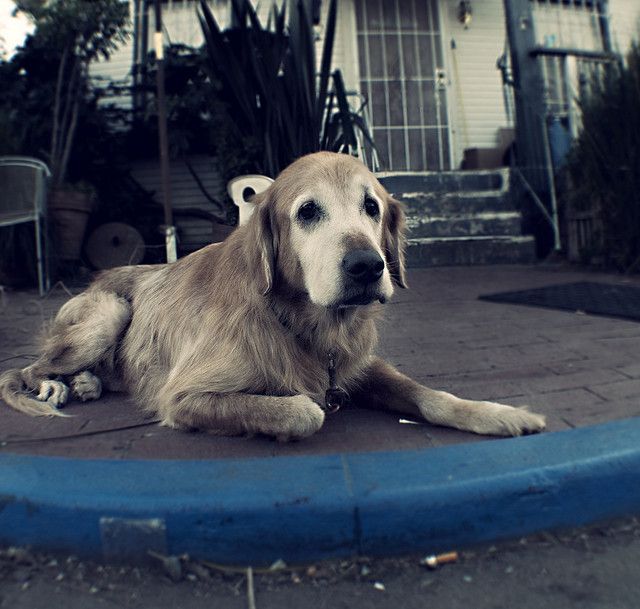
Every morning, somewhere in the world, a dog watches its favorite person walk through a door. Perhaps it is an ordinary goodbye before work. Perhaps it is a journey that will last several days. Or perhaps, without the dog knowing, it is the last time those familiar footsteps will ever be heard.
The dog does not know the reason for the departure. It cannot read a calendar, understand a work schedule, or ask when someone will return. It simply watches the door close, listens to the fading footsteps, and settles into the quiet that follows.
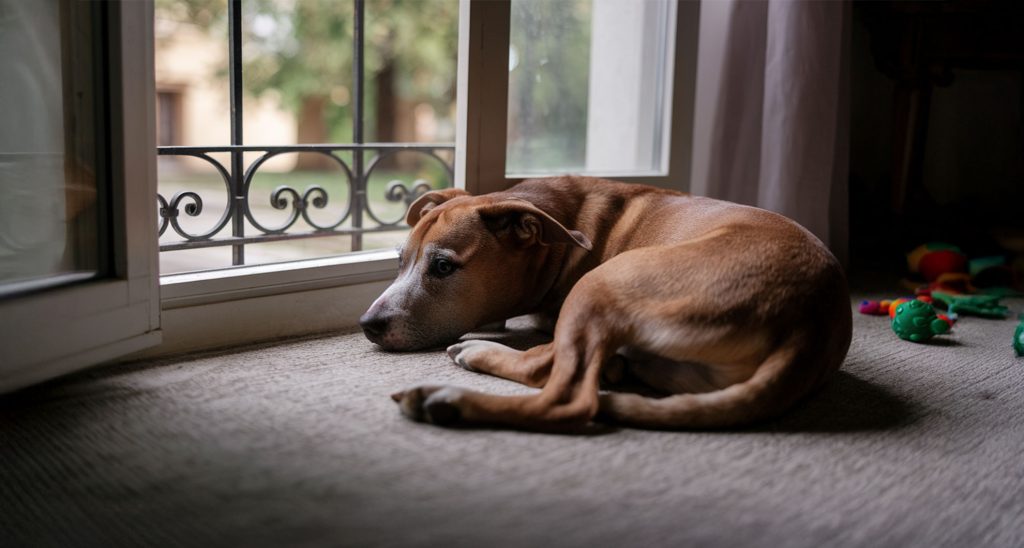
Some dogs curl up on a familiar blanket. Others move toward a window, checking the street whenever a car passes. A few remain near the entrance, drawn to the place where their person disappeared.
For a dog, waiting is not necessarily an act of sadness. Sometimes it is simply part of a familiar daily routine. But when a beloved person is suddenly absent for a long time, that waiting can become something much more difficult.
Why do dogs wait for their owners, sometimes for hours, days, or even longer? And what does that behavior reveal about the extraordinary bond between dogs and humans?
The answer involves attachment, memory, routine, and an emotional connection that has developed over thousands of years.
Why Do Dogs Wait for Their Owners?
Dogs are social animals that form strong attachments to the people who care for them. Their daily lives often revolve around familiar routines, including feeding times, walks, play sessions, and the arrival and departure of household members.
When a person leaves, the dog may anticipate their return based on previous experiences.
A dog that regularly hears its owner’s car approaching at the same time each evening may begin watching the window before the person arrives. Another may recognize footsteps in the hallway or the sound of keys outside the door.
These behaviors reflect learning, memory, and familiarity.
Dogs do not need to understand the human concept of an eight-hour workday to recognize patterns in their environment.
They learn that certain events are followed by others.
A door closes. Time passes. Familiar sounds return. Someone they love appears again.
Over time, the pattern becomes part of their expectations.
This is one reason many dogs become excited when their owners return home. The reunion combines familiar sights, sounds, scents, and social interaction.
However, not every dog waits in the same way.
Some spend most of their owner’s absence sleeping comfortably. Others remain alert to activity outside. Dogs experiencing separation-related distress may become restless, vocalize, pace, or show other signs of anxiety.
Understanding the difference between normal anticipation and genuine distress is essential.
A Dog Doesn’t Know Why You Left, but It Remembers You
Imagine a dog resting beside the front door on a rainy afternoon.
The house is quiet. Its favorite person left hours earlier, and the usual sounds of daily life have faded.
Then a familiar car pulls into the driveway.
Before the door opens, the dog lifts its head.
Its ears move toward the sound. Its body becomes alert. A moment later, it rushes toward the entrance, tail wagging.
To a human observer, the reaction may look like pure joy.
From a behavioral perspective, it also reveals how effectively dogs learn to recognize the people and events associated with their lives.
Dogs can identify familiar humans through several sensory cues, including scent, voice, appearance, and movement.
Their sense of smell is particularly important.
A familiar person’s scent can remain meaningful even when that person is not physically present. Clothing, bedding, and frequently used spaces may contain recognizable odors.
Dogs can also remember associations with people over extended periods, although the precise duration and nature of canine memory vary.
A dog does not necessarily remember a person in the same autobiographical way that humans recall past experiences.
But it can retain strong learned associations.
The person who provided comfort, food, companionship, and affection may remain familiar even after a long separation.
That is why reunions between dogs and people they have not seen for months or years can be so emotional.
The excitement may be immediate.
For the dog, a familiar presence has returned.
The Heartbreaking Reality of Dogs Waiting for Someone Who Never Comes Back
Not every goodbye ends with a reunion.
Sometimes a dog loses its owner because of death, hospitalization, abandonment, or a sudden change in living circumstances.
The animal may continue following familiar routines even after the person is gone.
It might visit a bedroom, rest near a doorway, or respond to sounds that previously signaled the owner’s return.
Such behavior can be difficult for surviving family members to witness.
A dog that once greeted someone every evening may continue approaching the entrance at the usual time.
A dog accustomed to sleeping beside its owner may appear unsettled when that familiar presence disappears.
These reactions do not prove that the dog understands death or permanent absence in the same way humans do.
Scientists are still studying how dogs experience loss and whether they comprehend the permanence of death.
However, research and behavioral observations indicate that dogs can experience significant changes in behavior after losing a familiar companion.
They may eat less, sleep differently, seek additional attention, become less playful, or show increased anxiety.
Some dogs adjust relatively quickly.
Others require more time and support.
What makes these situations especially painful for humans is the uncertainty.
We cannot explain the absence to a dog in words it fully understands.
We cannot promise that someone will return when we know they will not.
All we can do is provide comfort, consistency, and care while the animal adapts.
Hachiko: The Dog Who Became a Symbol of Unwavering Loyalty

Few stories illustrate the emotional power of canine loyalty more famously than that of Hachiko, the Japanese Akita remembered for waiting at a railway station for his owner.
Hachiko belonged to Professor Hidesaburo Ueno, who worked at Tokyo Imperial University.
The dog developed a routine of accompanying his owner toward Shibuya Station and greeting him when he returned.
In May 1925, Professor Ueno died suddenly while at work.
He never returned to the station.
Hachiko, however, continued appearing in the area over the following years.
His repeated visits attracted public attention, and his story eventually became one of the most celebrated examples of canine devotion.
Hachiko died in March 1935, nearly ten years after his owner’s death.
Today, a statue outside Shibuya Station commemorates his loyalty.
The story has inspired books, films, and generations of animal lovers.
But it also raises an important question.
Did Hachiko understand that his owner was gone forever?
We cannot know.
His behavior may have reflected attachment, learned routine, recognition of a familiar location, and continued expectation associated with his owner.
Whatever the underlying explanation, the relationship between Hachiko and Professor Ueno left a remarkable cultural legacy.
The story reminds us how deeply an animal’s life can become connected to the presence of one human being.
Do Dogs Feel Sad When Their Owners Leave?
Many dogs show changes in behavior when separated from their owners.
However, the intensity of those reactions varies considerably.
Some dogs are comfortable spending time alone, particularly when they have been gradually accustomed to it and their needs are met.
Others experience mild restlessness or excitement around departures and reunions.
A smaller group may develop significant separation-related distress.
Signs can include persistent barking, howling, destructive behavior, pacing, trembling, excessive salivation, attempts to escape, or inappropriate elimination.
These behaviors should not automatically be interpreted as disobedience or attention-seeking.
They may indicate that the dog is struggling emotionally.
Separation anxiety is a recognized behavioral problem that can affect a dog’s welfare.
Dogs experiencing severe distress need appropriate support, and in some cases, guidance from a veterinarian or qualified animal behavior professional.
It is also important to avoid assuming that a dog is unhappy simply because it rests near a door.
Waiting can be a normal part of a learned routine.
A relaxed dog that occasionally watches the entrance may be perfectly comfortable.
The key is to consider the animal’s overall behavior, body language, and ability to settle.
Why Dogs Form Such Powerful Emotional Bonds With Humans
The relationship between humans and dogs has developed over thousands of years.
Through domestication and shared living environments, dogs became remarkably skilled at interpreting human behavior.
They can respond to gestures, recognize familiar voices, follow pointing cues, and learn to associate human expressions with particular situations.
Research also suggests that positive interactions between dogs and their owners can involve oxytocin, a hormone associated with social bonding.
A well-known 2015 study published in Science examined the relationship between mutual gazing and oxytocin in dogs and humans.
The findings supported the idea that affectionate interactions may reinforce the bond between the two species.
This does not mean dogs experience love in exactly the same way humans do.
Animal emotions are complex, and researchers continue to investigate how canine attachment compares with human relationships.
Nevertheless, there is strong evidence that dogs form meaningful social bonds with their caregivers.
For many dogs, a trusted human provides more than food and shelter.
That person represents familiarity, safety, companionship, and access to rewarding experiences.
When the person leaves, the dog’s environment changes.
When they return, an important part of that familiar world is restored.
Why Your Dog Gets So Excited When You Come Home
For many dog owners, one of the happiest moments of the day is returning home.
A dog may rush toward the door, wag its tail, wiggle its body, bring a toy, or make excited vocalizations.
These greetings can feel like extraordinary expressions of affection.
And in many cases, they reflect a positive emotional response to reunion.
Dogs learn to associate their owners with rewarding interactions.
They may anticipate walks, meals, playtime, physical affection, or simply the pleasure of being near a familiar companion.
A reunion can therefore trigger excitement for several reasons.
The dog recognizes someone important.
A familiar routine resumes.
And opportunities for social interaction become available again.
Not every dog expresses happiness dramatically.
Some greet their owners quietly, approaching with relaxed body language or settling beside them.
A calm greeting can be just as meaningful as an enthusiastic one.
The strength of a bond should not be measured by how loudly a dog barks or how high it jumps.
Sometimes affection is expressed through a gentle approach, a relaxed posture, or the simple choice to remain nearby.
Can Dogs Remember Owners They Haven’t Seen for Years?
Stories of dogs recognizing former owners after long separations frequently attract attention online.
Many reunions appear to demonstrate remarkable recognition.
A dog may approach a familiar person enthusiastically, respond to their voice, or investigate their scent before showing excitement.
Such reactions are consistent with what researchers know about canine learning and sensory recognition.
Dogs can develop lasting associations with familiar people.
However, there is no universal rule determining exactly how long every dog will remember a particular person.
Memory depends on many factors, including the strength of the original relationship, the dog’s age, health, experiences, and individual characteristics.
A dog that spent years living with someone may have stronger associations than one that encountered a person only briefly.
It is also important to interpret reunion videos carefully.
A dog’s excitement does not always reveal precisely what it remembers or understands.
Even so, the ability of dogs to recognize familiar people after extended absences is one of the many reasons human-canine relationships can feel so enduring.
What Happens When a Dog Is Abandoned?
Abandonment can be particularly difficult for dogs because it often involves more than the loss of one familiar person.
The animal may also lose its home, daily routine, social environment, and sense of predictability.
A dog suddenly left in an unfamiliar location may experience fear, confusion, and stress.
It may search for familiar people, remain close to the place where it was left, or struggle to adapt to new surroundings.
Other dogs may respond differently, becoming withdrawn, highly alert, or unusually dependent on new caregivers.
The consequences depend on the individual animal and the circumstances.
Not every abandoned dog will continue waiting indefinitely for a previous owner.
Many can form strong, healthy relationships with new families.
With patience, predictable routines, and appropriate care, dogs that have experienced abandonment can recover and thrive.
That possibility is important.
The emotional appeal of stories about dogs waiting for absent owners should never overshadow the fact that these animals deserve opportunities to feel safe again.
Their futures do not have to be defined by the people who left them.
How to Help a Dog Feel Safe When You Leave
If your dog becomes uncomfortable when you leave home, there are practical ways to support its well-being.
Build a Predictable Daily Routine
Regular feeding, exercise, rest, and play schedules can help dogs understand what to expect from their environment.
Predictability often supports a sense of security.
Practice Short, Comfortable Separations
For dogs that can tolerate brief absences, gradual training may help them become more comfortable being alone.
Begin with separations short enough that the dog remains relaxed, then increase the duration gradually.
Avoid forcing a distressed dog to endure prolonged isolation as a training method.
Provide Appropriate Enrichment
Food puzzles, safe chew toys, scent games, and other enrichment activities can help occupy dogs when their owners are away.
Choose activities suited to your dog’s age, health, and preferences.
Make Departures and Returns Calm
A relaxed routine around leaving and returning may help some dogs avoid becoming overly excited by these transitions.
However, affection itself does not cause separation anxiety, and owners do not need to ignore their dogs to encourage independence.
Seek Professional Help When Needed
If your dog shows severe distress, destructive behavior, escape attempts, or persistent vocalization when alone, consult a veterinarian.
Medical problems can sometimes contribute to behavioral changes, and professional guidance can help identify an appropriate treatment plan.
What Your Dog Really Needs From You
Dogs do not need perfect owners.
They need people who provide dependable care, appropriate exercise, social interaction, medical attention, and a safe environment.
They need patience when learning new behaviors.
They need understanding when frightened.
And they need their emotional and physical needs to be taken seriously.
For a dog, love is not measured through expensive gifts or elaborate promises.
It is reflected in daily experiences.
A familiar voice in the morning.
A comfortable place to rest.
A walk through the neighborhood.
A gentle hand.
The reassurance of a predictable routine.
These ordinary moments build trust over time.
And trust is one of the foundations of the powerful bond between dogs and humans.
Frequently Asked Questions About Dogs Waiting for Their Owners
Why do dogs wait by the door when their owners leave?
Dogs may wait near the door because they associate that location with their owner’s departures and returns. Familiar sounds, routines, and expectations can influence this behavior.
Do dogs know when their owners are coming home?
Dogs can learn patterns associated with an owner’s return, including familiar sounds, household routines, and time-related environmental cues. However, they do not necessarily understand time in the same way humans do.
Do dogs miss their owners?
Dogs can form strong attachments to familiar people and may show behavioral changes during separation. Some experience separation-related distress, while others remain comfortable until their owners return.
Can dogs recognize their owners after years apart?
Dogs may recognize familiar people after extended separations through scent, voice, appearance, and learned associations. The strength and duration of recognition vary between individuals.
Do dogs grieve when their owners die?
Dogs may show changes in appetite, sleep, activity, and social behavior after losing a familiar companion. These reactions can resemble grief, although researchers continue to study how dogs understand death and loss.
Why do some dogs keep returning to places associated with their owners?
Dogs may revisit familiar locations because of learned routines, scent associations, previous rewarding experiences, or attachment-related behavior.
How can I tell if my dog has separation anxiety?
Possible signs include persistent vocalization, pacing, destructive behavior, escape attempts, and other signs of distress during separation. A veterinarian or qualified behavior professional can help assess the problem.
Will an abandoned dog ever trust another person?
Many abandoned dogs can develop strong, secure bonds with new caregivers. Consistent care, patience, and a safe environment can help them adjust.
Conclusion: A Dog May Not Understand Goodbye, but It Knows the Meaning of Your Presence
Somewhere tonight, a dog will fall asleep beside a front door.
Perhaps its owner is working late.
Perhaps someone is traveling and will return tomorrow.
Or perhaps the person the dog once greeted every evening will never walk through that doorway again.
We cannot know exactly what passes through a dog’s mind as it waits.
We should be careful not to turn every quiet moment into evidence of heartbreak or assume that dogs understand absence as humans do.
But we know that dogs form powerful attachments, recognize familiar people, and build their lives around relationships and routines.
We know that separation can matter deeply to them.
And we know that the comfort of a trusted human can make an enormous difference in their lives.
Perhaps that is what makes the bond between humans and dogs so extraordinary.
A dog does not need to understand every reason you leave to recognize the joy of your return.
It does not need to know the meaning of forever to form a lasting attachment.
And it does not need words to show that your presence matters.
To you, coming home may be an ordinary part of the day. To the dog waiting behind the door, it may be the moment everything feels right again.
Leave a Reply