
Introduction
When your dog starts coughing, breathing heavily, or acting unusually tired, it can be alarming. While mild respiratory issues may pass, pneumonia in dogs is a serious condition that demands immediate attention. This illness affects the lungs, making it difficult for your pet to breathe properly and get enough oxygen.
In this comprehensive guide, we’ll explore everything you need to know about dogs with pneumonia care—from recognizing early symptoms to understanding treatment options and providing effective home care. Whether you’re a first-time pet owner or an experienced dog lover, this article will help you make informed decisions to protect your furry companion.
What Is Pneumonia in Dogs?
Pneumonia in dogs is a condition where the lungs become inflamed and filled with fluid or pus, interfering with normal breathing and oxygen exchange.
The lungs contain tiny air sacs called alveoli, which are responsible for oxygen transfer. When these sacs fill with fluid due to infection or irritation, your dog struggles to breathe efficiently.
This condition can range from mild to life-threatening, especially if left untreated. In severe cases, dogs may experience respiratory distress and require emergency veterinary care.
Common Causes of Pneumonia in Dogs
Understanding the cause is essential for proper treatment. Pneumonia in dogs can develop in several ways:
1. Bacterial Infections
Bacteria such as Bordetella or Streptococcus often cause pneumonia, especially in dogs exposed to crowded environments like kennels.
2. Viral Infections
Viruses like canine influenza or distemper can weaken the respiratory system, leading to pneumonia.
3. Fungal Infections
Dogs can inhale fungal spores from soil, which may lead to lung infections.
4. Aspiration Pneumonia
This occurs when a dog inhales food, liquid, or vomit into the lungs—causing inflammation and infection.
5. Parasites
Lungworms and other parasites can also trigger pneumonia.
Symptoms of Pneumonia in Dogs
Recognizing the early signs can save your dog’s life. Symptoms may vary but commonly include:
- Persistent, deep cough (often wet-sounding)
- Rapid or labored breathing
- Fever
- Nasal discharge
- Loss of appetite
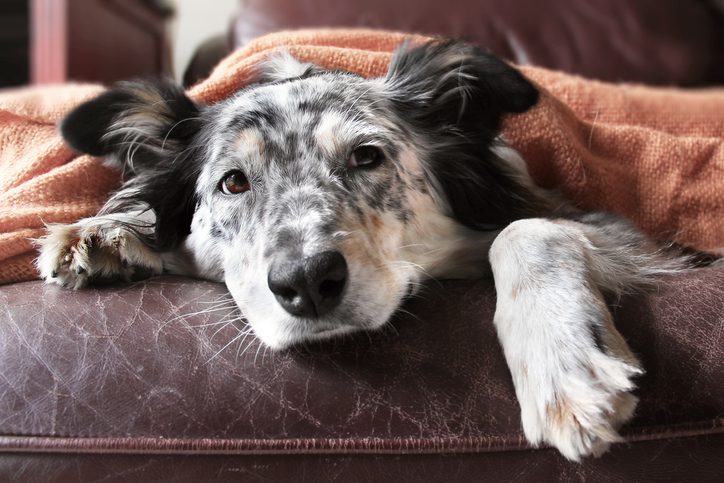
- Lethargy or weakness
- Reduced activity or exercise intolerance
- Bluish gums in severe cases
If your dog shows any combination of these symptoms, consult a veterinarian immediately.
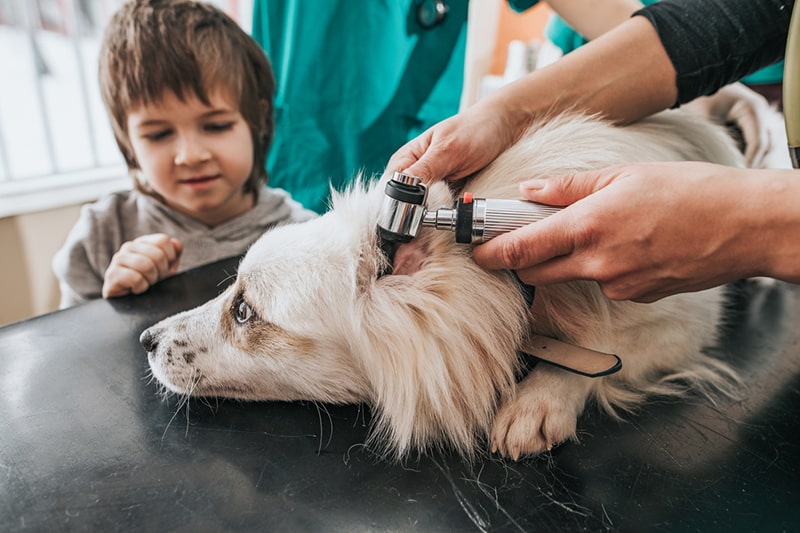
How Veterinarians Diagnose Pneumonia
Diagnosing pneumonia involves a combination of observation and medical testing:
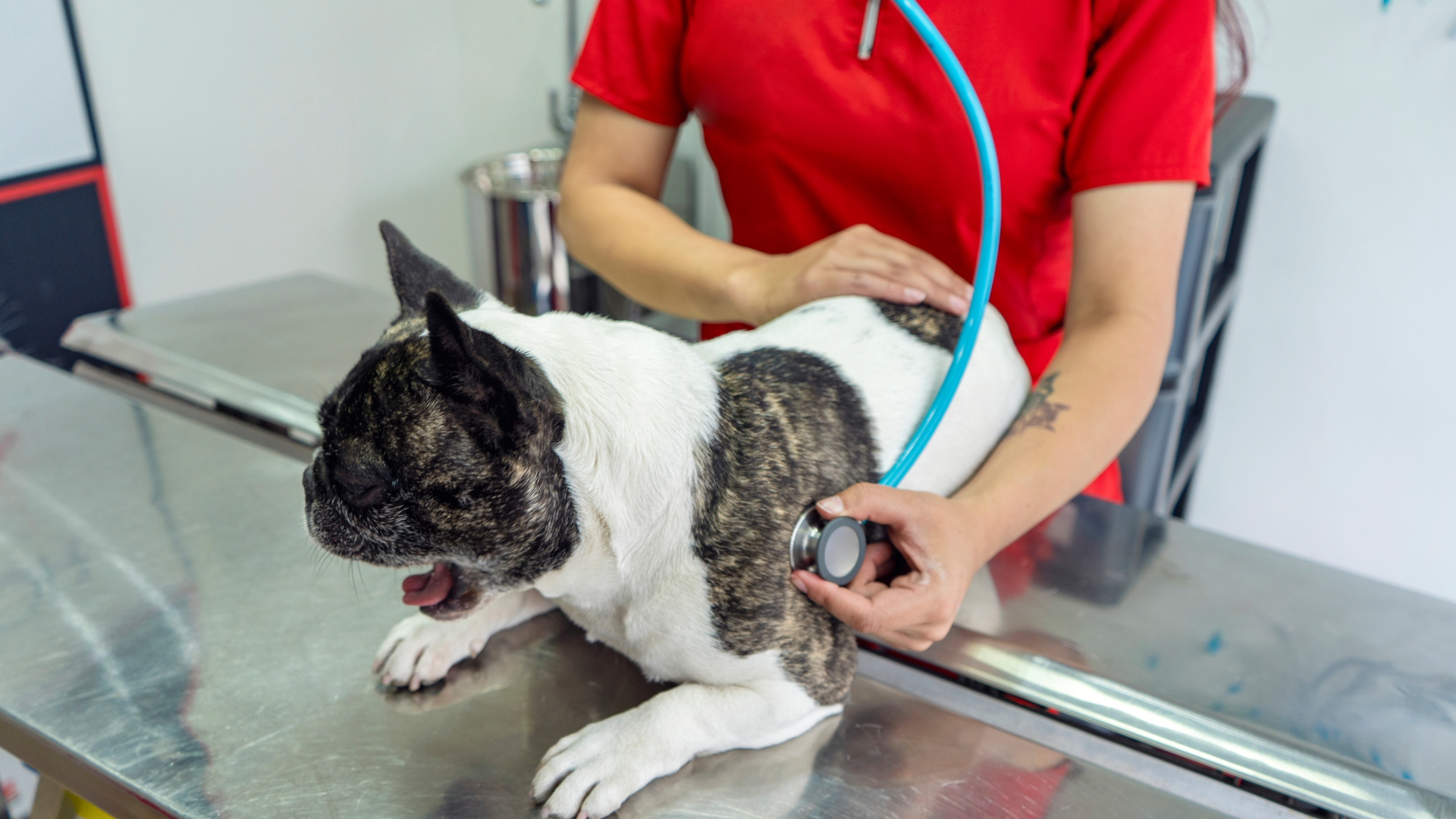
- Physical examination (listening to lung sounds)
- Chest X-rays to detect fluid buildup
- Blood tests to identify infection
- Airway sampling or cultures for precise diagnosis
Early diagnosis significantly improves recovery outcomes.
Treatment Options for Dogs with Pneumonia
Treatment depends on the underlying cause and severity of the condition. In many cases, dogs require professional veterinary care.
1. Medications
- Antibiotics for bacterial infections
- Antifungals for fungal pneumonia
- Bronchodilators to ease breathing
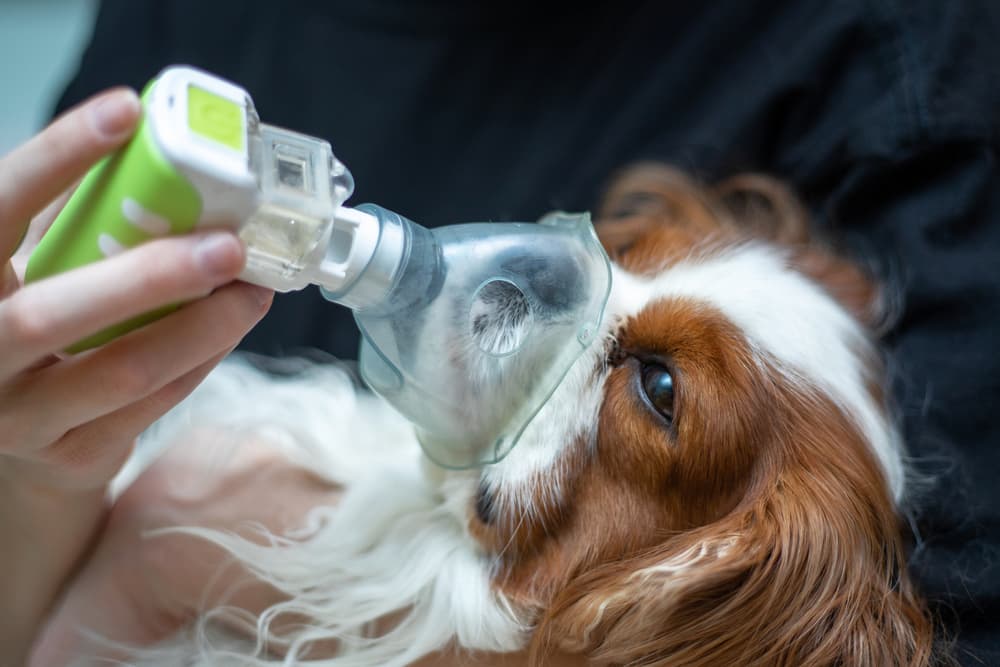
- Nebulizers to deliver medication directly to the lungs
2. Oxygen Therapy
Dogs with severe breathing difficulties may need oxygen support.
3. Fluid Therapy
IV fluids help maintain hydration and support recovery.
4. Hospitalization
Severe cases often require close monitoring in a veterinary clinic.
It’s important to follow your vet’s instructions carefully and complete the full course of treatment—even if your dog appears to improve.
At-Home Care for Dogs with Pneumonia
While veterinary treatment is essential, proper home care plays a crucial role in recovery.
1. Ensure Plenty of Rest
Limit physical activity to reduce strain on your dog’s lungs.
2. Keep Your Dog Hydrated
Provide fresh water at all times. Hydration helps thin mucus and improve breathing.
3. Maintain Proper Nutrition
Offer easy-to-digest, nutrient-rich food to support the immune system.
4. Use Steam Therapy
Let your dog sit in a steamy bathroom for about 10–15 minutes. This helps loosen mucus in the lungs.
5. Perform Coupage (Chest Percussion)
Gently tapping your dog’s chest can help loosen lung congestion—but only after proper instruction from a vet.
6. Monitor Symptoms Closely
Watch for worsening signs such as increased breathing difficulty or refusal to eat.
Recovery Timeline and Prognosis
The recovery time depends on the severity and cause of pneumonia. Many dogs begin to improve within a few days of treatment, but full recovery may take several weeks.
Veterinarians often recommend continuing treatment for at least a week after symptoms disappear to ensure complete healing.
The prognosis is generally good if pneumonia is detected early and treated properly. However, puppies, senior dogs, and those with weakened immune systems are at higher risk of complications.
When to See a Vet Immediately
Seek emergency veterinary care if your dog:
- Has severe difficulty breathing
- Shows blue or pale gums
- Refuses food and water
- Becomes extremely lethargic
- Experiences rapid worsening of symptoms
Pneumonia can progress quickly, so early intervention is critical.
Prevention Tips
While not all cases can be prevented, you can reduce your dog’s risk by:
- Keeping vaccinations up to date
- Avoiding exposure to sick animals
- Maintaining a clean living environment
- Providing a balanced diet
- Scheduling regular veterinary check-ups
FAQ: Dogs with Pneumonia Care
1. Can dogs recover from pneumonia at home?
Mild cases may recover with home care, but most require veterinary treatment to prevent complications.
2. Is pneumonia contagious between dogs?
Some infectious causes (like viruses or bacteria) can spread between dogs, especially in close contact environments.
3. How long does pneumonia last in dogs?
Recovery can take anywhere from a few weeks to over a month, depending on severity.
4. Can I give my dog human medicine?
No. Many human medications are toxic to dogs. Always consult a veterinarian first.
Conclusion
Caring for a dog with pneumonia can be stressful, but with the right knowledge and prompt action, most dogs recover successfully. The key is early detection, proper veterinary treatment, and attentive home care.
By understanding the symptoms and following the right care steps, you can give your dog the best chance at a full and healthy recovery. Always prioritize your pet’s well-being and never hesitate to seek professional help when needed.
Your dog depends on you—and with the right care, they’ll be back to wagging their tail in no time.
Leave a Reply