
Introduction
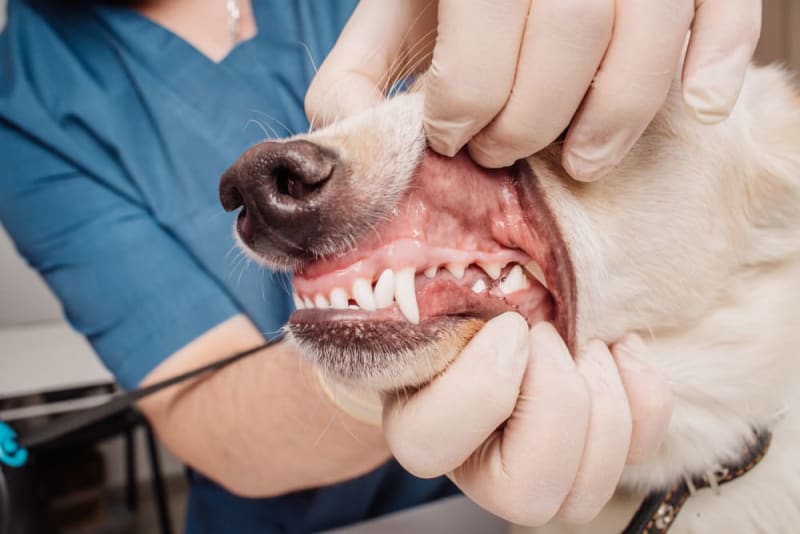
If you’ve ever peeked inside your dog’s mouth—maybe during playtime or while brushing—you’ve probably wondered: how many teeth do dogs actually have? It’s a simple question, but the answer reveals a lot about your dog’s growth, health, and even their wild ancestry.
Dogs don’t just have one set of teeth. Like humans, they go through a transformation from baby teeth to adult teeth, and each stage plays a crucial role in their development. Understanding this process can help you take better care of your furry friend and avoid common dental issues.
Let’s break it all down in a clear, practical way.
How Many Teeth Do Adult Dogs Have?
Adult dogs typically have 42 permanent teeth.
- 20 teeth in the upper jaw
- 22 teeth in the lower jaw
That’s actually more than humans, who usually have 32 teeth.
These teeth are designed for a dog’s natural diet and behavior. Even though most modern dogs eat kibble or canned food, their teeth still reflect their ancestry as meat-eaters.
Why Do Dogs Have So Many Teeth?
Dogs need different types of teeth for different jobs:
- Tearing meat
- Chewing food
- Gripping objects
- Grooming themselves
Their mouths are basically multi-purpose tools built for survival.

How Many Teeth Do Puppies Have?
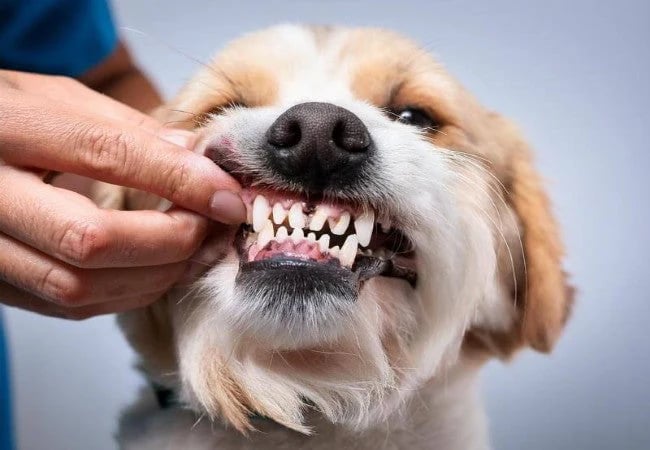
Puppies start life with 28 baby teeth, also called deciduous teeth.
Here’s how it works:
- Puppies are born without teeth
- Teeth begin to appear at around 3–4 weeks old
- By 8–10 weeks, most puppy teeth are in place
These tiny teeth are super sharp (you’ve probably felt that during play!). But they don’t last long.
When Do Puppies Lose Their Teeth?
Puppies begin losing their baby teeth at around 3–4 months old, making way for adult teeth.
- The process usually starts around 12 weeks
- By 6 months, most dogs have all 42 adult teeth
During this stage, your puppy may:
- Chew on everything
- Have sore gums
- Lose small teeth around the house
This is completely normal.
Types of Dog Teeth and Their Functions
Dogs have four main types of teeth, each with a specific purpose.
1. Incisors (Front Teeth)
- Total: 12 (6 top, 6 bottom)
- Used for: nibbling, grooming, picking things up
2. Canines (Fangs)
- Total: 4
- Used for: gripping and tearing
These are the long, sharp teeth you notice most.
3. Premolars
- Total: 16
- Used for: cutting and shearing food
4. Molars
- Total: 10
- Used for: grinding and crushing food
Special Mention: Carnassial Teeth
These are specialized teeth (a combo of premolars and molars) that act like scissors to slice through meat.

Why Dog Dental Health Matters
It’s easy to overlook your dog’s teeth—but that can lead to serious problems.
Poor dental hygiene can cause:
- Plaque and tartar buildup
- Gum disease (gingivitis)
- Periodontal disease
- Pain while eating
In severe cases, dental issues can even affect your dog’s overall health.
Common Dental Problems in Dogs
1. Plaque and Tartar
Plaque is a sticky film of bacteria that hardens into tartar if not removed.
2. Gum Disease
Inflamed gums can lead to infection and tooth loss.
3. Broken Teeth
Dogs often chew hard objects, which can crack teeth.
4. Retained Baby Teeth
Sometimes puppy teeth don’t fall out, causing overcrowding.
How to Take Care of Your Dog’s Teeth
Keeping your dog’s teeth healthy doesn’t have to be complicated.
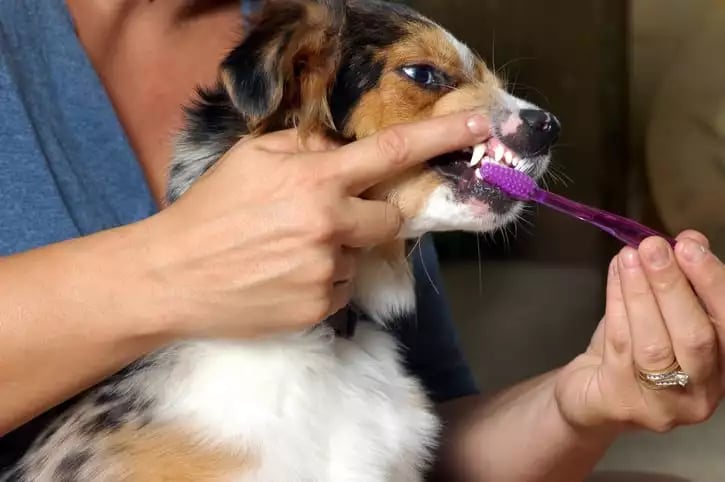
1. Brush Their Teeth Regularly
Yes—dogs need brushing too!
Brushing removes plaque before it becomes tartar.
2. Use Dental Chews
Special chews can help reduce plaque buildup.
3. Schedule Vet Checkups
Professional cleanings may be needed occasionally.
4. Provide Safe Chew Toys
Chewing helps naturally clean teeth—but avoid overly hard objects.
Signs Your Dog May Have Dental Issues
Watch for these warning signs:
- Bad breath
- Red or bleeding gums
- Difficulty eating
- Loose or missing teeth
- Excessive drooling
If you notice any of these, it’s best to consult a vet.
Fun Facts About Dog Teeth
- Dogs have more teeth than humans (42 vs. 32)
- Cavities are rare in dogs compared to people
- Their teeth are designed for tearing, not grinding like ours
- Adult teeth start forming before birth
FAQ
Do all dogs have 42 teeth?
Most adult dogs do, but some may have fewer due to genetics or dental issues.
Is it normal for dogs to lose teeth?
Puppies—yes. Adult dogs—no (unless there’s a problem).
Do small dogs have fewer teeth?
No, even small breeds typically have 42 adult teeth.
When should I start brushing my dog’s teeth?
As early as possible—ideally when they’re still a puppy.
Conclusion
So, how many teeth do dogs have?
- Puppies: 28 teeth
- Adults: 42 teeth
Understanding this simple fact can help you better care for your dog’s health. Teeth aren’t just for chewing—they’re essential for your dog’s comfort, nutrition, and overall well-being.
Taking a few minutes each week to care for your dog’s teeth can prevent serious problems later on. And trust me—your dog may not thank you with words, but you’ll definitely see it in their happy, healthy smile.
Leave a Reply