
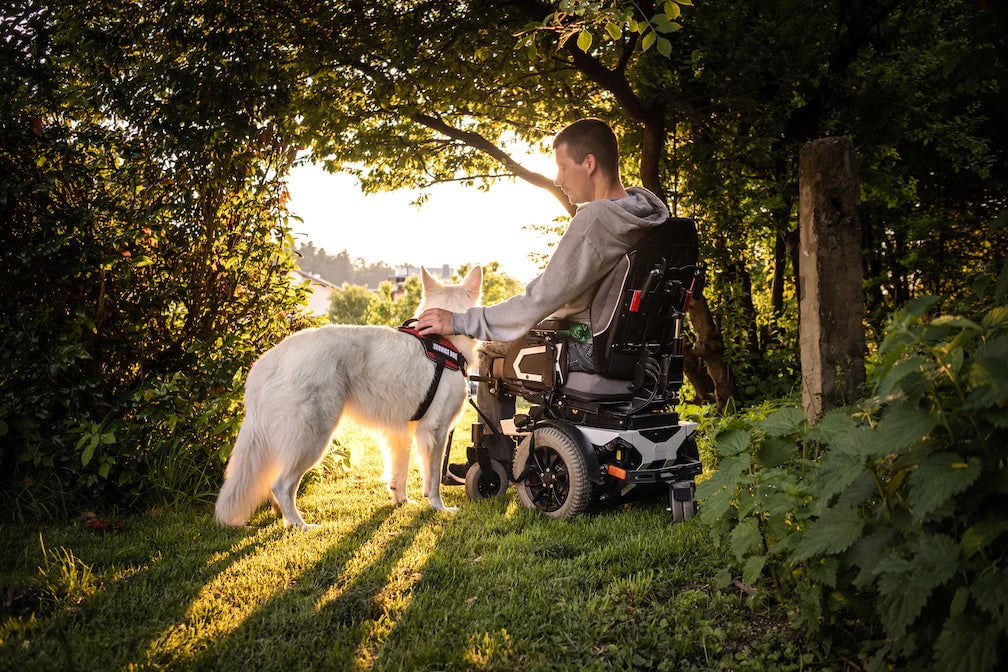
Service dogs are far more than loyal companions—they are highly trained working animals that play a life-changing role for people with disabilities. From guiding individuals who are visually impaired to detecting medical emergencies, these incredible dogs provide independence, safety, and emotional support in ways few other tools can.
As highlighted in expert pet resources, a service dog is specifically trained to perform tasks that directly assist a person with a disability, helping them live more independently and confidently.
In this guide, we’ll explore everything you need to know about service dogs—from what they are and how they’re trained to the different types and the profound impact they have on people’s lives.
What Is a Service Dog?
A service dog is a specially trained dog that performs specific tasks for someone with a disability. These disabilities can be:
- Physical (mobility impairments)
- Sensory (vision or hearing loss)
- Medical (diabetes, seizures)
- Psychiatric (PTSD, anxiety disorders)
Unlike regular pets, service dogs are considered working animals, not companions. Their primary role is to assist their handler in daily life.
Under U.S. law, particularly the Americans with Disabilities Act (ADA), service dogs are granted access to most public places, including restaurants, stores, and transportation.
:strip_icc()/service-dog-ScottOlson-getty-147124797-56a26aad5f9b58b7d0ca0024.jpg)
Service Dogs vs. Emotional Support and Therapy Dogs
Many people confuse service dogs with other types of assistance animals, but there are key differences.
Service Dogs
- Trained to perform specific tasks
- Protected under federal law
- Allowed in public places
Therapy Dogs
- Provide comfort to groups (hospitals, schools)
- Not task-specific
- Limited public access
Emotional Support Animals (ESAs)
- Offer companionship and emotional relief
- Do not require specialized training
- Limited legal access rights
Understanding these distinctions is important to ensure proper respect and treatment for working service dogs.
Types of Service Dogs and What They Do
Service dogs are trained for a wide range of roles depending on their handler’s needs.
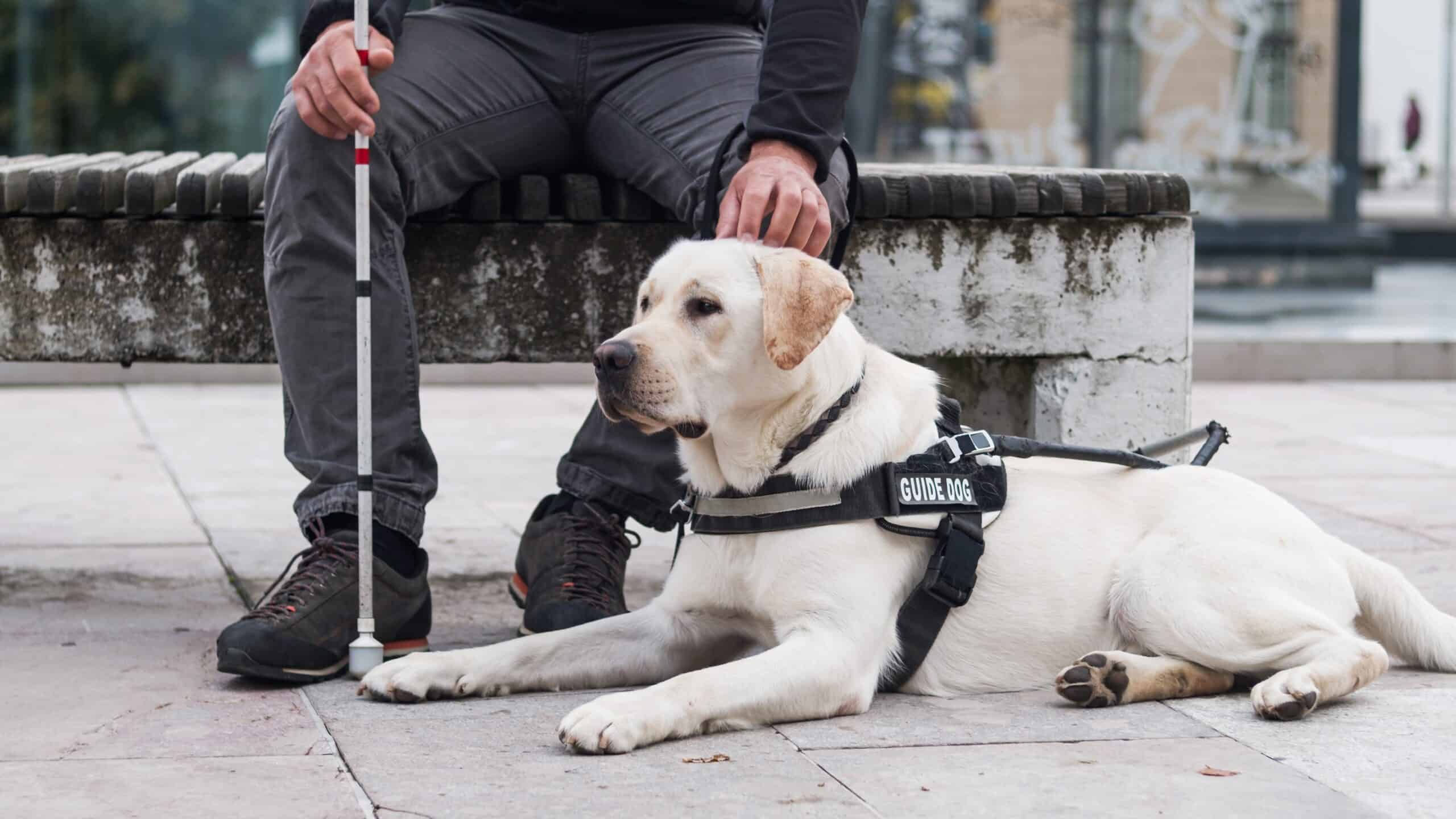
1. Guide Dogs
Guide dogs assist individuals who are blind or visually impaired.
They help with:
- Navigating obstacles
- Crossing streets safely
- Avoiding hazards
These dogs are among the most well-known types of service animals.
2. Hearing Dogs
Hearing dogs support individuals who are deaf or hard of hearing.
They are trained to:
- Alert owners to doorbells or alarms
- Respond to names being called
- Signal important environmental sounds
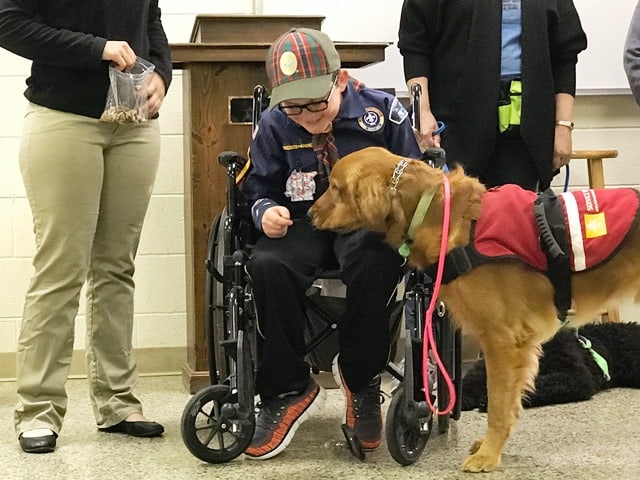
3. Mobility Assistance Dogs
These dogs help people with physical disabilities.
Tasks include:
- Retrieving dropped items
- Opening doors
- Providing balance support
They are especially helpful for individuals with spinal injuries or arthritis.
4. Medical Alert Dogs
Medical alert dogs can detect changes in the body that humans may not notice.
Examples:
- Detecting low blood sugar in diabetics
- Alerting to seizures
- Sensing allergens
These abilities can be life-saving.
5. Psychiatric Service Dogs
Psychiatric service dogs assist individuals with mental health conditions such as PTSD or severe anxiety.
They may:
- Interrupt panic attacks
- Provide grounding during stress
- Remind handlers to take medication
Studies show these dogs can significantly reduce anxiety and depression symptoms.
How Service Dogs Are Trained
Training a service dog is a long and complex process that can take up to 1–2 years.
Training stages include:
1. Early Socialization
Puppies are exposed to different environments, people, and sounds.
2. Basic Obedience
Dogs learn commands like sit, stay, and heel.
3. Advanced Task Training
Dogs are trained for specific tasks tailored to their handler’s needs.
4. Public Access Training
They learn to behave calmly in public spaces without distraction.
Only dogs with the right temperament, intelligence, and focus can succeed in this demanding role.
The Benefits of Service Dogs
Service dogs offer a wide range of physical, emotional, and psychological benefits.
1. Increased Independence
Service dogs allow individuals to perform daily tasks without relying on others.
2. Improved Safety
From guiding through traffic to alerting medical conditions, service dogs help keep their handlers safe.
3. Emotional Support
While not their primary role, service dogs often provide comfort and companionship.
4. Better Mental Health
Studies show service dogs can reduce anxiety, depression, and stress levels—especially in individuals with PTSD.
5. Enhanced Quality of Life
Overall, service dogs empower people to live fuller, more independent lives.
Legal Rights of Service Dogs in the U.S.
Service dogs are protected under the ADA, which grants them:
- Access to public places
- Permission to travel with their handler
- Protection against discrimination
Businesses are allowed to ask only two questions:
- Is the dog required because of a disability?
- What task is the dog trained to perform?
They cannot require documentation or certification.

Common Breeds Used as Service Dogs
While any breed can technically become a service dog, some are more commonly used due to their temperament and intelligence.
Popular breeds include:
- Labrador Retriever
- Golden Retriever
- German Shepherd
- Poodle
These breeds are known for their trainability, calm demeanor, and ability to work closely with humans.
How Much Does a Service Dog Cost?
Service dogs can be expensive due to extensive training and care.
Costs may range from:
- $15,000 to $30,000 or more
However, many nonprofit organizations help cover these costs for individuals in need.
How to Get a Service Dog
If you or someone you know may benefit from a service dog, here are the steps:
- Consult a healthcare provider
- Research reputable training organizations
- Apply for a service dog program
- Complete handler training
It’s important to work with trusted organizations to ensure proper training and certification.
Etiquette Around Service Dogs
When encountering a service dog in public:
- Do not pet or distract the dog
- Do not feed the dog
- Always ask before interacting
Remember, these dogs are working and need to stay focused.
FAQs About Service Dogs
Can any dog become a service dog?
Not all dogs have the temperament or ability required for service work.
Do service dogs need certification?
No official certification is required under the ADA.
Can service dogs go anywhere?
Yes, they are allowed in most public spaces.
How long do service dogs work?
Typically 8–10 years before retirement.
Conclusion
Service dogs are truly extraordinary animals that go far beyond companionship. Through specialized training and strong bonds with their handlers, they provide independence, safety, and improved quality of life for people with disabilities.
As awareness grows, so does appreciation for the incredible work these dogs do every day. Whether guiding someone through a busy street or alerting them to a medical emergency, service dogs prove that the connection between humans and animals can be both powerful and life-changing.
Leave a Reply