Dogs are lovable, loyal companions—but sometimes they do things that leave us scratching our heads. One of the most confusing (and honestly gross) behaviors is when dogs lick pee, whether it’s their own or another dog’s.
If you’ve ever caught your dog doing this, you’re not alone—and more importantly, your dog isn’t “weird.” This behavior is actually more common than most owners realize.
According to veterinary insights, dogs often lick urine as part of their natural instincts, health needs, or behavioral responses.
Let’s break down exactly why dogs lick pee, when it’s normal, and when you should be concerned.
Understanding Why Dogs Lick Urine
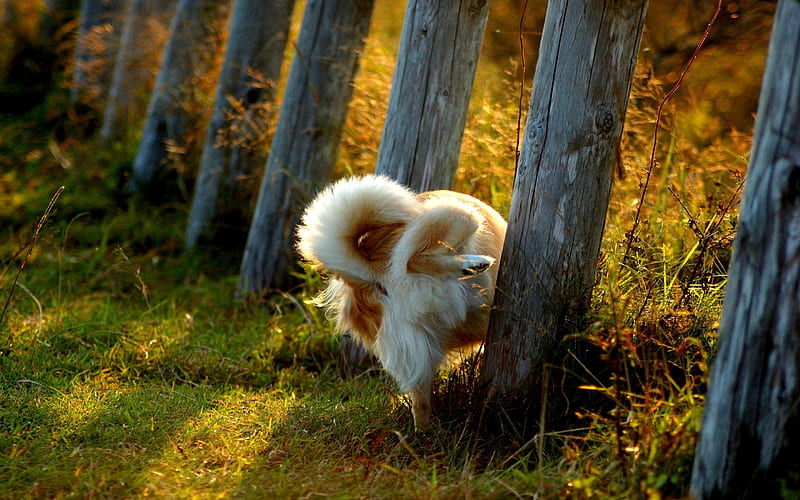
Before jumping into the causes, it helps to understand how dogs experience the world. Dogs rely heavily on their sense of smell—far more than humans do.
They even have a specialized organ called the vomeronasal organ, which helps them detect chemical signals (pheromones). This allows dogs to “read” information about other animals through scent—especially urine.
So while it may seem disgusting to us, to a dog, urine is like a biological message board full of useful information.
:strip_icc()/dog-peeing-on-lamppost-560490983-2687b20df1724a7f9d301fb1e0112f78.jpg)
5 Common Reasons Why Dogs Lick Pee
1. Dehydration (They’re Just Thirsty)
One of the simplest explanations is dehydration. If your dog doesn’t have enough access to clean water, they may turn to any available liquid—including urine.
Dogs don’t think about hygiene the same way humans do. If they’re thirsty enough, they’ll drink whatever is accessible.
Signs your dog may be dehydrated include:
- Dry gums
- Lethargy
- Sunken eyes
- Reduced appetite
👉 If you notice this behavior, always check your dog’s water supply first.
2. Stress or Learned Behavior
Dogs can develop odd habits when they’re stressed, confused, or dealing with changes in routine.
For example:
- Being left alone too long
- Moving to a new home
- Changes in schedule
- Anxiety or fear
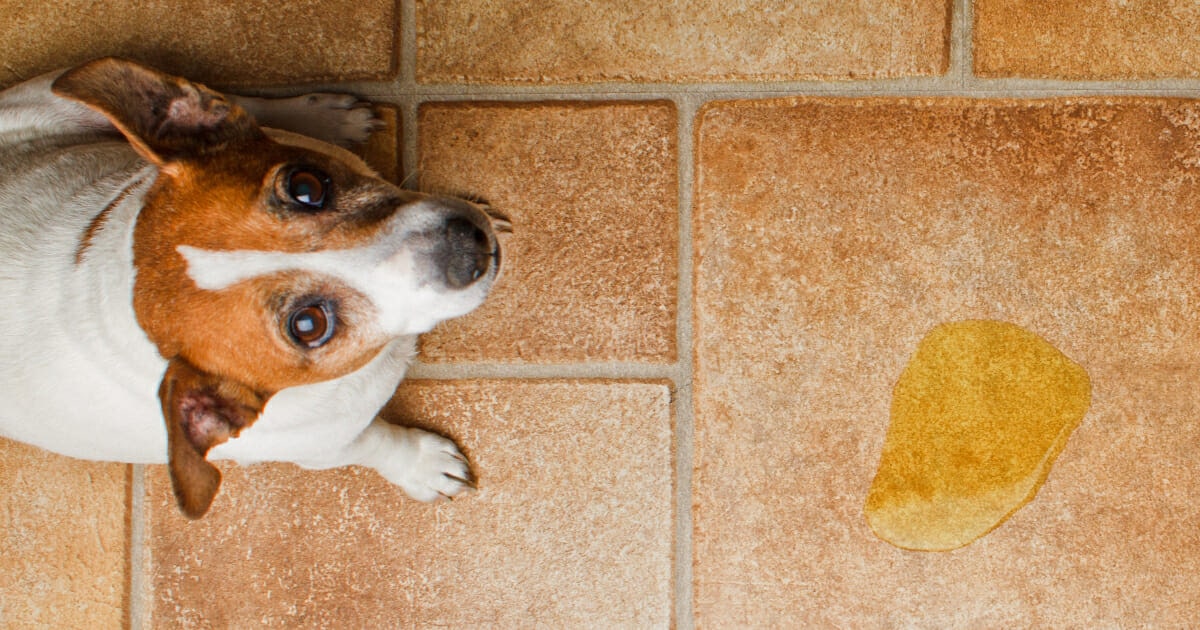
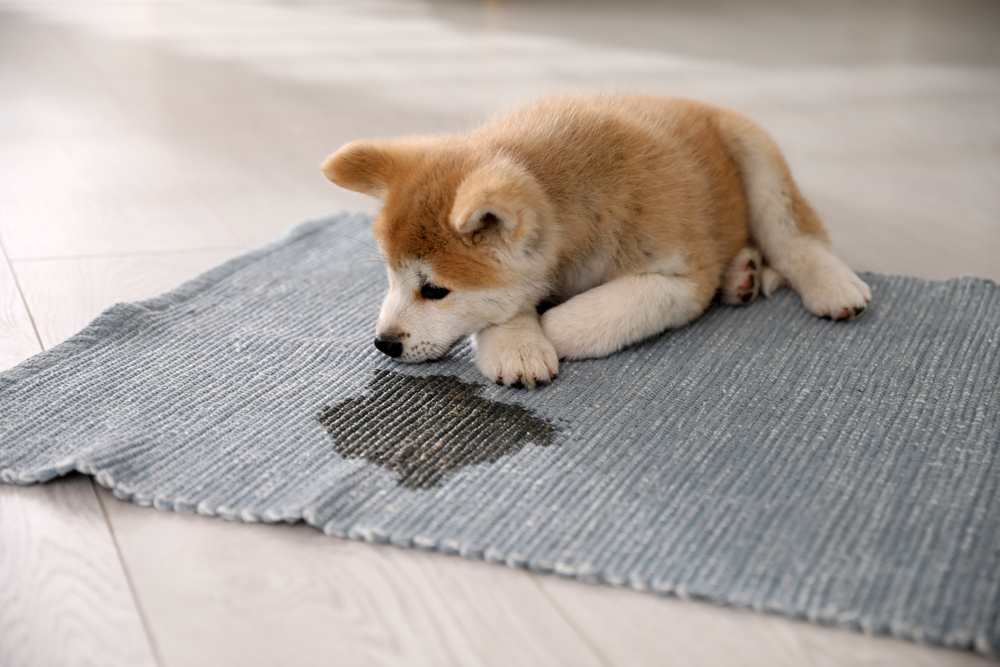
Some dogs may lick their urine after having an accident indoors. This can be a response to stress or even a learned behavior if they associate accidents with punishment.
In some cases, it may even look like they’re trying to “clean up” after themselves.

3. Medical Conditions (Like Cushing’s Disease)
Certain health issues can increase thirst and urination, which may lead to urine licking.
One example is Cushing’s syndrome, a hormonal disorder that causes:
- Excessive thirst
- Frequent urination
- Increased appetite
Dogs with this condition may have more accidents and may lick urine simply because it’s more available.
⚠️ If your dog suddenly starts drinking more water or having accidents, it’s important to consult a veterinarian.
4. Urinary Tract Infections (UTIs)
Urinary tract infections are another common cause.
Dogs with UTIs often:
- Urinate more frequently
- Feel urgency to go
- Experience discomfort
- Drink more water
Because of increased thirst and frequent urination, they may lick urine more often.
Other warning signs include:
- Blood in urine
- Straining to urinate
- Cloudy or strong-smelling urine
5. Pica (Compulsive Behavior)
Pica is a condition where dogs eat or lick non-food items.
This can include:
- Rocks
- Paper
- Plastic
- Even urine
Pica may be caused by:
- Nutritional deficiencies
- Stress or boredom
- Underlying medical issues
- Behavioral disorders
Dogs with pica may become fixated on unusual substances, including urine.
Why Dogs Lick Other Dogs’ Pee
As strange as it sounds, this behavior is actually completely normal in dogs.
When dogs lick another dog’s urine, they’re gathering detailed information such as:
- Gender
- Reproductive status
- Health condition
- Identity
It’s basically their version of reading someone’s profile.
Even though it seems gross to us, this is considered normal social behavior in dogs.
Is It Dangerous for Dogs to Lick Pee?
In most cases, licking small amounts of urine isn’t immediately harmful. However, there are some risks to be aware of.
Potential Health Risks:
- Exposure to bacteria
- Risk of infections
- Possible diseases like leptospirosis (from contaminated urine)
The risk is higher if your dog is licking urine from unknown animals, especially outdoors.
How to Stop Your Dog From Licking Pee
The key to stopping this behavior is understanding the cause. Here are some practical steps:
1. Visit Your Veterinarian
If the behavior appears suddenly or frequently, rule out medical issues first. Conditions like UTIs or hormonal imbalances need proper treatment.
2. Provide Constant Access to Fresh Water
Make sure your dog always has clean drinking water available.
You can:
- Place multiple water bowls around your home
- Refill regularly
- Monitor daily intake
This simple step can prevent dehydration-related urine licking.
3. Reinforce Proper Training
If the issue is behavioral, retraining can help.
Tips include:
- Reward your dog for going potty outside
- Use positive reinforcement
- Avoid punishment (which can increase anxiety)
Consistency is key.
4. Increase Mental Stimulation
Dogs that are bored or anxious are more likely to develop odd habits.
Try:
- Puzzle toys
- Regular walks
- Interactive play
- Training sessions
Keeping your dog mentally engaged reduces compulsive behaviors.
5. Supervise Outdoor Activities
If your dog tends to lick other dogs’ urine:
- Keep them on a leash
- Use commands like “leave it”
- Redirect attention quickly
Training combined with supervision can significantly reduce the behavior.
When Should You Be Concerned?
You should take action if:
- The behavior is sudden or excessive
- Your dog shows signs of illness
- There are frequent accidents indoors
- You notice changes in thirst or appetite
These could indicate an underlying health issue that requires attention.
Final Thoughts
While it may seem gross, dogs licking pee is often normal behavior driven by instinct, curiosity, or basic needs.
However, it can also signal:
- Dehydration
- Stress
- Behavioral issues
- Medical conditions
The key is to observe your dog carefully and address the root cause.
With proper care, training, and attention, you can help your dog stay healthy—and avoid this unpleasant habit.
Leave a Reply