
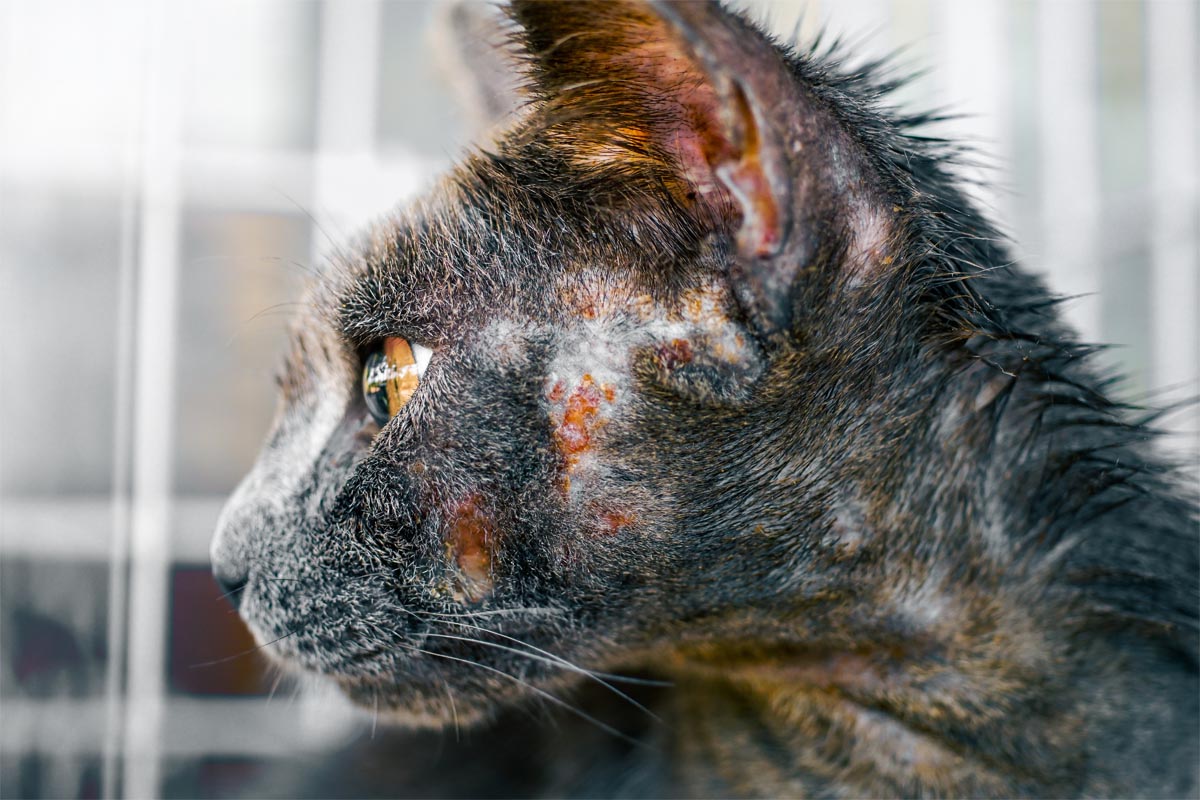
A cat’s soft and fluffy coat is one of its most recognizable features, so noticing bald patches or thinning fur can be alarming for any pet owner. Hair loss in cats, also known as feline alopecia, can happen for many different reasons. Some causes are mild and easy to treat, while others may point to underlying health problems that require veterinary attention.
Cats naturally shed throughout the year, but excessive fur loss or visible bald spots are not considered normal. Whether the hair loss appears around the ears, belly, tail, or legs, understanding the root cause is the first step toward helping your furry friend recover.
In this guide, we’ll explore the most common causes of bald spots in cats, available treatment options, prevention strategies, and signs that mean it’s time to call the vet.
What Causes Bald Spots on Cats?
There are many reasons why a cat may lose fur. Some conditions cause itchiness and overgrooming, while others directly damage the hair follicles or skin.
1. Fleas and Flea Allergies
Fleas are one of the leading causes of skin irritation and hair loss in cats. Even indoor cats can occasionally get fleas. Some cats develop Flea Allergy Dermatitis (FAD), which causes an intense allergic reaction to flea saliva. This often leads to excessive scratching, licking, and bald patches, especially near the tail, lower back, and hind legs.
Common signs include:
- Constant scratching
- Red or irritated skin
- Tiny black flea dirt particles
- Hair thinning around the back and tail
Treatment
Treating fleas requires more than removing visible insects from the cat. Veterinarians often recommend prescription flea prevention products and thorough cleaning of the home environment because flea eggs and larvae can survive for months.
2. Ringworm
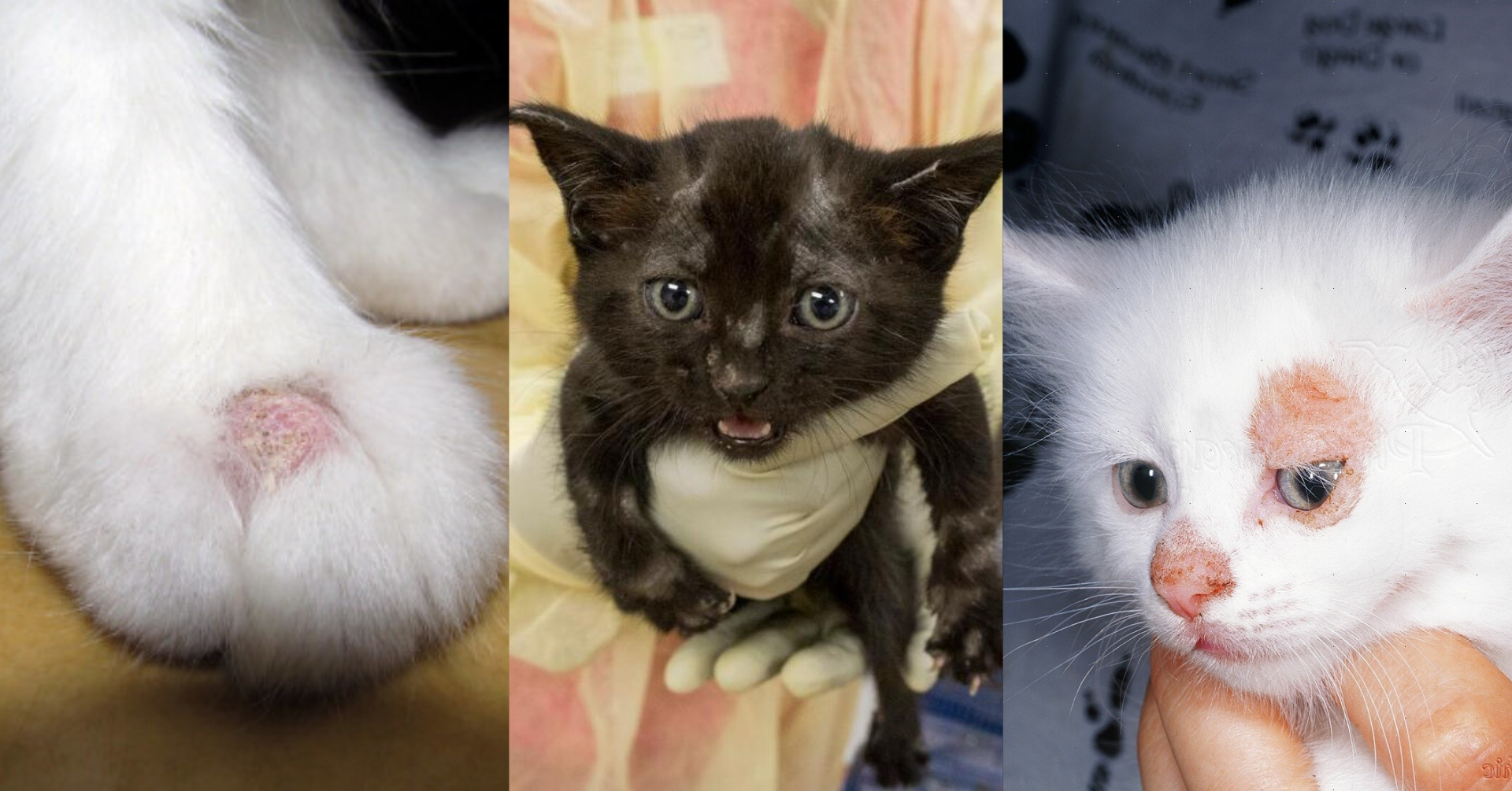
Despite its name, ringworm is not caused by worms. It’s a contagious fungal infection that affects the skin, fur, and nails. Ringworm typically creates circular bald spots with dry, flaky skin.
This condition spreads easily between pets and humans, making early treatment important.
Symptoms
- Circular bald patches
- Dry or crusty skin
- Broken hairs
- Mild itchiness
Treatment
Veterinarians may prescribe antifungal creams, medicated shampoos, or oral medications depending on the severity of the infection. Keeping bedding and surfaces clean is also essential.
3. Allergies
Cats can suffer from allergies just like humans. Food allergies, environmental allergens, and contact irritants may trigger skin inflammation and excessive grooming.
Common allergens include:
- Pollen
- Dust mites
- Mold
- Certain proteins in cat food
- Cleaning products
Cats with allergies often lose fur around the face, neck, ears, or belly.
Treatment
Treatment usually depends on identifying the allergen. Vets may recommend:
- Hypoallergenic diets
- Antihistamines
- Steroids
- Environmental adjustments
4. Stress and Anxiety
Stress can significantly affect a cat’s grooming behavior. Some cats excessively lick or chew their fur when anxious, leading to bald spots. This condition is known as psychogenic alopecia.
Stress triggers may include:
- Moving to a new home
- Changes in routine
- New pets
- Loud noises
- Boredom
Online cat communities frequently report stress-related overgrooming when routines suddenly change.
Signs of Stress Grooming
- Symmetrical bald patches
- Excessive licking
- No visible rash or parasites
- Hair loss on the belly or legs
Treatment
Reducing stress can help stop the behavior. Helpful strategies include:
- Interactive toys
- More playtime
- Stable routines
- Calming pheromone diffusers
- Extra hiding spaces
In severe cases, vets may recommend anxiety medication.
:strip_icc()/portrait-of-tabby-cat-hiding-under-wardrobe-1163452985-ec61be383ae746e0a591fee6027c73a8.jpg)
5. Mange and Mites
Mites are microscopic parasites that can cause severe itchiness and hair loss. Certain types of mange are highly contagious among animals.
Symptoms often include:
- Scabs
- Crusty skin
- Intense scratching
- Hair loss around the ears, face, and neck
Treatment
Veterinarians diagnose mites through skin scrapings and prescribe medicated treatments or parasite preventatives.
6. Skin Infections and Abscesses
Bacterial infections and abscesses can create localized bald patches. Outdoor cats are especially vulnerable due to fights and scratches from other animals.
Signs may include:
- Swelling
- Oozing wounds
- Redness
- Painful skin
Treatment
Most infections require antibiotics and proper wound cleaning. Severe abscesses may need drainage by a veterinarian.
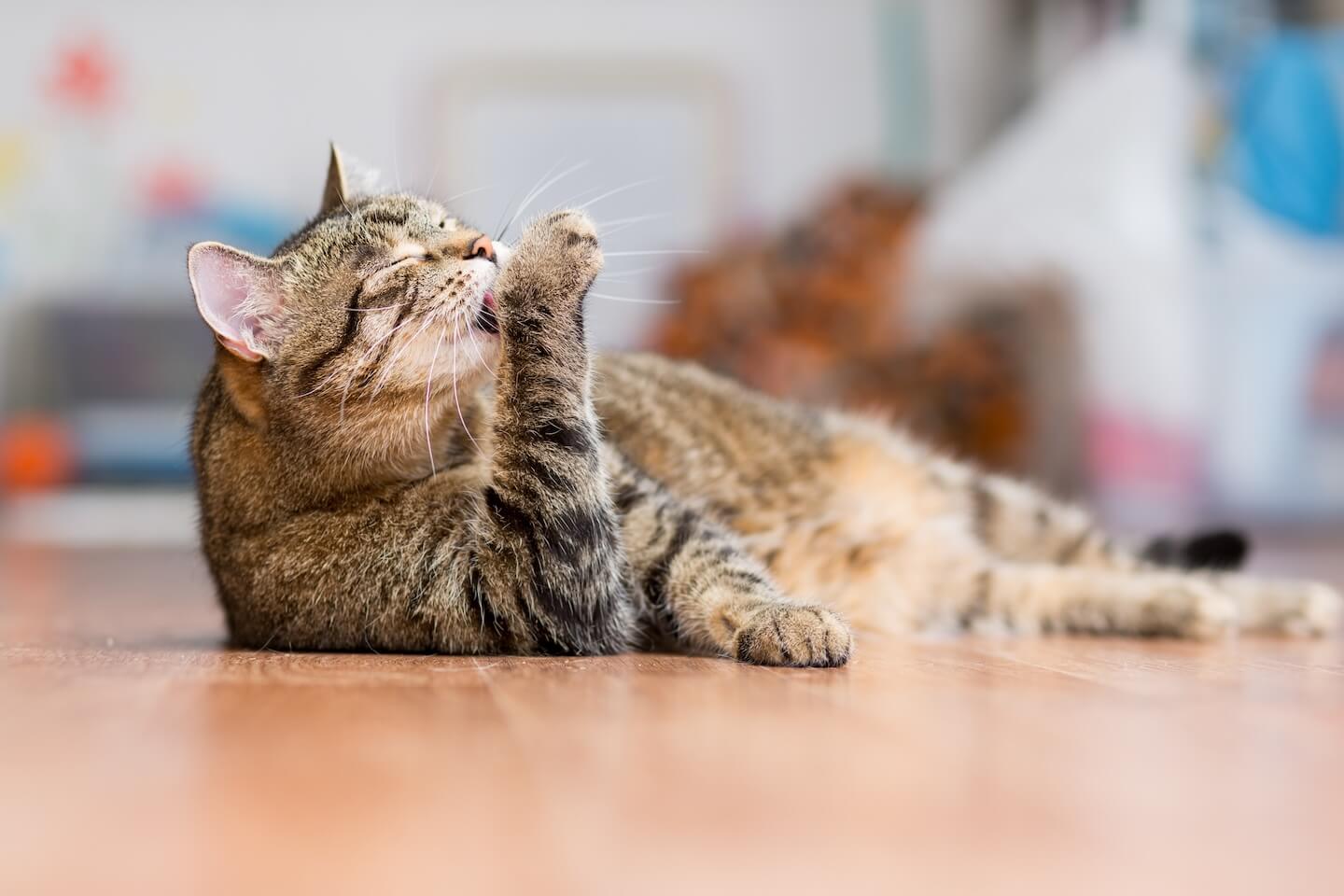
7. Overgrooming
Cats are naturally clean animals, but excessive grooming can become harmful. Overgrooming may happen because of:
- Skin irritation
- Pain
- Digestive problems
- Neurological conditions
- Habitual behavior
Over time, repeated licking damages hair follicles and creates smooth bald patches.
Treatment
Treatment depends on identifying the root cause. Sometimes pain management, behavioral therapy, or environmental changes are necessary.
8. Hormonal Imbalances
Though less common, hormonal conditions can contribute to hair loss in cats. Disorders involving the thyroid gland or adrenal glands may cause thinning fur and poor coat quality.
Symptoms
- Weight changes
- Increased thirst
- Lethargy
- Symmetrical hair loss
Treatment
Blood tests are usually required to diagnose hormonal disorders. Treatment may include medication or dietary changes.
9. Poor Nutrition
A healthy coat requires proper nutrition. Cats lacking essential fatty acids, vitamins, or protein may develop dull fur and bald patches.
Low-quality diets can sometimes worsen skin conditions or allergies.
Prevention
Feed your cat a balanced, high-quality diet rich in:
- Animal protein
- Omega-3 fatty acids
- Vitamins and minerals
Fresh water and regular vet checkups also support skin health.
10. Eosinophilic Granuloma Complex (EGC)
This inflammatory skin condition causes raised lesions and irritated skin that may result in hair loss. It is often linked to allergic reactions.
Symptoms
- Red sores
- Swollen lesions
- Bald patches
- Mouth ulcers
Treatment
Treatment often involves steroids, allergy management, and preventing secondary infections.
When Should You Worry About Bald Spots?
Some mild fur thinning may resolve on its own, but certain symptoms should never be ignored.
Contact a veterinarian if your cat has:
- Rapidly spreading bald patches
- Bleeding or infected skin
- Severe itching
- Changes in appetite or behavior
- Weight loss
- Open sores
- Persistent licking or scratching
Hair loss can sometimes signal serious health problems that require professional care.
How Veterinarians Diagnose Hair Loss in Cats
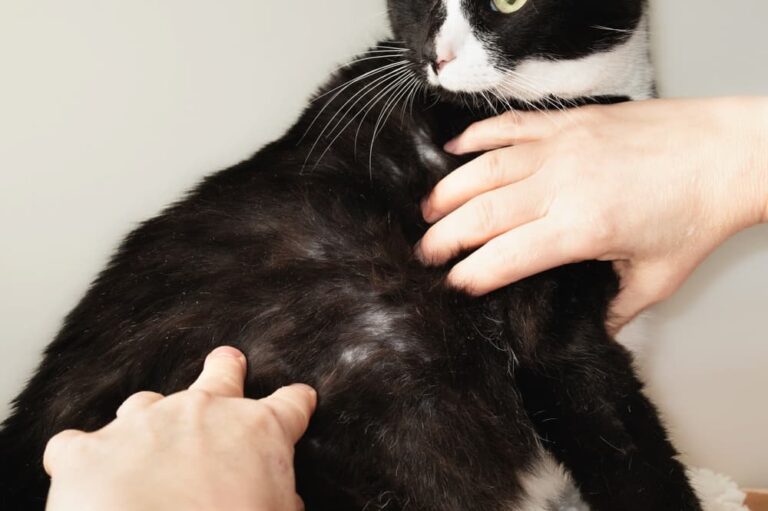
To determine the cause of alopecia, vets may perform:
- Skin scrapings
- Fungal cultures
- Blood tests
- Allergy testing
- Flea checks
- Skin biopsies
A proper diagnosis is important because many skin conditions look similar at first glance.
How to Prevent Bald Spots on Cats
While not every cause can be prevented, there are several ways to reduce the risk of hair loss.
Keep Up With Flea Prevention
Year-round flea prevention is one of the best ways to protect your cat’s skin.
Reduce Stress
Cats thrive on routine. Providing a calm, predictable environment can help prevent stress-related grooming.
Feed a Healthy Diet
Quality nutrition supports healthy skin and fur growth.
Schedule Regular Vet Visits
Routine exams help identify problems early before hair loss becomes severe.
Groom Your Cat Regularly
Brushing helps remove loose fur and allows you to spot skin problems early.
Can Bald Spots Grow Back?
In many cases, yes. Once the underlying issue is treated, fur often regrows over several weeks or months. However, severe infections or chronic skin damage may permanently affect hair follicles.
Early treatment usually leads to the best outcome.
Final Thoughts
Bald spots on cats can range from harmless overgrooming to serious medical conditions. Fleas, allergies, fungal infections, stress, and skin disorders are among the most common causes. While some mild cases improve with home care and environmental changes, persistent or worsening hair loss should always be evaluated by a veterinarian.
Monitoring your cat’s grooming habits, diet, and skin condition can help you catch problems early and keep your feline companion healthy, comfortable, and fluffy for years to come.
Leave a Reply