
Cat owners are always searching for healthy ways to keep their pets hydrated and happy. As coconut water continues growing in popularity among humans for its electrolytes and hydration benefits, many people naturally wonder whether it’s safe for cats too.
The short answer is yes — cats can technically drink small amounts of coconut water because it is not toxic. However, that doesn’t necessarily mean it’s a good everyday drink for felines. Veterinary experts warn that coconut water may cause digestive upset, electrolyte imbalances, and other health concerns when consumed too often or in large amounts.
Cats have very different nutritional needs than humans. While people may enjoy coconut water after workouts or during hot weather, cats usually gain little benefit from it. In fact, plain fresh water remains the healthiest and safest hydration option for almost every cat.
Before pouring your cat a bowl of coconut water, it’s important to understand the possible benefits, risks, and safer alternatives.
What Is Coconut Water?
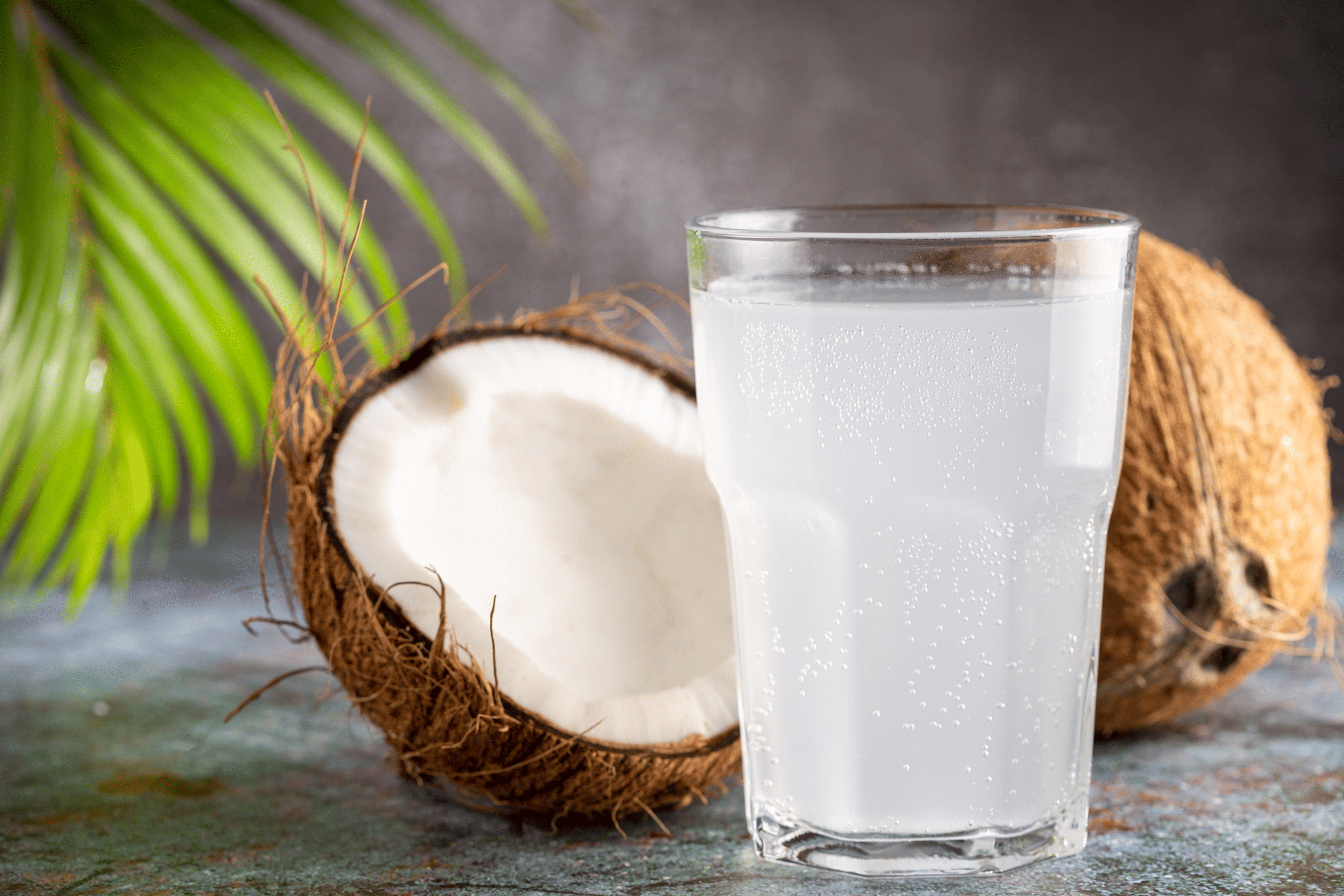
Coconut water is the clear liquid naturally found inside young green coconuts. It contains electrolytes such as potassium and magnesium along with natural sugars and carbohydrates. Many humans drink coconut water because it helps replenish fluids after exercise or dehydration.
It’s important not to confuse coconut water with other coconut products:
- Coconut water = natural liquid inside coconuts
- Coconut milk = made from blended coconut flesh and water
- Coconut oil = extracted fat from coconuts
- Coconut flesh = the white edible meat inside the shell
Each product affects cats differently, and some may create more digestive problems than others.
Is Coconut Water Safe for Cats?
According to veterinary-reviewed sources, coconut water is not toxic to cats in small amounts. If your cat accidentally licks a little coconut water, there is usually no need to panic.
However, “non-toxic” does not automatically mean “healthy” or “recommended.” Experts generally agree that coconut water should only be offered occasionally, if at all.
Cats are obligate carnivores, meaning their bodies are designed to thrive primarily on animal protein. Unlike humans, they do not need sugary drinks, fruit beverages, or electrolyte drinks in their regular diet.
While some cats tolerate tiny amounts without issues, others may develop vomiting, diarrhea, or stomach discomfort very quickly.
Potential Benefits of Coconut Water for Cats
Although veterinarians don’t usually recommend coconut water as part of a cat’s normal diet, there are a few possible benefits in very small amounts.
1. Hydration Support
Coconut water contains fluids and electrolytes that may help with mild hydration. Some pet owners consider offering small amounts when cats are reluctant to drink water.
Cats naturally have a low thirst drive because their ancestors obtained much of their moisture from prey. This explains why some cats rarely visit their water bowls.
However, coconut water should never replace regular drinking water.

2. Electrolytes
Coconut water contains potassium, magnesium, and sodium. These electrolytes help regulate fluid balance in the body.
In humans, electrolyte drinks can help after exercise or dehydration. But cats process nutrients differently, and too many electrolytes may actually create problems instead of benefits.
3. Occasional Treat
Some cats enjoy investigating unusual flavors and smells. A tiny taste of unsweetened coconut water may serve as a harmless occasional treat for healthy cats.
Still, most experts emphasize moderation.
Risks of Giving Coconut Water to Cats
Despite the possible hydration benefits, coconut water also comes with several risks that cat owners should understand.
1. Digestive Upset
Digestive problems are one of the most common side effects associated with coconut water in cats. Symptoms may include:
- Vomiting
- Diarrhea
- Gas
- Stomach discomfort
- Loss of appetite
Veterinary experts explain that some cats are more sensitive than others, especially when introduced to new foods or drinks too quickly.
Ironically, if coconut water causes diarrhea or vomiting, your cat could become even more dehydrated.
2. High Potassium Levels
One of the biggest concerns with coconut water is its potassium content. While potassium is an important mineral, too much can become dangerous for cats with kidney disease or urinary issues.
Excess potassium may contribute to a condition called hyperkalemia, which can affect:
- Muscle function
- Heart rhythm
- Weakness levels
- Nervous system health
Severe electrolyte imbalances can become serious medical emergencies.
3. Sugar Content
Even natural coconut water contains more sugar than plain water. Some commercial brands contain added sweeteners or flavorings that are unsuitable for cats.
Too much sugar may contribute to:
- Weight gain
- Obesity
- Diabetes risk
- Digestive issues
Cats cannot taste sweetness the same way humans do, so sugary drinks provide little value to them nutritionally.
4. Allergic Reactions or Sensitivities
Although uncommon, some cats may experience allergic reactions or sensitivities to coconut products. Symptoms might include:
- Itching
- Redness
- Swelling
- Vomiting
- Lethargy
If your cat shows unusual symptoms after trying coconut water, contact your veterinarian immediately.
Which Cats Should Avoid Coconut Water?
Some cats face higher risks and should avoid coconut water entirely unless a veterinarian specifically approves it.
These include:
- Cats with kidney disease
- Diabetic cats
- Overweight cats
- Senior cats with medical conditions
- Cats with digestive disorders
- Cats prone to urinary problems
Veterinary experts especially warn against giving coconut water regularly to cats with kidney issues due to the potassium content.
Kittens should also avoid coconut water because their digestive systems are more delicate.
Can Cats Drink Coconut Milk Instead?
Many cat owners assume coconut milk is safer than dairy milk. While coconut milk is non-toxic, veterinarians generally do not recommend it for cats either.
Coconut milk contains high fat levels that may lead to:
- Diarrhea
- Weight gain
- Pancreatitis
- Digestive upset
Cats are also commonly lactose intolerant, so switching from cow’s milk to coconut milk doesn’t necessarily solve nutritional concerns.
Overall, fresh water remains the safest option.

What About Coconut Oil?
Coconut oil is another popular coconut product discussed among pet owners. Some people use it topically on cats’ fur or skin for moisturizing benefits.
A few owners also add tiny amounts to food, although veterinary opinions remain mixed. Excess coconut oil may cause:
- Weight gain
- Digestive upset
- Pancreatitis risk
Experts recommend consulting a veterinarian before introducing coconut oil into your cat’s diet.
Better Ways to Keep Your Cat Hydrated
If your goal is helping your cat drink more fluids, there are safer and more effective methods than coconut water.
1. Provide Fresh Water Daily
Cats prefer clean, fresh water. Replacing water once or twice daily may encourage more drinking.
2. Try a Cat Water Fountain
Many cats prefer moving water instead of still bowls. Pet fountains can increase curiosity and hydration.
3. Feed Wet Food
Wet cat food contains significantly more moisture than dry kibble and can help maintain hydration naturally.
4. Change Bowl Placement
Cats may avoid bowls placed near litter boxes or noisy areas. Some prefer wide, shallow bowls that don’t touch their whiskers.
5. Add Safe Flavor Enhancers
A few drops of tuna water or low-sodium broth may encourage drinking more effectively than coconut water.
What Cat Owners Are Saying Online
Online discussions about coconut water for cats often show mixed opinions. Some Reddit users mention offering tiny amounts occasionally without issues, while others warn strongly against it because of potassium and sugar levels.
One Reddit commenter explained:
“Your cat needs water, not coconut water.”
Many experienced pet owners suggest focusing on fountains, wet food, and improved hydration habits instead of introducing unusual drinks.
Signs Your Cat May Be Dehydrated
If you’re concerned about hydration, watch for these symptoms:
- Dry gums
- Lethargy
- Sunken eyes
- Loss of appetite
- Reduced skin elasticity
- Panting
- Constipation
Dehydration in cats can become serious quickly, especially during illness or hot weather. If you suspect dehydration, contact your veterinarian instead of relying on home remedies.
Final Thoughts
So, can cats drink coconut water? Technically yes — but only in very small amounts and only occasionally. Coconut water is not toxic to cats, but it also isn’t necessary or particularly beneficial for most felines. Veterinary experts warn that too much may cause digestive upset, excess potassium intake, or other health problems.
The healthiest drink for cats will always be fresh, clean water. If your cat struggles with hydration, safer solutions like water fountains, wet food, and better bowl placement are usually more effective than coconut water.
When in doubt, talk with your veterinarian before introducing any new food or drink into your cat’s routine. A cautious approach helps keep your feline healthy, hydrated, and safe.
Leave a Reply