

Every dog owner knows the sound.
Scratch.
Scratch.
Scratch.
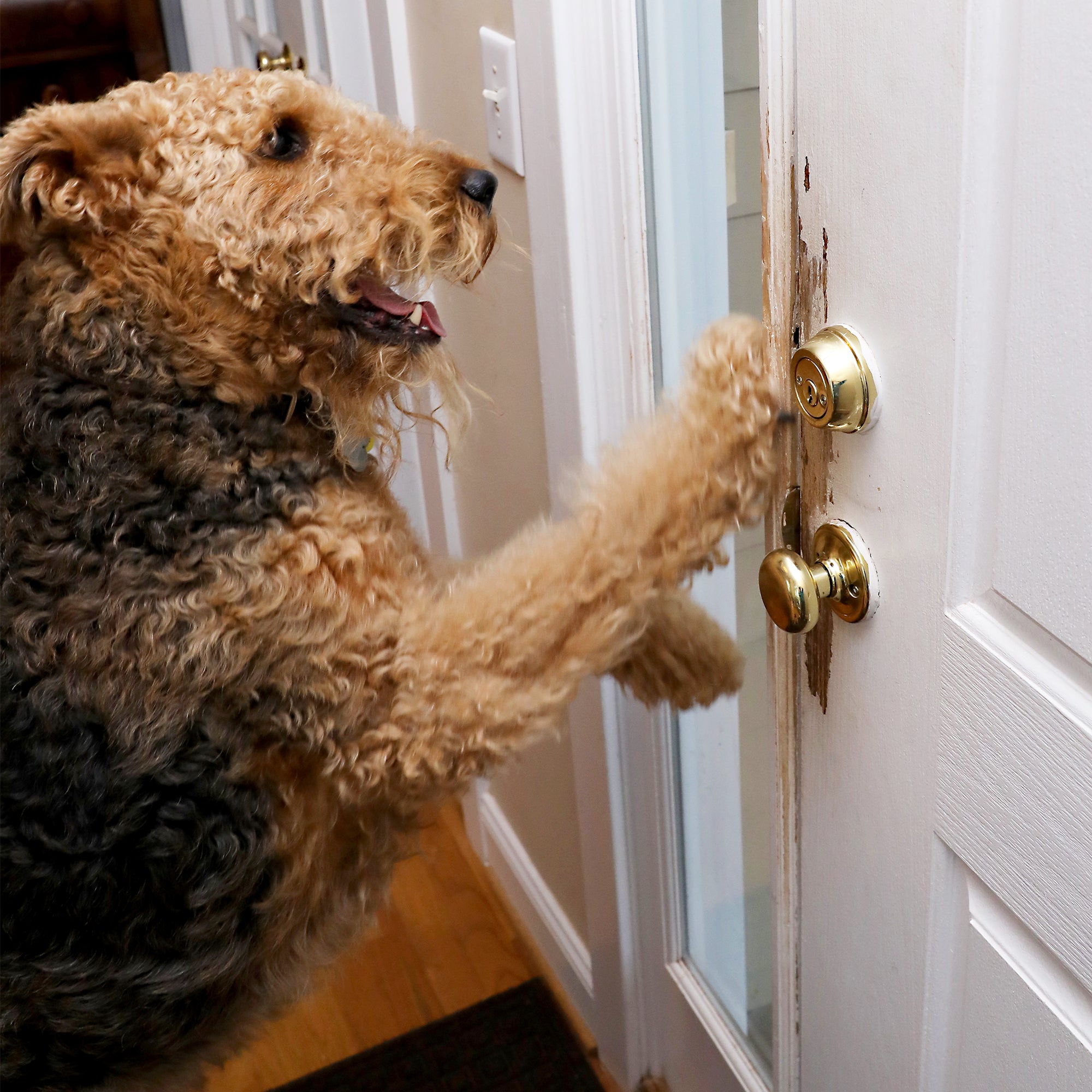
Sometimes it starts quietly. Other times it sounds like your dog is trying to break through the front door entirely.
Whether it happens at bedroom doors, back doors, bathroom doors, or entrances leading outside, scratching behavior is one of the most common frustrations pet owners deal with.
And unfortunately, it can become destructive very quickly.
Damaged paint.
Scratched wood.
Torn screens.
Ruined flooring.
Constant noise.
But the bigger issue usually isn’t the door itself.
Because in many cases, scratching is actually a signal.
Dogs scratch doors for reasons ranging from boredom and excitement to anxiety, stress, separation issues, attention-seeking, or simply learned behavior that accidentally became a habit.
The good news?
Most dogs can absolutely learn to stop — but punishment alone rarely solves the real problem.
Understanding why your dog scratches is the first step toward changing the behavior successfully.
Why Dogs Scratch Doors in the First Place
Dogs don’t usually scratch doors “just to be bad.”
There’s almost always a reason behind the behavior.
And while some causes are harmless, others may point to emotional stress or unmet needs.
Attention-Seeking Behavior
One of the most common reasons dogs scratch doors is simple:
It works.
If scratching gets your attention — even negative attention — many dogs quickly learn that the behavior produces results.
For example:
- The owner opens the door
- The owner talks to the dog
- The dog gets interaction
- The dog gains access to another room
From the dog’s perspective, scratching becomes an effective communication tool.
And once a habit successfully gets results multiple times, it often becomes stronger.
Separation Anxiety Can Make Scratching Worse
Some dogs scratch doors because they panic when separated from their owners.
This is especially common in dogs with separation anxiety.
These dogs may:
- Scratch aggressively when left alone
- Cry or bark behind doors
- Pace constantly
- Destroy nearby objects
- Attempt escape behaviors
In these situations, scratching is not simply “bad behavior.” It’s often a stress response linked to emotional distress.
Punishing anxious dogs usually makes the problem worse because the dog becomes even more stressed.
Instead, anxiety-based scratching requires patience, reassurance, and behavioral training focused on confidence and calmness.
Some Dogs Simply Want Access
Sometimes the explanation is much simpler.
The dog wants to go somewhere.
Maybe they:
- Want outside access
- Want attention from another room
- Want to follow their owner
- Hear activity behind the door
- Smell food or other animals
Dogs are naturally social animals. Many dislike barriers separating them from people or activity.
Highly attached dogs especially struggle when doors suddenly block access to their owners.
Boredom Creates Destructive Habits
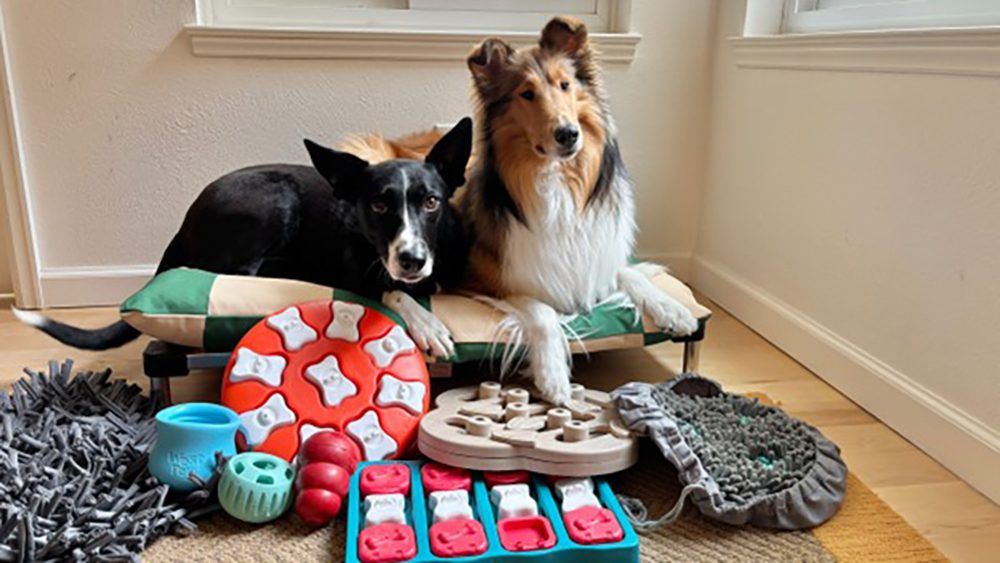
Under-stimulated dogs often invent their own entertainment.
Unfortunately, that entertainment sometimes includes destroying doors.
Dogs with too little exercise or mental stimulation may develop repetitive behaviors like:
- Scratching
- Chewing
- Barking
- Digging
- Pacing
High-energy breeds are especially vulnerable to boredom-related behavior problems.
A tired dog is usually a calmer dog.
Puppies Explore the World Differently
Puppies scratch for slightly different reasons than adult dogs.
Young dogs are naturally curious and still learning boundaries.
They often scratch because:
- They want attention
- They’re exploring
- They haven’t learned patience yet
- They feel frustrated
- They’re overstimulated
Puppy scratching can usually be improved significantly through consistent training and routine.

Why Punishment Often Fails
Many owners respond to scratching by yelling, scolding, or physically removing the dog.
Unfortunately, punishment alone rarely fixes the root cause.
In some situations, punishment can actually reinforce the behavior because:
- The dog still receives attention
- Anxiety increases
- Stress becomes worse
- The dog becomes confused
- Fear damages trust
Dogs learn more effectively through consistency, redirection, rewards, and clear routines rather than fear-based correction.
The First Step: Identify the Trigger
Before stopping the behavior, owners need to understand when and why the scratching happens.
Ask questions like:
- Does it happen only when alone?
- Does it happen at specific doors?
- Is the dog bored beforehand?
- Does the behavior occur during anxiety?
- Does scratching always lead to attention?
Patterns often reveal the underlying cause.
Once owners understand the trigger, training becomes far more effective.
Exercise Solves More Problems Than People Realize
One of the biggest mistakes dog owners make is underestimating how much physical activity dogs truly need.
Many behavior issues improve dramatically after increasing exercise.
Walks alone are sometimes not enough.
Dogs often benefit from:
- Fetch games
- Running
- Structured play
- Training sessions
- Scent games
- Mental puzzles
- Interactive toys
Physical and mental stimulation help reduce excess energy that often fuels destructive habits.

Teaching Calm Door Behavior
One effective strategy is teaching dogs that calm behavior — not scratching — earns rewards.
For example:
- Wait for the dog to stop scratching
- Reward calm sitting or quiet behavior
- Open the door only when calmness appears
- Repeat consistently
This teaches the dog a new pattern:
Calm behavior opens doors.
Scratching does not.
Consistency matters enormously here. If scratching occasionally works, the habit often continues.
Ignore Attention-Seeking Scratching Carefully
If scratching is purely attention-seeking, ignoring the behavior can sometimes help.
However, this only works if:
- The behavior is not anxiety-based
- Everyone in the household remains consistent
- Calm behavior gets rewarded instead
If owners sometimes respond and sometimes ignore scratching, dogs often scratch even more because they keep testing whether it will work.
Create Positive Alone-Time Experiences
For dogs struggling with separation anxiety, creating positive associations with alone time is extremely important.
Helpful strategies may include:
- Puzzle feeders
- Long-lasting treats
- Calming routines
- Short practice separations
- Safe resting spaces
- Background noise or calming music
The goal is teaching the dog that being alone is safe rather than stressful.
Door Protection Can Help During Training
While solving the behavior itself matters most, protecting doors during training can reduce damage.
Some owners use:
- Scratch guards
- Protective panels
- Baby gates
- Door shields
- Nail trimming routines
These solutions don’t replace training, but they can reduce destruction while behavior improves.
Nail Maintenance Matters Too
Long nails increase scratching damage significantly.
Keeping nails properly trimmed can:
- Reduce floor damage
- Minimize scratches
- Improve comfort
- Prevent nail injuries
Some dogs also scratch more aggressively simply because long nails feel uncomfortable while walking.
Consistency Is the Most Important Factor
One of the biggest reasons training fails is inconsistency.
If one family member rewards scratching while another discourages it, dogs receive mixed signals.
Successful training requires everyone following the same rules consistently.
Dogs learn patterns incredibly quickly — both good and bad.
Why Some Breeds Scratch More Than Others
Certain breeds naturally struggle more with separation, boredom, or high energy.
Breeds commonly associated with destructive behaviors when under-stimulated include:
- Border Collies
- Huskies
- German Shepherds
- Labrador Retrievers
- Jack Russell Terriers
- Australian Shepherds
This doesn’t mean these dogs are “bad.” It simply means they often require more physical activity and mental stimulation.
When Scratching Signals a Bigger Problem
Occasionally, excessive scratching may point to deeper behavioral or emotional concerns.
Owners should pay attention if scratching appears alongside:
- Severe anxiety
- Aggression
- Self-harm behaviors
- Destructive panic
- Excessive barking
- Refusal to eat alone
In more serious cases, professional dog trainers or veterinarians may help identify underlying issues.
Why Dogs Repeat Behaviors That Work
Dogs are extremely good at repeating behaviors that produce rewards.
If scratching successfully gets:
- Attention
- Door access
- Interaction
- Food
- Emotional reassurance
…the dog naturally continues doing it.
That’s why replacing the behavior with a more appropriate alternative is often more effective than punishment.
Patience Matters More Than Perfection
Behavior change takes time.
Some dogs improve quickly. Others need weeks or months of consistent routine before habits fully change.
Progress usually happens gradually:
- Less scratching
- Shorter scratching episodes
- More calm waiting
- Improved emotional control
Small improvements matter.
Final Thoughts
Door scratching may seem like a small annoyance at first, but it often reveals important information about a dog’s emotions, needs, habits, and environment.
Some dogs scratch from boredom.
Others scratch from anxiety.
Some simply learned that scratching works.
The key to stopping the behavior isn’t harsh punishment — it’s understanding the motivation behind it and teaching better alternatives consistently.
With proper exercise, patience, training, structure, and positive reinforcement, most dogs can absolutely learn calmer, healthier ways to communicate.
And once they do, both the doors — and the owners — usually feel much more peaceful.
Leave a Reply