
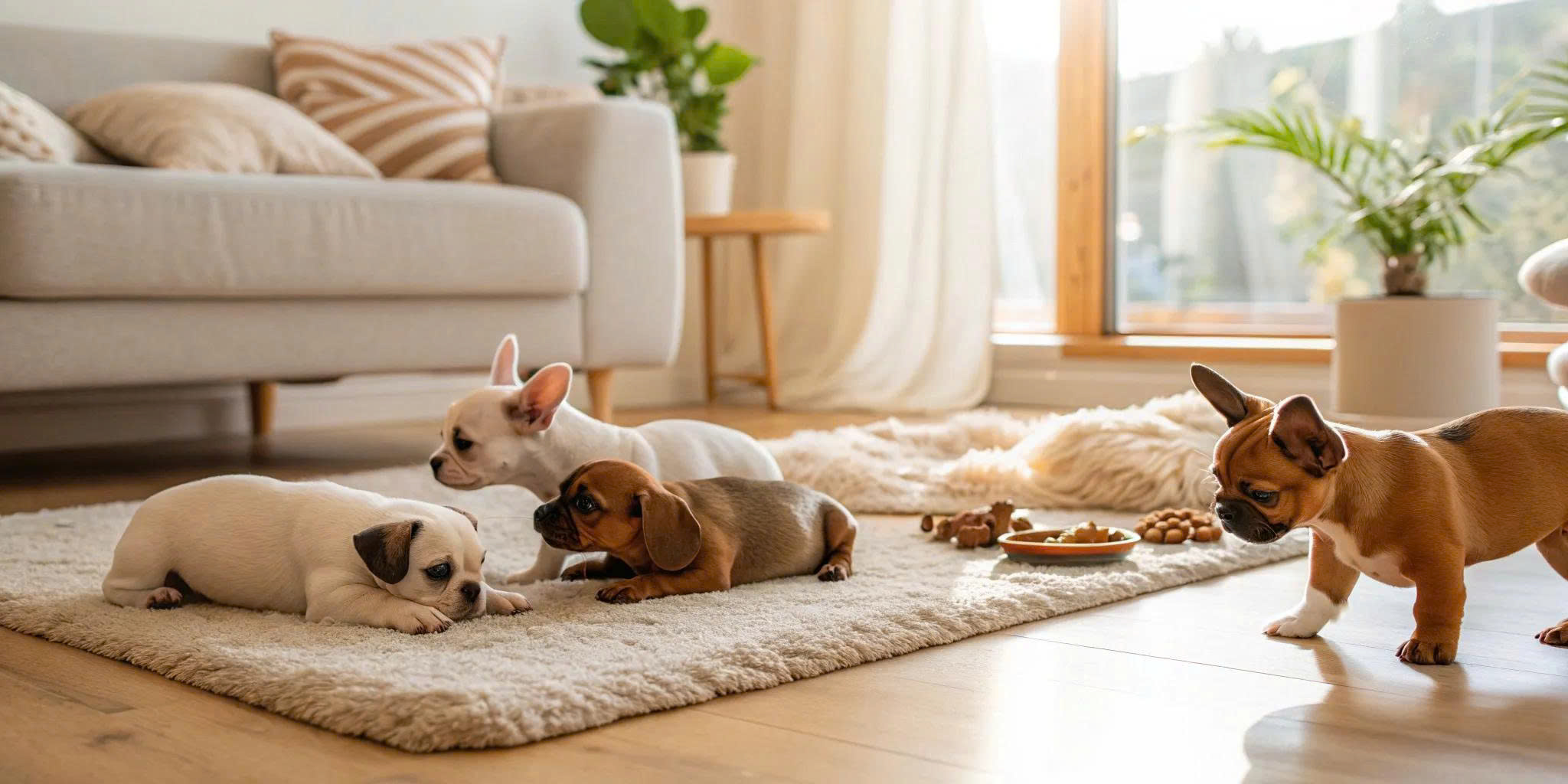
Living in an apartment doesn’t mean you have to give up your dream of owning a dog. In fact, many dog breeds thrive in smaller spaces as long as they receive proper care, exercise, and attention. Whether you live in a downtown studio, a cozy condo, or a compact city apartment, there are plenty of canine companions perfectly suited for urban life.
Contrary to popular belief, the best apartment dogs are not always the smallest breeds. Temperament, barking habits, energy level, and adaptability often matter far more than size alone. Some large breeds are surprisingly calm indoors, while certain tiny dogs may become noisy or restless in confined spaces.
If you’re searching for the ideal four-legged roommate, here’s everything you need to know about choosing the best dog breed for apartment living.
What Makes a Dog Good for Apartment Living?
Before choosing a breed, it’s important to understand the characteristics that help dogs adapt well to apartment environments.
Low to Moderate Energy Levels
Dogs living in apartments typically have limited indoor space to run around. Breeds with lower exercise needs tend to adjust more comfortably to compact living arrangements.
Quiet Temperament
Thin apartment walls and nearby neighbors make barking an important consideration. Quiet breeds are often preferred for apartment communities.
Adaptability
Apartment-friendly dogs are usually adaptable and comfortable with indoor routines, elevators, busy sidewalks, and city noise.
Size Isn’t Everything
While small dogs are often ideal for apartments, some larger breeds like Greyhounds are known for being surprisingly calm and relaxed indoors.
1. French Bulldog
The French Bulldog consistently ranks among the best apartment dogs in America. These compact, affectionate companions are known for their laid-back personalities and minimal exercise requirements.
Frenchies enjoy short walks and indoor playtime but are equally happy lounging beside their owners for hours. They’re also relatively quiet, making them excellent neighbors in apartment complexes.
Pros:
- Quiet and low-energy
- Minimal grooming needs
- Friendly and affectionate
Cons:
- Sensitive to heat
- Can be stubborn during training

2. Cavalier King Charles Spaniel
This elegant toy breed combines charm, affection, and adaptability. Cavalier King Charles Spaniels are gentle lap dogs that thrive in close living quarters.
They enjoy cuddling just as much as short daily walks, making them ideal for busy city dwellers. Their friendly nature also helps them adapt well to families, singles, and seniors alike.
Pros:
- Extremely affectionate
- Great with children and other pets
- Moderate exercise needs
Cons:
- Regular grooming required
- Prone to separation anxiety
3. Shih Tzu
Originally bred as royal companion dogs, Shih Tzus were practically designed for indoor living. They are calm, loving, and perfectly content spending most of their day indoors.
Their small size and relaxed temperament make them one of the easiest dogs to manage in apartments.
Pros:
- Friendly personality
- Low exercise requirements
- Excellent lap dogs
Cons:
- High grooming maintenance
- Can develop eye issues
4. Greyhound
Surprisingly, Greyhounds are among the best large dogs for apartment living. Despite their racing background, these dogs are famously lazy indoors and often spend most of the day sleeping.
They enjoy short bursts of exercise but quickly return to their favorite hobby: lounging.
Pros:
- Calm indoors
- Quiet temperament
- Minimal grooming
Cons:
- Sensitive to cold weather
- Requires occasional sprinting opportunities
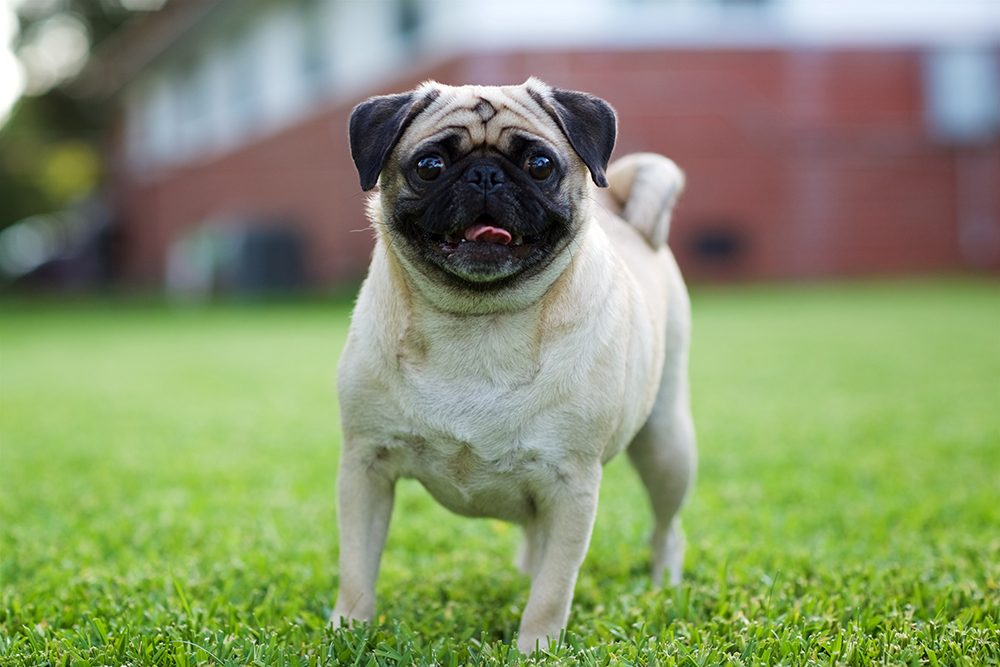
5. Pug
Pugs are affectionate clowns with charming personalities that fit apartment life beautifully. They love people, enjoy relaxing indoors, and don’t require excessive exercise.
Their playful attitude makes them excellent companions for families and young adults living in cities.
Pros:
- Friendly and social
- Adaptable to small spaces
- Low exercise needs
Cons:
- Snoring and breathing issues
- Prone to obesity
6. Boston Terrier
Boston Terriers are compact, intelligent, and easygoing dogs that adapt well to urban environments. They’re playful without being hyperactive and generally friendly toward neighbors and visitors.
Their short coat also makes grooming simple for busy apartment owners.
Pros:
- Smart and trainable
- Minimal grooming
- Friendly personality
Cons:
- Can become stubborn
- Sensitive to extreme temperatures
7. Chihuahua
Chihuahuas may be tiny, but they have huge personalities. Their compact size makes them ideal for small apartments, and they don’t need much physical space to stay happy.
However, early training and socialization are important to prevent excessive barking.
Pros:
- Extremely small and portable
- Loyal companions
- Low food costs
Cons:
- Can bark frequently
- Fragile due to tiny size
8. Bichon Frise
The Bichon Frise is cheerful, affectionate, and known for its hypoallergenic coat. These fluffy companions enjoy human interaction and adapt well to indoor living.
Their playful nature makes them ideal for families or singles looking for a social companion.
Pros:
- Hypoallergenic coat
- Friendly and playful
- Great for families
Cons:
- Frequent grooming needed
- Doesn’t enjoy being alone too long

9. Bulldog
Bulldogs are famously relaxed and low-energy, making them excellent apartment companions. They prefer lounging around the house over intense outdoor activities.
Their calm demeanor and quiet behavior are major advantages for apartment residents.
Pros:
- Calm temperament
- Quiet and affectionate
- Minimal exercise needs
Cons:
- Heat-sensitive
- Potential health concerns
10. Havanese
The Havanese is a friendly and adaptable breed often called a “Velcro dog” because they love staying close to their owners. These small dogs thrive in apartments when given enough companionship and mental stimulation.
Pros:
- Social and loving
- Adaptable personality
- Intelligent and trainable
Cons:
- Requires regular grooming
- Can develop separation anxiety
Tips for Raising a Dog in an Apartment
No matter which breed you choose, apartment dogs still require proper care and attention.
Maintain a Daily Walking Routine
Even low-energy breeds need consistent outdoor exercise and bathroom breaks.
Provide Mental Stimulation
Puzzle toys, obedience training, and indoor games help prevent boredom and destructive behavior.
Focus on Early Training
Basic commands and socialization are essential for apartment dogs to behave politely around neighbors and guests.
Respect Noise Levels
Training your dog to reduce excessive barking is especially important in shared living environments.
Dog Breeds That May Struggle in Apartments
Some breeds naturally require more physical activity and outdoor space. High-energy working dogs may become frustrated in small apartments unless their exercise needs are fully met.
Breeds often considered challenging for apartment life include:
- Border Collies
- Siberian Huskies
- Australian Shepherds
- Jack Russell Terriers
- Beagles
These breeds are intelligent and energetic but usually thrive better in homes with yards or active outdoor lifestyles.
Final Thoughts
Apartment living and dog ownership can absolutely go hand in hand. The secret lies in choosing a breed whose energy level, temperament, and lifestyle needs match your environment.
Whether you prefer a cuddly French Bulldog, a relaxed Greyhound, or a cheerful Bichon Frise, there’s an apartment-friendly dog out there for nearly every type of owner.
Remember, even the perfect apartment dog still needs love, exercise, attention, and mental stimulation to thrive. With proper care and commitment, your small-space home can become the perfect place for a happy, healthy canine companion.
Leave a Reply