
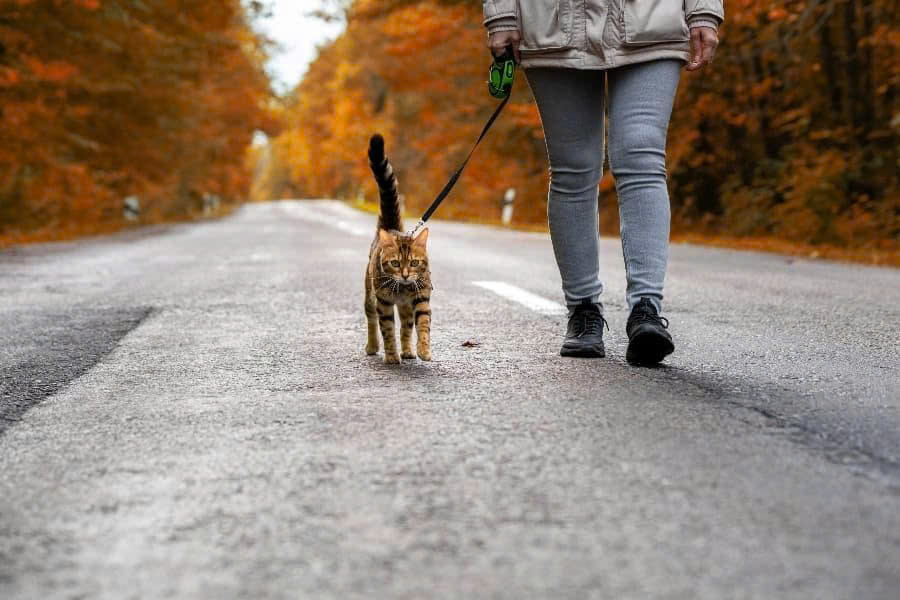
For many pet owners, taking a dog for a walk is part of daily life. But what about cats? While most people think of cats as indoor pets that prefer lounging on the couch or watching birds through a window, many felines can enjoy outdoor adventures too. The key is doing it safely—and that starts with leash training.
Leash training your cat provides mental stimulation, physical exercise, and a chance to explore the world while remaining protected from traffic, predators, and other dangers. Although cats are different from dogs and require a unique training approach, many can learn to walk comfortably on a harness and leash.
In this guide, we’ll cover everything you need to know about leash training your cat, from choosing the right equipment to helping your feline become a confident outdoor explorer.
Why Leash Train Your Cat?
Many cat owners are surprised to learn that leash training offers numerous benefits.
Mental Enrichment
Cats are naturally curious animals. Exploring new sights, sounds, and smells can stimulate their minds and help prevent boredom.
Physical Exercise
Indoor cats often struggle to get enough activity. Walking outdoors can encourage movement and support healthy weight management.
Safe Outdoor Experience
A leash allows cats to enjoy the outdoors without the risks associated with free roaming, such as:
- Traffic accidents
- Encounters with aggressive animals
- Exposure to diseases
- Getting lost
- Poisonous plants and substances
Stronger Bond
Training sessions and outdoor adventures can strengthen the relationship between you and your cat through positive interactions and trust-building.
Can Every Cat Be Leash Trained?
Not every cat will enjoy walking on a leash, and that’s perfectly normal.
Some cats naturally adapt to new experiences, while others prefer staying indoors. Success often depends on factors such as:
- Personality
- Age
- Confidence level
- Previous experiences
- Patience during training
Kittens generally learn more quickly than adult cats, but older cats can still be trained successfully with consistency and positive reinforcement.
Signs your cat may be a good candidate for leash training include:
- Curiosity about the outdoors
- Confidence around new environments
- Interest in exploring
- Comfort being handled
Cats that become highly stressed in unfamiliar situations may need a slower training approach or may simply prefer indoor enrichment activities.

Choosing the Right Harness
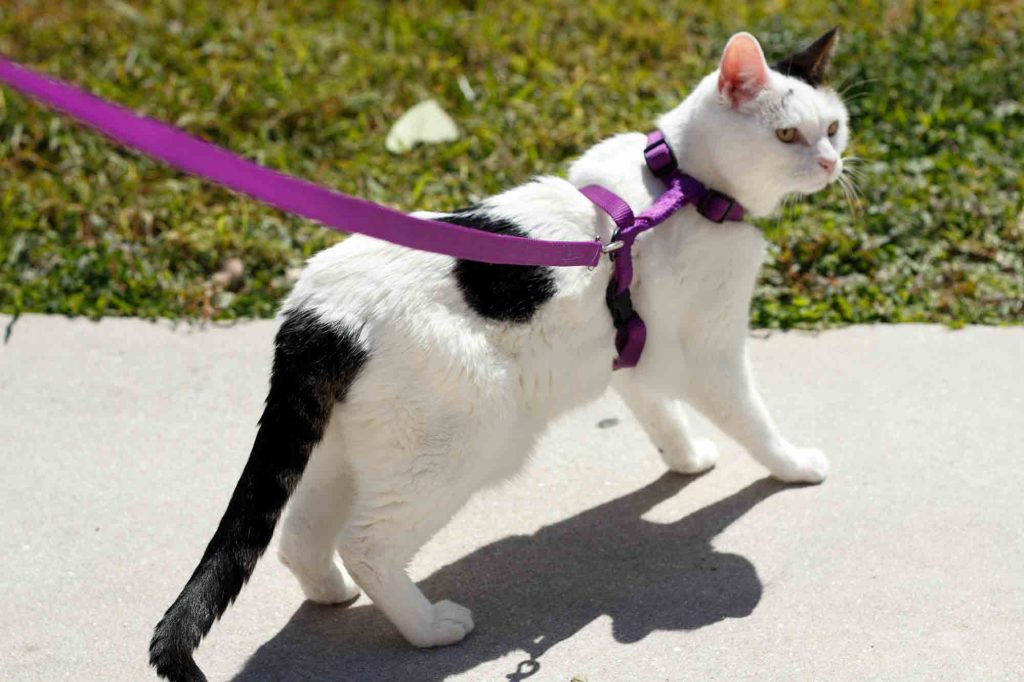
The most important piece of equipment is a properly fitted harness.
Never attach a leash directly to your cat’s collar. Cats can easily slip out of collars or injure their necks if they pull suddenly.
Types of Cat Harnesses
Vest Harness
Vest-style harnesses distribute pressure evenly and are often the easiest option for beginners.
Benefits include:
- Comfortable fit
- Increased security
- Reduced escape risk
H-Style Harness
These lightweight harnesses use adjustable straps around the body.
Benefits include:
- Adjustable sizing
- Lightweight design
- Good mobility
Jacket Harness
Jacket harnesses offer additional coverage and security.
Benefits include:
- Excellent escape prevention
- Comfortable support
- Suitable for nervous cats
Selecting the Best Leash
A lightweight leash works best for cats.
Look for:
- Length between 4 and 6 feet
- Lightweight materials
- Comfortable grip
- Strong attachment clip
Avoid retractable leashes during training because they can create tension and make control more difficult.
Step 1: Introduce the Harness Indoors
Before attempting outdoor walks, allow your cat to become familiar with the harness.
Let Your Cat Investigate
Place the harness near your cat’s favorite resting area and allow them to sniff and inspect it.
Reward curiosity with:
- Treats
- Praise
- Playtime
This helps create positive associations.
Step 2: Put the Harness On Briefly
Once your cat seems comfortable around the harness, gently put it on.
Keep the first session short—just a few minutes.
Many cats react by:
- Freezing
- Walking oddly
- Rolling over
- Lying down dramatically
This behavior is completely normal.
Reward calm behavior with treats and affection.
Gradually increase wearing time over several days.

Step 3: Practice Walking Indoors
After your cat is comfortable wearing the harness, attach the leash.
Allow the leash to drag behind them while supervised.
This helps your cat adjust to the sensation of having something attached.
Next, pick up the leash gently and follow your cat around the house.
Remember:
- Don’t pull.
- Let your cat lead.
- Use treats as encouragement.
The goal is to help your cat feel comfortable rather than forcing specific behaviors.
Step 4: Teach Basic Movement
Encourage your cat to move toward treats, toys, or favorite locations while wearing the harness and leash.
Reward every positive step.
Use:
- Small treats
- Clicker training
- Verbal praise
Keep sessions short and enjoyable.
Five to ten minutes per session is often ideal.
Step 5: Introduce Outdoor Sounds
Before going outside, help your cat become familiar with outdoor noises.
Open a window or sit near a screened porch.
Let them hear:
- Birds
- Wind
- Cars
- Neighborhood sounds
This gradual exposure reduces the likelihood of fear when they eventually go outdoors.

Step 6: Start in a Quiet Outdoor Area
Choose a calm, enclosed environment for your first outdoor experience.
Ideal locations include:
- Backyard
- Quiet patio
- Fenced garden
- Private courtyard
Avoid busy sidewalks and crowded parks initially.
Allow your cat to explore at their own pace.
Remember that cat walks are different from dog walks.
Cats often:
- Stop frequently
- Observe surroundings
- Sniff extensively
- Choose their own route
Patience is essential.
Understanding Cat Walking Behavior
Many first-time cat walkers expect their pet to walk beside them like a dog.
Cats usually don’t behave this way.
Instead, they:
- Investigate every detail
- Move unpredictably
- Pause frequently
- Follow their own interests
Your role is to supervise and provide safety rather than direct every movement.
Think of it as accompanying your cat on their adventure.
Common Leash Training Challenges
Refusing to Move
Some cats freeze when first wearing a harness.
Solutions:
- Use treats
- Increase indoor practice
- Keep sessions short
- Stay patient
Trying to Escape
If your cat attempts to back out of the harness:
- Check fit carefully
- Adjust straps
- Use a more secure harness style
Fear of Outdoor Sounds
If your cat becomes frightened:
- Return indoors immediately
- Try again another day
- Increase gradual exposure
Never force a scared cat to continue.
Pulling on the Leash
Avoid pulling your cat in any direction.
Instead:
- Encourage movement with treats
- Allow exploration
- Redirect gently
Cats respond much better to encouragement than force.
Safety Tips for Outdoor Cat Walks
Always prioritize safety.
Keep Vaccinations Current
Outdoor exposure increases contact with insects, animals, and environmental hazards.
Ensure your cat remains up to date on recommended veterinary care.
Use Identification
Your cat should have:
- Microchip
- Identification tag
- Updated contact information
Watch the Weather
Avoid extreme:
- Heat
- Cold
- Rain
- Strong winds
Cats can become uncomfortable quickly in harsh conditions.
Monitor Surroundings
Stay alert for:
- Dogs
- Wildlife
- Toxic plants
- Traffic
- Loud noises
Being proactive helps prevent frightening experiences.
Benefits of Regular Outdoor Exploration
Many leash-trained cats experience significant improvements in their quality of life.
Benefits may include:
Reduced Boredom
Outdoor adventures provide constant stimulation.
Better Physical Health
Walking encourages movement and calorie burning.
Increased Confidence
Exploration helps some cats become more comfortable in different environments.
Stronger Human-Animal Bond
Shared experiences often deepen trust between pets and owners.
Alternatives for Cats That Don’t Enjoy Leashes
Not every cat wants to walk outdoors.
Alternative enrichment options include:
Catios
Enclosed outdoor cat patios provide fresh air and safety.
Window Perches
Elevated viewing spots allow cats to observe the outside world.
Interactive Toys
Puzzle feeders and hunting-style toys provide mental stimulation.
Indoor Climbing Structures
Cat trees and wall shelves encourage exercise and exploration.
The goal is enrichment, regardless of whether your cat enjoys leash walking.
Final Thoughts
Leash training can open an exciting new world for many cats. With patience, positive reinforcement, and the right equipment, your feline companion can safely experience outdoor adventures while remaining protected from common dangers.
Remember that every cat learns at their own pace. Some may eagerly embrace harness walks within a few weeks, while others require months of gradual training. The key is respecting your cat’s comfort level and focusing on creating positive experiences.
Whether your cat becomes a neighborhood explorer or simply enjoys sitting outside on a leash in the backyard, leash training can provide valuable enrichment, exercise, and bonding opportunities that enhance both your lives.
By taking things slowly and prioritizing safety, you can help your cat discover the joys of the great outdoors—one step at a time.
Leave a Reply