
Hairless cats are among the most fascinating and misunderstood pets in the world. With their wrinkled skin, large ears, and expressive eyes, these cats often turn heads wherever they go. While some people find them unusual at first glance, many owners quickly fall in love with their affectionate personalities and playful behavior.
In the United States, interest in hairless cats—especially the famous Sphynx cat—has grown significantly over the past decade. Social media, celebrity endorsements, and a growing curiosity about exotic pets have all contributed to their popularity.
But owning a hairless cat is very different from owning a typical furry feline. From grooming routines to temperature sensitivity, these cats require special attention and care. In this complete guide, we’ll explore everything you need to know before bringing one home.
What Is a Hairless Cat?
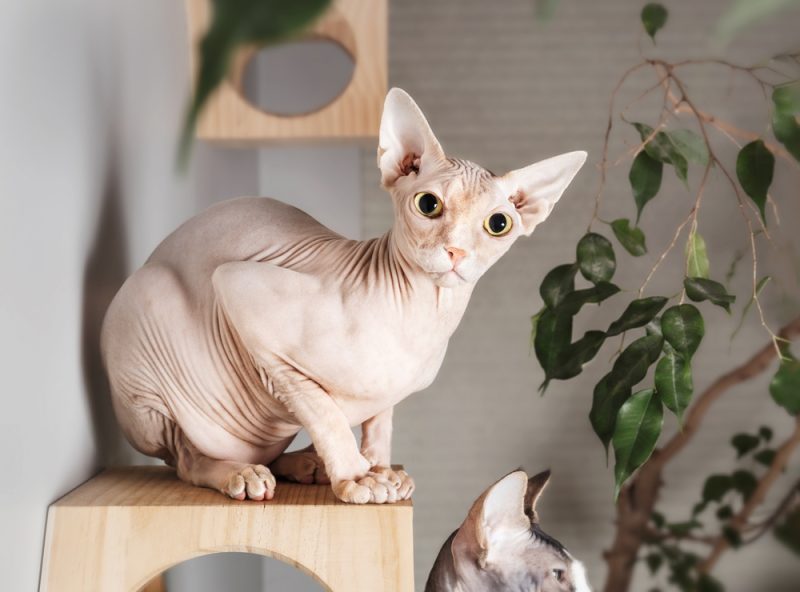
A hairless cat is a breed (or type) of cat that lacks the typical coat of fur. However, despite their name, most hairless cats are not completely bald. Instead, they often have a fine layer of soft fuzz that feels similar to suede or peach skin.
Hairlessness in cats is caused by a natural genetic mutation. The most famous example is the Sphynx cat, which originated in Canada in the 1960s after a kitten was born without fur due to a mutation.
These cats are not only unique in appearance but also in temperament and care needs.

Popular Hairless Cat Breeds
While the Sphynx is the most well-known, there are several other hairless or nearly hairless breeds.
1. Sphynx Cat
The Sphynx cat is the most popular hairless breed in the U.S. Known for its wrinkled skin and large ears, it’s also famous for its affectionate and social personality.
These cats are often described as “dog-like” because they follow their owners around, enjoy attention, and even learn tricks.
2. Bambino
The Bambino cat is a cross between the Sphynx and the Munchkin cat. It has short legs and a playful, energetic personality.
3. Donskoy
Originating from Russia, the Donskoy cat is another hairless breed with a muscular body and strong personality.
4. Peterbald
The Peterbald cat is a sleek and elegant breed that may be completely bald or have a very fine coat.
5. Elf Cat
The Elf cat is a hybrid with curled ears, combining traits from the Sphynx and American Curl.
Each breed has its own unique traits, but they all share similar care requirements due to their lack of fur.

Personality and Temperament
Hairless cats are known for their outgoing and affectionate nature. Unlike many independent cat breeds, they crave human interaction and companionship.
The Sphynx cat, for example, is extremely social and prefers to spend time with its owner rather than being left alone.
Here are some common personality traits:
- Highly affectionate and people-oriented
- Playful and energetic
- Intelligent and curious
- Vocal and expressive
- Friendly with children and other pets
Because of their social nature, hairless cats do best in homes where someone is around most of the time.
Care and Grooming Needs
One of the biggest misconceptions about hairless cats is that they are low-maintenance. In reality, they often require more care than furry cats.
1. Skin Care
Without fur to absorb oils, hairless cats develop oily skin that needs regular cleaning. Weekly baths are usually recommended.
2. Temperature Regulation
Hairless cats are sensitive to temperature changes. They can get cold easily and may need:
- Warm blankets
- Heated beds
- Sweaters or clothing
They also need protection from direct sunlight, as their skin can burn.
3. Ear and Nail Cleaning
Hairless cats tend to accumulate more earwax and require frequent ear cleaning. Nail trimming is also important to maintain hygiene.
4. Diet
Due to their higher metabolism, these cats often require a high-quality, protein-rich diet and may eat more frequently than other cats.

Health Considerations
Hairless cats can live healthy lives, but they are prone to certain health issues.
Some common concerns include:
- Skin infections and irritation
- Heart conditions like hypertrophic cardiomyopathy (HCM)
- Sensitivity to cold and sun exposure
Responsible breeding and regular veterinary care are essential to ensure a healthy life.
Are Hairless Cats Hypoallergenic?
Many people assume hairless cats are hypoallergenic, but this is a myth.
Allergies are caused by proteins found in a cat’s saliva and skin—not just fur. So even hairless cats can trigger allergic reactions.
However, some people with mild allergies may tolerate them better due to reduced shedding.
Pros and Cons of Owning a Hairless Cat
Pros
- Unique and eye-catching appearance
- Extremely affectionate and social
- Low shedding
- Great companions
Cons
- High grooming and maintenance needs
- Sensitive to temperature changes
- Can be expensive to purchase and care for
- Require constant attention
Cost of a Hairless Cat in the U.S.
Hairless cats, especially the Sphynx cat, can be expensive.
Typical costs include:
- Purchase price: $1,500 – $3,000+
- Vet care and grooming supplies
- Specialized food and accessories
Because of their rarity and breeding requirements, they are generally more expensive than standard cats.
Is a Hairless Cat Right for You?
Hairless cats are not for everyone. They require time, attention, and commitment. If you’re looking for a low-maintenance pet, this may not be the best choice.
However, if you want a loving, playful, and unique companion—and you’re willing to invest in proper care—a hairless cat can be incredibly rewarding.
Final Thoughts
Hairless cats are truly one-of-a-kind pets. From their striking appearance to their affectionate personalities, they offer a unique experience that few other animals can match.
The Sphynx cat and other hairless breeds may require extra effort, but for many owners, the love and companionship they provide make it all worthwhile.
Before adopting one, take the time to understand their needs and lifestyle requirements. With the right care and attention, a hairless cat can become a loyal and loving member of your family for years to come.
Leave a Reply