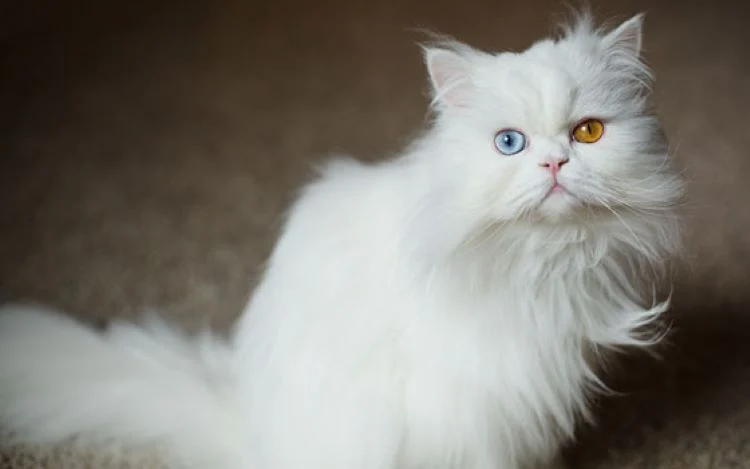
The Persian cat is one of the most recognizable and beloved cat breeds in the United States. Known for its luxurious coat, sweet expression, and calm personality, this breed has captured the hearts of pet owners for centuries. Whether lounging on a sunny windowsill or curling up beside its owner, the Persian cat embodies elegance and tranquility.
In modern American households, Persian cats are especially popular among people seeking a low-energy, affectionate companion. However, their beauty comes with responsibility. Owning a Persian cat requires commitment, particularly when it comes to grooming and health care.
This guide explores everything you need to know about Persian cats—from their history and personality to grooming, health, and ownership costs.
The History and Origin of the Persian Cat
The Persian cat is one of the oldest known cat breeds, with origins tracing back to ancient Persia (modern-day Iran). Historical records suggest that long-haired cats were brought to Europe as early as the 1600s, where they quickly gained popularity among aristocrats and royalty .
By the 19th century, Persian cats had become a symbol of luxury in Europe and were featured in early cat shows. Over time, selective breeding enhanced their distinctive features, including their flat faces and thick coats.
Today, Persian cats remain a global favorite, especially in the United States, where they are often associated with sophistication and indoor living.
Physical Characteristics of Persian Cats
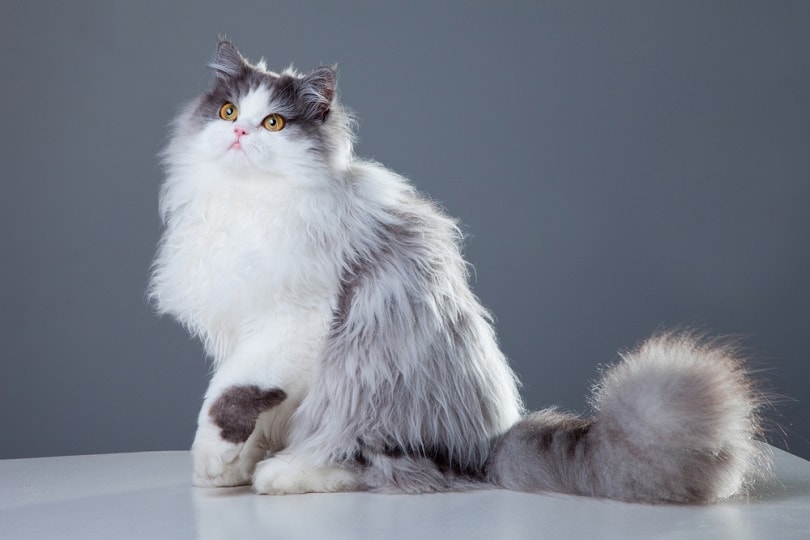
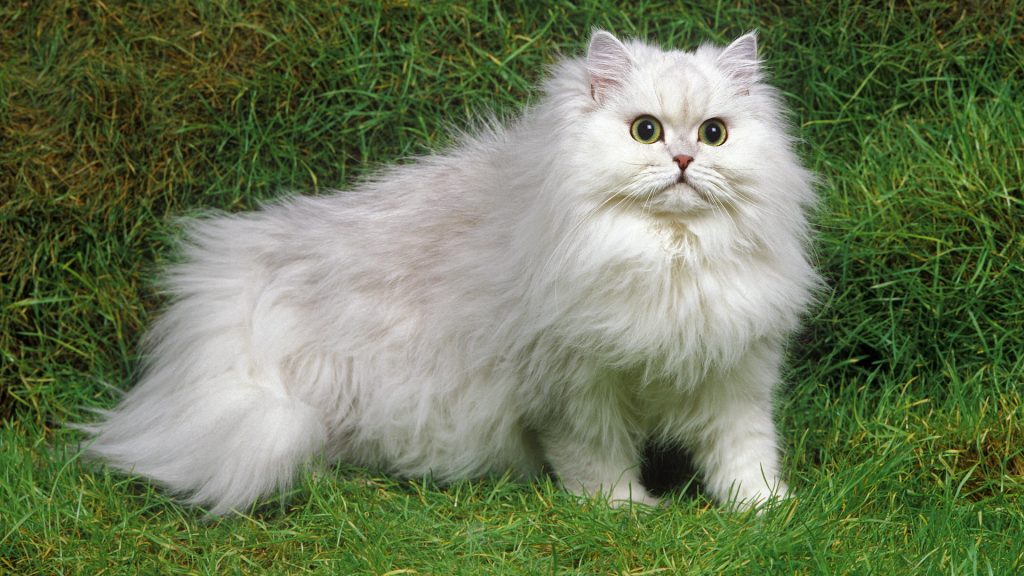
Persian cats are instantly recognizable thanks to their unique appearance. Their physical traits set them apart from other breeds and contribute to their iconic status.
Key Features:
- Long, thick, and silky coat
- Flat (brachycephalic) face with a short nose
- Large, round eyes in various colors
- Stocky body with short legs
- Small, rounded ears
These cats typically weigh between 7–14 pounds and have a lifespan of 10–17 years .
Their coat comes in a wide variety of colors and patterns, including white, black, cream, blue, and even multi-color variations .
Persian Cat Personality and Temperament
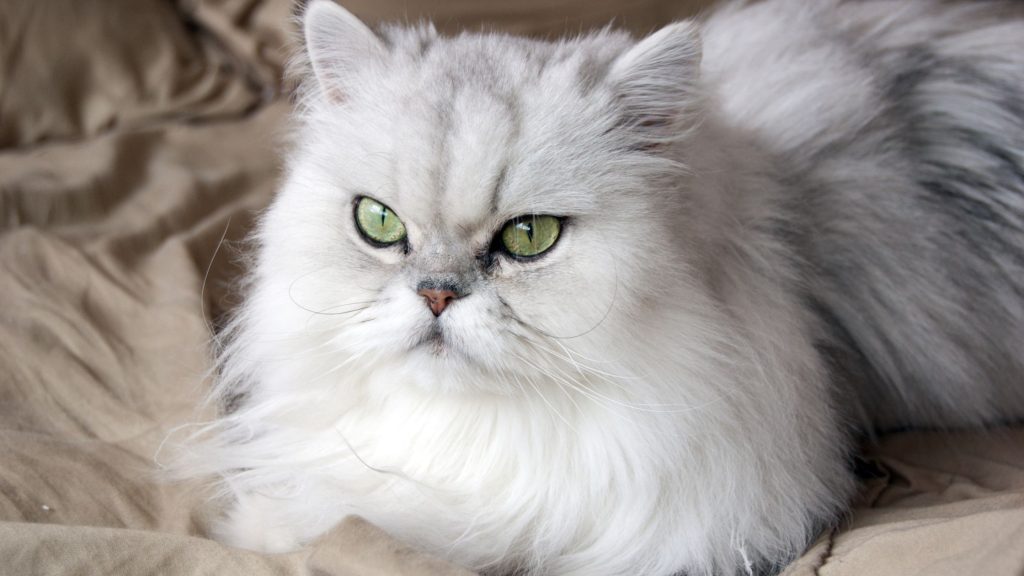
One of the main reasons Persian cats are so popular in the U.S. is their gentle and calm personality. They are often described as:
- Affectionate but not overly demanding
- Quiet and reserved
- Loyal to their owners
- Low-energy and relaxed
Persians prefer peaceful environments and are best suited for homes without excessive noise or chaos. They enjoy being near their owners but are not as playful or energetic as other breeds .
Unlike highly active cats, Persian cats are more likely to spend their day lounging rather than climbing or running. This makes them ideal for apartment living or for individuals seeking a calm companion.
Why Persian Cats Are Popular in the USA
Persian cats have maintained their popularity in American homes for several reasons:
1. Elegant Appearance
Their long, luxurious fur and expressive eyes make them one of the most visually appealing cat breeds.
2. Calm Lifestyle Fit
Many Americans prefer pets that match a relaxed lifestyle, especially in urban settings. Persian cats fit perfectly into this category.
3. Strong Emotional Bond
Persians form deep connections with their owners and enjoy quiet companionship.
4. Indoor Compatibility
These cats thrive indoors, making them suitable for modern living environments.
Essential Persian Cat Care Tips
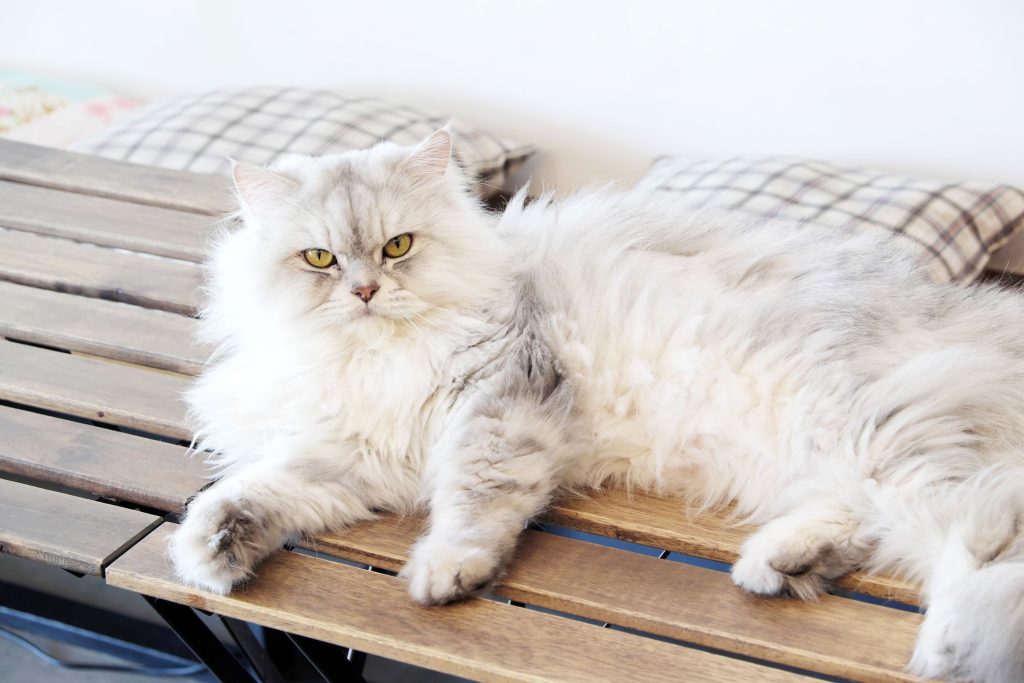
Owning a Persian cat requires more care than many other breeds. Their unique features demand daily attention and maintenance.
1. Grooming Requirements
Persian cats require daily brushing to prevent matting and tangles. Their thick coat can quickly become knotted if neglected .
Regular grooming includes:
- Brushing and combing
- Occasional bathing
- Professional grooming when necessary
Skipping grooming can lead to painful mats and skin issues.
2. Eye Cleaning
Due to their flat faces, Persian cats often experience excessive tearing. Daily cleaning around the eyes helps prevent staining and infections .
3. Nutrition
A balanced diet is essential for maintaining coat health and preventing obesity. Since Persians are less active, portion control is important.
4. Exercise and Activity
Although they are low-energy cats, Persians still need light playtime to stay healthy. Interactive toys and short play sessions are sufficient.
5. Veterinary Care
Regular vet visits are crucial. Preventative care can help detect health issues early and ensure a longer lifespan.
Common Health Issues in Persian Cats
While Persian cats are generally loving companions, they are prone to certain health conditions due to their physical traits.
Common Issues Include:
- Breathing problems: Caused by their flat faces
- Polycystic kidney disease (PKD): A genetic condition affecting kidney function
- Eye infections and tear staining
- Dental problems: Due to crowded teeth
- Skin issues: From dense fur and matting
These health concerns highlight the importance of choosing a reputable breeder and maintaining regular veterinary care .
Cost of Owning a Persian Cat in the USA
Owning a Persian cat can be expensive compared to other breeds.
Initial Costs:
- Purchase price: $800 – $3,000+
- Adoption: Lower cost, often under $200
Ongoing Costs:
- Grooming services
- High-quality food
- Veterinary care
- Pet insurance
Because of their grooming and health needs, Persian cats require a higher financial commitment than average pets.
Adoption vs. Buying a Persian Cat
When considering a Persian cat, you have two main options:
Adoption
- More affordable
- Helps reduce shelter overcrowding
- Gives a cat a second chance
Buying from Breeders
- Predictable traits
- Access to pedigree cats
Many experts recommend adoption whenever possible, as many Persian cats in shelters need loving homes.
Modern Trends in Persian Cat Ownership
In recent years, Persian cat ownership in the United States has evolved with new trends:
1. Pet Grooming Services
Professional grooming is increasingly popular among Persian cat owners.
2. Premium Pet Food
Owners are investing in high-quality diets tailored to specific breeds.
3. Pet Technology
Smart feeders, GPS trackers, and health-monitoring devices are becoming common.
4. Pet Wellness Focus
There is a growing emphasis on mental and physical health for pets.
Fun Facts About Persian Cats
- Persian cats are one of the oldest cat breeds in the world
- They were favored by royalty, including European monarchs
- Their coat can come in over 50 different color variations
- They are known for being one of the calmest cat breeds
Is a Persian Cat Right for You?
A Persian cat may be the perfect pet if you:
- Prefer a calm and quiet companion
- Have time for daily grooming
- Enjoy indoor pets
- Are willing to invest in long-term care
However, they may not be ideal if you want a highly active or low-maintenance pet.
Conclusion
The Persian cat is a timeless symbol of beauty, elegance, and companionship. With their gentle temperament and striking appearance, they remain one of the most محبوب cat breeds in the United States.
However, owning a Persian cat is not just about enjoying their beauty—it requires dedication, time, and financial commitment. From daily grooming to regular health care, responsible ownership is essential.
If you are ready to meet their needs, a Persian cat can reward you with years of love, loyalty, and peaceful companionship.
Leave a Reply