
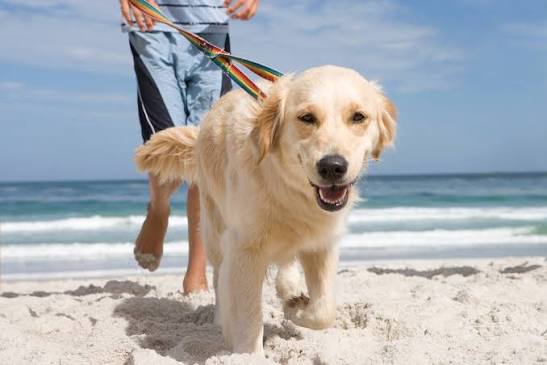
Your dog hears you pick up the leash, suddenly jumps to their feet, and races toward the door. For them, a walk is often the most exciting part of the day.
But have you ever wondered: How often should you walk your dog to keep them happy and healthy?
Is one walk a day enough? Should you take your dog outside two or three times? And how long should each walk last?
The answer depends on your dog’s age, breed, energy level, and overall health. While most dogs benefit from at least one or two walks per day, some need more activity, while others are better suited to shorter, gentler outings.
Walking isn’t just about exercise or bathroom breaks. It’s also an opportunity for your dog to explore the world, discover new smells, release energy, and spend quality time with you.
In this guide, you’ll learn how often to walk your dog, how long each walk should last, and how to create a daily walking routine that fits your pet’s individual needs.
How Often Should You Walk Your Dog Each Day?
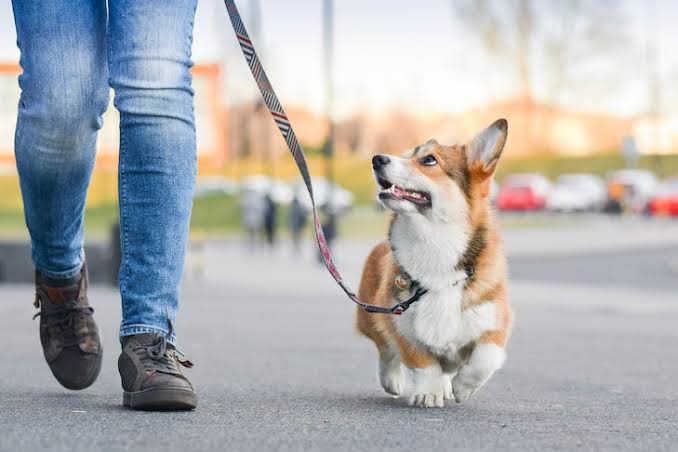
Most healthy adult dogs benefit from one or two walks per day, although the ideal frequency varies.
Some dogs are comfortable with two moderate walks, while active breeds may need additional exercise and enrichment. Puppies often require several short outings, and senior dogs may benefit from gentler walks spread throughout the day.
There is no single schedule that works for every dog.
A useful starting point is to consider your dog’s age, fitness, breed characteristics, and behavior after exercise.
Dog Walking Frequency by Age
| Dog’s Life Stage | Suggested Walking Frequency | General Approach |
|---|---|---|
| Puppies | Several short outings daily | Gentle exploration, play, and frequent bathroom breaks |
| Healthy adult dogs | 1–2 walks daily, sometimes more | Adjust duration and intensity to individual needs |
| High-energy adult dogs | Often 2 or more activity sessions | Combine walks with play, training, and other exercise |
| Senior dogs | 1–3 short, gentle outings if tolerated | Comfortable pace, rest breaks, and familiar routes |
| Dogs with health conditions | Individualized | Follow veterinary advice |
These are general starting points, not strict medical recommendations.
A dog’s ability to exercise matters more than meeting a particular number of minutes.
How Long Should You Walk Your Dog?
Knowing how many times to walk your dog is only part of the equation.
The next question is how long each walk should last.
For many healthy adult dogs, daily exercise may range from approximately 30 minutes to two hours, depending on their breed, fitness, and health.
However, that total includes more than walking. Play, training, swimming, and other suitable activities can also contribute.
Is a 15-Minute Walk Enough?
A 15-minute walk can be valuable, particularly for a small dog, an older pet, or a dog with limited mobility.
It provides an opportunity to explore, sniff, and enjoy time outdoors.
However, one short walk may not meet the exercise needs of a healthy, energetic adult dog.
If your dog still has plenty of energy afterward, consider additional activities.
Is a 30-Minute Walk Enough?
For some adult dogs, a 30-minute walk is a useful part of their daily exercise routine.
Others may benefit from two 30-minute walks, along with playtime or mental enrichment.
Rather than focusing exclusively on the clock, observe how your dog responds.
Can You Walk Your Dog for Too Long?
Yes. Dogs can become exhausted or injured if exercise exceeds their physical capabilities.
This is particularly important for puppies, senior dogs, overweight dogs, and pets with underlying medical conditions.
If your dog begins limping, struggling to keep up, or showing unusual fatigue, stop the activity.
Increase exercise gradually instead of suddenly introducing long walks.
How Often Should You Walk a Puppy?
Puppies have different exercise requirements from adult dogs.
Although they may appear full of energy, their bones and joints are still developing.
They benefit from short, gentle walks, supervised play, and opportunities to explore their surroundings.
Long, strenuous walks and repetitive high-impact exercise are generally inappropriate for growing puppies.
How Many Walks Does a Puppy Need?
Many puppies do well with several brief activity sessions throughout the day rather than one extended walk.
Their needs depend on their age, size, breed, and stage of development.
A young puppy might enjoy a short exploration session followed by rest, while an older puppy may comfortably manage longer outings.
Let your puppy set the pace.
Avoid forcing them to continue when they become tired.
What About the Five-Minute Rule?
You may have heard that puppies should walk for five minutes per month of age.
However, this popular guideline is not supported by strong scientific evidence and is not suitable for every puppy.
Instead, adjust activity to your puppy’s development and individual needs.
Before taking your puppy onto public ground, ask your veterinarian when it is safe based on their vaccination status and local disease risks.
How Often Should You Walk an Adult Dog?
Adult dogs generally need regular daily exercise to maintain their physical fitness and mental well-being.
For many, two walks a day provide a convenient routine.
For example, you might take your dog outside once in the morning and again in the evening.
However, a dog’s exercise requirements can vary significantly.
Small Dogs
Small dogs do not automatically need less exercise.
Some smaller breeds are extremely energetic and enjoy frequent activity.
Others prefer shorter, slower walks.
Pay attention to your dog’s personality rather than assuming that size alone determines exercise requirements.
Medium-Sized Dogs
Many medium-sized dogs enjoy a combination of walking, play, and training.
Depending on their breed and fitness, they may benefit from two daily walks plus additional enrichment.
Large Dogs
Large dogs also vary widely in their exercise needs.
Some are energetic and athletic, while others prefer moderate activity.
Dogs prone to joint problems may require a more carefully managed routine.
High-Energy Breeds
Working and sporting breeds often need more physical and mental activity than less active companions.
Examples include Border Collies, Australian Shepherds, and some retriever breeds.
A short walk around the block may not provide enough stimulation for these dogs.
Training, scent games, and other suitable activities can help meet their needs.
How Often Should You Walk a Senior Dog?
Older dogs still benefit from regular movement.
Walking can help maintain mobility, support muscle function, and provide valuable mental stimulation.
However, senior dogs may tire more quickly or experience joint discomfort.
For many older dogs, shorter and more frequent walks are preferable to one long outing.
Tips for Walking Senior Dogs
- Choose comfortable, familiar routes.
- Walk at your dog’s preferred pace.
- Allow frequent rest breaks.
- Avoid slippery or uneven surfaces when mobility is limited.
- Watch for stiffness, limping, or unusual fatigue.
- Consult your veterinarian if your dog’s mobility changes.
A senior dog who once enjoyed an hour-long walk may eventually prefer several shorter outings.
That doesn’t mean they no longer enjoy walking.
Their needs have simply changed.
Does Dog Breed Affect Walking Frequency?
Yes. Breed characteristics can influence a dog’s typical activity level, although individual differences are always important.
Some breeds were developed for physically demanding work, while others were primarily bred for companionship.
High-Energy Dog Breeds
Examples include:
- Border Collies
- Australian Shepherds
- Siberian Huskies
- Labrador Retrievers
- Jack Russell Terriers
These dogs may require substantial daily exercise and mental enrichment.
Lower-Energy Dog Breeds
Some dogs, including certain Bulldogs and other companion breeds, may prefer shorter, less intense walks.
However, lower energy does not mean exercise is unnecessary.
Flat-faced breeds such as Pugs and Bulldogs may also have breathing difficulties that make strenuous activity or hot weather especially dangerous.
Their exercise plans should reflect their individual health and veterinary guidance.
Why Walking Your Dog Every Day Matters
A daily walk offers much more than physical exercise.
For dogs, exploring the environment is an important part of their routine.
1. Supports a Healthy Weight
Regular activity helps dogs use energy and maintain muscle condition.
Combined with an appropriate diet, walking can support healthy weight management.
2. Provides Mental Stimulation
Dogs experience much of the world through their sense of smell.
Sniffing grass, trees, and unfamiliar objects gives them opportunities to investigate their surroundings.
A slow walk with plenty of sniffing can be mentally rewarding even when it covers only a short distance.
3. Helps Reduce Boredom
Dogs that receive insufficient activity or enrichment may become restless or frustrated.
Regular walks can contribute to a more satisfying daily routine.
However, exercise alone does not resolve every behavioral problem.
4. Creates Opportunities for Training
Walks provide natural opportunities to practice skills such as loose-leash walking, responding to cues, and calmly passing distractions.
Short, positive training sessions can make future outings more enjoyable.
5. Strengthens Your Bond
Walking together creates shared experiences.
Your dog learns to trust your guidance, while you become more familiar with their preferences and behavior.
Even a short daily walk can become an important part of your relationship.
Signs Your Dog May Need More Exercise
Dogs cannot tell us exactly how many minutes of exercise they want.
However, their behavior may provide useful clues.
Possible signs of insufficient activity or stimulation include:
- Persistent restlessness
- Difficulty settling after normal activities
- Excessive attention-seeking
- Destructive chewing
- Repeated attempts to initiate play
- Boredom-related behaviors
These signs do not automatically mean your dog needs longer walks.
Pain, anxiety, insufficient sleep, and other problems can produce similar behavior.
If your dog’s behavior changes suddenly or becomes difficult to manage, consult a veterinarian or qualified behavior professional.
Signs You May Be Walking Your Dog Too Much
More exercise is not always better.
Some dogs continue walking even when they are becoming exhausted, especially if they are excited or eager to stay with their owners.
Watch for warning signs such as:
- Excessive panting
- Slowing down or repeatedly stopping
- Limping or unusual stiffness
- Reluctance to continue
- Difficulty recovering after exercise
- Sore or damaged paw pads
If your dog shows signs of discomfort, stop the walk and allow them to rest.
Severe weakness, collapse, breathing difficulty, or signs of heatstroke require urgent veterinary attention.
Never force an exhausted dog to finish a planned route.
What Is the Best Time of Day to Walk Your Dog?
The ideal time depends on your schedule, your dog’s preferences, and the weather.
For many households, morning and evening walks are convenient.
Morning Walks
A morning walk can help your dog stretch, explore, and enjoy activity before the day becomes busy.
It also provides an opportunity for a bathroom break.
Afternoon Walks
A midday outing can be useful for dogs that need additional bathroom opportunities or stimulation.
However, avoid outdoor exercise during dangerous heat.
Evening Walks
An evening walk can provide another opportunity for exercise and exploration.
Some dogs find a predictable evening routine helpful for settling afterward.
Walking During Hot Weather
Hot weather can make walking dangerous, especially for puppies, senior dogs, overweight dogs, and flat-faced breeds.
During warm conditions:
- Choose cooler times of day.
- Avoid hot pavement.
- Carry drinking water.
- Look for shaded routes.
- Reduce exercise intensity.
- Watch closely for overheating.
If the weather is dangerously hot, skip the walk and provide safe indoor enrichment instead.
Sample Daily Dog Walking Schedules
A consistent routine can make it easier to meet your dog’s needs.
The following examples are illustrative rather than universal prescriptions.
Schedule for a Healthy Adult Dog
| Time | Activity |
|---|---|
| 7:00 AM | 20–30-minute morning walk |
| 12:30 PM | Bathroom break and brief enrichment |
| 5:30 PM | 20–30-minute evening walk |
| 8:00 PM | Gentle play or short training session |
| Before bed | Final bathroom opportunity |
Schedule for a High-Energy Dog
| Time | Activity |
|---|---|
| Morning | Brisk walk or other suitable exercise |
| Midday | Puzzle toy, scent work, or training |
| Afternoon | Play or structured activity |
| Evening | Relaxed walk with sniffing opportunities |
Schedule for a Senior Dog
| Time | Activity |
|---|---|
| Morning | Short, gentle walk |
| Midday | Brief outing if comfortable |
| Evening | Another short walk or sniffing session |
| Before bed | Bathroom break if needed |
Adjust each schedule to your dog’s health, stamina, and daily routine.
Is Walking Once a Day Enough for a Dog?
For some dogs, one substantial daily walk combined with other appropriate exercise and enrichment may be sufficient.
For others, it may not be enough.
A healthy, active dog may benefit from multiple walks or exercise sessions.
A dog with limited mobility may be more comfortable with short, gentle outings.
It is also important to distinguish exercise from bathroom needs.
Even if one walk provides enough exercise, your dog may still need additional opportunities to relieve themselves throughout the day.
The best walking schedule is one that meets your dog’s physical, mental, and practical needs—not simply one that reaches a particular number of walks.
Can You Replace Dog Walks With Indoor Exercise?
Indoor activities can be helpful when outdoor walks are temporarily unsafe or impractical.
Examples include:
- Puzzle feeders
- Hide-and-seek games
- Scent-based activities
- Gentle indoor play
- Short training sessions
- Food-search games
These activities can provide mental stimulation and some physical movement.
However, for most healthy dogs, indoor play should complement rather than permanently replace outdoor walks.
Walks offer varied sights, smells, and experiences that are difficult to reproduce entirely indoors.
Common Dog Walking Mistakes to Avoid
Even experienced dog owners can make mistakes when establishing an exercise routine.
Walking Too Far Too Soon
If your dog is not accustomed to long walks, gradually increase activity.
Sudden changes can lead to fatigue or injury.
Ignoring Your Dog’s Pace
Not every walk needs to be fast.
Allowing your dog to sniff and explore can be just as important as covering distance.
Walking in Extreme Heat
Hot pavement and high temperatures can cause burns and heat-related illness.
Choose safer conditions or move activities indoors.
Using Walks Only for Bathroom Breaks
Quick bathroom outings are useful, but they may not provide enough enrichment or exercise.
Try to include opportunities for exploration when appropriate.
Overlooking Health Changes
A dog that suddenly struggles with familiar walks may be experiencing pain or illness.
Do not assume they are simply becoming lazy.
Seek veterinary advice when activity tolerance changes unexpectedly.
Frequently Asked Questions About Walking Your Dog
How many times a day should I walk my dog?
Most dogs benefit from at least one or two daily walks. Puppies, active dogs, and senior dogs may need different schedules based on their age, fitness, and health.
Is it okay to walk my dog only once a day?
It may be appropriate for some dogs if they also receive sufficient exercise, enrichment, and bathroom opportunities. Other dogs benefit from multiple walks.
How long should I walk my dog every day?
The ideal duration varies. Many healthy adult dogs benefit from approximately 30 minutes to two hours of total daily exercise, although not all of that activity must come from walking.
Should I walk my dog before or after feeding?
Avoid strenuous exercise immediately before or after a large meal, particularly for dogs at risk of gastric dilatation-volvulus (bloat). Ask your veterinarian about suitable timing for your dog.
Do small dogs need daily walks?
Yes. Small dogs benefit from regular physical activity and mental stimulation. Their exercise needs depend on more than body size alone.
Do older dogs still need walks?
Yes, if they are physically able and their veterinarian has not advised otherwise. Short, gentle walks can help senior dogs remain active and engaged.
Can I walk my dog too much?
Yes. Excessive exercise can lead to exhaustion, injury, or worsening of existing health problems. Monitor your dog’s comfort and adjust activity accordingly.
Is a backyard enough exercise for a dog?
A backyard provides space for movement and play, but most dogs also benefit from walks that offer new sights, smells, and experiences.
What if my dog refuses to walk?
Check for possible discomfort, fear, heat, or illness. If your dog suddenly refuses walks or shows signs of pain, contact your veterinarian.
Conclusion: How Often Should You Really Walk Your Dog?
So, how often should you walk your dog?
For most healthy adult dogs, one or two walks per day are a reasonable starting point. Puppies often need shorter, more frequent outings, while senior dogs may prefer gentle walks adapted to their physical abilities.
The ideal routine depends on your dog’s breed, age, health, fitness, and personality.
But remember that walking is about more than burning energy.
Every walk gives your dog a chance to investigate new smells, experience the outdoors, practice good habits, and spend time with someone they trust.
You don’t need to make every outing long or exhausting.
Sometimes a slow walk around the neighborhood, with plenty of time to sniff and explore, can be exactly what your dog needs.
The goal isn’t to walk your dog as far as possible. It’s to make every walk safe, enjoyable, and beneficial.
And when you find the right routine, those daily walks can become one of the happiest parts of life for both of you.
Leave a Reply