

Every evening, somewhere in the world, a dog sits beside a door that has not opened yet. The house grows quiet. The sunlight fades. Hours pass. But the dog keeps watching, lifting its head whenever footsteps approach, hoping that the next familiar sound will mean the person it loves has finally returned.
What makes this simple scene so heartbreaking is that dogs do not understand time the way humans do. They cannot look at a clock and reassure themselves that their favorite person will return at six. Instead, they rely on familiar routines, sounds, scents, and the emotional security they associate with the people who care for them.
Why dogs wait for their owners is more than a question about animal behavior. It is a story about attachment, trust, memory, and one of the most remarkable relationships between humans and animals.
And perhaps the most moving truth is that while we spend our lives loving many different people, a dog may build much of its world around just a few familiar faces.
Why Do Dogs Wait for Their Owners?

Dogs are social animals that develop strong emotional attachments to their caregivers. Through daily interactions, feeding, playtime, affection, and shared experiences, they learn to associate familiar people with safety, comfort, and companionship.
When an owner leaves home, a dog may notice the absence immediately.
The familiar footsteps disappear. The usual sounds change. The person who provides reassurance is suddenly gone.
For some dogs, this simply means finding a comfortable place to rest until their owner returns. Others prefer waiting near a door or window, especially if they have learned that this is where reunions happen.
This behavior is influenced by several factors, including:
- Strong attachment to familiar caregivers
- Learned daily routines and expectations
- Recognition of familiar sounds and scents
- Anticipation of rewarding reunions
- Individual temperament and past experiences
Not every waiting dog is distressed. Many dogs are comfortable spending time alone and simply become excited when their favorite person comes home.
However, the emotional connection behind this behavior is real.
Dogs can form lasting bonds with people, and those relationships help shape how they experience their surroundings.
The Emotional Bond Between Dogs and Humans Is Stronger Than We Realize
Imagine coming home after one of the worst days of your life.
You are exhausted. Perhaps you have argued with someone, received disappointing news, or spent the day feeling invisible.
Then you open the door.
Before you can say a word, your dog comes running toward you.
Its tail moves excitedly. Its eyes follow your every movement. For that brief moment, nothing else seems to matter.
You are home.
To your dog, your return is an important part of its day.
Research into canine attachment suggests that dogs can develop relationships with their caregivers that share certain characteristics with attachment bonds observed in other social species.
A familiar caregiver can provide reassurance in unfamiliar or stressful situations.
This helps explain why many dogs seek physical closeness, follow their owners between rooms, or relax more easily when someone they trust is nearby.
But the beauty of this relationship extends beyond scientific explanations.
Dogs do not care whether you have had a successful day.
They do not ask how much money you earned or whether everyone else appreciates you.
They respond to your presence, your voice, your attention, and the history you have built together.
For many people, that uncomplicated companionship becomes one of life’s greatest comforts.
Do Dogs Really Miss Their Owners When They Are Away?
Yes, dogs can miss familiar people, although their experiences vary considerably.
Some dogs remain relaxed while their owners are away. Others may become restless, vocalize, or show signs of distress.
Dogs can recognize familiar individuals through scent, sound, appearance, and learned associations.
They also become accustomed to household routines.
A dog may learn that the sound of a car arriving, keys turning in a lock, or footsteps approaching the entrance often means its owner is returning.
These associations can create powerful expectations.
That is why some dogs begin waiting near the door before their owner enters the house.
However, waiting should not automatically be interpreted as sadness.
A dog resting peacefully near the entrance may simply be choosing a familiar location.
By contrast, persistent barking, destructive behavior, excessive pacing, or attempts to escape may indicate separation-related distress.
Understanding the difference helps owners respond appropriately to their dog’s emotional needs.
Why Some Dogs Wait at the Door for Hours
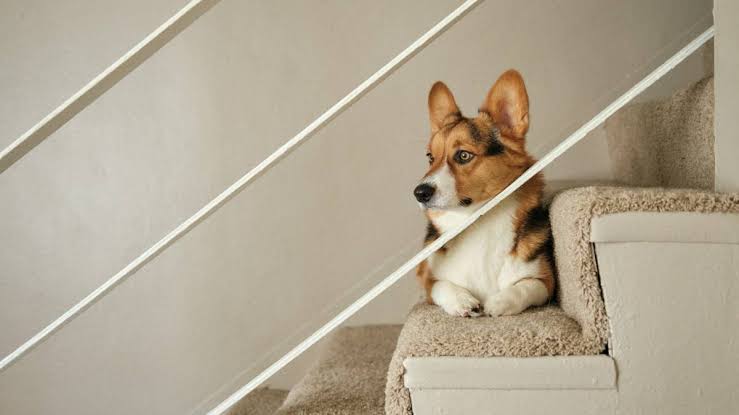
There is something deeply moving about a dog resting beside the front door.
To a human observer, it may look like an act of extraordinary patience.
From the dog’s perspective, the behavior may reflect attachment, habit, anticipation, or a combination of these factors.
Dogs Learn Where Reunions Happen
If an owner regularly enters through the same door, a dog may begin associating that location with positive experiences.
The entrance becomes a place where exciting reunions occur.
Over time, waiting there can become part of the dog’s routine.
Familiar Sounds Trigger Expectations
Dogs have sensitive hearing and can learn to distinguish sounds associated with familiar people.
A particular vehicle, footsteps, or the movement of a door may signal that someone important is approaching.
This can explain why a dog suddenly becomes alert even before the owner appears.
Attachment Makes Familiar People Important
For dogs with strong caregiver bonds, the return of a familiar person can be especially rewarding.
Greeting behaviors may include tail wagging, approaching, vocalizing, and seeking physical contact.
These behaviors reflect excitement and social engagement, although their exact meaning depends on the individual dog.
The emotional significance of waiting comes from the relationship behind it.
A dog is not necessarily counting the hours.
It is responding to a world shaped by the people it knows and trusts.
The Heartbreaking Stories of Dogs Who Waited for Someone Who Never Returned
Throughout history, stories of loyal dogs have captured the hearts of millions.
Perhaps the most famous example is Hachikō, the Japanese Akita remembered for his extraordinary devotion.
Hachikō belonged to Professor Hidesaburō Ueno, who worked at Tokyo Imperial University.
The dog became known for greeting his owner at Shibuya Station.
In 1925, Professor Ueno died unexpectedly and never returned home.
Hachikō nevertheless continued appearing at the station for years, becoming a powerful symbol of loyalty in Japan.
He died in 1935.
Today, his statue near Shibuya Station remains a beloved landmark and a reminder of the bond between dogs and humans.
Hachikō’s story is often described as proof of unconditional love.
Scientifically, we cannot know exactly what he understood about his owner’s absence or what he expected during those years.
But the documented pattern of his behavior and the relationship that inspired it continue moving people around the world.
His story reminds us that a familiar bond can leave a lasting imprint on an animal’s life.
And for anyone who has ever been loved by a dog, that idea is almost impossible to hear without emotion.
Can Dogs Understand When Their Owners Have Died?
One of the most painful questions pet lovers ask is whether dogs understand death.
Dogs can recognize changes in their environment, routines, and social relationships.
When someone disappears permanently, a dog may respond with changes in behavior.
Some dogs become quieter, seek more attention, lose interest in activities, or spend time in places associated with the absent person.
Others show relatively little visible change.
Researchers have not established that dogs understand death in the same abstract way humans do.
However, they can experience distress related to separation and changes in important social bonds.
This distinction matters.
It allows us to appreciate the emotional lives of dogs without assuming they interpret every event exactly as humans would.
A dog may not understand why a beloved person is no longer present.
But it can still experience the loss of familiar companionship, routines, and reassurance.
For families grieving a loved one, supporting a surviving pet with consistent routines, gentle attention, and appropriate veterinary care can help during the transition.
Why Dogs Love Their Owners So Deeply
Dogs have lived alongside humans for thousands of years.
Across generations, they have developed remarkable abilities to communicate and cooperate with people.
Many dogs pay close attention to human gestures, expressions, and behavior.
They learn routines, recognize familiar voices, and respond to the emotional atmosphere around them.
Research has also explored the role of oxytocin, a hormone involved in social bonding, during positive interactions between dogs and their caregivers.
These findings help explain why affectionate interactions can be rewarding for both species.
Yet the bond between a dog and its owner is not created by biology alone.
It grows through everyday experiences.
The morning walks.
The meals prepared with care.
The quiet evenings together.
The reassuring voice during a thunderstorm.
The familiar hand reaching down to offer affection.
For a dog, these repeated moments help establish trust and emotional security.
For a person, they often become memories that last a lifetime.
The Saddest Part of Loving a Dog Is How Quickly Time Passes

When you first bring a puppy home, it feels as though you have endless time together.
There will always be another morning walk.
Another game in the garden.
Another evening with your dog sleeping peacefully beside you.
Then, almost without noticing, the puppy begins to grow older.
The energetic footsteps become slower.
The fur around the muzzle turns gray.
The dog that once ran toward the door may begin walking more carefully.
And suddenly, the ordinary moments you barely noticed become the ones you wish you could keep forever.
This is one of the most difficult truths about loving dogs.
Their lives are often much shorter than ours.
We may experience many chapters of life with different people, places, and opportunities.
But our dogs spend their years building a familiar world around the routines and relationships they share with us.
That is why the small moments matter.
A few extra minutes on a walk.
A gentle touch before leaving for work.
The decision to put down your phone and enjoy an afternoon together.
These moments may seem ordinary today.
One day, they may become your most precious memories.
How to Help a Dog That Struggles When Left Alone
Although waiting for an owner can be normal, some dogs experience significant distress during separation.
Recognizing the warning signs is important for protecting their welfare.
Possible signs of separation-related problems include:
- Persistent barking or howling after departure
- Destructive behavior concentrated around exits
- Excessive pacing or restlessness
- Attempts to escape
- Inappropriate elimination associated with being left alone
- Excessive salivation or other signs of distress
These behaviors can have different causes, so they should not automatically be diagnosed as separation anxiety.
If your dog appears distressed, consider the following approaches.
Create a Predictable Daily Routine
Regular feeding, exercise, rest, and interaction can help dogs feel more secure.
Consistency is especially useful during periods of household change.
Provide Appropriate Enrichment
Food puzzles, safe chew toys, and suitable enrichment activities can help some dogs remain occupied.
Choose activities appropriate for your dog’s age, health, and preferences.
Build Comfort With Short Absences
Gradual training may help dogs learn to tolerate time alone.
For dogs with significant separation distress, training should proceed carefully and may require professional guidance.
Avoid Punishing Distress Behaviors
Punishment can increase fear and does not address the underlying cause of separation-related anxiety.
Instead, focus on understanding the behavior and supporting your dog’s emotional needs.
Seek Veterinary or Behavioral Support
If your dog shows persistent distress, consult a veterinarian or qualified animal behavior professional.
A tailored treatment plan can make a meaningful difference.
Helping a dog feel secure when alone is an important expression of responsible care.
What Dogs Teach Us About Love and Loyalty
Perhaps the greatest lesson dogs teach us is not that love means waiting forever.
It is that love is built through presence, consistency, and trust.
Dogs remind us to appreciate simple moments.
They greet familiar people with enthusiasm.
They find happiness in ordinary routines.
They offer companionship without needing elaborate explanations.
And they encourage us to slow down long enough to notice the world around us.
A dog does not need an expensive gift to enjoy your company.
A familiar walk, a comfortable place to rest, and time spent with someone it trusts can be deeply rewarding.
These are simple needs, but they reveal something important.
Meaningful relationships are often built through small acts of care repeated over time.
Final Thoughts: To Your Dog, Coming Home Means Everything
Somewhere tonight, a dog will hear a familiar sound outside the house.
Its ears will lift.
Its body will become alert.
Then the door will open, and someone it loves will finally walk inside.
To the person returning home, it may be an ordinary evening.
There are groceries to unpack, messages to answer, and responsibilities waiting.
But to the dog greeting them, that reunion is a moment of excitement and familiarity.
And perhaps that is the most beautiful truth about why dogs wait for their owners.
They build their lives around the people who make them feel safe, loved, and understood.
One day, the familiar sound of paws running toward the door may no longer fill the house.
The favorite sleeping spot may be empty.
The walks may become memories.
And the silence may feel heavier than you ever imagined.
When that day comes, you may realize that the dog you thought was always waiting for you was also teaching you something precious.
To appreciate the moments you still have.
To show love while there is time.
And to remember that the smallest daily routines can become the greatest treasures of a lifetime.
So tonight, when your dog comes to greet you, give them a little extra time. One day, you may wish you could experience that ordinary moment just once more.
Frequently Asked Questions About Why Dogs Wait for Their Owners
Why do dogs wait at the door for their owners?
Dogs may wait at the door because they associate that location with their owner’s return. Familiar routines, sounds, and strong attachment bonds can influence this behavior.
Do dogs miss their owners when they leave?
Yes, dogs can respond to the absence of familiar caregivers. Some remain comfortable alone, while others may experience separation-related distress.
Can dogs remember someone who has been gone for years?
Dogs have strong associative memories and can recognize familiar people through scent, voice, and other cues. However, the duration and nature of individual memories vary.
Do dogs understand when their owners die?
There is no clear evidence that dogs understand death in the same abstract way humans do. However, they can notice the permanent absence of a familiar person and experience changes in behavior associated with that loss.
Why are dogs so loyal to humans?
Dogs form strong social bonds with people through attachment, positive experiences, consistent care, and their long history of living alongside humans.
Is it normal for a dog to wait by the window all day?
Some dogs enjoy watching their surroundings or anticipating familiar arrivals. However, persistent distress, pacing, vocalization, or inability to settle may indicate a behavioral concern that deserves attention.
How can I help my dog feel less lonely?
Provide regular exercise, mental enrichment, predictable routines, positive interactions, and appropriate training. Consult a veterinarian if your dog shows signs of significant separation distress.
Leave a Reply