
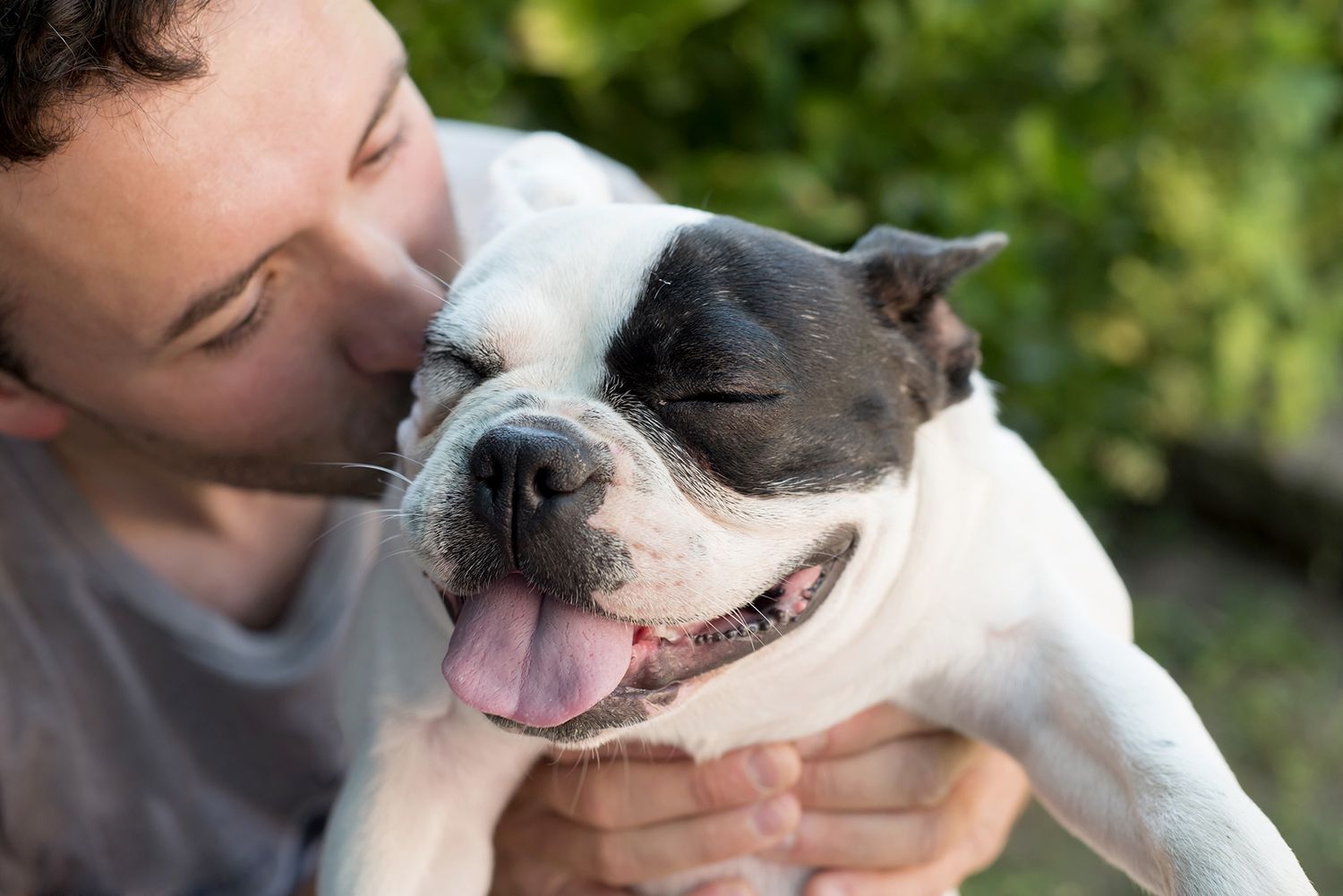
Your dog will never be able to say “I love you.” But every day, they may be telling you in a hundred little ways you’ve never noticed.
It’s in the gentle sound of paws following you down the hallway. The warm head resting against your knee after a difficult day. The familiar face waiting near the door, watching for the moment you return.
To us, these moments can seem ordinary. To a dog, they may be expressions of trust, attachment, comfort, and affection.
Dogs communicate differently from humans. They rely on body language, facial expressions, vocalizations, and learned behaviors to express how they feel. While no single action can prove that a dog feels love in the human sense, researchers have found that dogs form meaningful emotional bonds with their caregivers.
Understanding the signs your dog loves you can help you recognize their affection and build an even stronger relationship.
Here are 10 small but meaningful behaviors that may be your dog’s way of saying, “You’re my favorite person.”
1. Your Dog Follows You From Room to Room
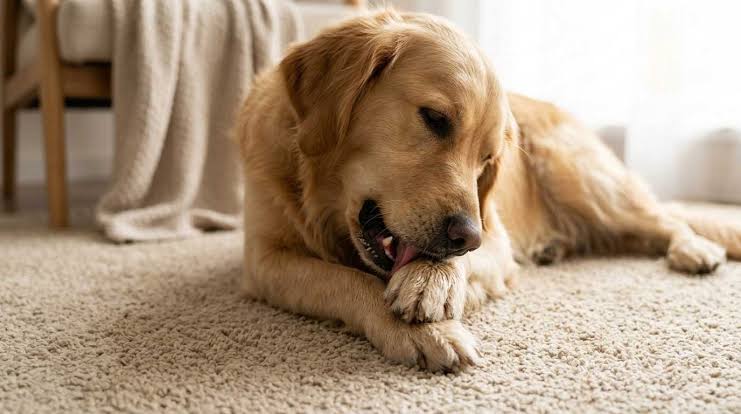
You stand up to get a glass of water, and suddenly your dog is behind you.
You walk into the bedroom, and there they are again. Even a short trip to the bathroom becomes a shared adventure.
Following you around can be a sign that your dog enjoys your company and feels connected to you.
Dogs are social animals, and many prefer staying close to familiar people. Your presence may provide comfort, security, and opportunities for interaction.
However, not every dog follows their owner for the same reason. Some are curious, others anticipate food or playtime, and some may struggle with separation-related anxiety.
What to look for: A relaxed dog that follows you calmly and settles nearby is often showing comfortable social attachment. A dog that panics when you leave may need additional support.
The next time you hear those familiar footsteps behind you, remember that your dog may simply enjoy being wherever you are.
2. Your Dog Looks Into Your Eyes With a Soft Expression
There is something special about the way a dog looks at someone they trust.
Not a hard stare or a nervous glance, but a gentle gaze accompanied by relaxed facial muscles and soft eyes.
Research suggests that friendly eye contact between dogs and their owners can be associated with oxytocin, a hormone involved in social bonding.
A well-known 2015 study published in Science found evidence of an oxytocin-related positive feedback loop during mutual gazing between dogs and their owners.
What it may mean: Your dog feels comfortable engaging with you and may be strengthening a familiar social bond.
Remember that prolonged direct staring can make some dogs uncomfortable. Let your dog choose whether to make eye contact.
Sometimes, a quiet look across the room can communicate more than an excited greeting.
3. Your Dog Leans Against Your Body
Perhaps you’re sitting on the couch when your dog slowly presses their body against your leg.
Or maybe they lean into you while you’re standing in the kitchen.
This simple behavior can be a form of affectionate physical contact.
Dogs may lean against familiar people because they enjoy closeness, seek reassurance, or want attention.
For some dogs, physical contact is an important part of feeling secure.
What to look for: If your dog’s body is loose, their expression is calm, and they willingly remain close, the contact may indicate comfort and trust.
However, leaning can sometimes occur when a dog feels uncertain or physically uncomfortable. Always consider the surrounding situation.
That small weight against your leg may be a reminder that your presence matters to them.
4. Your Dog Brings You Their Favorite Toy
Imagine your dog walking toward you with their favorite toy held carefully in their mouth.
They place it at your feet and look up expectantly.
It may seem like a simple invitation to play, but that invitation is meaningful.
Play is an important way dogs build and maintain social relationships.
When your dog repeatedly chooses you as a play partner, it can suggest that they associate you with positive experiences, excitement, and companionship.
What it may mean: Your dog wants to interact with you and enjoys the activities you share.
Not every toy delivery is an affectionate gift. Often, your dog is asking you to throw, tug, or play with the object.
But the emotional value is still real.
Out of all the things your dog could be doing, they chose to share a moment with you.
5. Your Dog Sleeps Near You
Dogs are vulnerable when they sleep.
During rest, they are less alert to their surroundings, which makes a safe and comfortable environment especially important.
If your dog regularly chooses to sleep beside your bed, near your feet, or in the same room, it may indicate that they feel secure in your presence.
Sleeping near a trusted person can be one of the quiet signs of a strong human-dog bond.
However, sleeping preferences also depend on temperature, bedding, noise, routine, and individual personality.
Some deeply attached dogs prefer sleeping alone because they enjoy more space or cooler surfaces.
What to look for: A dog that settles peacefully near you, sleeps comfortably, and appears relaxed is likely feeling safe.
Your dog doesn’t need to sleep in your bed to love you.
Sometimes, choosing a quiet corner of the same room is their way of staying close.
6. Your Dog Greets You With Genuine Excitement
You open the front door after a long day.
Before you’ve even put down your keys, your dog appears.
Their tail moves, their body wiggles, and they may bring you a toy or rush toward you with obvious enthusiasm.
Dogs often form strong attachments to familiar caregivers, and reunions can be emotionally significant.
A happy greeting may show that your dog recognizes you as someone important and associates your return with positive feelings.
What to look for: Loose body movements, relaxed facial expressions, and a broadly wagging body are generally more reassuring than a stiff posture or tense movements.
Remember that tail wagging alone does not always mean happiness. Context and overall body language matter.
And if your dog greets you quietly rather than jumping with excitement, that doesn’t mean they love you any less.
Some dogs express happiness with a gentle approach and a calm wag.
7. Your Dog Checks on You Throughout the Day
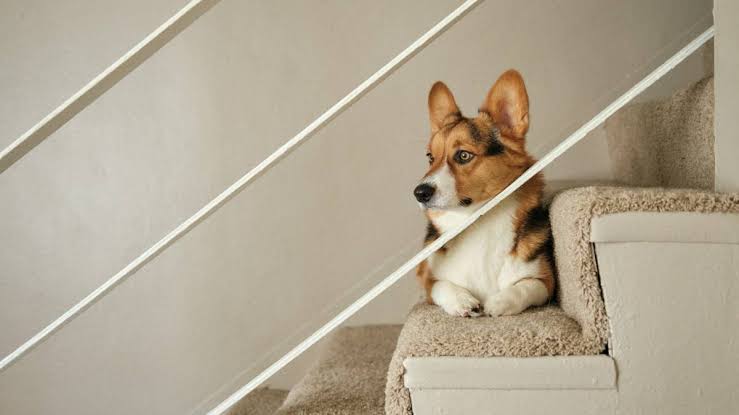
Have you ever noticed your dog lifting their head when you move?
Perhaps they glance toward you from their bed, walk over briefly, or follow you into another room before settling again.
Dogs pay close attention to the movements and routines of familiar people.
These small check-ins can reflect social awareness, curiosity, and attachment.
What it may mean: Your dog is keeping track of someone who plays an important role in their daily life.
Dogs also learn that human movements can predict meals, walks, or other activities, so not every glance is an expression of affection.
Still, a dog that comfortably alternates between independent rest and friendly interaction may have developed a secure relationship with you.
Love doesn’t always look dramatic.
Sometimes, it looks like a sleepy dog opening one eye just to see where you’ve gone.
8. Your Dog Shows You Their Belly While Relaxing
When a dog rolls onto their back, many owners immediately assume they are asking for a belly rub.
Sometimes, they are.
A relaxed dog may expose their belly while resting or inviting gentle physical contact.
In a familiar environment, this posture can be associated with comfort and trust.
However, showing the belly does not always mean a dog wants to be touched.
Some dogs roll onto their backs during stressful interactions as an appeasement behavior.
What to look for: A loose body, relaxed muscles, and a dog that voluntarily moves closer for more contact can suggest enjoyment.
If your dog freezes, turns away, licks their lips repeatedly, or appears tense, stop touching them and give them space.
Respecting your dog’s boundaries is one of the best ways to strengthen trust.
After all, affection should always feel safe for both of you.
9. Your Dog Responds to Your Emotions
Some dogs seem to notice when their owners are having a difficult day.
They may approach when someone is crying, rest nearby, or become more attentive when a familiar person’s behavior changes.
Scientific studies suggest that dogs can respond to human emotional cues, including facial expressions, vocal tones, and other signals.
However, researchers are still investigating exactly how dogs interpret human emotions and what motivates their responses.
A dog approaching someone who is upset may be responding to changes in voice, movement, or familiar routines rather than understanding sadness exactly as humans do.
What it may mean: Your dog is attentive to your behavior and may respond through proximity or social interaction.
Whether your dog rests their head on your lap or simply stays nearby, those moments can provide genuine emotional comfort.
They may not understand every problem you’re facing.
But their companionship can make a difficult day feel a little less lonely.
10. Your Dog Chooses to Be Near You Even When You Have Nothing to Offer
This may be one of the most meaningful signs of attachment.
You’re not holding a treat.
You’re not preparing dinner.
You’re not reaching for the leash or picking up a toy.
You’re simply sitting quietly, reading a book or watching the evening pass.
And your dog chooses to settle beside you.
Dogs certainly learn to associate people with food, walks, and rewards. But their relationships with caregivers can extend beyond those immediate benefits.
When a dog regularly seeks relaxed companionship without an obvious reward, it may reflect comfort, familiarity, and a positive social bond.
What to look for: Voluntary closeness, relaxed resting, and a willingness to spend peaceful time together.
Your dog doesn’t need constant excitement to enjoy being with you.
Sometimes, the most beautiful part of your relationship is simply sharing the same quiet space.
How to Tell If Your Dog Truly Trusts You
Recognizing dog affection signs becomes easier when you consider several behaviors together rather than relying on one gesture.
A dog that feels safe and comfortable with you may:
- Approach you voluntarily for friendly interaction.
- Display relaxed body language in your presence.
- Enjoy playing or resting near you.
- Seek reassurance from you in unfamiliar situations.
- Respond positively to familiar routines.
- Feel comfortable exploring independently and returning to you.
Every dog has a different personality.
Some are naturally affectionate and physically demonstrative, while others express attachment through quiet companionship.
A dog that doesn’t enjoy cuddling can still have a wonderful relationship with their owner.
The most important signs are consistent comfort, voluntary interaction, and mutual trust.
5 Simple Ways to Show Your Dog You Love Them Back
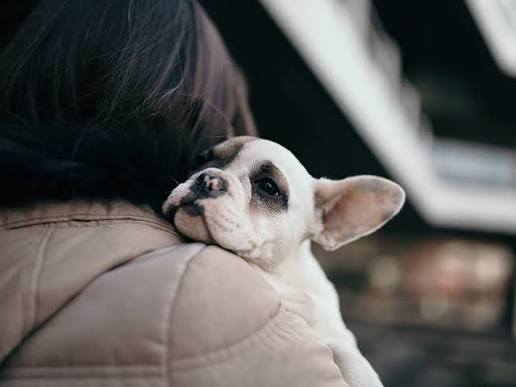
Understanding how dogs show love is only one part of building a healthy relationship.
You can also strengthen your bond through everyday actions.
1. Spend Quality Time Together
Daily walks, gentle play, and relaxed companionship help create positive shared experiences.
2. Respect Your Dog’s Personal Space
Allow your dog to move away from unwanted touching or interactions.
Giving them choices can help build trust.
3. Use Positive Reinforcement
Reward desirable behaviors with treats, praise, toys, or activities your dog enjoys.
Avoid harsh punishment, which can damage trust and increase fear.
4. Pay Attention to Their Body Language
Learn to recognize relaxed expressions as well as signs of stress, such as freezing, avoidance, or repeated lip licking.
5. Support Their Physical and Emotional Health
Provide suitable exercise, mental enrichment, veterinary care, proper nutrition, and a comfortable resting environment.
The best way to show your dog love is to help them feel safe, understood, and cared for every day.
Frequently Asked Questions About Signs Your Dog Loves You
How do dogs say “I love you” to their owners?
Dogs may express affection through voluntary closeness, friendly greetings, relaxed eye contact, play invitations, and comfortable physical contact. Their overall body language and the context of each behavior are important.
Does my dog love me if they follow me everywhere?
Following you can indicate attachment, curiosity, or anticipation of activities. However, persistent following accompanied by distress when separated may suggest anxiety rather than affection alone.
Why does my dog stare at me?
Dogs may look at their owners to communicate, seek attention, anticipate rewards, or engage socially. Soft, relaxed eye contact can be positive, while a hard stare with a tense body may signal discomfort.
Do dogs know when their owners are sad?
Research suggests dogs can recognize and respond to certain human emotional cues. However, their understanding of human sadness may differ from our own.
Does my dog love me if they don’t like cuddling?
Yes, a dog can form a strong attachment without enjoying hugs or prolonged physical contact. Many dogs prefer showing affection through play, proximity, or calm companionship.
What is the biggest sign that a dog trusts you?
There is no single definitive sign. A combination of relaxed behavior, voluntary interaction, comfortable rest, and positive responses to your presence provides stronger evidence of trust.
Final Thoughts: Your Dog May Be Showing Love in Ways You Never Noticed
One day, you may look back and realize that the most precious moments with your dog were never the extraordinary ones.
They were the ordinary mornings when your dog followed you into the kitchen.
The quiet evenings when they rested beside your chair.
The excited greetings after a long day.
The familiar sound of paws moving through the house.
Dogs don’t need words to form deep and meaningful relationships with us. Their affection often appears in the smallest behaviors, repeated so naturally that we sometimes forget how special they are.
Learning the signs your dog loves you helps you appreciate those moments while also understanding your dog’s needs, emotions, and boundaries.
So tonight, when your dog settles nearby or looks up at you with those familiar eyes, give them a little extra attention if they welcome it.
Because the beautiful thing about sharing your life with a dog isn’t that they can say “I love you.”
It’s that they give you so many opportunities to show them you love them, too.
Leave a Reply