
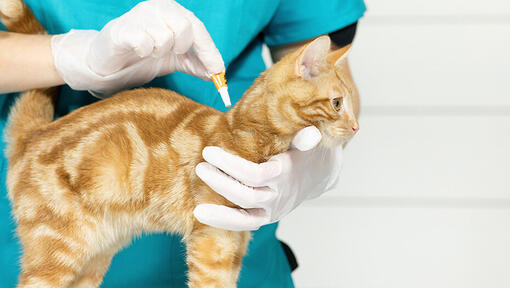
Fleas are one of the most common and frustrating problems cat owners face in the United States. These tiny parasites can cause intense itching, skin irritation, and even serious health issues if left untreated. Understanding how to treat and prevent fleas is essential to keeping your cat healthy, comfortable, and happy.
In this complete guide, we’ll break down everything you need to know about cats and fleas treatment—from identifying an infestation to choosing the most effective solutions and preventing future outbreaks.
What Are Fleas and Why Are They Dangerous for Cats?
Fleas are tiny, wingless insects that survive by feeding on the blood of animals. The most common species affecting cats is Ctenocephalides felis, also known as the cat flea.
Although small in size (about 2–3 mm), fleas can cause major problems. They multiply quickly, with a single female laying dozens of eggs per day.
Fleas are more than just a nuisance—they can:
- Cause severe itching and skin irritation
- Trigger allergic reactions (flea allergy dermatitis)
- Lead to hair loss and infections
- Transmit parasites like tapeworms
- Cause anemia in severe cases, especially in kittens
Because fleas reproduce rapidly and spread easily, early treatment is critical.
Signs Your Cat Has Fleas
Detecting fleas early can save your cat from discomfort and prevent a full-blown infestation.
Common signs include:
- Excessive scratching or grooming
- Red or irritated skin
- Hair loss (especially near the tail and neck)
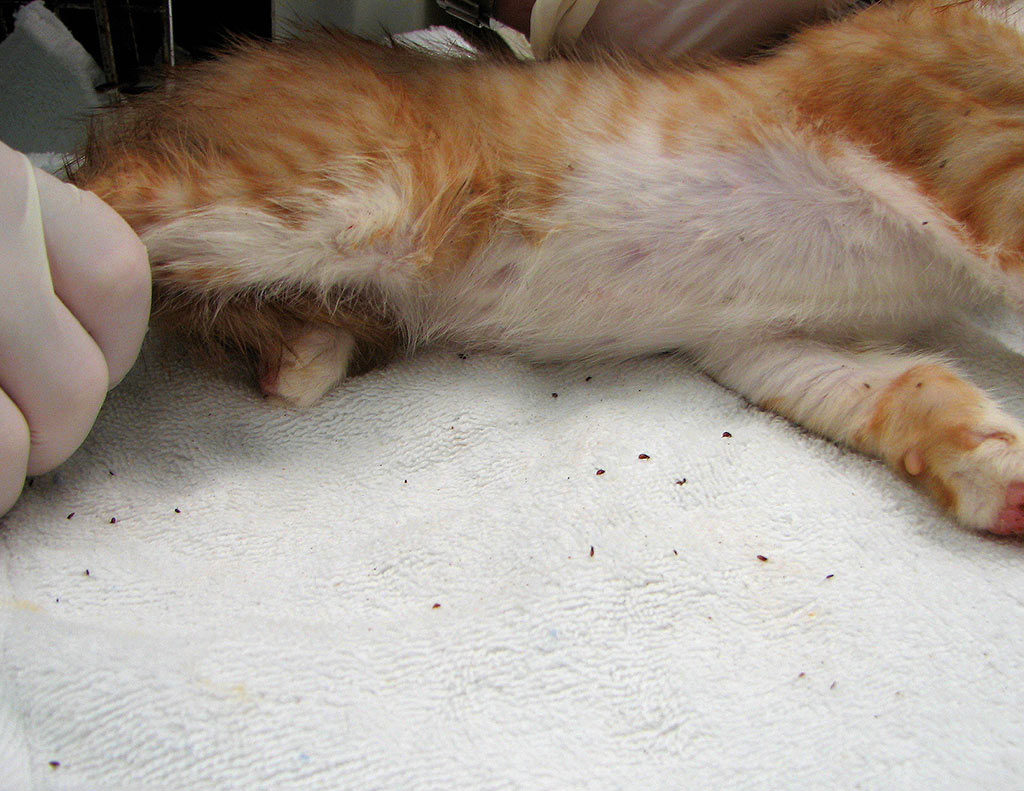
- Small black specks (flea dirt) in the fur
- Visible fleas moving through the coat
Flea dirt looks like black pepper and turns reddish when wet because it contains digested blood.
Even indoor cats are not safe—fleas can hitch a ride into your home on clothing, other pets, or household items.
Understanding the Flea Life Cycle
To effectively treat fleas, you must understand their life cycle:
- Eggs – Fall off the cat into carpets and bedding
- Larvae – Feed on organic debris
- Pupae – Develop inside protective cocoons
- Adults – Jump onto your cat and begin feeding
Only about 5% of fleas live on your cat—the rest are in your home environment.
This is why treating your cat alone is not enough—you must also treat your home.
Best Cats and Fleas Treatment Options
There are several effective ways to treat fleas on cats. The best approach often combines multiple methods.
1. Vet-Recommended Flea Medications
Veterinary-approved flea treatments are the most effective solution.
Common types include:
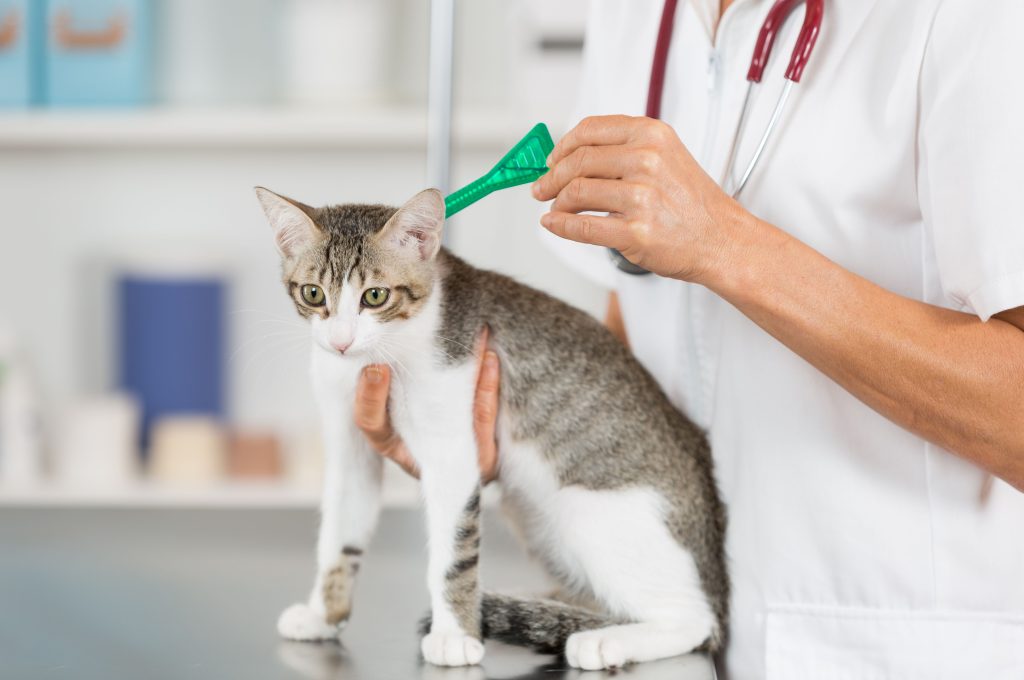
- Topical treatments (spot-on): Applied to the skin monthly
- Oral medications: Pills or chewables that kill fleas
- Flea collars: Provide long-term protection
These treatments kill adult fleas and sometimes prevent eggs from developing.
Veterinarians often recommend using prescription products because they are safer and more reliable than over-the-counter options.
2. Flea Baths and Shampoos
Bathing your cat with a flea shampoo can quickly kill fleas on contact.
- Works immediately
- Useful for severe infestations
- Does not prevent reinfestation
Even mild dish soap (used carefully) can help remove fleas in emergencies.
However, baths should always be followed by long-term flea prevention.
3. Flea Combing
A flea comb is a simple but effective tool.
- Removes adult fleas and flea dirt
- Helps monitor infestation levels
- Safe for kittens and sensitive cats
For best results, comb your cat daily and dip the comb in soapy water to kill fleas.
4. Treating Your Home Environment
Since most fleas live off your pet, cleaning your home is essential.
Key steps include:
- Vacuum carpets, rugs, and furniture thoroughly
- Wash pet bedding in hot water
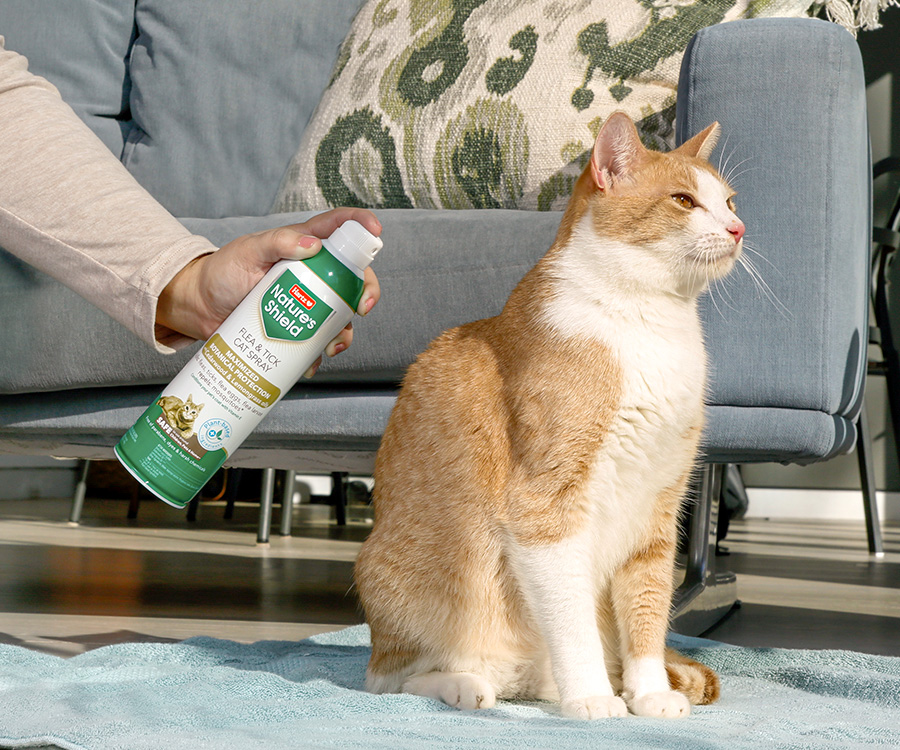
- Use pet-safe flea sprays
- Clean hidden areas like under furniture
Severe infestations may require professional pest control.
How Long Does Flea Treatment Take to Work?
The speed of treatment depends on the method used:
- Topical/oral medications: Start killing fleas within hours to days
- Full infestation control: May take several weeks
- Complete elimination: Often requires 2–3 months of consistent treatment
Consistency is key. Stopping treatment too early can lead to reinfestation.
Natural Remedies for Fleas: Do They Work?
Many pet owners look for natural solutions, but their effectiveness is limited.
Some commonly used methods include:
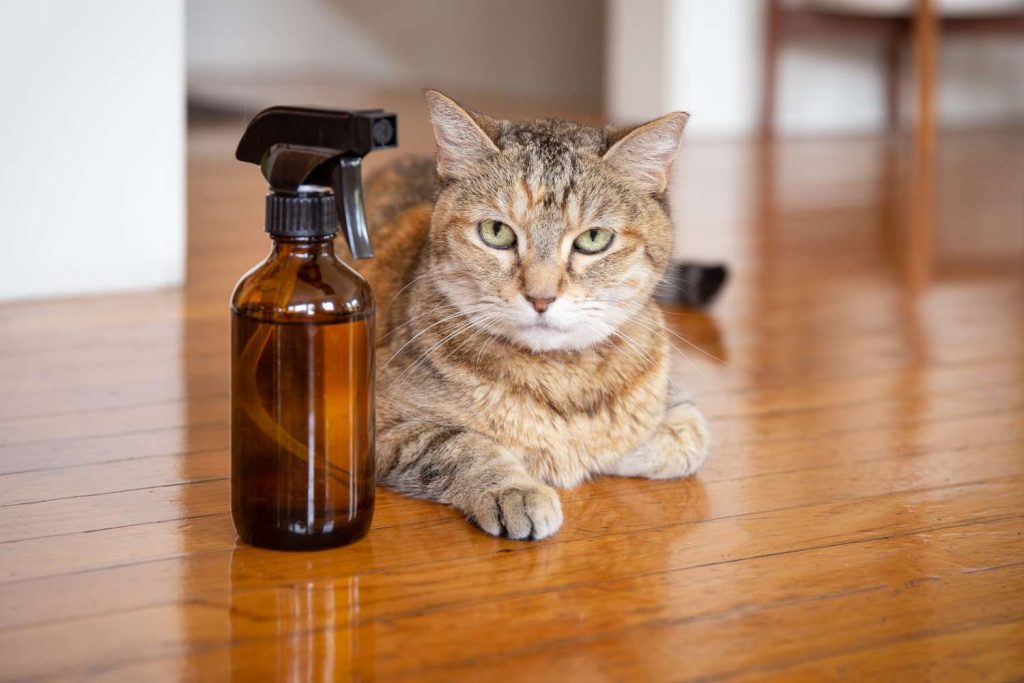
- Apple cider vinegar sprays
- Essential oils (with caution)
- Herbal flea powders
However, experts agree that natural remedies alone are not reliable for eliminating fleas.
They may help as a supplement, but not as a primary treatment.
Preventing Fleas on Cats
Prevention is always easier than treatment.
1. Year-Round Flea Prevention
Even indoor cats should be on monthly flea prevention, as infestations can occur year-round.
2. Regular Grooming
Brushing your cat helps you detect fleas early.
3. Clean Living Environment
Frequent vacuuming and washing reduce the risk of infestation.
4. Limit Exposure
Avoid contact with infested animals or environments.
Common Mistakes to Avoid
Many cat owners unintentionally make mistakes that worsen flea problems:
Using Dog Products on Cats
Some flea treatments for dogs are toxic to cats and can be life-threatening.
Not Treating All Pets
All animals in the household must be treated to prevent reinfestation.
Ignoring the Home
Focusing only on your cat allows fleas to continue breeding in your environment.
Stopping Treatment Too Early
Flea eggs and pupae can survive for weeks, so ongoing treatment is necessary.
When to See a Veterinarian
You should consult a vet if:
- Your cat has severe skin irritation or hair loss
- Fleas persist despite treatment
- Your cat shows signs of anemia (weakness, pale gums)
- You’re unsure which treatment to use
A veterinarian can recommend safe and effective solutions tailored to your cat’s needs.
Are Fleas a Year-Round Problem?
Yes. While flea activity peaks in warm, humid months, indoor heating allows fleas to survive year-round in homes.
This is why continuous prevention is strongly recommended.
Conclusion
Cats and fleas treatment requires a comprehensive approach that targets both your pet and its environment. From vet-approved medications to thorough home cleaning, every step plays a crucial role in eliminating fleas and preventing their return.
By staying consistent with treatment, maintaining a clean home, and using preventative measures year-round, you can protect your cat from discomfort and serious health risks.
A flea-free cat is not just happier—it’s healthier. And with the right approach, keeping fleas away becomes a simple part of responsible pet care.
Leave a Reply