
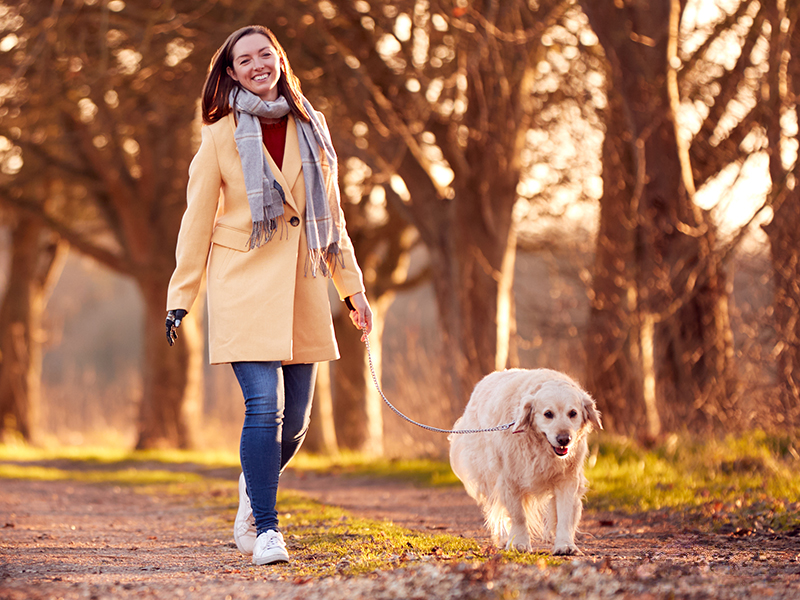
Dog walking is more than just a daily chore—it’s one of the most important activities you can do for your dog’s physical and mental well-being. Whether you’re a first-time pet owner or a seasoned dog parent, understanding the importance of regular walks can make a huge difference in your dog’s health, behavior, and happiness.
In the United States, dog walking has become a key part of pet care culture, helping millions of dogs stay active while strengthening the bond between pets and their owners. In this comprehensive guide, we’ll explore everything you need to know about dog walking—from benefits and routines to safety tips and common mistakes.
Why Dog Walking Is Essential
Dog walking is not just about letting your dog stretch its legs—it plays a crucial role in overall health and development.
Physical Health Benefits
Regular walks help dogs maintain a healthy weight, improve cardiovascular health, and strengthen muscles and joints. Walking is a low-impact exercise that benefits dogs of all ages.
For humans, walking a dog also offers significant health advantages. Studies show that regular activity with pets can reduce blood pressure, cholesterol, and stress levels.
Mental Stimulation
Dogs experience the world through their senses—especially smell. Walking exposes them to new environments, scents, and sounds, which keeps their minds active and engaged.
Without enough stimulation, dogs may develop boredom-related behaviors such as chewing, digging, or excessive barking.
Emotional Bonding
Daily walks strengthen the relationship between you and your dog. It’s quality time that builds trust, communication, and companionship.
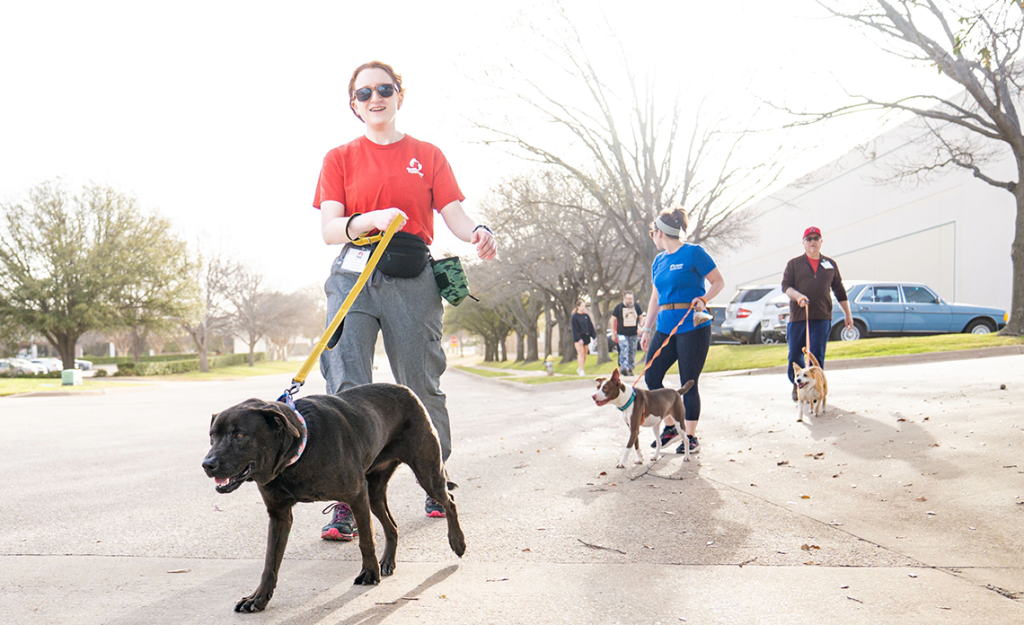
How Often Should You Walk Your Dog?
The ideal walking routine depends on your dog’s breed, age, and energy level.
- Most adult dogs: 30–60 minutes daily
- High-energy breeds: Up to 2 hours or more
- Puppies: Short, frequent walks
- Senior dogs: Gentle, shorter walks
Experts recommend at least 30 minutes of walking, five times a week for optimal health.
Consistency is more important than intensity. Even short daily walks can significantly improve your dog’s well-being.
Top Benefits of Dog Walking
1. Prevents Behavioral Problems
Dogs that don’t get enough exercise often develop destructive habits. Walking helps burn excess energy and reduces anxiety.
2. Supports Weight Management
Obesity is a common issue among dogs in the U.S. Regular walking helps maintain a healthy weight.
3. Improves Social Skills
Walks expose dogs to people, other pets, and new environments, helping them become more confident and well-behaved.
4. Encourages Routine
Dogs thrive on routine. Daily walks provide structure and predictability.
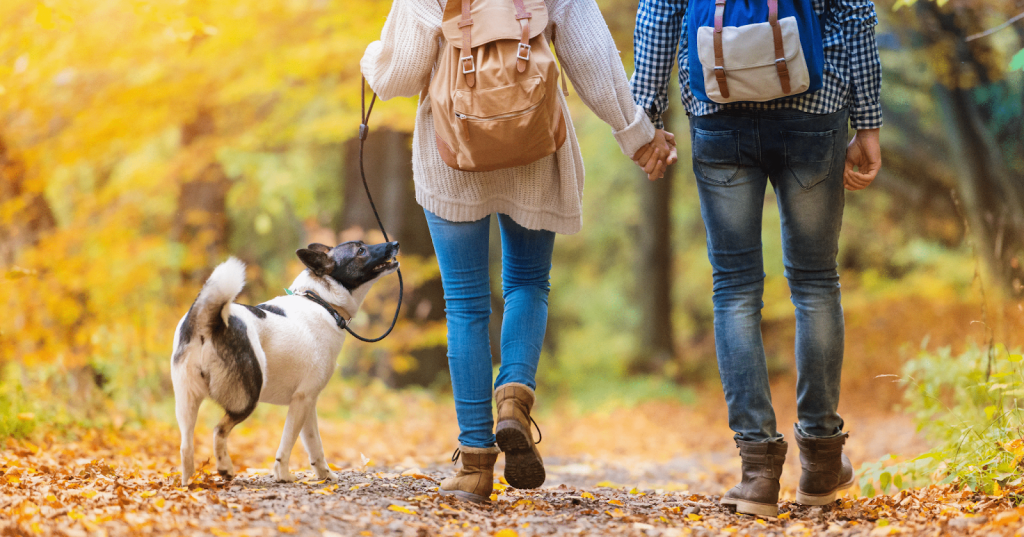
Essential Dog Walking Tips
To make your walks safe and enjoyable, follow these expert tips:
1. Choose the Right Time
Avoid walking during extreme heat or cold. Early mornings and evenings are usually the best times, especially in hot weather.
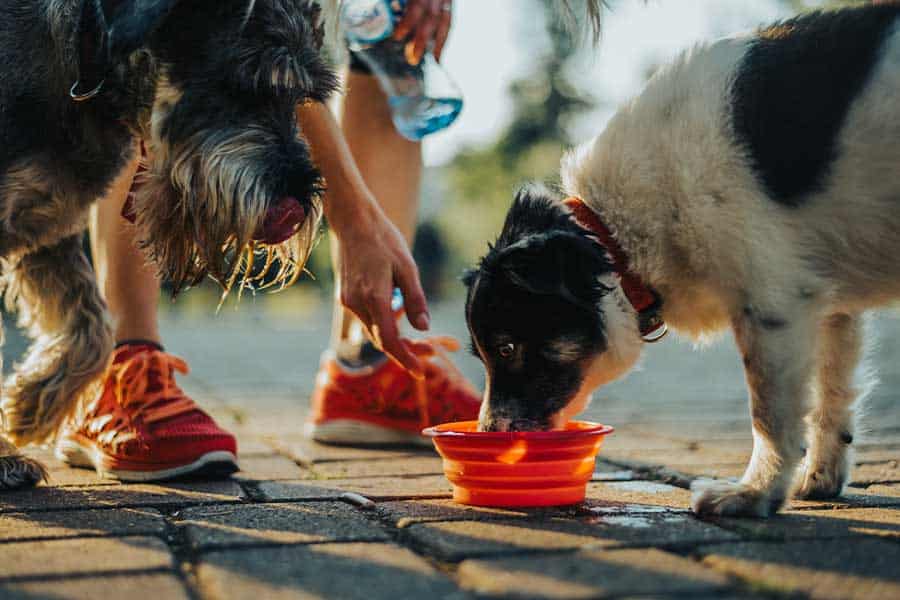
2. Bring Water
Hydration is essential, particularly on longer walks or during summer.
3. Use Proper Gear
A well-fitted harness or collar and a sturdy leash are must-haves for safe walking.
4. Carry Waste Bags
Always clean up after your dog—it’s part of responsible pet ownership.
5. Let Your Dog Explore
Allow time for sniffing and exploring. It’s mentally enriching and enjoyable for your dog.
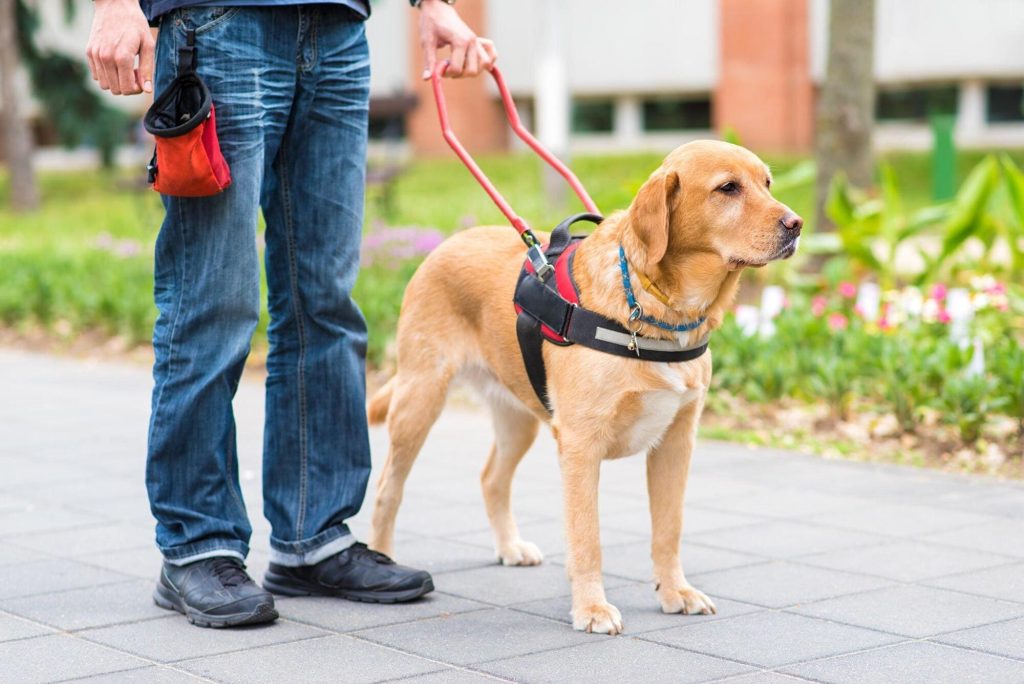
Dog Walking Safety Tips
Safety should always be a priority when walking your dog.
Watch the Weather
Hot pavement can burn your dog’s paws, while extreme cold can cause discomfort or injury.
Stay Visible
If walking at night, use reflective gear to ensure visibility.
Avoid Distractions
Stay focused during walks. Sudden pulls on the leash can cause injuries if you’re not paying attention.
Keep Your Dog Under Control
Always use a leash in public areas unless it’s a designated off-leash zone.
Common Dog Walking Mistakes
Even experienced dog owners can make mistakes. Here are some to avoid:
1. Skipping Walks
Dogs need regular exercise. Skipping walks can lead to behavioral issues.
2. Walking Too Fast
Dogs enjoy exploring. Rushing the walk reduces their mental stimulation.
3. Not Training on the Leash
Pulling can make walks stressful. Loose-leash training improves the experience.
4. Ignoring Your Dog’s Needs
Pay attention to signs of fatigue, overheating, or discomfort.
Dog Walking Gear Checklist
Before heading out, make sure you have:
- Leash and harness
- Water bottle
- Waste bags
- Treats for training
- Reflective gear (if needed)
Having the right gear ensures a smooth and enjoyable walk.
How to Train Your Dog to Walk Properly
Training is key to successful dog walking.
Start with Basic Commands
Teach commands like “sit,” “stay,” and “heel.”
Use Positive Reinforcement
Reward good behavior with treats and praise.
Practice Consistency
Regular training sessions help reinforce good habits.
Be Patient
Every dog learns at its own pace.
Dog Walking for Busy Owners
If you have a busy schedule, don’t worry—there are still ways to ensure your dog gets enough exercise:
- Hire a professional dog walker
- Use dog walking apps
- Schedule shorter but frequent walks
- Combine walks with playtime
Even quick walks can provide physical and mental benefits.
Seasonal Dog Walking Tips
Summer
- Walk during cooler hours
- Avoid hot pavement
- Bring extra water
Winter
- Use dog jackets if needed
- Avoid icy surfaces
- Keep walks shorter
Rainy Days
- Use waterproof gear
- Dry your dog after walks
Adjust your routine based on weather conditions to keep your dog comfortable.
Is Dog Walking Enough Exercise?
For many dogs, walking is sufficient. However, high-energy breeds may need additional activities like running, hiking, or playing fetch.
Walking should be part of a broader exercise routine that includes both physical and mental stimulation.
The Rise of Dog Walking Culture in the U.S.
Dog walking has become more than just a necessity—it’s a lifestyle. From urban dog parks to professional walking services, Americans are increasingly prioritizing their pets’ well-being.
With more people working from home and adopting pets, daily walks have become a key part of maintaining a healthy routine for both dogs and their owners.
Conclusion
Dog walking is one of the simplest yet most powerful ways to improve your dog’s quality of life. It supports physical health, mental stimulation, and emotional bonding—all while giving you a chance to stay active too.
By establishing a consistent routine, using proper techniques, and prioritizing safety, you can turn daily walks into one of the most rewarding parts of your dog’s day.
Whether it’s a quick stroll around the block or a long walk in the park, every step you take with your dog brings you closer together—and keeps both of you healthier and happier.
Leave a Reply