Introduction
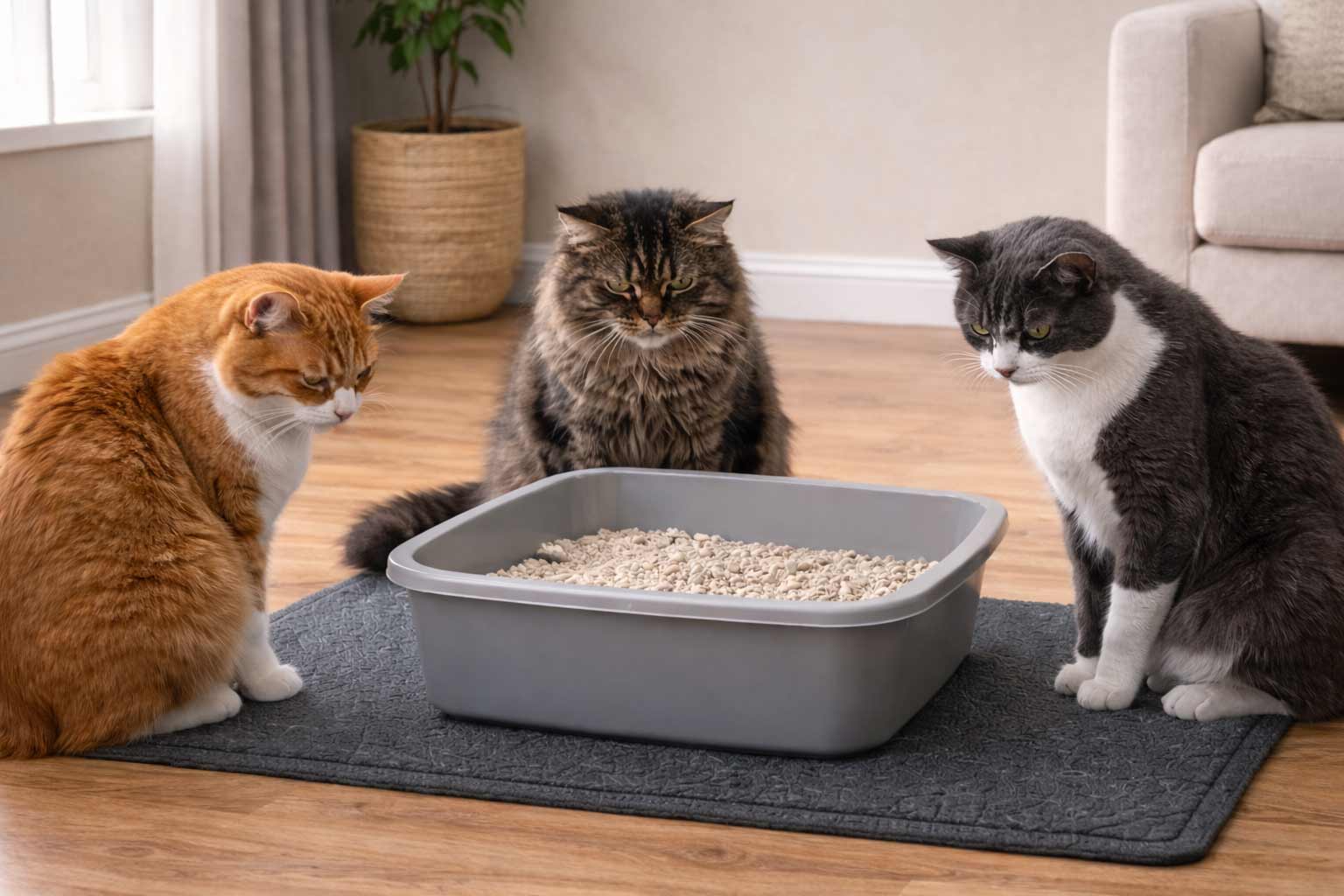
Cat litter is one of the most essential products for any cat owner. It plays a critical role in maintaining cleanliness, controlling odors, and ensuring your cat has a comfortable place to do its business. With so many options available today—from traditional clay to eco-friendly alternatives—choosing the right cat litter can feel overwhelming.
This comprehensive guide breaks down everything you need to know about cat litter, including its types, benefits, and how to select the best option for your pet and home. Whether you’re a new cat owner or looking to upgrade your current setup, this article will help you make a confident decision.
What Is Cat Litter and Why It Matters
Cat litter is a specially designed material used in litter boxes to absorb and contain a cat’s waste. Its primary purpose is to maintain hygiene while minimizing unpleasant odors. Over the years, cat litter has evolved significantly, offering improved performance, convenience, and environmental sustainability.
Using cat litter is not just about cleanliness—it directly impacts your cat’s health and behavior. A clean, comfortable litter box encourages proper usage and reduces the risk of accidents around your home.
Types of Cat Litter
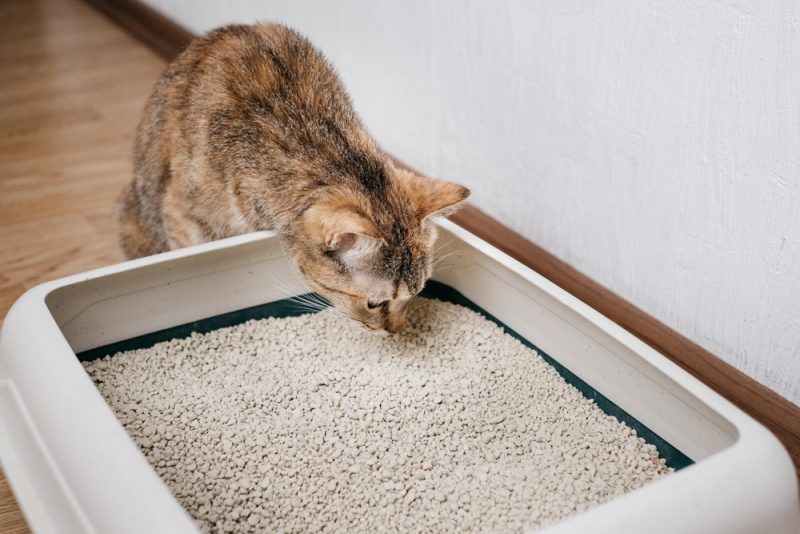
Understanding the different types of cat litter is the first step in finding the right fit. Each type has unique features, advantages, and drawbacks.
1. Clumping Clay Litter
Clumping clay litter is one of the most popular choices among cat owners. Made from bentonite clay, it forms solid clumps when wet, making it easy to scoop waste.
Key Features:
- Excellent clumping ability
- Strong odor control
- Widely available and affordable
Pros:
- Easy to clean daily
- Ideal for multi-cat households
- Reliable performance
Cons:
- Not biodegradable
- Can produce dust
- Heavy to carry
Clumping litter dominates the market due to its convenience and effectiveness in maintaining a clean litter box.
2. Non-Clumping Clay Litter
This traditional option absorbs moisture but does not form clumps. It requires more frequent full replacements.
Pros:
- Budget-friendly
- Good absorption
Cons:
- Less effective odor control
- More maintenance required
3. Silica Gel (Crystal) Litter
Silica gel litter consists of small crystals that absorb moisture and control odors efficiently.
Key Benefits:
- Long-lasting odor control
- Low dust
- Lightweight
Some silica litters can last up to a month before needing replacement, making them a low-maintenance option.
Drawbacks:
- Higher cost
- Not ideal for all cats due to texture
4. Natural & Biodegradable Litter
Natural litters are made from materials like corn, wheat, wood, paper, or tofu. They are gaining popularity due to their eco-friendly nature.
Advantages:
- Biodegradable and sustainable
- Low dust and chemical-free
- Gentle on sensitive paws
Disadvantages:
- More expensive
- May require frequent changes
Natural options are often recommended for cats with allergies or respiratory sensitivities.
5. Pine and Wood Pellet Litter
Wood-based litter offers a natural scent and good absorbency.
Best For:
- Odor control
- Eco-conscious households
However, pellet textures may not suit all cats, especially those used to softer materials.
6. Recycled Paper Litter
Paper litter is soft, lightweight, and dust-free, making it ideal for kittens or injured cats.
Benefits:
- Gentle on paws
- Minimal dust
- Highly absorbent
Benefits of Using Cat Litter
1. Odor Control
High-quality cat litter traps moisture and neutralizes odors, keeping your home fresh. Some advanced formulas can control smells for extended periods.
2. Improved Hygiene
Cat litter helps contain waste and prevents bacteria from spreading, creating a cleaner environment for both pets and humans.
3. Convenience and Easy Maintenance
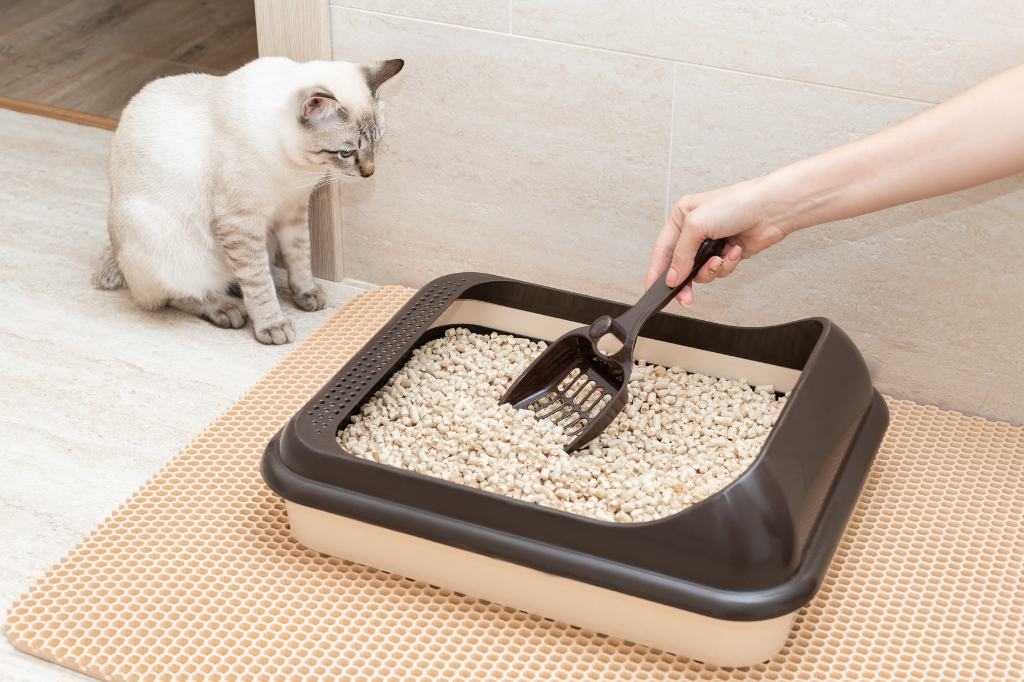
Modern litters are designed for easy cleaning, especially clumping varieties that allow quick removal of waste.
4. Comfort for Cats
Cats are naturally clean animals. A comfortable litter texture encourages regular use and reduces stress.
5. Health Benefits
Low-dust and natural litters reduce respiratory irritation for both cats and owners. Choosing the right litter can significantly impact your pet’s well-being.
How to Choose the Best Cat Litter
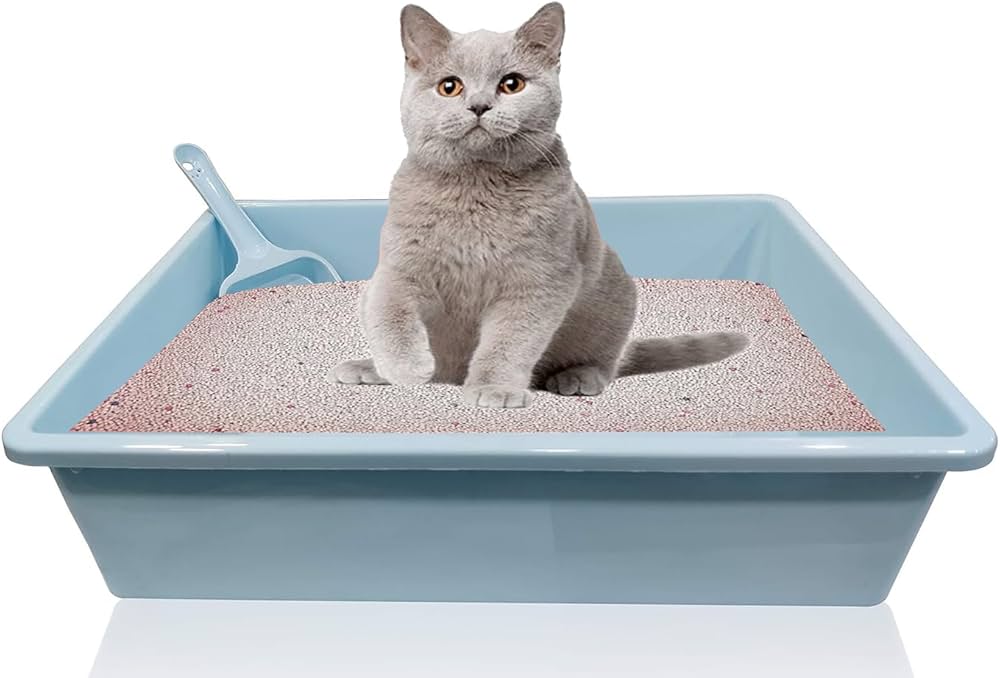
Selecting the right cat litter depends on several factors:
1. Your Cat’s Preference
Cats can be picky. Texture, scent, and material all influence their comfort. If your cat avoids the litter box, the litter type may be the issue.
2. Odor Control Needs
For small apartments or multi-cat homes, strong odor control is essential. Clumping clay or silica gel litters are excellent choices.
3. Dust Levels
Low-dust or dust-free options are crucial for preventing respiratory issues, especially in enclosed spaces.
4. Environmental Impact
If sustainability matters to you, consider biodegradable options like corn, wood, or paper litter.
5. Budget
Clay litter is generally more affordable, while natural and crystal litters tend to cost more.
Current Trends in Cat Litter (2026)
The cat litter industry is evolving rapidly, driven by innovation and consumer demand.
- Eco-friendly products are rising: More pet owners are choosing biodegradable options.
- Premiumization: Consumers are willing to pay more for better performance and convenience.
- Smart solutions: Self-cleaning litter boxes and advanced materials are becoming more popular.
The global cat litter market continues to grow steadily, reflecting increasing pet ownership and demand for high-quality products.
Common Mistakes to Avoid
- Switching litter too quickly: Always transition gradually to avoid stressing your cat.
- Ignoring cleaning routines: Even the best litter won’t work if not maintained properly.
- Choosing based on price alone: Cheaper options may lead to more cleaning and odor issues.
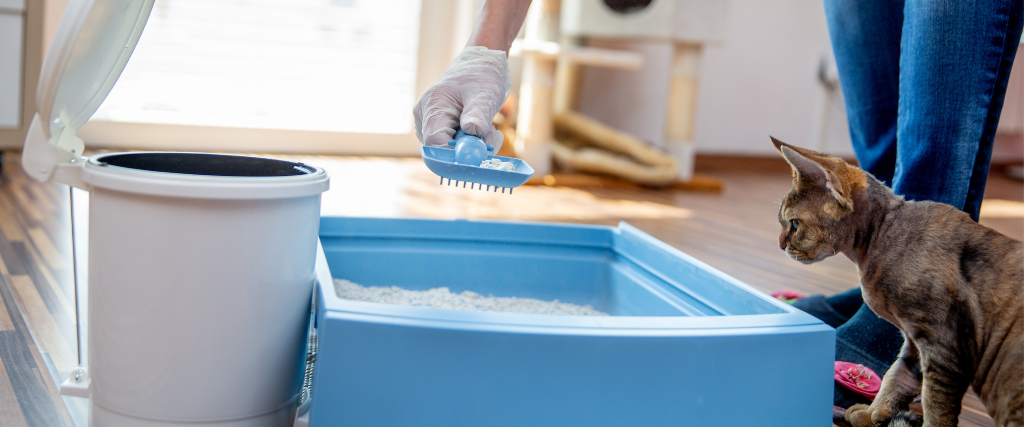
Tips for Better Litter Box Management
- Scoop waste daily
- Replace litter regularly
- Use a litter mat to reduce tracking
- Place the litter box in a quiet, accessible location
- Keep multiple boxes if you have more than one cat
Frequently Asked Questions (FAQ)
What is the best type of cat litter?
Clumping clay litter is the most popular due to its convenience, but natural and silica options are also excellent depending on your needs.
Is natural cat litter better?
Natural litter is more eco-friendly and often safer for sensitive cats, but it may cost more and require more frequent replacement.
How often should I change cat litter?
It depends on the type. Clumping litter can last longer with daily scooping, while non-clumping litter needs more frequent changes.
Can I mix different types of litter?
Yes, mixing can help transition your cat to a new type gradually.
Conclusion
Choosing the right cat litter is essential for maintaining a clean home and ensuring your cat’s comfort and health. With a wide range of options available—from traditional clay to eco-friendly alternatives—there’s a perfect solution for every household.
Focus on your cat’s preferences, your lifestyle, and your budget when making a decision. By selecting the right litter and maintaining proper hygiene, you can create a safe, odor-free environment that both you and your feline companion will appreciate.
Leave a Reply