
Introduction
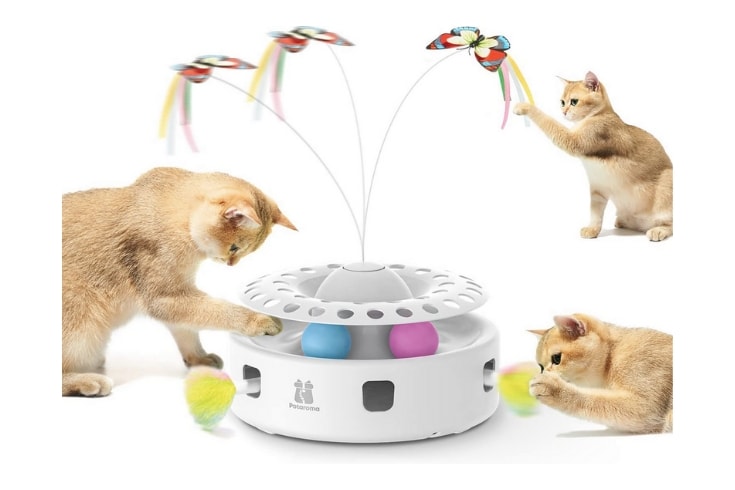
Cat toys are more than just fun accessories—they are essential tools for keeping your feline healthy, active, and mentally stimulated. Whether you have a playful kitten or a laid-back senior cat, the right toys can significantly improve their quality of life.
In today’s pet care world, cat toys come in countless styles, from simple balls to high-tech interactive gadgets. But not all toys are created equal. Choosing the right one depends on your cat’s personality, instincts, and lifestyle.
This complete guide will walk you through everything you need to know about cat toys, including their benefits, popular types, and how to choose the best options for your furry companion.
What Are Cat Toys and Why Are They Important
Cat toys are specially designed items that stimulate a cat’s natural behaviors such as hunting, chasing, scratching, and pouncing. These instincts are deeply rooted in a cat’s DNA, even for indoor pets.
Toys play a critical role in feline development and daily well-being. They help kittens learn appropriate play behavior and keep adult cats engaged and active.
Without proper stimulation, cats can become bored, stressed, or even destructive. Providing the right toys helps prevent issues like scratching furniture or overeating due to inactivity.
Types of Cat Toys
Understanding the different types of cat toys is key to finding the right match for your pet. Each category serves a unique purpose and appeals to different instincts.
1. Interactive Cat Toys
Interactive toys are designed for playtime between you and your cat. These include feather wands, teaser rods, and string toys.
Why they work:
- Mimic real prey movements
- Encourage jumping, chasing, and pouncing
- Strengthen the bond between owner and cat
Wand toys are especially effective because they replicate the motion of birds or small animals, triggering your cat’s hunting instincts.
2. Catnip Toys
Catnip toys are filled with dried catnip, a natural herb that can trigger playful or relaxed behavior in many cats.
Benefits:
- Boost excitement and engagement
- Reduce stress and anxiety
- Encourage physical activity
Not all cats respond to catnip, but for those that do, it can create a highly stimulating play experience.
3. Ball and Chase Toys
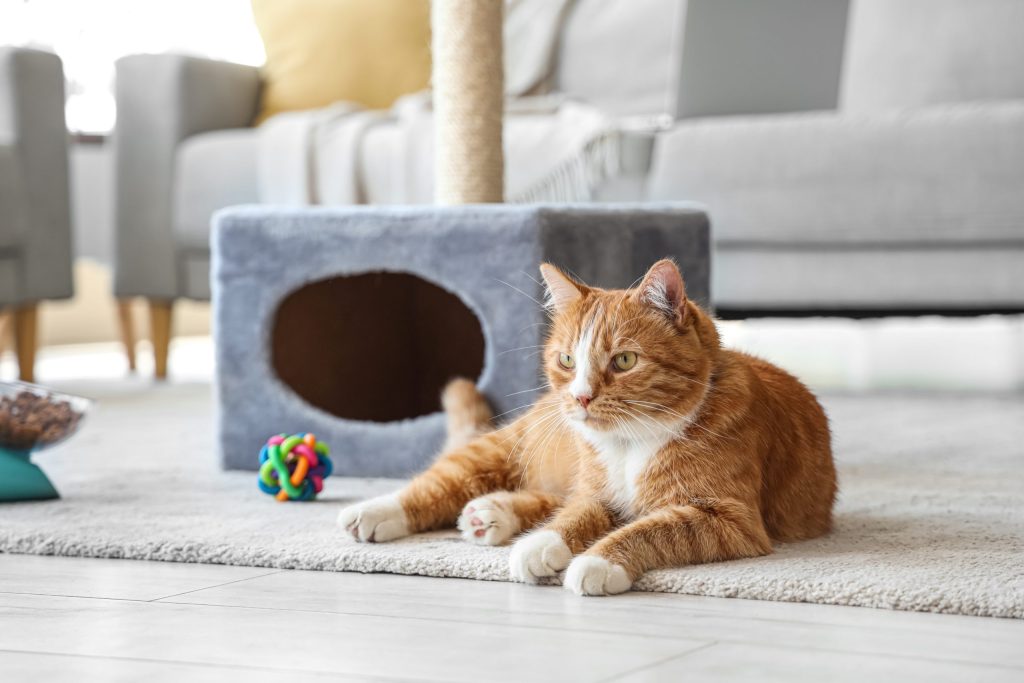
These include small balls, toy mice, and spring toys that cats can bat around and chase.
Key features:
- Promote independent play
- Great for exercise
- Encourage stalking behavior
Cats often treat these toys like prey, chasing and pouncing on them throughout the house.
4. Electronic and Motion-Activated Toys
Modern cat toys often include battery-powered or sensor-based features that move automatically.
Advantages:
- Keep cats entertained when you’re busy
- Provide unpredictable movement
- Ideal for indoor cats
Motion-activated toys can simulate prey behavior, making them especially engaging.
5. Puzzle and Treat-Dispensing Toys
These toys challenge your cat mentally by requiring them to solve a problem to access treats.
Why they’re useful:
- Improve cognitive skills
- Reduce boredom
- Slow down eating habits
They are especially beneficial for intelligent or highly energetic cats.
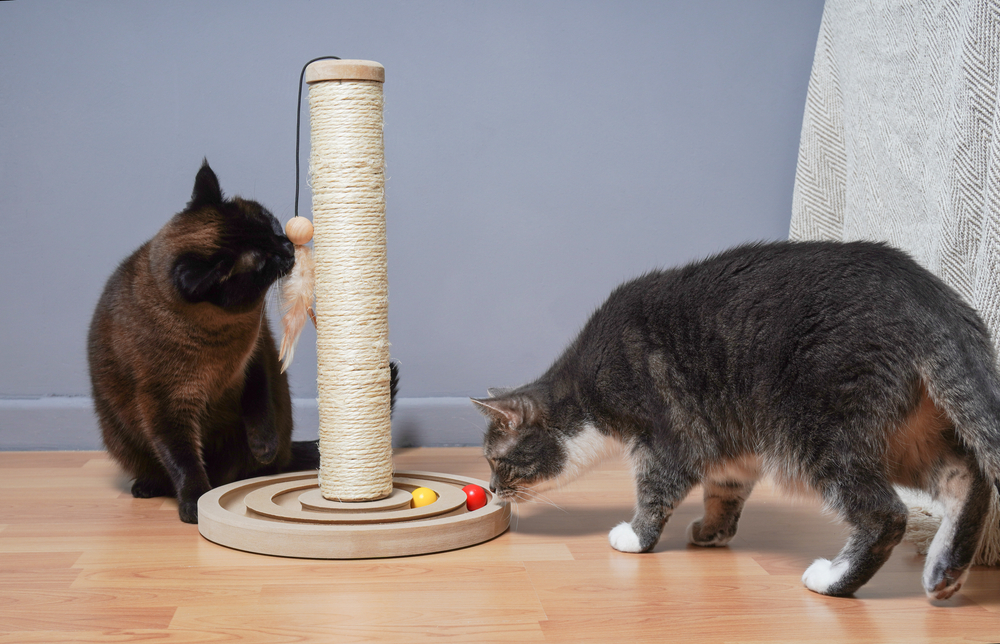
6. Scratching and Climbing Toys
Scratchers, cat trees, and climbing structures are also considered toys because they provide entertainment and fulfill natural instincts.
Benefits:
- Protect furniture
- Support claw health
- Provide physical exercise
Scratchers allow cats to mark territory and maintain their claws.
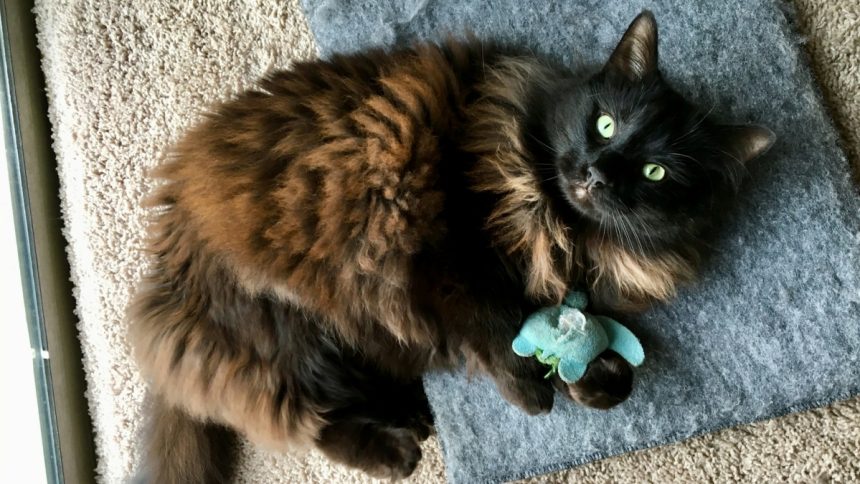
7. Comfort and Plush Toys
Soft toys can act as companions for cats, especially when they are alone.
Best for:
- Kittens
- Cats that enjoy cuddling or wrestling
Some plush toys are designed for kicking and biting, mimicking prey capture behavior.
Benefits of Cat Toys
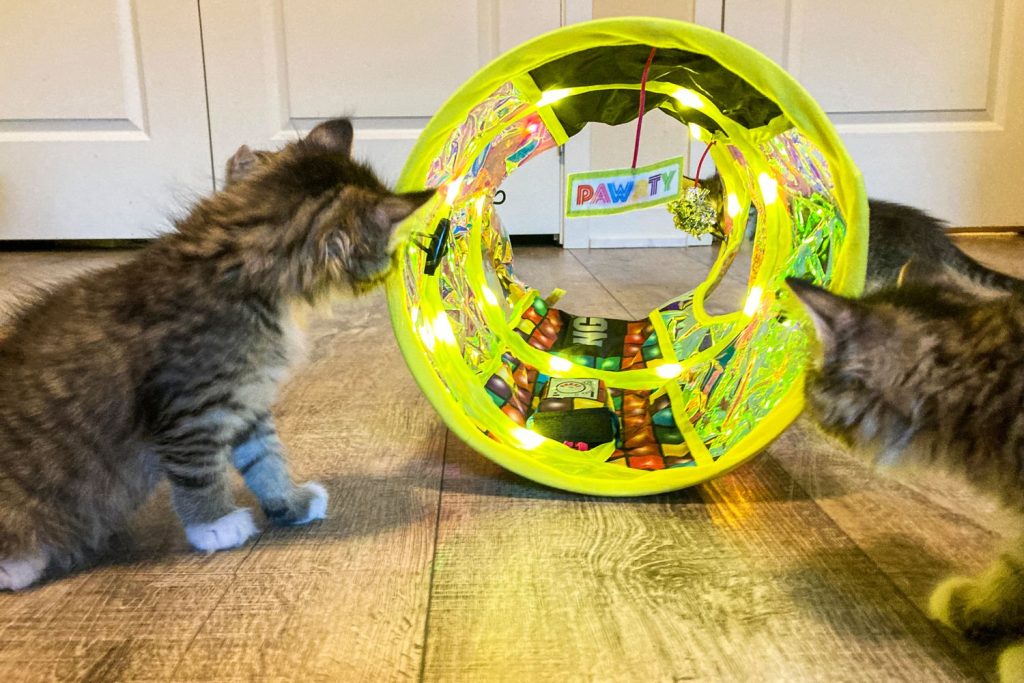
1. Physical Exercise
Regular play helps cats stay active, preventing obesity and related health problems like diabetes and joint issues.
2. Mental Stimulation
Toys challenge your cat’s brain and prevent boredom, which is crucial for indoor cats.
3. Behavioral Improvement
Cats without stimulation may develop destructive habits. Toys provide a safe outlet for natural instincts like scratching and hunting.
4. Strengthened Bond
Interactive play strengthens the relationship between you and your cat, building trust and emotional connection.
5. Stress Relief
Playtime reduces anxiety and keeps cats emotionally balanced, especially in indoor environments.
How to Choose the Best Cat Toys
Choosing the right cat toy isn’t just about picking the cutest option. Here are key factors to consider:
1. Your Cat’s Personality
Every cat is different. Some prefer chasing, while others enjoy climbing or solving puzzles.
Tip: Try different types and observe what your cat enjoys most.
2. Age and Activity Level
- Kittens: Soft, simple toys
- Adult cats: Interactive and challenging toys
- Senior cats: Gentle, low-impact toys
3. Safety
Always choose toys made from non-toxic materials and avoid small parts that can be swallowed.
4. Variety and Rotation
Cats can get bored quickly. Rotating toys keeps them interested and engaged over time.
5. Indoor vs. Outdoor Lifestyle
Indoor cats need more stimulation, so interactive and electronic toys are highly recommended.
Common Mistakes to Avoid
- Buying too many toys at once: Cats may ignore most of them
- Ignoring safety risks: Avoid toys with loose strings or small parts
- Not engaging in playtime: Cats need interaction, not just solo toys
- Using the same toys repeatedly: Leads to boredom
Expert Tips for Better Playtime
- Schedule short play sessions daily
- Mimic prey movements when using interactive toys
- Let your cat “catch” the toy to complete the hunting cycle
- Play during dawn or dusk when cats are most active
Frequently Asked Questions (FAQ)
What are the best cat toys?
Interactive toys like feather wands and motion toys are among the most effective because they stimulate natural hunting instincts.
Do indoor cats really need toys?
Yes, toys are essential for indoor cats to stay active and mentally stimulated.
How often should I play with my cat?
At least 10–15 minutes daily, ideally split into multiple short sessions.
Are expensive cat toys better?
Not necessarily. Cats often enjoy simple toys as long as they mimic prey behavior.
Conclusion
Cat toys are a vital part of your pet’s daily life. They provide physical exercise, mental stimulation, and emotional enrichment while preventing boredom and destructive behavior.
The best approach is to offer a variety of toys that match your cat’s personality and rotate them regularly. Whether it’s a simple ball or an advanced interactive toy, the right choice can transform your cat’s happiness and well-being.
Investing in quality cat toys isn’t just about entertainment—it’s about giving your feline friend a healthier, more fulfilling life.
Leave a Reply