
Dogs are loyal companions, but unlike humans, they can’t tell us when something is wrong. That’s why it’s essential for pet owners to recognize early warning signs of illness. Sometimes, what seems like a minor issue can quickly become life-threatening if ignored.
Understanding your dog’s behavior and physical condition is key to protecting their health. In this guide, we’ll break down five critical warning signs that indicate your dog may be sick and needs to see a veterinarian immediately.
Why Early Detection Matters
Dogs often hide pain or discomfort due to their natural instincts. By the time symptoms become obvious, the condition may already be serious. According to veterinary sources, recognizing unusual signs early can significantly improve treatment outcomes and even save your dog’s life.
Timely action is especially important because many canine illnesses—ranging from infections to internal injuries—progress rapidly if untreated.
1. Open Wounds or Visible Injuries
One of the most obvious signs your dog needs medical attention is a visible wound.
What to Look For
- Cuts, bites, or deep scratches
- Bleeding that doesn’t stop
- Swelling or redness around the injury
Dog fights, accidents, or sharp objects can cause injuries that may look minor at first but can quickly become infected. Even small bite wounds can introduce harmful bacteria beneath the skin.
Why It’s Serious
If left untreated, wounds can lead to infections, tissue damage, or even necrosis (tissue death). Immediate cleaning and professional care are crucial.
What You Should Do
- Clean the wound gently if possible
- Avoid applying human medications
- Take your dog to the vet as soon as possible
2. Signs of Internal Injury
Not all injuries are visible. Internal trauma can be far more dangerous because it often goes unnoticed.
Warning Signs
- Limping or difficulty walking
- Sudden behavioral changes (fear, aggression, or withdrawal)
- Signs of pain when touched
Internal injuries may occur after falls, collisions, or accidents. Even if your dog looks fine externally, underlying damage could be severe.
Why It’s Dangerous
Internal bleeding, fractures, or organ damage can worsen rapidly without treatment. These conditions require immediate veterinary evaluation.
What You Should Do
If you suspect internal injury, do not wait. Transport your dog carefully and seek veterinary help right away.
3. Difficulty Breathing
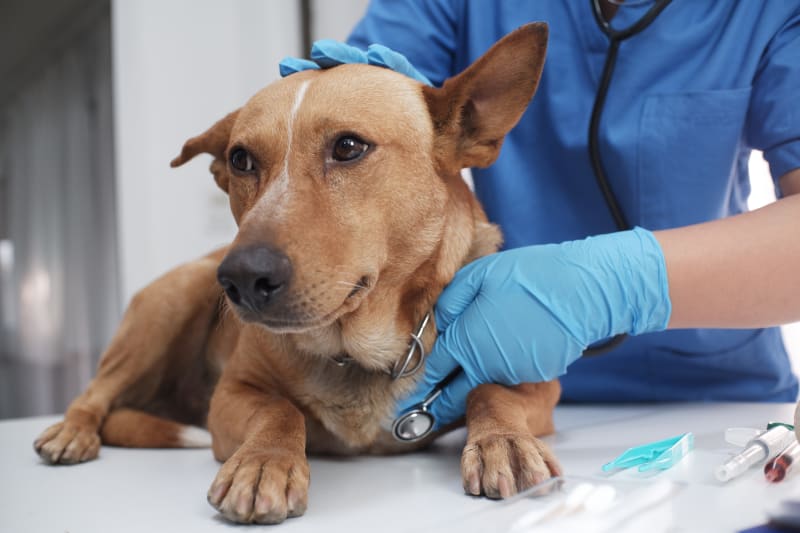
Breathing problems are one of the most urgent medical emergencies in dogs.
Symptoms to Watch
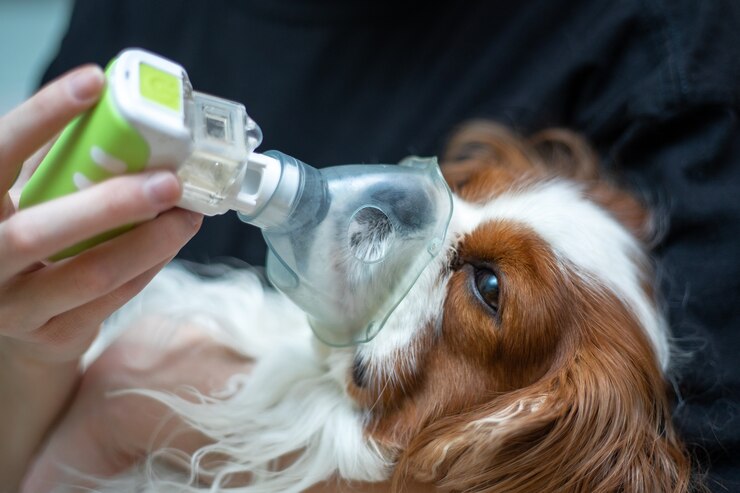
- Rapid or labored breathing
- Wheezing or choking sounds
- Open-mouth breathing
Respiratory issues may be caused by infections, heart problems, allergic reactions, or airway obstructions.
Why It’s Critical
Breathing difficulties can quickly become life-threatening. Lack of oxygen affects vital organs and can lead to collapse or death if untreated.
Immediate Action
- Keep your dog calm
- Ensure they have access to fresh air
- Go to the nearest veterinary clinic immediately
4. Digestive Problems (Vomiting or Diarrhea)
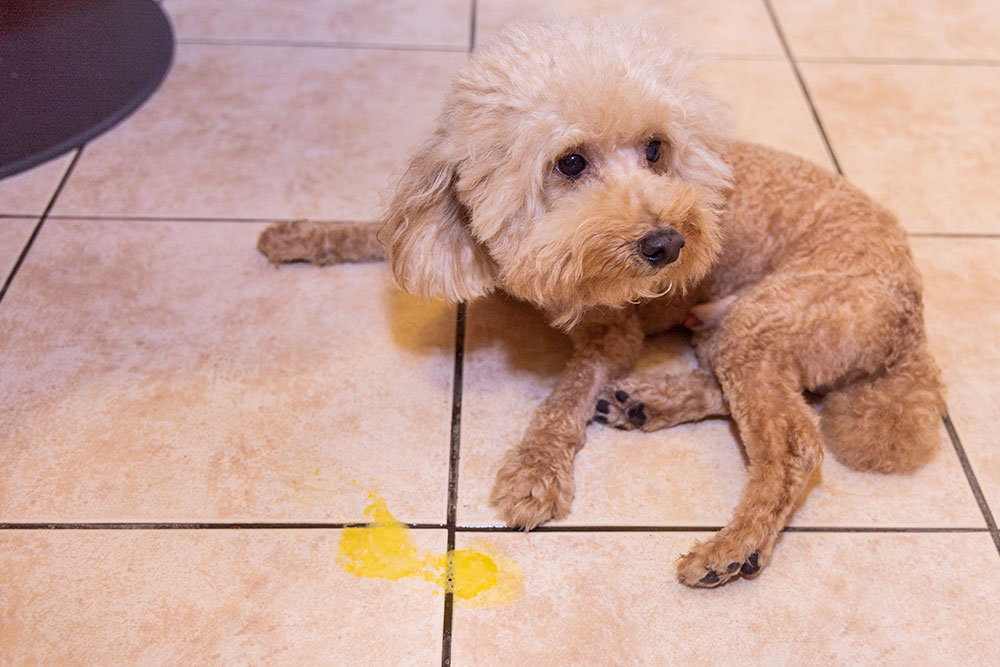
Digestive issues are common in dogs, but they can also signal serious illness.
Common Symptoms
- Frequent vomiting
- Persistent diarrhea
- Blood in vomit or stool
- Loss of appetite
While occasional stomach upset may not be serious, prolonged symptoms can indicate infections, parasites, or even life-threatening diseases.
When to Worry
If vomiting or diarrhea lasts more than 24 hours or is accompanied by lethargy, dehydration, or blood, it’s time to see a vet.
Risks
Untreated digestive problems can lead to severe dehydration, especially in puppies or small breeds.
5. Eye Problems and Abnormal Eye Behavior
Eye issues in dogs can worsen quickly if not treated promptly.
Signs to Notice
- Redness or swelling
- Excessive tearing
- Squinting or pawing at the eye
- Cloudy or discolored eyes
Why It Matters
Eye conditions can lead to infections, ulcers, or even permanent vision loss if ignored. Early treatment is essential to preserve your dog’s eyesight.
What You Should Do
- Avoid using over-the-counter eye drops
- Prevent your dog from scratching their eyes
- Visit a veterinarian immediately
Additional Warning Signs You Shouldn’t Ignore
Beyond the five main signs, there are other symptoms that may indicate illness:
- Sudden weight loss or loss of appetite
- Extreme lethargy
- Seizures or trembling
- Changes in urination
These signs may not always require emergency care, but they should never be ignored.
Common Causes Behind These Symptoms
Understanding the possible causes can help you act quickly:
- Infections: bacterial, viral, or fungal
- Parasites: worms, fleas, ticks
- Toxins: ingestion of harmful substances
- Trauma: accidents or injuries
- Chronic diseases: heart disease, kidney issues
Each of these conditions can escalate quickly without proper treatment.
How to Prevent Serious Health Issues in Dogs
While not all illnesses can be prevented, you can reduce risks by following these tips:
1. Regular Vet Checkups
Routine visits help detect health issues early before they become severe.
2. Proper Nutrition
Feed your dog high-quality food appropriate for their age and breed.
3. Vaccinations
Keep your dog’s vaccinations up to date to prevent dangerous diseases.
4. Safe Environment
Remove hazards like toxic plants, chemicals, and sharp objects.
5. Monitor Behavior Daily
You know your dog best—any unusual behavior is worth paying attention to.
Frequently Asked Questions (FAQ)
How do I know if my dog is seriously sick?
If your dog shows symptoms like difficulty breathing, persistent vomiting, or severe lethargy, seek veterinary care immediately.
Can I treat my dog at home?
Minor issues can sometimes be managed at home, but serious symptoms should always be evaluated by a vet.
How quickly should I act?
For symptoms like breathing problems, injuries, or seizures—act immediately. Time is critical.
Are all symptoms emergencies?
Not all, but it’s better to be cautious. When in doubt, consult a veterinarian.
Conclusion
Your dog relies on you to notice when something isn’t right. By recognizing these five warning signs—injuries, internal trauma, breathing issues, digestive problems, and eye abnormalities—you can take quick action and potentially save your pet’s life.
Always trust your instincts. If your dog seems unwell, don’t wait. A timely visit to the veterinarian can make all the difference between a quick recovery and a serious health crisis.
Leave a Reply