
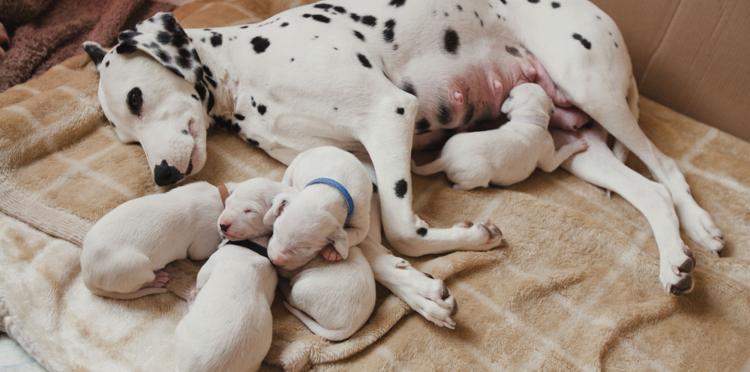
Bringing a litter of newborn puppies into the world is both exciting and overwhelming. Whether you’re a first-time dog owner or an experienced breeder, caring for puppies in their earliest days requires patience, knowledge, and attention to detail. These tiny creatures are incredibly fragile and depend entirely on their mother—or you—for survival.
In the first few weeks of life, puppies go through rapid development. They are born blind, deaf, and unable to regulate their own body temperature. That’s why understanding proper care techniques is not just helpful—it’s essential.
In this guide, we’ll walk you through five critical things you need to know to ensure your newborn puppies grow up healthy, strong, and happy.
Why Proper Newborn Puppy Care Matters
The first 2–3 weeks of a puppy’s life are the most vulnerable. During this time, even small mistakes—like improper feeding or exposure to cold temperatures—can have serious consequences.
Newborn puppies rely entirely on external care for warmth, nutrition, and hygiene. According to pet care experts, creating a safe and stable environment early on helps prevent common issues such as infections, malnutrition, and developmental delays.
Simply put: what you do in these early days can shape the puppy’s entire life.
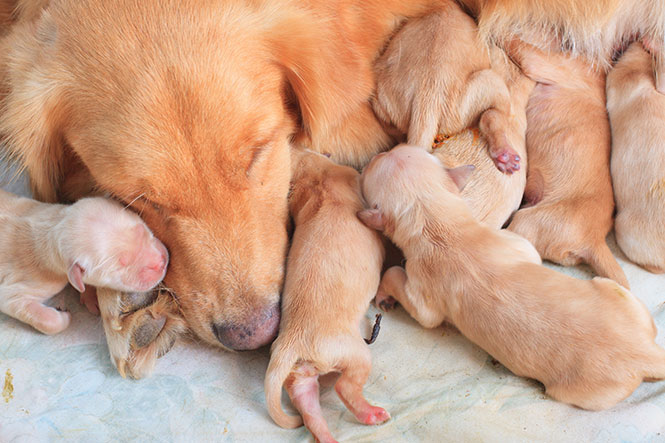
1. Keep Puppies Warm and Comfortable
Newborn puppies cannot regulate their body temperature. This makes them extremely sensitive to cold environments.
Ideal Temperature Conditions
For the first week, the surrounding temperature should be around 85–90°F (29–32°C). After that, you can gradually reduce it week by week.
How to Keep Them Warm
- Use heating pads or heat lamps (with caution)
- Provide soft blankets or clean towels
- Keep them in a draft-free area
A warm and cozy environment is critical because hypothermia is one of the leading causes of death in newborn puppies.
Pro Tip
Always make sure puppies can move away from the heat source if they get too warm. Overheating can be just as dangerous as being too cold.
2. Ensure Proper Feeding and Nutrition
Nutrition is the foundation of a puppy’s growth and development.
Mother’s Milk Is Best
If the mother dog is present and healthy, her milk provides all the essential nutrients and antibodies puppies need. It also boosts their immune system.
When Bottle Feeding Is Necessary
If the mother is absent or unable to nurse:
- Use a high-quality puppy milk replacer
- Feed every 2–3 hours
- Use proper feeding bottles designed for puppies
Important Feeding Tips
- Never feed cow’s milk (it can cause digestive issues)
- Keep puppies upright while feeding
- Avoid overfeeding
Proper feeding ensures steady weight gain and helps prevent malnutrition, which can be life-threatening in newborns.

3. Maintain Hygiene and Cleanliness
Newborn puppies are highly susceptible to infections, so hygiene plays a crucial role in their care.
Clean Living Environment
- Change bedding daily
- Keep the nesting area dry
- Wash hands before handling puppies
Stimulate Elimination
Unlike older dogs, newborn puppies cannot urinate or defecate on their own. Normally, the mother stimulates this process by licking them.
If you’re caring for them:
- Use a warm, damp cloth
- Gently rub the genital area after feeding
Why Hygiene Matters
A clean environment reduces the risk of bacterial infections and skin issues, ensuring the puppies stay healthy during their early development.
4. Monitor Health and Development Closely
Keeping track of each puppy’s health is essential.
What to Watch For
- Daily weight gain
- Strong suckling reflex
- Active movement (as they grow)
Warning Signs
Contact a vet immediately if you notice:
- Weakness or lethargy
- Constant crying
- Refusal to feed
- Diarrhea or vomiting
Early detection of health issues can save a puppy’s life. Puppies grow rapidly, and even small changes can indicate bigger problems.

5. Provide a Safe and Stress-Free Environment
Newborn puppies need a calm, secure environment to thrive.
Limit Handling
While it’s tempting to hold them often, excessive handling can stress newborn puppies. Only handle them when necessary during the first week.
Keep Noise Levels Low
Avoid loud noises or sudden disturbances. Stress can negatively impact their development.
Ensure Safety
- Keep them away from other pets
- Avoid overcrowding
- Provide a secure whelping box
A peaceful environment allows puppies to rest, grow, and develop naturally without unnecessary stress.
Bonus Tips for First-Time Puppy Caregivers
1. Prepare Before Birth
If you know your dog is pregnant, set up a whelping area in advance. Preparation makes a huge difference.
2. Learn Basic Veterinary Care
Knowing when to seek professional help is crucial. Don’t hesitate to contact a vet if something feels off.
3. Be Patient
Caring for newborn puppies is time-consuming and sometimes exhausting—but incredibly rewarding.
Common Mistakes to Avoid
Even well-meaning pet owners can make mistakes. Here are a few to watch out for:
- Feeding the wrong type of milk
- Keeping puppies in cold or damp environments
- Ignoring early signs of illness
- Handling puppies too much too soon
Avoiding these mistakes can significantly improve survival rates and overall health.
Frequently Asked Questions (FAQ)
How often should newborn puppies be fed?
Every 2–3 hours if bottle-fed. Puppies nursing from their mother will feed naturally throughout the day.
When do puppies open their eyes?
Usually between 10–14 days after birth.
Can newborn puppies survive without their mother?
Yes, but only with intensive care, including proper feeding, warmth, and hygiene.
How do I know if a puppy is healthy?
Healthy puppies are active (as they grow), feed regularly, and gain weight consistently.
Conclusion
Caring for newborn puppies is a delicate but deeply fulfilling responsibility. By focusing on warmth, nutrition, hygiene, health monitoring, and a safe environment, you can give these tiny lives the best possible start.
The first few weeks may feel overwhelming, but with the right knowledge and dedication, you’ll watch your puppies grow from fragile newborns into energetic, playful companions.
If you’re ever unsure, don’t guess—consult a veterinarian. When it comes to newborn puppy care, being cautious is always the best choice.
Leave a Reply