
Introduction
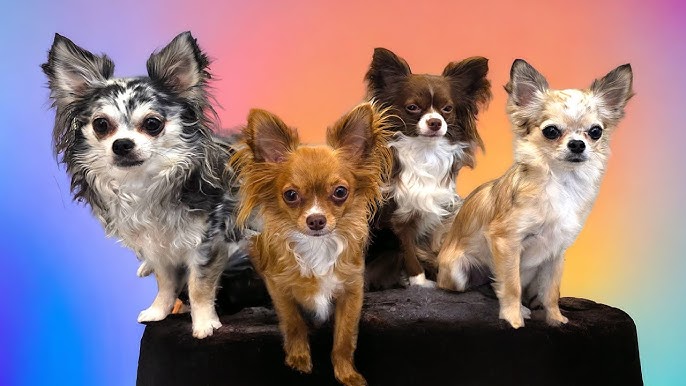
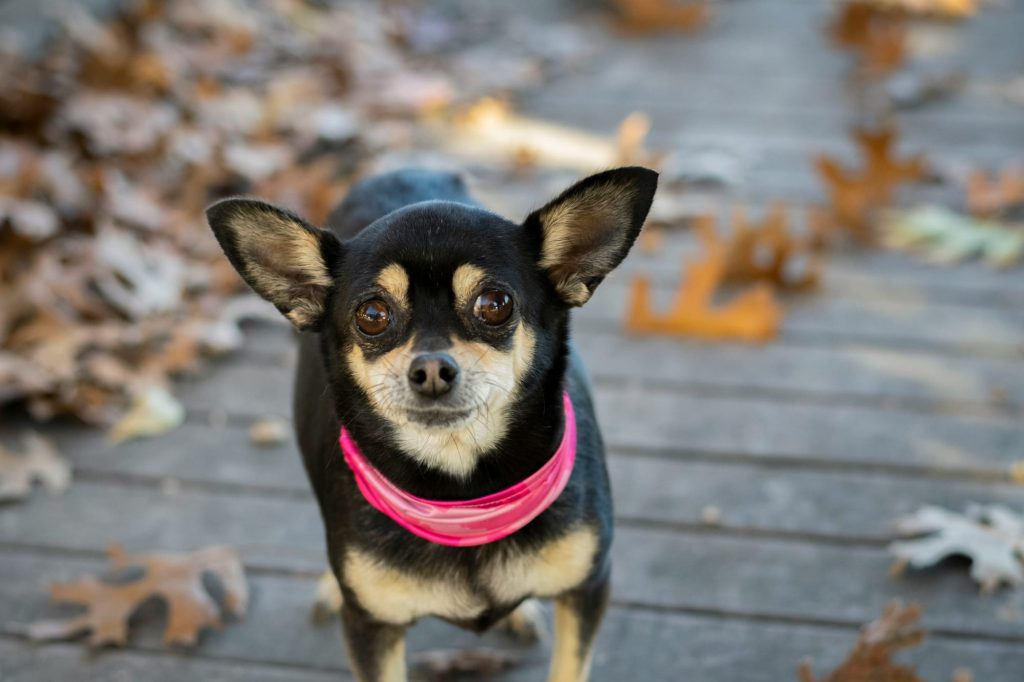
Chihuahuas may be small enough to fit in your handbag, but their history is anything but tiny. These pint-sized pups are one of the most recognizable dog breeds in the world, known for their bold personalities, expressive eyes, and unwavering loyalty. But behind their modern reputation as fashionable companions lies a mysterious and fascinating past that stretches back centuries.
From ancient civilizations in Mexico to their rise as global icons, the Chihuahua’s journey is filled with myths, cultural significance, and surprising twists. Let’s dive deep into the origins and evolution of this “tiny but mighty” breed and uncover what makes them so unique.
Origins: A Mexican Legacy
The Chihuahua is widely believed to have originated in northwest Mexico, specifically in the region that now bears its name. While their exact beginnings remain somewhat unclear, most experts agree that these dogs have deep roots in ancient Mesoamerican cultures.
Unlike many modern breeds that were developed for specific jobs like herding or hunting, Chihuahuas were never working dogs. Instead, they were companions—valued for their presence rather than their labor.
Their long-standing connection to Mexican heritage makes them one of the few dog breeds truly native to the Americas, adding to their cultural importance.
The Techichi: The Ancient Ancestor
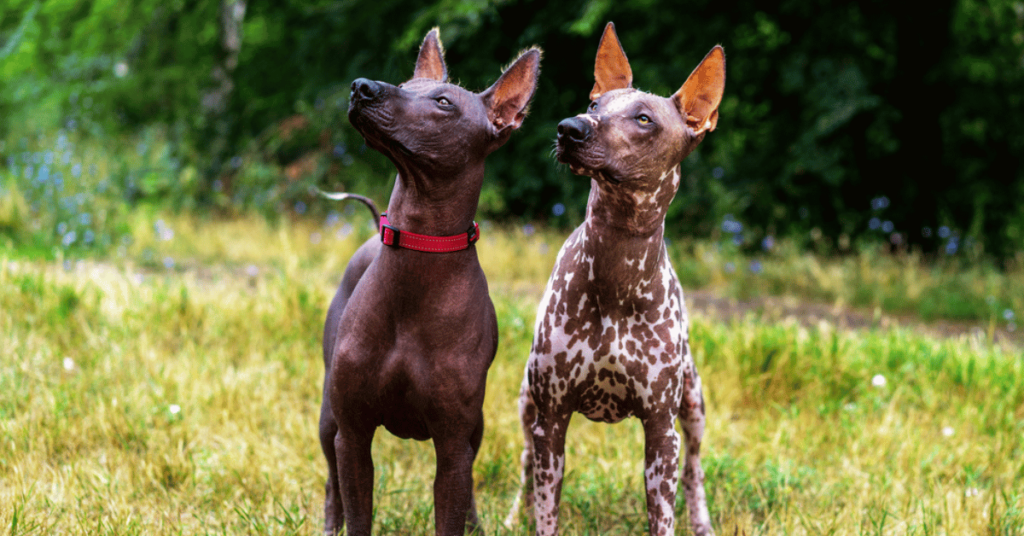
To understand the Chihuahua, we have to go back over a thousand years to meet its likely ancestor: the Techichi. This small dog lived during the time of the Toltec civilization around 900 C.E.
Archaeological evidence—including carvings, pottery, and ancient artwork—depicts dogs that closely resemble modern Chihuahuas. DNA studies even suggest that a significant portion of Chihuahua genetics can be traced back to the Techichi.
Unlike today’s lively and energetic Chihuahuas, the Techichi was described as more calm and stocky. Still, the resemblance is strong enough that many experts consider it the Chihuahua’s direct ancestor.
Sacred Companions in Ancient Civilizations
Chihuahuas—or their ancestors—weren’t just pets in ancient times. They held spiritual and cultural significance in civilizations like the Toltecs and Aztecs.
These dogs were often associated with religion and rituals. Some historians believe they were thought to guide souls to the afterlife, acting as spiritual companions for their owners.
In certain cases, they were even buried alongside humans as part of funerary practices. This suggests that they were highly valued and deeply integrated into daily life and belief systems.
A Darker Side of History
While Chihuahuas were often cherished, their history isn’t entirely glamorous. There is some speculation that small dogs in ancient Mexico were occasionally used as a food source.
Historical accounts from early European explorers mention “little dogs” being sold in markets, though it’s unclear whether these were direct ancestors of modern Chihuahuas.
However, these reports are debated and may reflect misunderstandings of local customs. What is clear is that these dogs held multiple roles—spiritual, practical, and possibly nutritional—in ancient societies.
Mystery and Theories About Their Lineage
Despite strong evidence linking Chihuahuas to the Techichi, their full genetic story remains a puzzle. Several theories attempt to explain their development:
1. Chinese Influence
Some researchers speculate that small dogs from China, such as the Chinese Crested, may have contributed to Chihuahua genetics through early trade routes. However, there’s little concrete evidence to support this theory.
2. European “Pocket Dogs”
Tiny companion dogs were popular among European aristocracy, often referred to as “pocket dogs.” It’s possible that these dogs were brought to the Americas and mixed with local breeds. Again, this remains unproven.
3. Natural Evolution
Another possibility is that Chihuahuas developed organically over time, with minimal deliberate breeding. Ancient people may have simply favored smaller dogs, leading to the gradual emergence of the breed.
The truth likely lies somewhere in between, blending local ancestry with outside influences.
Arrival in the Modern World
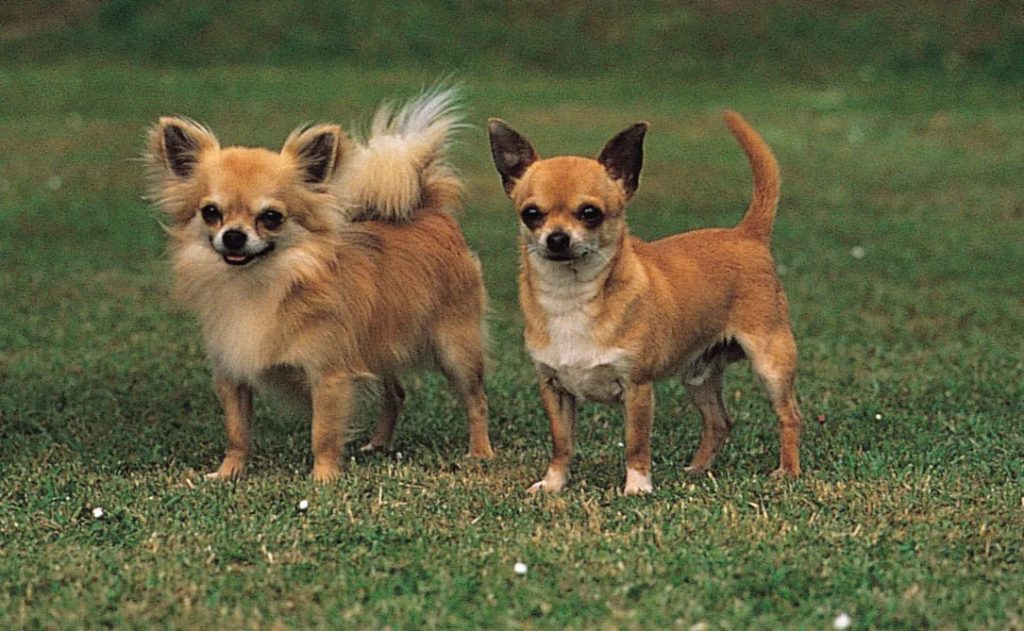
Chihuahuas didn’t become widely known outside of Mexico until the 19th century. During this time, Mexican merchants began selling these tiny dogs to American tourists.
Their small size, portability, and charming personalities quickly made them popular in the United States. By the early 1900s, the breed had gained official recognition from the American Kennel Club.
From there, their popularity skyrocketed, transforming them into one of the most beloved companion dogs in the world.
Why Chihuahuas Were Never Working Dogs
Unlike many other breeds, Chihuahuas were never bred for tasks like hunting, herding, or guarding livestock. Their primary role has always been companionship.
That said, their alert nature and tendency to bark make them surprisingly effective watchdogs—just on a much smaller scale.
Their purpose has always been simple: to be loved and to provide love in return.
Modern Chihuahua: A Global Icon
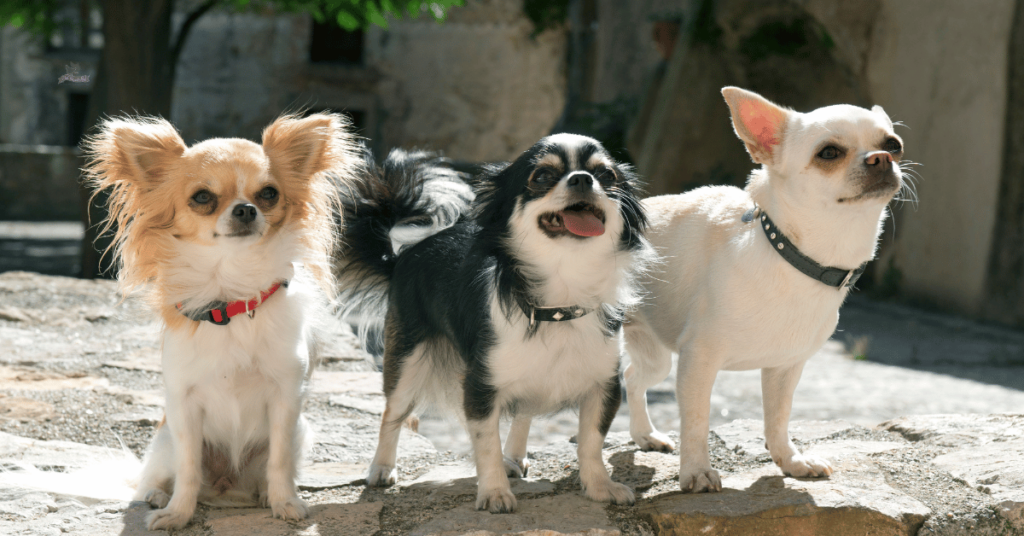
Today, Chihuahuas are everywhere—from social media to celebrity handbags. Their rise in popularity has made them cultural icons, often associated with luxury, fashion, and urban living.
Celebrities and pop culture have played a major role in shaping their image, turning them into symbols of style and personality. Despite this glamorous reputation, they remain deeply loyal and affectionate companions at heart.
Personality: Small Dog, Big Attitude
One of the most fascinating aspects of Chihuahuas is their personality. Despite their tiny size, they are known for being bold, confident, and sometimes even feisty.
They are:
- Highly loyal to their owners
- Protective and alert
- Energetic and playful
- Surprisingly brave
In fact, studies and observations suggest that smaller dogs like Chihuahuas often display more assertive behavior than larger breeds.
Their big personalities are a key reason why they’ve captured the hearts of so many dog lovers.
Debunking Common Myths
“Chihuahuas Are Not Real Dogs”
This is a common joke, but it couldn’t be further from the truth. Chihuahuas are fully canine, sharing ancestry with wolves just like all other dogs.
“They’re Just Fashion Accessories”
While they are often seen as stylish pets, Chihuahuas are intelligent, emotional animals that require care, training, and attention.
“They’re Aggressive”
Their bold behavior is often misunderstood. Many Chihuahuas act defensively due to their small size, not because they are inherently aggressive.
The Enduring Appeal of Chihuahuas
So why have Chihuahuas remained so popular for centuries?
- Compact size: Perfect for apartments and city living
- Loyal nature: Strong bonds with their owners
- Long lifespan: Often living 14–16 years or more
- Unique personality: A mix of sass, charm, and affection
They offer all the companionship of a larger dog in a much smaller package.
Conclusion
The Chihuahua’s story is a remarkable blend of mystery, culture, and evolution. From their roots in ancient Mexican civilizations to their status as modern-day companions, they have traveled a long and fascinating path.
While we may never know every detail of their origins, one thing is certain: Chihuahuas were never meant to be ordinary. They were born to stand out—to be cherished, admired, and loved.
In every tiny bark and wagging tail, they carry a legacy that spans centuries. And for such a small dog, that’s a pretty big deal.
Leave a Reply