
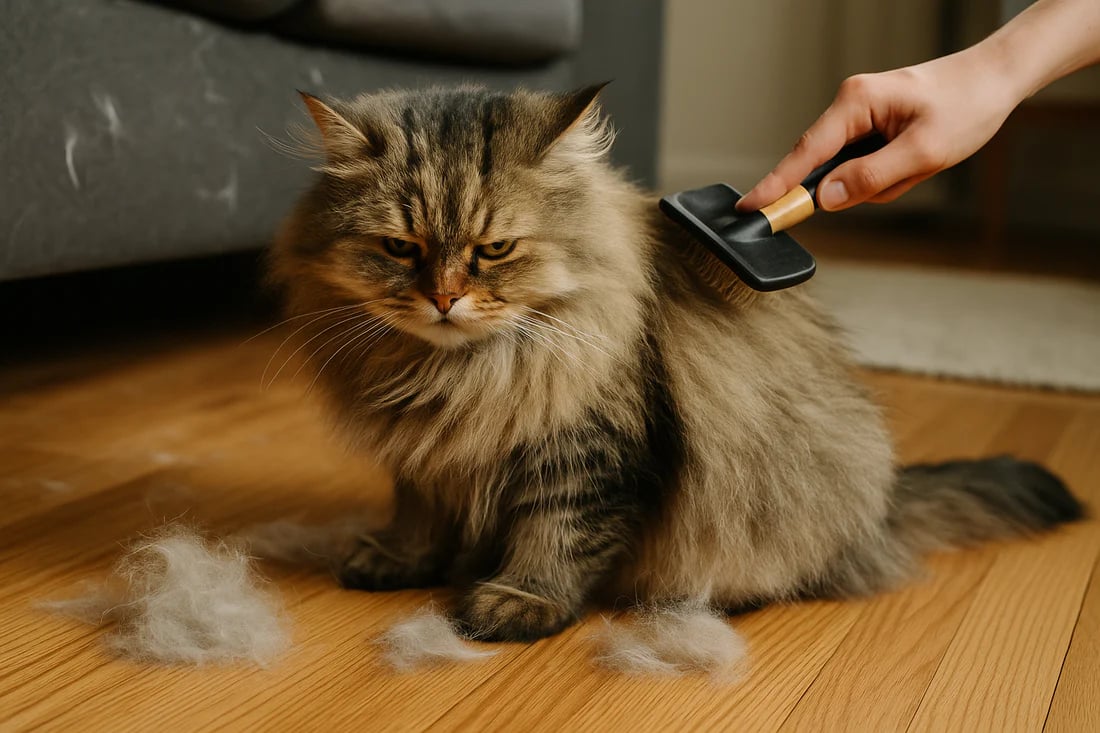
If you share your home with a cat, you’ve probably accepted one universal truth: cat hair gets everywhere. From your clothes to your furniture—and sometimes even your morning coffee—shedding is just part of life with a feline friend.
But what happens when your cat seems to be shedding more than usual? Is it normal, or should you be concerned?
The truth is, all cats shed to some degree (unless they’re hairless), and shedding is a natural process that helps maintain a healthy coat. However, excessive shedding can sometimes signal underlying health or environmental issues.
In this guide, we’ll break down exactly why cats shed so much, what’s normal, what’s not, and how you can manage it effectively.
Understanding Cat Shedding: What’s Normal?
Before diving into the causes, it’s important to understand that shedding is completely natural. Cats regularly lose old or damaged fur to make room for new, healthy hair growth.
Some cats shed lightly year-round, while others experience noticeable seasonal shedding. Factors like breed, coat type, and environment all influence how much your cat sheds.
That said, shedding becomes a concern when you notice:
- Sudden increase in hair loss
- Bald patches or thinning fur
- Excessive scratching or licking
- Skin irritation or redness
If these symptoms appear, it may be time to look deeper into the cause.
8 Reasons Why Cats Shed So Much
1. Seasonal Shedding
One of the most common reasons cats shed heavily is seasonal change.
Cats typically shed more during spring and fall as they adjust their coats for temperature changes. In spring, they lose their thick winter coat, while in fall, they prepare for colder weather.
Long-haired and double-coated breeds like Maine Coons or Ragdolls tend to shed more dramatically during these periods.
What to do:
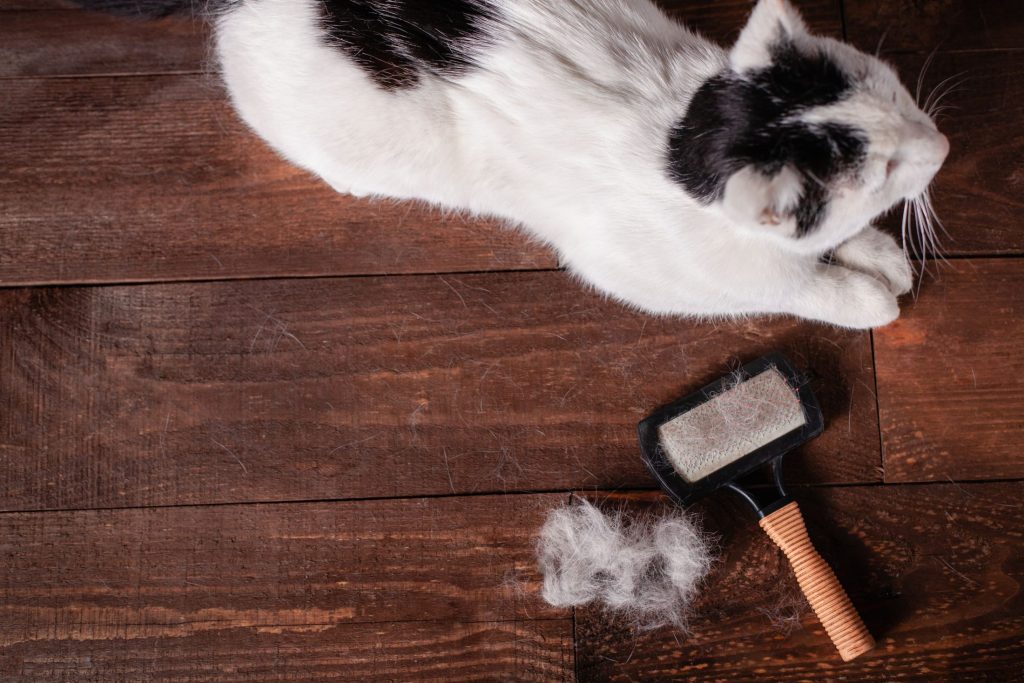
Regular brushing during shedding seasons helps remove loose fur before it spreads around your home.
2. Allergies
Cats can develop allergies just like humans. These may include:
- Environmental allergens (dust, pollen, mold)
- Food allergies (often protein-based like chicken or beef)
Allergies can cause itchy skin, leading cats to scratch or overgroom—resulting in increased shedding and hair loss.
What to do:
Consult a veterinarian to identify triggers and adjust diet or environment accordingly.
3. Skin Infections or Diseases
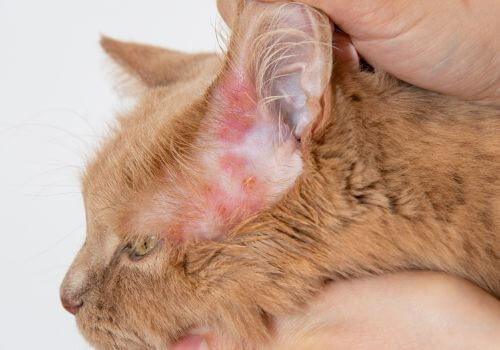
Bacterial and fungal infections can significantly impact your cat’s coat health.
For example:
- Ringworm (a fungal infection) causes patchy hair loss
- Bacterial infections can lead to inflamed skin and shedding
These conditions often come with visible symptoms like scaly skin or bald spots.
What to do:
Seek veterinary treatment immediately if you notice unusual patches or skin changes.
4. Stress and Anxiety
Cats are sensitive creatures, and stress can affect them physically—including their fur.
Changes like moving homes, new pets, loud noises, or disrupted routines can cause stress-related shedding. In some cases, cats overgroom as a coping mechanism, leading to hair loss.
What to do:
Create a stable, calm environment and maintain consistent routines.
5. Aging
As cats grow older, their grooming habits may decline.
Senior cats often struggle to clean hard-to-reach areas, leading to more loose fur accumulating and shedding.
What to do:
Help older cats by brushing them regularly to maintain coat health.
6. Parasites (Fleas & Mites)
Parasites are a major cause of excessive shedding. Fleas and mites irritate the skin, causing intense itching.
Some cats are even allergic to flea saliva, making the reaction more severe and leading to noticeable hair loss.
What to do:
Use vet-approved flea and parasite treatments regularly.
7. Poor Nutrition
A healthy coat starts with proper nutrition.
Cats require a balanced diet rich in:
- Protein
- Omega fatty acids
- Vitamins (like Vitamin A and Biotin)
Without these nutrients, cats may develop dry, brittle fur that breaks easily and sheds excessively.
What to do:
Feed high-quality, nutritionally complete cat food.

8. Medications
Some medications can cause hair loss as a side effect.
For instance:
- Steroids
- Topical treatments
- Certain injections
Hair loss may occur around application sites or more generally across the body.
What to do:
Discuss side effects with your veterinarian if shedding increases after medication use.
How to Reduce Cat Shedding at Home
While you can’t completely stop shedding, you can manage it effectively with the right approach.
1. Brush Your Cat Regularly
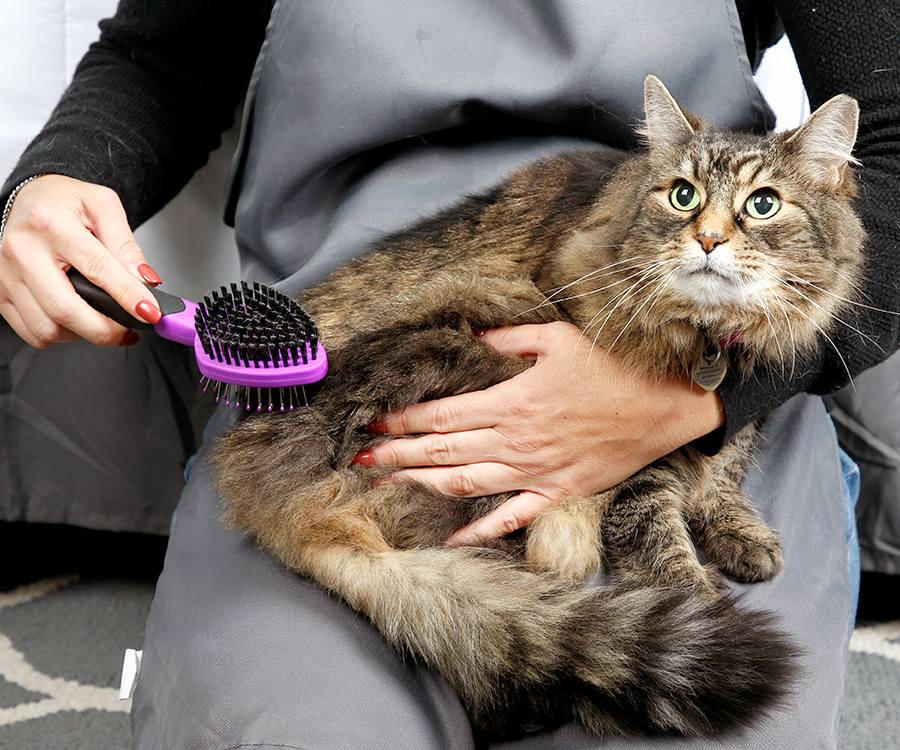
Brushing is one of the most effective ways to control shedding.
It helps:
- Remove loose fur
- Prevent matting
- Reduce hair around your home
Tip: Long-haired cats may need daily brushing, while short-haired cats can be brushed a few times a week.
2. Maintain a Healthy Diet
A nutrient-rich diet supports healthy skin and fur.
Look for foods that contain:
- High-quality animal protein
- Omega-3 and Omega-6 fatty acids
3. Keep Stress Levels Low
A happy cat sheds less.
Create a comfortable environment with:
- Safe resting spaces
- Interactive toys
- Consistent routines
4. Schedule Regular Vet Checkups
Routine veterinary visits help catch underlying health issues early.
If shedding is accompanied by symptoms like itching or bald patches, a vet visit is essential.
5. Bathe Occasionally (If Needed)
Some cats benefit from occasional baths to remove loose fur.
However, this should be done carefully and not too frequently, as over-bathing can dry out the skin.
When Should You Be Concerned?
While shedding is normal, certain signs indicate a problem:
- Sudden or extreme increase in shedding
- Bald spots or uneven fur
- Persistent scratching or licking
- Skin redness, sores, or infections
In these cases, shedding may be linked to health issues that require professional care.
Final Thoughts
Shedding is a natural and unavoidable part of owning a cat. In most cases, it’s simply your cat’s way of maintaining a healthy coat.
However, excessive shedding can sometimes signal deeper issues—from stress and poor diet to infections or parasites. The key is knowing what’s normal for your cat and recognizing when something changes.
With proper grooming, nutrition, and regular vet care, you can keep your cat’s coat healthy—and your home a little less furry.
FAQ: Why Do Cats Shed So Much?
Do all cats shed?
Yes, all cats shed to some extent unless they are hairless breeds.
When do cats shed the most?
Cats typically shed more during spring and fall due to seasonal coat changes.
Is excessive shedding a sign of illness?
It can be. Sudden or abnormal shedding may indicate allergies, infections, or other health problems.
How can I reduce cat hair in my house?
Regular brushing, proper nutrition, and maintaining a stress-free environment are key strategies.
Should I take my cat to the vet for shedding?
Yes, especially if shedding is accompanied by bald patches, itching, or skin issues.
Leave a Reply