
Introduction
Cats are masters at hiding illness. Unlike dogs, they rarely show obvious symptoms until a condition becomes serious. That’s why regular cat health checks are essential for every pet owner. A simple routine can help you catch problems early, reduce vet costs, and ensure your cat lives a long, healthy life.
In this complete guide, we’ll walk you through everything you need to know—from daily observations to full at-home exams and professional veterinary care. Whether you have a playful kitten or a senior cat, this article will help you stay ahead of potential health issues.
What Is a Cat Health Check?
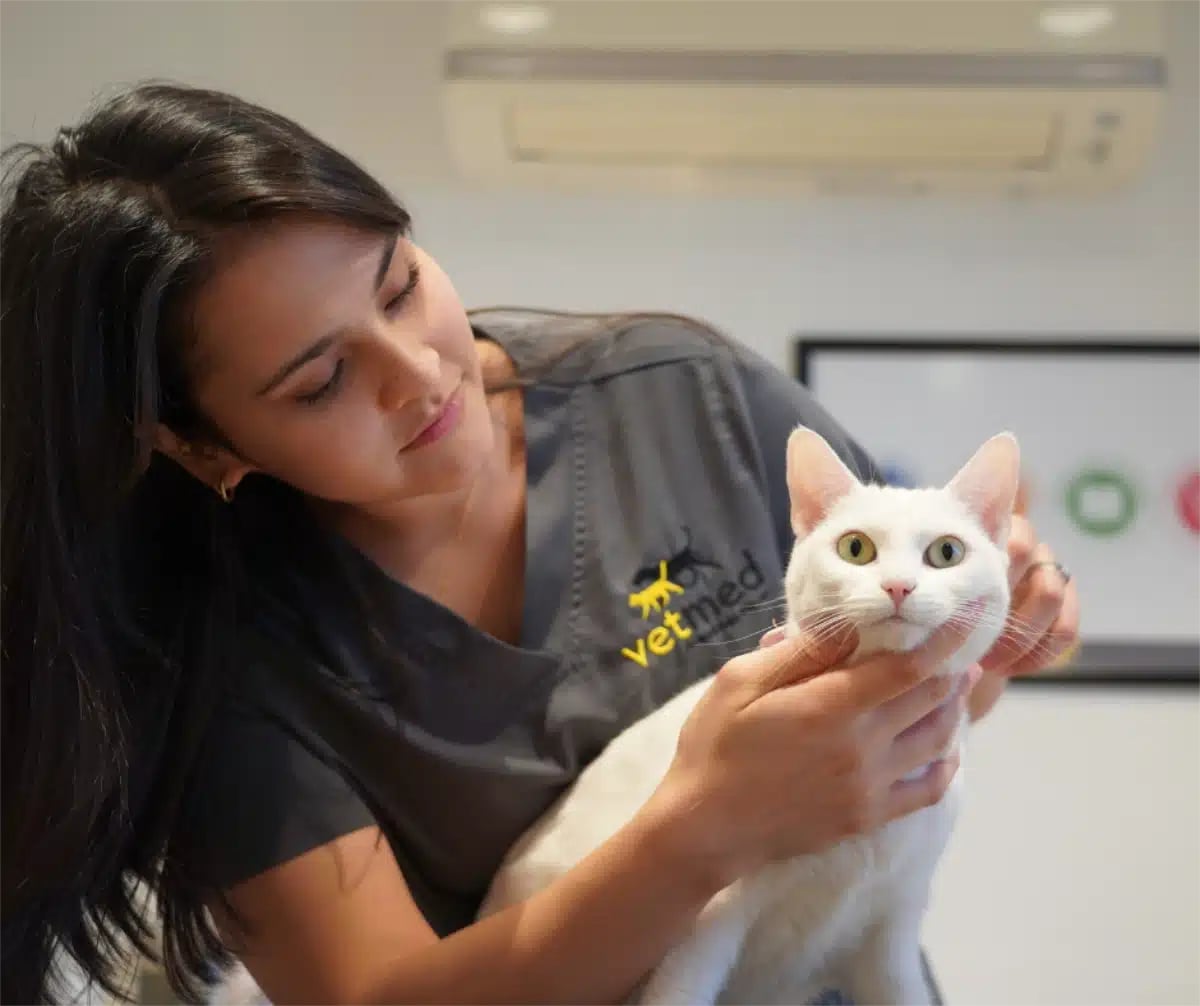
A cat health check is a routine evaluation of your cat’s physical condition, behavior, and vital signs. It can be done at home or by a veterinarian. The goal is to identify any abnormalities early before they become serious.
Cats often mask pain or discomfort, so subtle changes—like eating less or hiding more—can signal underlying health issues.
Regular checks allow you to understand what’s “normal” for your cat, making it easier to detect when something is wrong.
Why Regular Cat Health Checks Matter
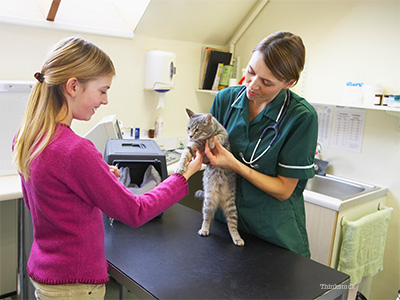
Routine health checks are more than just a precaution—they are a key part of responsible pet ownership.
- Early detection of diseases
- Prevention of serious health complications
- Monitoring weight and nutrition
- Maintaining dental and skin health
- Strengthening your bond with your pet
Experts recommend performing quick checks weekly and scheduling vet visits at least once a year.
Daily Cat Health Checklist
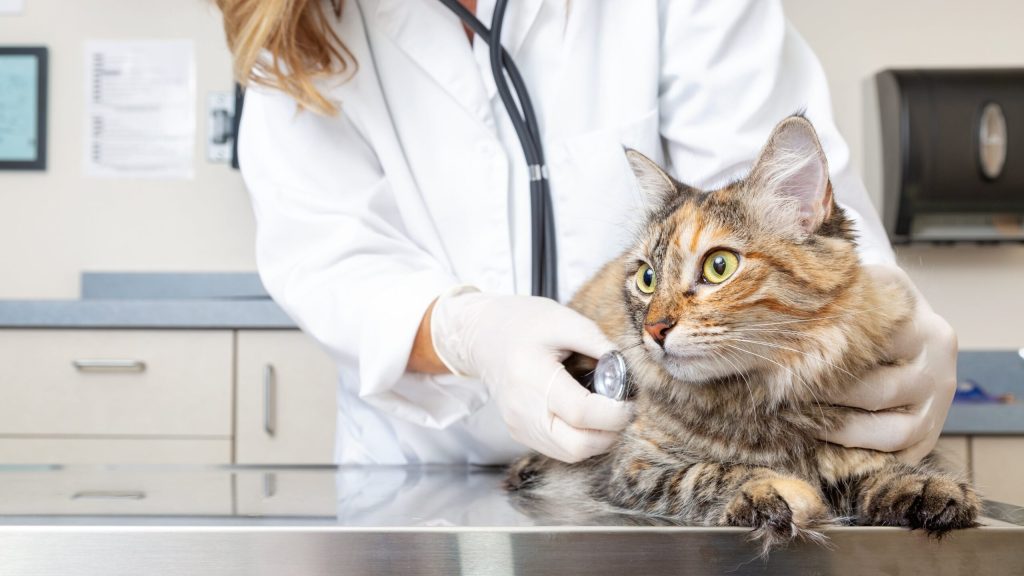
Daily observation is the first line of defense in keeping your cat healthy.
1. Appetite and Eating Habits
A healthy cat should have a consistent appetite. Sudden loss of interest in food may indicate illness or stress.
2. Water Intake
Monitor how much your cat drinks. Increased or decreased thirst can signal kidney or metabolic issues.
3. Litter Box Behavior
Changes in urination or stool—such as diarrhea, constipation, or blood—require immediate attention.
4. Energy and Behavior
Healthy cats are alert and responsive. Signs like lethargy, hiding, or aggression may indicate discomfort or illness.
Weekly At-Home Cat Health Check
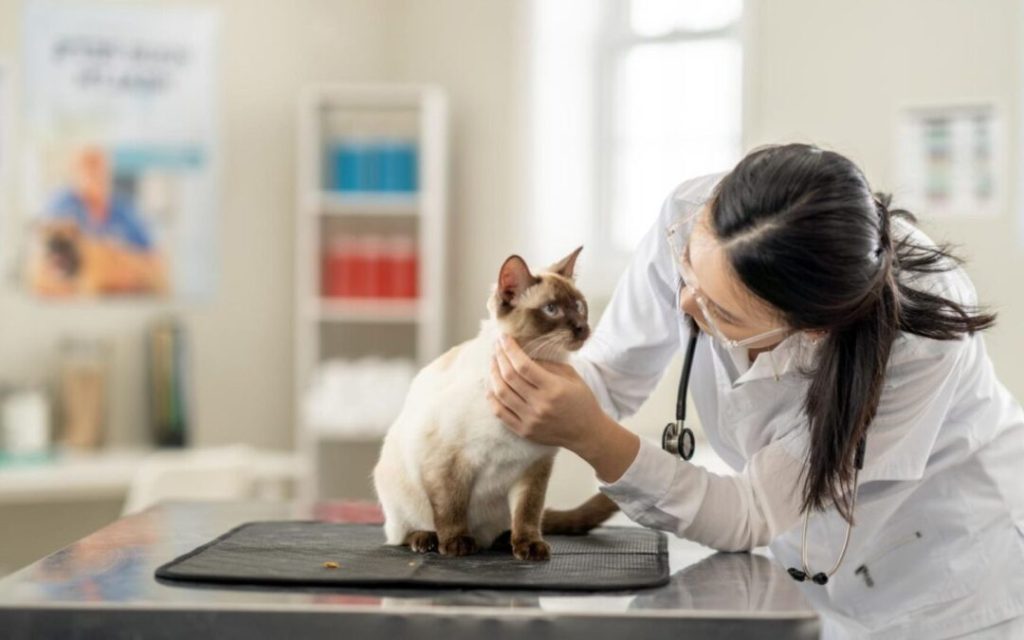
Perform a more detailed check once a week to spot physical changes.
1. Eyes
Healthy eyes should be bright and clear, with no redness or discharge.
2. Ears
Check for wax buildup, bad odor, or redness—these may indicate infections or mites.
3. Nose
A healthy nose is slightly moist and free of discharge.
4. Mouth and Teeth
Look for pink gums and clean teeth. Bad breath or swelling can signal dental disease.
5. Coat and Skin
A shiny coat usually indicates good health. Dull fur, bald patches, or excessive scratching may suggest parasites or allergies.
6. Body Check
Run your hands along your cat’s body to feel for lumps, swelling, or pain.
7. Paws and Nails
Inspect for injuries, debris, or overgrown nails.
Monthly Cat Health Routine
Monthly checks help maintain long-term health and hygiene.
- Brush your cat regularly to prevent matting
- Check for fleas, ticks, and parasites
- Monitor weight and body condition
- Inspect teeth for plaque buildup
- Review diet and nutrition
Regular grooming also helps detect hidden issues early and strengthens your bond with your cat.
Signs Your Cat Might Be Sick
Cats rarely show obvious symptoms, so watch for subtle warning signs:
- Loss of appetite
- Sudden weight loss or gain
- Excessive sleeping or lethargy
- Changes in grooming habits
- Vomiting or diarrhea
- Sneezing, coughing, or nasal discharge
- Behavioral changes (hiding, aggression)
Even small changes can indicate serious health issues. Cats are known to conceal illness, making early detection crucial.
What Happens During a Vet Health Check?
A professional veterinary exam provides a deeper evaluation of your cat’s health.
Typical checks include:
- Weight and body condition assessment
- Heart and lung examination
- Dental check
- Eye and ear inspection
- Vaccinations
- Parasite prevention
In some cases, vets may recommend blood tests or diagnostic imaging for a more detailed assessment.
How Often Should Cats Have a Health Check?
The frequency depends on your cat’s age and health condition:
- Kittens: Every 3–4 weeks until vaccinated
- Adult cats: Once a year
- Senior cats (7+ years): Twice a year
Older cats are more prone to chronic conditions, so more frequent monitoring is essential.
Tips to Keep Your Cat Healthy
Maintaining your cat’s health goes beyond checkups.
1. Provide Balanced Nutrition
Choose high-quality food appropriate for your cat’s age and needs.
2. Keep Vaccinations Updated
Vaccines protect against serious diseases and should be maintained regularly.
3. Prevent Parasites
Use vet-recommended treatments for fleas, ticks, and worms.
4. Encourage Exercise
Daily play helps maintain a healthy weight and reduces stress.
5. Maintain a Clean Environment
A clean litter box and living space reduce the risk of infections.
FAQ: Cat Health Check
1. Can I check my cat’s health at home?
Yes, regular at-home checks are essential, but they should complement—not replace—professional veterinary visits.
2. What is the most important sign of a healthy cat?
Consistent behavior, a shiny coat, clear eyes, and a good appetite are key indicators.
3. How do I know if my cat is in pain?
Look for subtle signs like hiding, reduced grooming, or changes in behavior.
4. Are indoor cats still at risk of illness?
Yes. Even indoor cats need regular health checks and vaccinations.
Conclusion
A regular cat health check is one of the most powerful tools you have as a pet owner. By combining daily observation, weekly physical checks, and annual vet visits, you can catch health issues early and ensure your cat enjoys a long, happy life.
Your cat may not be able to tell you when something is wrong—but with the right knowledge and routine, you’ll be able to spot the signs and take action before it’s too late.
Taking just a few minutes each week can make a lifetime of difference for your feline companion.
Leave a Reply