
Introduction
Kidney disease is one of the most common health issues in cats—especially as they age. In fact, a large percentage of senior cats develop some level of kidney dysfunction, making diet one of the most important tools for managing their health.
That’s where kidney health cat food comes in. Also known as renal cat food, these specialized diets are designed to support kidney function, reduce stress on the organs, and improve your cat’s quality of life.
In this complete guide, we’ll break down what kidney health cat food is, how it works, its benefits, and how to choose the best option for your feline companion.
What Is Kidney Health Cat Food?
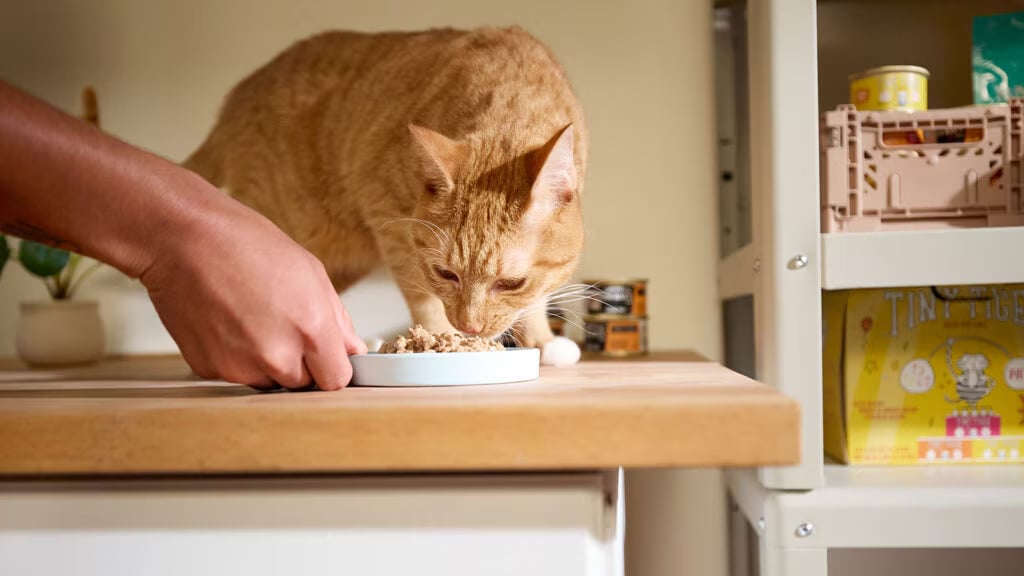
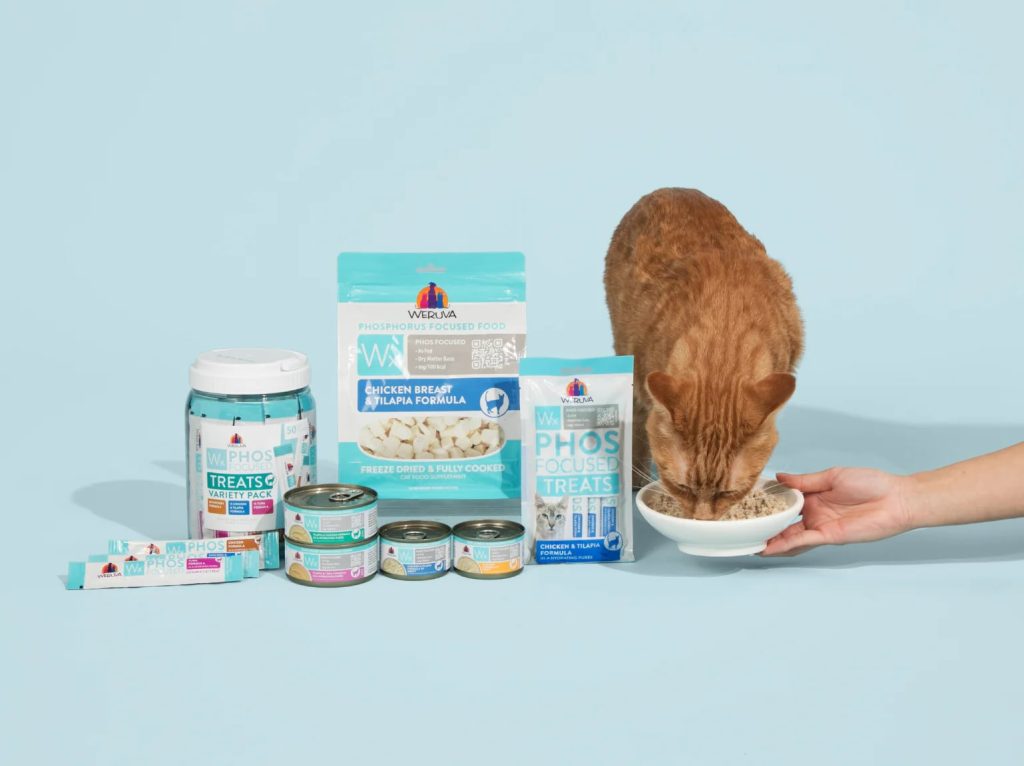
Kidney health cat food (or renal diet) is specially formulated to support cats with kidney disease or reduced kidney function. These diets are designed to reduce the workload on the kidneys while still providing essential nutrients.
Unlike regular cat food, renal diets are carefully balanced to control certain nutrients that can worsen kidney problems.
These foods are often recommended by veterinarians for cats diagnosed with chronic kidney disease (CKD) or other renal conditions.
Why Kidney Health Matters in Cats
The kidneys play a critical role in filtering waste, balancing fluids, and regulating essential nutrients in your cat’s body. When kidney function declines, toxins build up in the bloodstream, leading to serious health issues.
Chronic kidney disease is progressive, meaning it worsens over time. However, proper nutrition can help slow this progression and improve your cat’s comfort and longevity.
How Kidney Health Cat Food Works
Kidney-support diets are carefully engineered to reduce strain on the kidneys while maintaining overall health.
1. Low Phosphorus Levels
Excess phosphorus can accelerate kidney damage. Renal cat food limits phosphorus to help protect kidney function.
2. Controlled Protein Intake
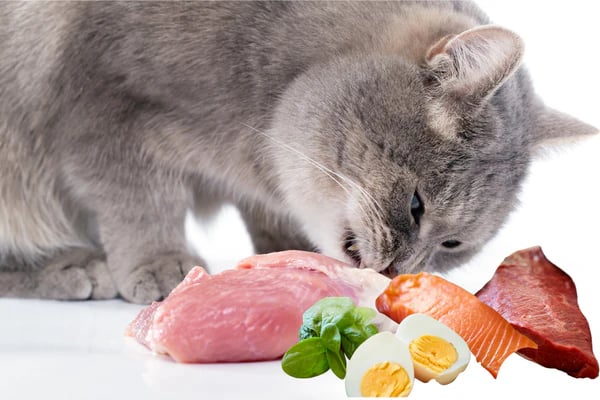
While cats need protein, too much can produce waste that kidneys must filter. Renal diets provide high-quality protein in moderate amounts to balance nutrition and kidney workload.
3. Increased Omega-3 Fatty Acids
Omega-3s help reduce inflammation and may support better kidney function.
4. Added Vitamins and Antioxidants
Kidney disease can lead to nutrient loss. Renal foods often include B vitamins, vitamin E, and antioxidants to support overall health.
5. Higher Moisture Content (Wet Food)
Many renal diets come in wet formulas, which help keep cats hydrated—a crucial factor in kidney health.
Benefits of Kidney Health Cat Food
Switching to a kidney-support diet can provide several important benefits:
- Slows progression of kidney disease
- Reduces toxin buildup in the blood
- Supports better hydration
- Improves appetite and energy levels
- Enhances overall quality of life
These diets are specifically designed to extend lifespan and improve comfort for cats with kidney issues.
Key Ingredients to Look For
When choosing kidney health cat food, pay attention to the ingredient list and nutritional profile.
1. High-Quality Animal Protein
Look for digestible protein sources like chicken, turkey, or fish.
2. Low Phosphorus Content
This is one of the most important factors in slowing kidney disease.
3. Omega-3 Fatty Acids
Often derived from fish oil, these support anti-inflammatory processes.
4. Controlled Sodium Levels
Lower sodium helps manage blood pressure and kidney stress.
5. Added B Vitamins
Cats with kidney disease often lose B vitamins through urine.

Types of Kidney Health Cat Food
There are several types of renal diets available:
1. Prescription Renal Diets
These are vet-approved and designed specifically for cats with diagnosed kidney disease.
2. Over-the-Counter Kidney Support Foods
These may help with early-stage kidney concerns but are less strictly formulated.
3. Wet vs. Dry Food
- Wet food: Better hydration, easier digestion
- Dry food: More convenient and cost-effective
Wet food is generally preferred for cats with kidney issues due to its high moisture content.
When Should You Switch to Kidney Health Cat Food?
You should consider switching to a renal diet if:
- Your cat is diagnosed with kidney disease
- Blood tests show declining kidney function
- Your vet recommends dietary changes
It’s important not to switch your cat’s diet without veterinary guidance, as improper nutrition can lead to imbalances.
Can Healthy Cats Eat Kidney Health Cat Food?
While healthy cats can occasionally eat renal food, it’s not recommended as a long-term diet.
Renal diets have reduced protein and altered nutrient levels, which may lead to deficiencies or weight loss in healthy cats if fed continuously.
These diets are specifically formulated for cats with medical needs—not for general feeding.
Common Mistakes to Avoid
When managing your cat’s kidney health, avoid these common pitfalls:
1. Switching Food Too Quickly
Gradually transition over 7–10 days to prevent digestive issues.
2. Ignoring Hydration
Even with renal food, your cat still needs access to fresh water at all times.
3. Feeding Low-Quality Protein
Low-quality protein can increase waste buildup and worsen kidney stress.
4. Skipping Vet Checkups
Regular monitoring is essential for adjusting diet and treatment.
Feeding Tips for Cats with Kidney Disease
Cats with kidney issues can be picky eaters, so feeding strategies matter.
- Warm food slightly to enhance aroma
- Offer small, frequent meals
- Try different textures (pâté, gravy, chunks)
- Ensure a calm feeding environment
Palatability is crucial because cats with kidney disease often have reduced appetite.
FAQ: Kidney Health Cat Food
1. Is kidney health cat food necessary?
Yes, for cats with kidney disease, it plays a critical role in managing the condition and slowing progression.
2. What is the best food for cats with kidney disease?
Foods low in phosphorus, moderate in protein, and rich in omega-3s are ideal.
3. Can diet alone cure kidney disease?
No, but it can significantly improve quality of life and slow disease progression.
4. How long can cats live with kidney disease?
With proper care and diet, many cats live several years after diagnosis.
Conclusion
Choosing the right kidney health cat food can make a life-changing difference for your feline companion. While kidney disease cannot be cured, proper nutrition can slow its progression, reduce symptoms, and help your cat live a longer, more comfortable life.
By understanding what to look for in a renal diet—and working closely with your veterinarian—you can give your cat the best possible care.
A simple change in diet today could mean more happy, healthy years together tomorrow.
Leave a Reply