
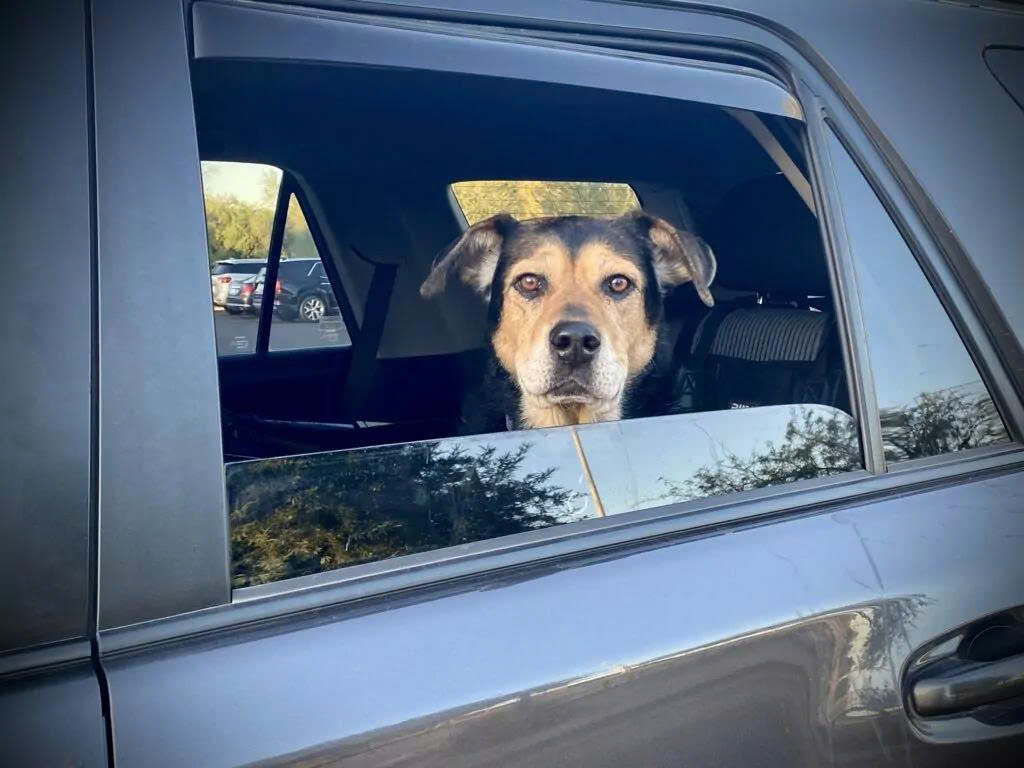
Every summer, heartbreaking stories appear across the United States about dogs suffering or dying after being left inside parked cars. Many pet owners believe leaving the air conditioning running, cracking the windows, or parking in the shade makes the situation safe. Unfortunately, experts continue to warn that even a few minutes inside a vehicle can quickly become life-threatening for dogs.
Cars heat up much faster than most people realize. On a mild day, the inside temperature of a vehicle can rise dramatically within minutes, turning the car into a dangerous oven. Dogs are especially vulnerable because they cannot cool themselves the same way humans can. Instead of sweating through their skin, dogs primarily rely on panting to regulate body temperature. Once the heat becomes too intense, that cooling system begins to fail.
Understanding the dangers of leaving dogs in cars could save a pet’s life. This guide explains why hot cars are so dangerous, how heatstroke affects dogs, warning signs to watch for, legal concerns, and the best ways to keep pets safe during warm weather.
Why Cars Become Dangerous So Quickly
One of the biggest misconceptions among pet owners is believing a short errand is harmless. In reality, the temperature inside a parked vehicle can climb rapidly in only a few minutes. According to veterinary experts, even when the outside temperature feels comfortable, the inside of a car can become dangerously hot.
Research highlighted by multiple animal safety organizations shows:
- A car can heat up by 20 degrees in about 10 minutes
- Temperatures can rise over 40 degrees within an hour
- Cracked windows offer very little protection
- Shade does not fully prevent dangerous heat buildup
Even when it’s only 70°F outside, the inside of a car may quickly exceed 100°F.
The reason this happens is known as the greenhouse effect. Sunlight enters through the windows, but the trapped heat cannot escape efficiently. Metal surfaces, seats, dashboards, and enclosed air intensify the temperature even further.
Many owners assume opening the windows slightly keeps enough airflow inside the vehicle. Unfortunately, animal experts repeatedly warn that cracked windows do little to slow the temperature increase.

Why Dogs Are More Vulnerable to Heat
Dogs cannot handle heat the same way humans can. People cool themselves primarily through sweating, but dogs depend heavily on panting to release excess body heat. When the air around them becomes too hot, panting becomes ineffective.
As body temperature rises, dogs can rapidly develop heat exhaustion and eventually heatstroke. Once a dog’s body temperature climbs above safe levels, internal organs begin to suffer damage. Severe heatstroke may affect the brain, kidneys, heart, liver, and lungs.
Some dogs face an even higher risk, including:
- Puppies
- Senior dogs
- Overweight dogs
- Dogs with breathing problems
- Flat-faced breeds like Pugs and Bulldogs
- Dogs with thick coats
- Pets with heart disease or neurological conditions
Brachycephalic breeds, especially those with short snouts, struggle more in hot conditions because their airways already limit efficient breathing.
Signs of Heatstroke in Dogs
Heatstroke is a medical emergency. Every dog owner should know the warning signs because symptoms can escalate very quickly.
Common signs include:
- Heavy or excessive panting
- Drooling
- Bright red gums or tongue
- Weakness
- Vomiting
- Confusion
- Staggering
- Rapid heartbeat
- Collapse
- Seizures
Animal experts warn that severe heatstroke can cause irreversible organ damage or death if treatment is delayed.
Some dogs may appear restless or anxious at first, pacing around the car or scratching at the windows. Others become lethargic and unresponsive as their condition worsens.
A tragic Reddit post from a pet owner described losing a young dog after heat exposure during a summer outing. The owner explained that the dog’s body temperature reached 109°F before veterinary care could help. Stories like these continue to remind pet owners how quickly heat-related emergencies can become fatal.
“I’ll Only Be Gone for Five Minutes” — Why Short Trips Are Risky
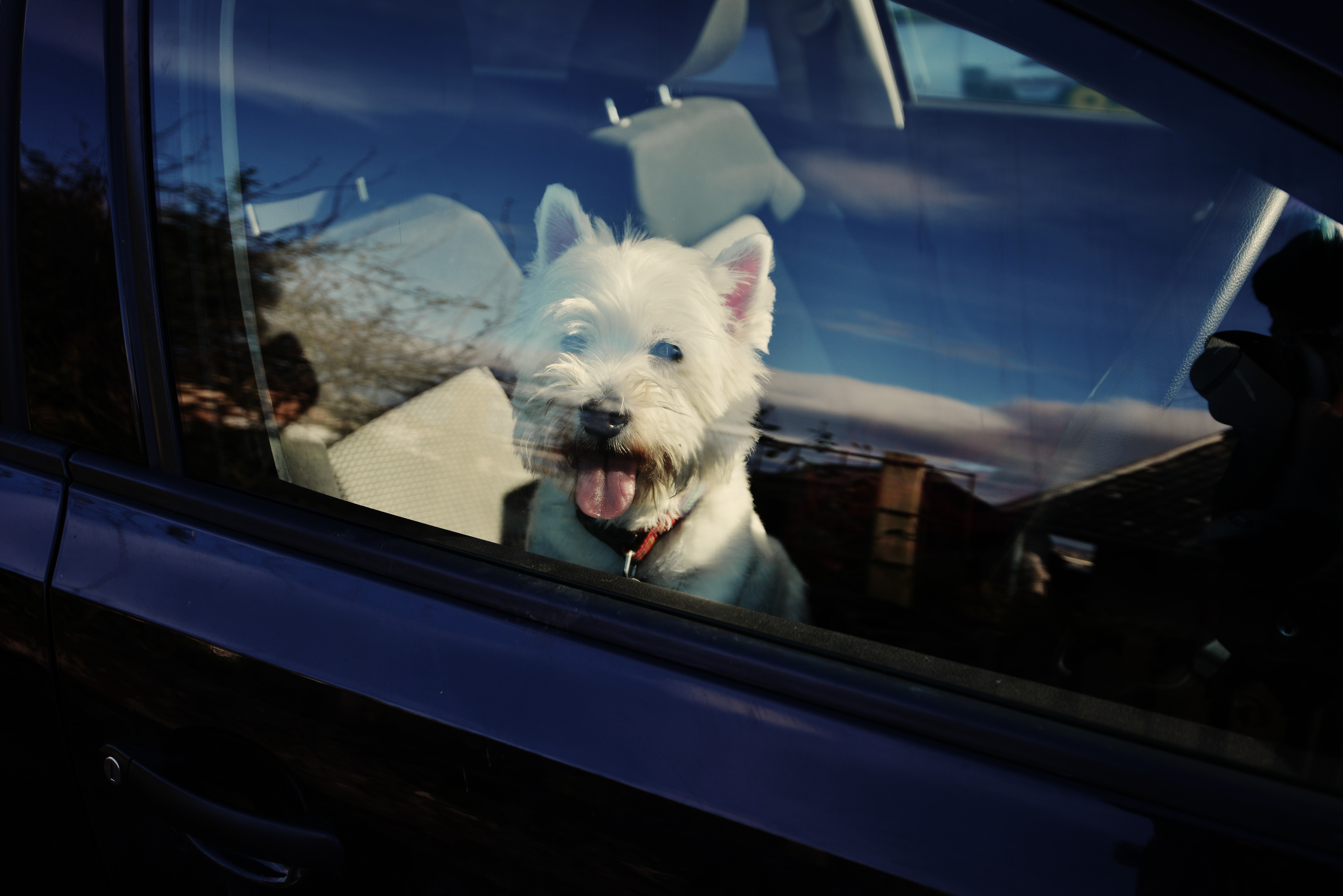
One of the most common justifications pet owners give is that they will only leave the dog alone for a few minutes. However, many experts stress that dangerous heat levels can occur much faster than people expect.
Unexpected delays happen constantly:
- Long checkout lines
- Traffic
- Phone calls
- Bathroom breaks
- Store delays
What begins as a quick stop can easily become 15 or 20 minutes. Meanwhile, the temperature inside the vehicle continues climbing.
Reddit users discussing dogs left in hot cars often describe seeing pets panting heavily despite cracked windows. Many commenters noted how quickly dogs show signs of distress during warm weather.
The reality is simple: there is no truly safe amount of time to leave a dog unattended in a parked vehicle during warm conditions.
Is It Illegal to Leave Dogs in Cars?
In many states, leaving pets inside dangerously hot vehicles is illegal. Animal protection laws continue to expand across the United States as awareness grows about heatstroke dangers. According to the ASPCA, dozens of states now have laws addressing pets left in unsafe vehicles.
Depending on local laws, consequences may include:
- Fines
- Animal cruelty charges
- Rescue intervention by law enforcement
- Civil penalties
- Criminal charges in severe cases
Some states even allow emergency responders or civilians to rescue animals from vehicles if they believe the animal’s life is in immediate danger.
Laws vary by state, so pet owners should understand their local regulations.

What To Do If You See a Dog in a Hot Car
Seeing a dog trapped inside a hot vehicle can be upsetting, but acting calmly and responsibly is important.
Experts recommend these steps:
1. Assess the Dog’s Condition
Look for signs of distress such as:
- Heavy panting
- Excessive drooling
- Weakness
- Vomiting
- Collapse
- Unresponsiveness
2. Try to Find the Owner
If possible, ask nearby businesses to make an announcement.
3. Call Authorities
Contact local police, animal control, or emergency services if the dog appears in danger.
4. Document the Situation
Take note of:
- Vehicle make and model
- License plate
- Time observed
- Dog’s condition
5. Understand Local Laws
Some states protect people who break windows to rescue animals in immediate danger, but laws differ depending on location.
Never ignore a distressed dog in a vehicle. Heatstroke can progress rapidly.
Safe Alternatives for Pet Owners
Instead of leaving dogs inside cars, experts recommend safer options:
Leave Your Dog at Home
If errands are necessary, the safest choice is often leaving pets comfortably indoors with water and air conditioning.
Travel With Another Person
If someone can stay with the dog while errands are completed, the pet never needs to remain alone.
Use Pet-Friendly Businesses
Some stores, restaurants, and shopping areas welcome dogs indoors.
Schedule Trips Carefully
Avoid traveling with pets during the hottest part of the day whenever possible.
Bring Water and Cooling Supplies
Portable water bowls, cooling mats, and shaded rest areas help reduce overheating risks during outings.
Winter Risks Also Exist
While summer heat receives most attention, cars can also become dangerous during colder months.
In winter:
- Temperatures inside vehicles can still rise unexpectedly in sunlight
- Dogs may suffer from cold exposure if engines stop running
- Poor ventilation may create breathing concerns
Extreme weather of any kind can threaten pets left unattended in vehicles.
Social Awareness Around Pet Safety
Public awareness surrounding dogs left in cars has grown significantly over the past few years. Social media platforms, veterinary clinics, rescue groups, and animal organizations regularly share educational campaigns warning pet owners about hot car dangers.
Many Reddit discussions show strong public concern whenever someone spots a dog inside a parked vehicle. Users often encourage reporting dangerous situations immediately rather than assuming the dog will be fine.
Animal advocates continue pushing for stronger education because many incidents still happen due to misunderstanding rather than intentional cruelty.
Final Thoughts
Leaving a dog inside a parked car may seem harmless, especially during quick errands, but the risks are extremely serious. Cars heat up rapidly, cracked windows provide little protection, and dogs can suffer fatal heatstroke within minutes. Veterinary experts and animal organizations consistently warn that no pet should be left unattended in a vehicle during warm weather.
Responsible pet ownership means planning ahead and prioritizing your dog’s safety over convenience. Whether it’s a short grocery stop or a quick coffee run, the safest decision is always keeping your dog out of dangerous conditions.
A few minutes of caution could save a beloved pet’s life.
Leave a Reply