
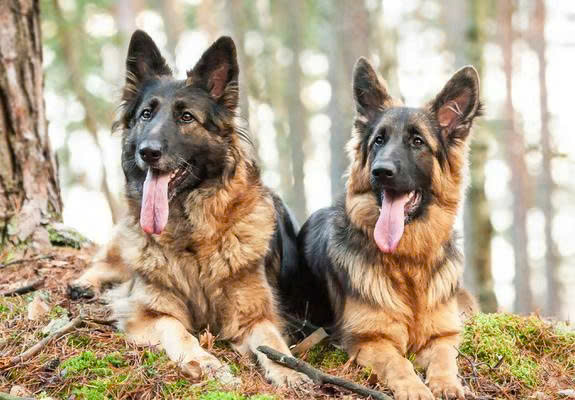
The German Shepherd is one of the most admired dog breeds in the world. Known for their intelligence, loyalty, courage, and versatility, these dogs have become trusted companions for families, police officers, military teams, and service handlers alike. Whether you’re thinking about adopting a German Shepherd puppy or already sharing your life with one, understanding this incredible breed is essential.
Originally developed in Germany during the late 1800s, the German Shepherd was bred to herd sheep and protect livestock. Over time, the breed evolved into one of the most dependable working dogs on the planet. Today, German Shepherds are commonly seen in law enforcement, search-and-rescue operations, therapy work, and family homes across the United States.
In this complete guide, we’ll explore everything from temperament and training to health, grooming, and daily care.
The History of the German Shepherd
The German Shepherd breed traces its roots back to Captain Max von Stephanitz, who wanted to create the ideal working dog. In 1899, he discovered a dog named Horand, widely recognized as the first official German Shepherd. His vision focused on intelligence, obedience, athleticism, and usefulness rather than appearance alone.
As industrialization reduced the need for traditional sheep herding, German Shepherds quickly found new roles in society. Their intelligence and trainability made them ideal for military and police work during World War I. After the war, returning soldiers brought stories of these incredible dogs back to America, helping the breed gain massive popularity.
Hollywood also played a huge role in their fame. Famous German Shepherds like Rin Tin Tin became movie stars and helped establish the breed as one of the most beloved dogs in American culture.
Today, German Shepherds consistently rank among the most popular dog breeds in the United States.

German Shepherd Appearance
German Shepherds are large, muscular dogs with a confident and athletic build. Males usually stand between 24 and 26 inches tall, while females are slightly smaller. Most adult German Shepherds weigh between 50 and 90 pounds.
One of the breed’s most recognizable features is its alert expression combined with upright ears and a bushy tail. Their double coat can come in several colors, including:
- Black and tan
- Sable
- All black
- Gray
- White
- Blue
- Liver combinations
German Shepherds have a thick coat designed to protect them from harsh weather conditions. While beautiful, this coat also means regular shedding throughout the year.
German Shepherd Personality and Temperament
German Shepherds are famous for their loyalty and intelligence. They form incredibly strong bonds with their families and often become deeply attached to their owners. Many dog lovers describe them as “velcro dogs” because they always want to stay close to the people they love.
These dogs are naturally protective, which makes them excellent watchdogs. However, proper socialization is critical. A well-trained German Shepherd should be confident, calm, and able to distinguish between real threats and normal social situations.
Common personality traits include:
- High intelligence
- Strong loyalty
- Courage
- Confidence
- Protectiveness
- Playfulness
- Trainability
German Shepherds thrive when they have structure and purpose. Without enough mental stimulation, they can become bored and destructive.
According to breed experts, German Shepherds are among the most trainable dog breeds in the world. Their eagerness to learn makes them ideal for obedience, agility, scent work, and advanced commands.
Are German Shepherds Good Family Dogs?
Yes, German Shepherds can make outstanding family dogs when properly trained and socialized. They are affectionate with their families and often become extremely protective of children.
Many families appreciate their loyalty and reliability. German Shepherds are energetic and playful, which means they often enjoy outdoor activities like hiking, running, fetch, and swimming with kids.
However, they are not typically low-maintenance pets. This breed requires:
- Daily exercise
- Consistent training
- Social interaction
- Mental stimulation
- Strong leadership
German Shepherds may not be the best fit for first-time dog owners who are unprepared for the breed’s energy and training needs.

Exercise Requirements
German Shepherds are highly active dogs. They need at least 1 to 1.5 hours of exercise every day to stay healthy and balanced.
Without enough activity, they may develop behavioral problems such as excessive barking, chewing, digging, or anxiety.
Great activities for German Shepherds include:
- Long walks
- Running
- Hiking
- Agility courses
- Fetch
- Obedience training
- Interactive puzzle toys
- Swimming
Mental stimulation is just as important as physical exercise. German Shepherds love solving problems and learning new commands.
German Shepherd Training Tips
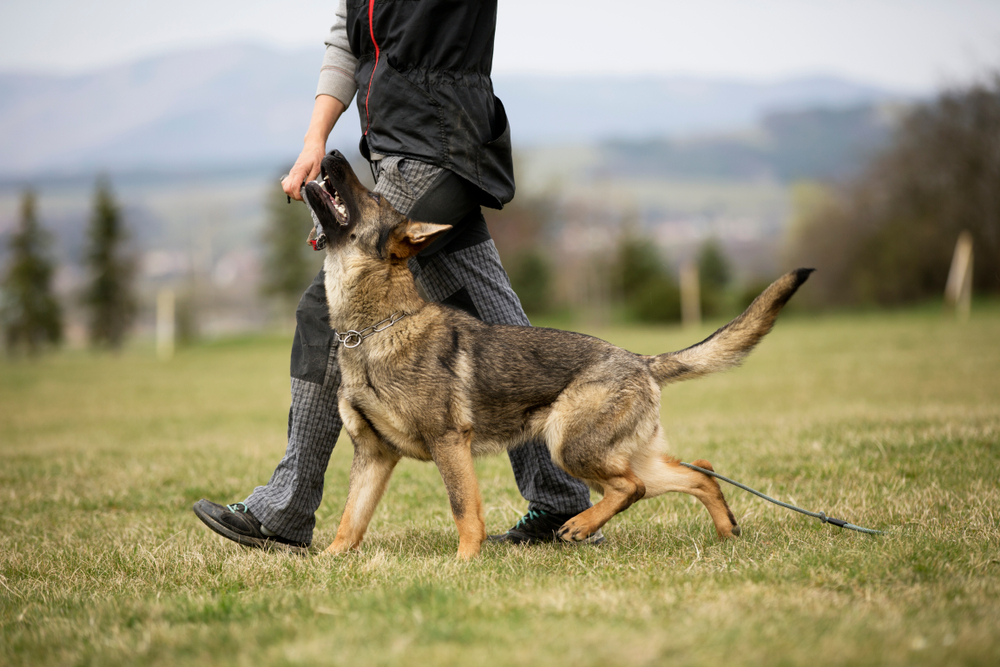
Training should begin early with German Shepherd puppies. Because they are intelligent and energetic, they learn quickly but can also develop bad habits if not guided properly.
Experts recommend using positive reinforcement methods, including treats, praise, and play rewards. Harsh punishment can damage trust and create fear-based behaviors.
Important training goals include:
Early Socialization
Expose your puppy to different people, places, sounds, and experiences during the first few months of life. This helps build confidence and prevents fearfulness later on.
Basic Obedience
Teach commands such as:
- Sit
- Stay
- Come
- Heel
- Leave it
Consistency
German Shepherds respond best when rules remain consistent. Everyone in the household should follow the same expectations and commands.
Advanced Training
Because of their intelligence, many German Shepherds excel in advanced activities like:
- Search and rescue
- Therapy work
- Protection sports
- Scent detection
- Service dog training
Grooming and Shedding
German Shepherds are famous for shedding — sometimes jokingly called “German Shedders” by owners online.
Their thick double coat sheds year-round and becomes heavier during seasonal coat changes.
To keep shedding manageable:
- Brush them 2–4 times per week
- Use a de-shedding tool during heavy shedding seasons
- Bathe only when necessary
- Trim nails regularly
- Clean ears weekly
- Brush teeth several times a week
Routine grooming not only keeps your dog looking good but also helps maintain healthy skin and coat condition.
Common German Shepherd Health Problems
Like many purebred dogs, German Shepherds are prone to certain genetic health conditions. Responsible breeders screen for these issues to reduce the risk in puppies.
Common health concerns include:
Hip Dysplasia
A condition where the hip joint develops improperly, leading to pain and arthritis.
Elbow Dysplasia
Similar to hip dysplasia, this affects the elbow joints and can limit mobility.
Degenerative Myelopathy
A neurological disease that impacts the spinal cord and can eventually affect movement in the hind legs.
Bloat (Gastric Dilatation-Volvulus)
A dangerous condition where the stomach twists and fills with gas. Immediate veterinary care is required.
Allergies
Some German Shepherds experience food or environmental allergies that cause itching or digestive issues.
Regular veterinary visits, a balanced diet, and proper exercise can help maintain your dog’s long-term health.
Feeding a German Shepherd
German Shepherds need high-quality dog food rich in protein and healthy fats. Because they are active dogs, their diet should support muscle development and joint health.
Many veterinarians recommend foods containing:
- Real meat protein
- Omega fatty acids
- Glucosamine
- Chondroitin
- Balanced vitamins and minerals
Puppies should eat food specifically designed for large-breed growth to help prevent joint problems.
Avoid overfeeding, since obesity can worsen hip and joint conditions.
German Shepherds as Working Dogs
Few breeds match the versatility of the German Shepherd. Their intelligence, bravery, and adaptability make them exceptional working dogs.
Common working roles include:
- Police K-9 units
- Military operations
- Search and rescue
- Bomb detection
- Service dogs
- Therapy dogs
- Herding livestock
Their ability to learn complex tasks quickly has made them one of the most respected working breeds worldwide.
Interesting Facts About German Shepherds
Here are a few fun facts about the breed:
- German Shepherds became movie stars thanks to Rin Tin Tin.
- They are considered one of the smartest dog breeds in the world.
- Some German Shepherds hold Guinness World Records for agility and performance.
- They are commonly used in police and military work worldwide.
- The breed can learn commands in multiple languages.
Many owners describe their German Shepherds as deeply emotional, highly intuitive, and incredibly loyal companions.
Is a German Shepherd Right for You?
A German Shepherd can be one of the most rewarding dogs you’ll ever own — but only if you’re prepared for the commitment.
This breed is ideal for people who:
- Live active lifestyles
- Enjoy training and outdoor activities
- Want a loyal companion
- Have time for daily exercise and interaction
- Can provide structure and leadership
They may not be ideal for owners who are rarely home or unwilling to commit to training and socialization.
German Shepherds thrive when treated as true family members. With the right care, they become loving protectors, intelligent partners, and lifelong best friends.
Final Thoughts
German Shepherds continue to earn their reputation as one of America’s favorite dog breeds. Their combination of intelligence, loyalty, athleticism, and courage is hard to match. Whether serving alongside police officers, assisting people with disabilities, or cuddling with their families at home, these dogs prove every day why they are so respected around the world.
Owning a German Shepherd requires time, patience, and dedication — but for many dog lovers, the reward is absolutely worth it. If you can meet their physical and emotional needs, a German Shepherd may become the most loyal companion you’ll ever have.
Leave a Reply