
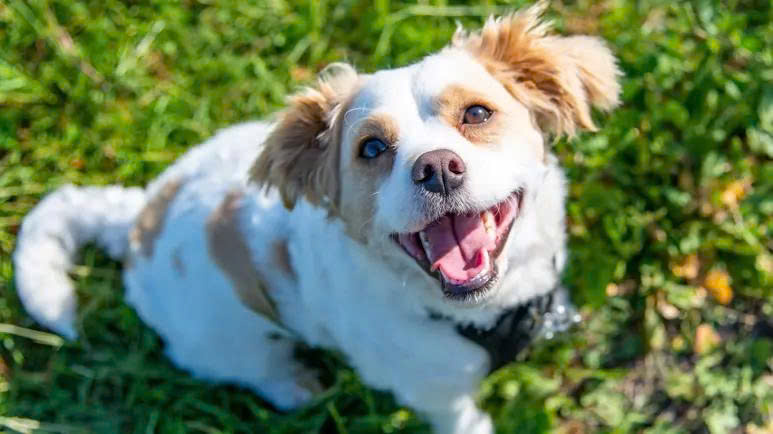
If you’ve ever looked at your dog while they’re panting with bright eyes and a relaxed face, you’ve probably wondered: Is my dog smiling at me?
For years, dog owners across America have believed their furry companions smile just like humans do. Social media is packed with adorable photos of grinning Golden Retrievers, Huskies flashing teeth, and rescue dogs appearing to beam with happiness after finding a forever home. But according to animal behavior experts, the answer is a little more complex than a simple yes or no.
Dogs absolutely express emotions, but their “smiles” don’t always mean the same thing as human smiles. Understanding what your pup is trying to communicate can help strengthen your bond and improve the way you care for them.
So, do dogs really smile? Let’s break down the science, psychology, and emotional meaning behind those adorable canine expressions.
Why People Believe Dogs Smile
Humans naturally look for familiar emotional expressions in animals. Since smiling is one of the clearest signs of happiness in people, it makes sense that we interpret similar facial movements in dogs the same way.
When dogs pull back their lips, soften their eyes, and appear relaxed, many owners see that expression as a smile. In many cases, the dog actually is experiencing positive emotions. However, experts say dogs don’t smile for the exact same social reasons humans do.
Humans smile for communication, politeness, embarrassment, excitement, and dozens of emotional situations. Dogs, on the other hand, rely more heavily on body language, scent, posture, and tone of voice to communicate.
Still, dogs are incredibly observant animals. Over thousands of years of domestication, they’ve become highly skilled at reading human emotions and behaviors. Some researchers believe dogs may have learned to mimic expressions that humans respond positively to — including smiling.

What a “Dog Smile” Actually Looks Like
Not every open mouth means your dog is smiling. To understand canine expressions, it’s important to recognize the signs of a genuinely relaxed and happy dog.
A happy dog often shows:
- Relaxed facial muscles
- Soft or squinty eyes
- Slightly open mouth
- Relaxed ears
- Loose body posture
- Gentle tail wagging
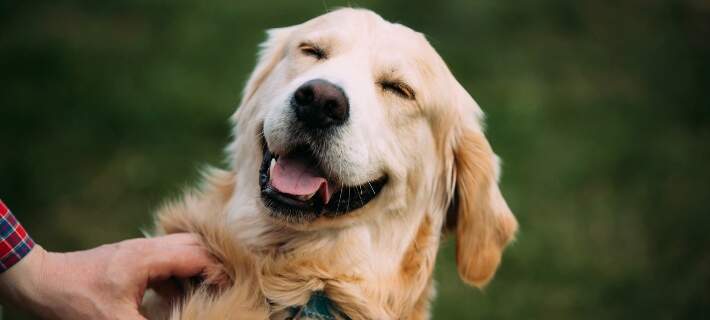
This combination creates what many people describe as a smile. Dogs commonly display this expression during playtime, walks, cuddles, or when greeting their favorite humans.
Some breeds naturally appear smiley because of their facial structure. Golden Retrievers, Samoyeds, and Staffordshire Bull Terriers are often known for looking cheerful even while resting.
Smiling vs. Stress Signals
One major misunderstanding among pet owners is confusing stress behaviors with happiness. Dogs sometimes pull their lips back when anxious, nervous, or submissive.
A stressed expression may include:
- Tense mouth
- Whites of the eyes showing
- Flattened ears
- Stiff posture
- Yawning or lip licking
- Tail tucked low
This is why context matters. A dog panting with relaxed body language at the park is very different from a dog showing teeth during an uncomfortable situation.
Animal behaviorists warn owners not to assume every toothy expression means joy. Reading the full body language is the safest and most accurate approach.
The Science Behind Canine Emotions
Modern research shows dogs experience a wide range of emotions. Studies using brain imaging technology have found that dogs respond positively to praise, affection, familiar scents, and rewarding interactions.
When dogs spend time with humans they love, their brains release oxytocin — often called the “bonding hormone.” This is the same hormone associated with emotional attachment between humans.
Because dogs form deep social connections with people, many experts believe their facial expressions are partially influenced by emotional experiences.
One famous study found that dogs produce more facial expressions when humans are paying attention to them. This suggests dogs actively communicate using facial movements rather than making random expressions.
In other words, your dog may not smile exactly like a human, but they are definitely trying to express themselves.
Can Dogs Learn to Smile From Humans?
Some experts think dogs may develop smiling behaviors through positive reinforcement.
Imagine this situation:
Your dog opens their mouth in a relaxed way, and you immediately react with excitement. You pet them, laugh, take pictures, and shower them with affection. Over time, your dog learns that this facial expression gets a positive response.
Dogs are masters at reading human behavior. They quickly notice which actions earn treats, praise, attention, or cuddles.
That means some dogs may intentionally repeat “smiling” expressions because they know humans love them.
This doesn’t make the expression fake. Instead, it highlights how emotionally intelligent dogs truly are.
Why Dogs Smile During Play
Playtime is one of the moments when dogs most commonly appear to smile. During games, dogs often display relaxed mouths, playful bows, loose movements, and excited tail wagging.
This expression helps communicate friendly intentions to both humans and other dogs.
Dog parks are full of these social signals. A playful “smile” paired with bouncing behavior tells other dogs:
“I’m having fun — not trying to fight.”
Puppies especially use exaggerated facial expressions during social development. This helps them learn communication skills and appropriate interaction boundaries.
Breed Differences in Dog Expressions
Some dogs naturally appear more expressive than others. Facial anatomy, fur patterns, and temperament all influence how a dog’s emotions are perceived.
Breeds often associated with smiling include:
Golden Retrievers
Known for their friendly personalities and naturally relaxed expressions.
Samoyeds
Their famous “Sammy smile” is partly due to the curve of their mouths, which also helps prevent drooling in cold climates.
Labrador Retrievers
Labs often display happy, open-mouth expressions during social interactions.
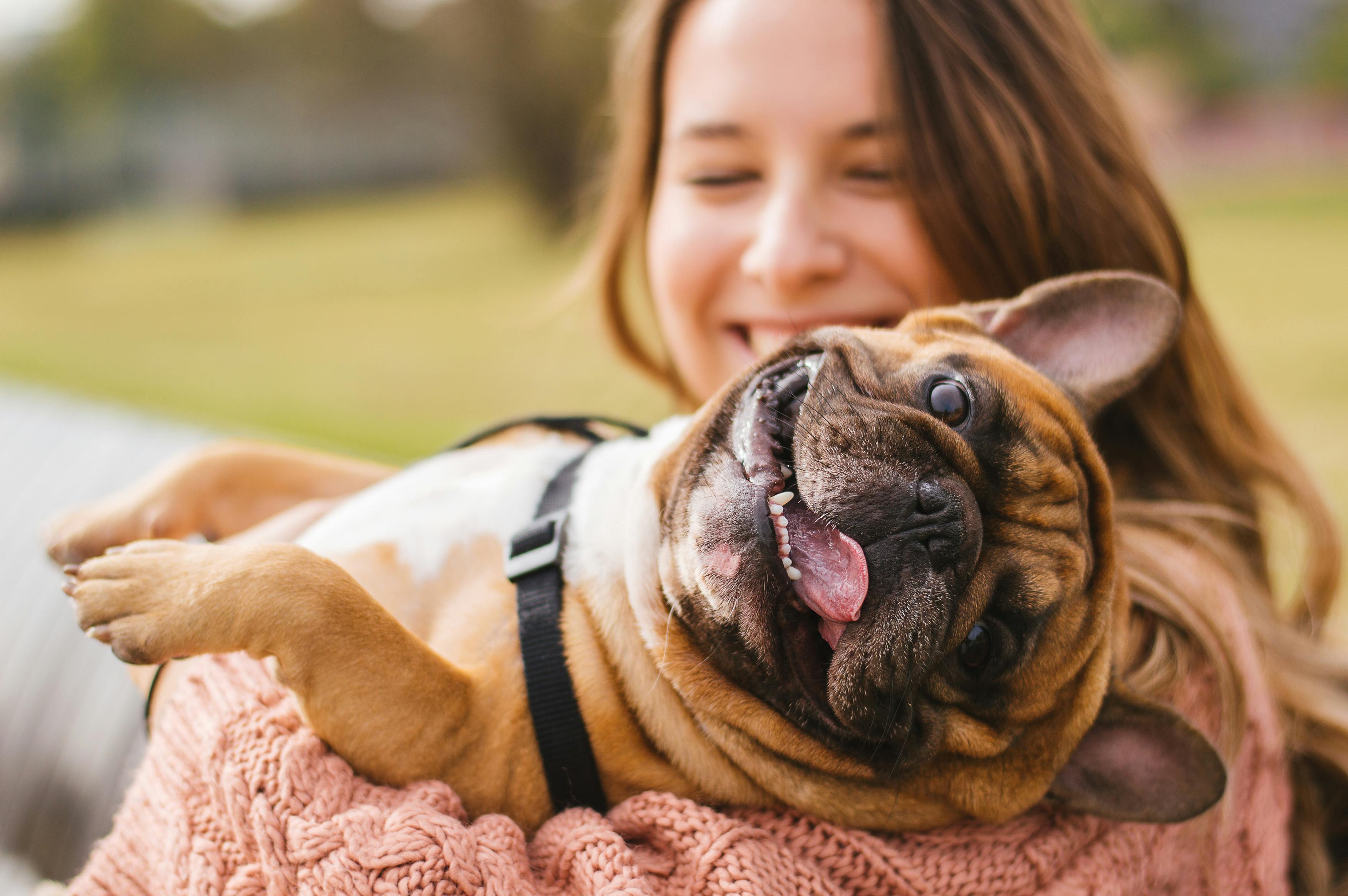
French Bulldogs
Their expressive eyes and facial muscles make emotions easy to read.
Pit Bull-Type Dogs
Many owners report broad, obvious grin-like expressions when their dogs are excited or relaxed.
Of course, every dog is unique regardless of breed. Personality and environment play a huge role in emotional expression.
Do Dogs Smile When They’re Happy?
In many cases, yes — but not in the exact human sense.
Dogs absolutely experience pleasure, comfort, excitement, and affection. When they feel safe and content, their bodies relax. That relaxed state often creates the facial expression humans interpret as smiling.
So while dogs may not understand smiling as a cultural social gesture like humans do, their expressions can still reflect genuine positive emotions.
Think of it this way:
Your dog may not be smiling like a person, but they are showing happiness in their own canine language.
Signs Your Dog Is Truly Happy
Want to know if your dog is genuinely happy? Look beyond the mouth alone. Experts recommend paying attention to the full-body picture.
Happy dogs often:
- Seek interaction with you
- Maintain relaxed posture
- Sleep comfortably
- Show healthy appetite
- Engage in play
- Wag their tail naturally
- Display curiosity
- Make soft eye contact
Dogs that feel emotionally secure also tend to recover quickly from mild stress and adapt better to daily routines.
The Emotional Bond Between Dogs and Humans
One reason the “dog smile” debate matters so much is because humans feel deeply connected to their pets. For many Americans, dogs are family members, emotional support companions, and best friends.
Research consistently shows dogs improve mental health, reduce loneliness, and lower stress levels. Simply interacting with a friendly dog can boost mood and emotional well-being.
When owners believe their dog is smiling at them, it strengthens that emotional connection even further.
And honestly, whether the smile is scientifically identical to a human smile may not matter nearly as much as the feeling behind it.
Dogs communicate love, comfort, trust, and excitement in countless ways every single day.
How to Encourage Positive Expressions in Dogs
If you want your dog to appear happier and more relaxed, focus on creating a safe and enriching environment.
Here are a few simple ways to support emotional well-being in dogs:
Daily Exercise
Walks and physical activity help reduce anxiety and improve mood.
Mental Stimulation
Puzzle toys, training games, and scent activities keep dogs mentally engaged.
Positive Reinforcement
Reward calm and confident behavior with treats, praise, or affection.
Social Interaction
Most dogs thrive with healthy companionship and attention.
Consistent Routine
Dogs feel safer when daily schedules remain predictable.
Veterinary Care
Pain or illness can affect facial expressions and emotional behavior. Regular checkups matter.
A relaxed and emotionally healthy dog is far more likely to display those lovable “smiling” expressions naturally.
Final Thoughts
So, do dogs really smile?
The answer is both scientific and emotional. Dogs may not smile exactly the way humans do, but they absolutely express joy, comfort, affection, and excitement through their faces and body language.
What we interpret as a smile is often a sign of a relaxed, emotionally secure, and happy dog. And thanks to thousands of years spent living alongside humans, dogs have become incredibly skilled at connecting with us emotionally.
Whether it’s a goofy grin during playtime, a relaxed pant after a walk, or that joyful face when you come home, your dog is communicating something meaningful.
And for most pet owners, that happy expression feels every bit like a smile.
Leave a Reply