
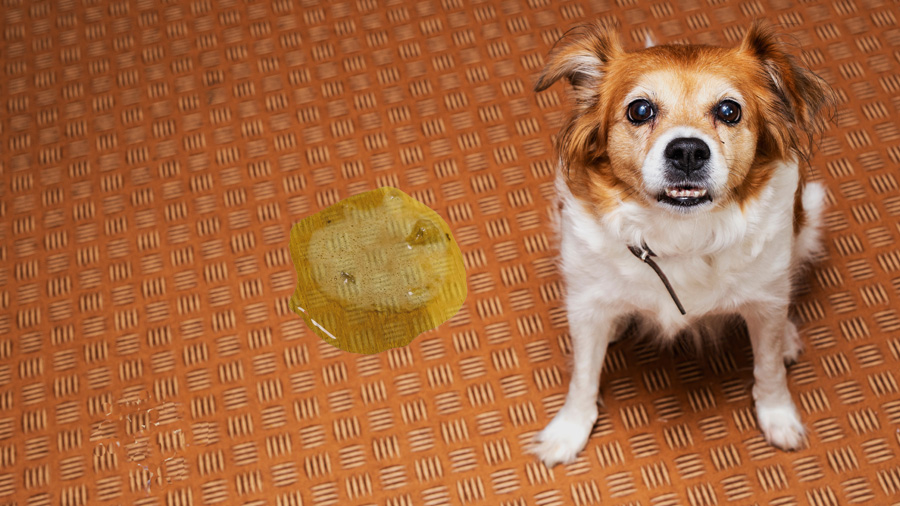
If you’ve ever woken up to find your dog vomiting a slimy, foamy, or mucus-like substance, it can be alarming. While it may not always signal something serious, it is a clear sign that something is irritating your dog’s digestive system. Understanding the possible causes can help you decide whether it’s a minor issue or something that needs veterinary attention.
This guide breaks down the most common reasons dogs throw up mucus, the symptoms to watch for, and what steps you should take to keep your pet safe and healthy.
What Does Mucus Vomit in Dogs Look Like?
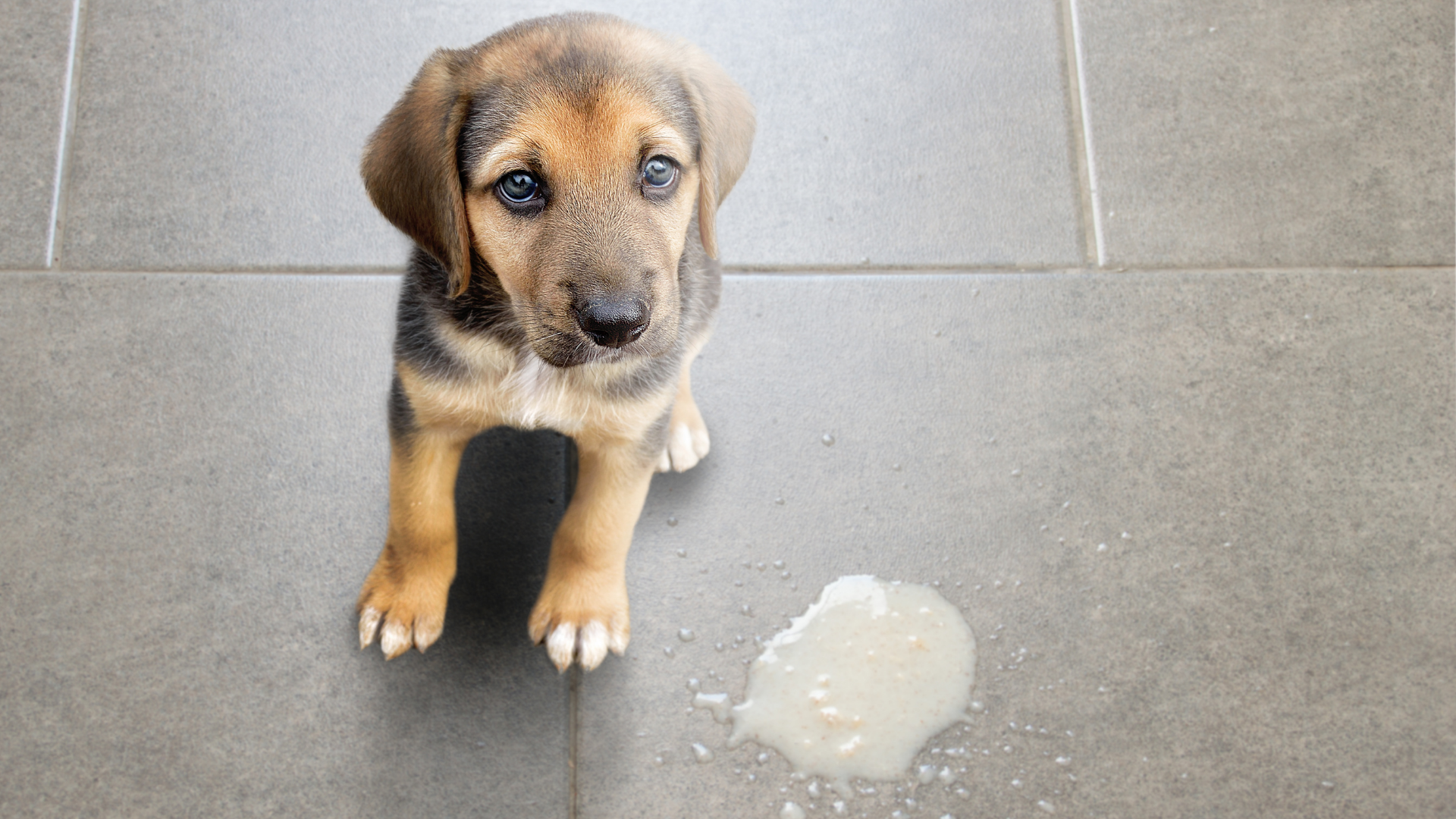
Mucus vomit typically appears as:
- Clear, white, or slightly yellowish slime
- Foamy or bubbly liquid
- Thick, sticky texture
- Sometimes mixed with bile or small food particles
It may come up on its own or after repeated gagging or retching. Unlike normal food vomiting, mucus vomit often indicates irritation in the stomach or upper digestive tract.
Common Causes of Dogs Throwing Up Mucus
There are several possible reasons your dog may be vomiting mucus. Some are mild and temporary, while others require medical care.
1. Empty Stomach (Bilious Vomiting Syndrome)
One of the most common reasons is an empty stomach. When a dog goes too long without eating, stomach acids build up and irritate the stomach lining. This often leads to vomiting mucus or foam, especially in the morning.
Signs include:
- Vomiting early in the day
- Yellowish or foamy mucus
- Dog otherwise acting normal
Small, frequent meals can often help reduce this issue.
2. Dietary Indiscretion (Eating Something They Shouldn’t)
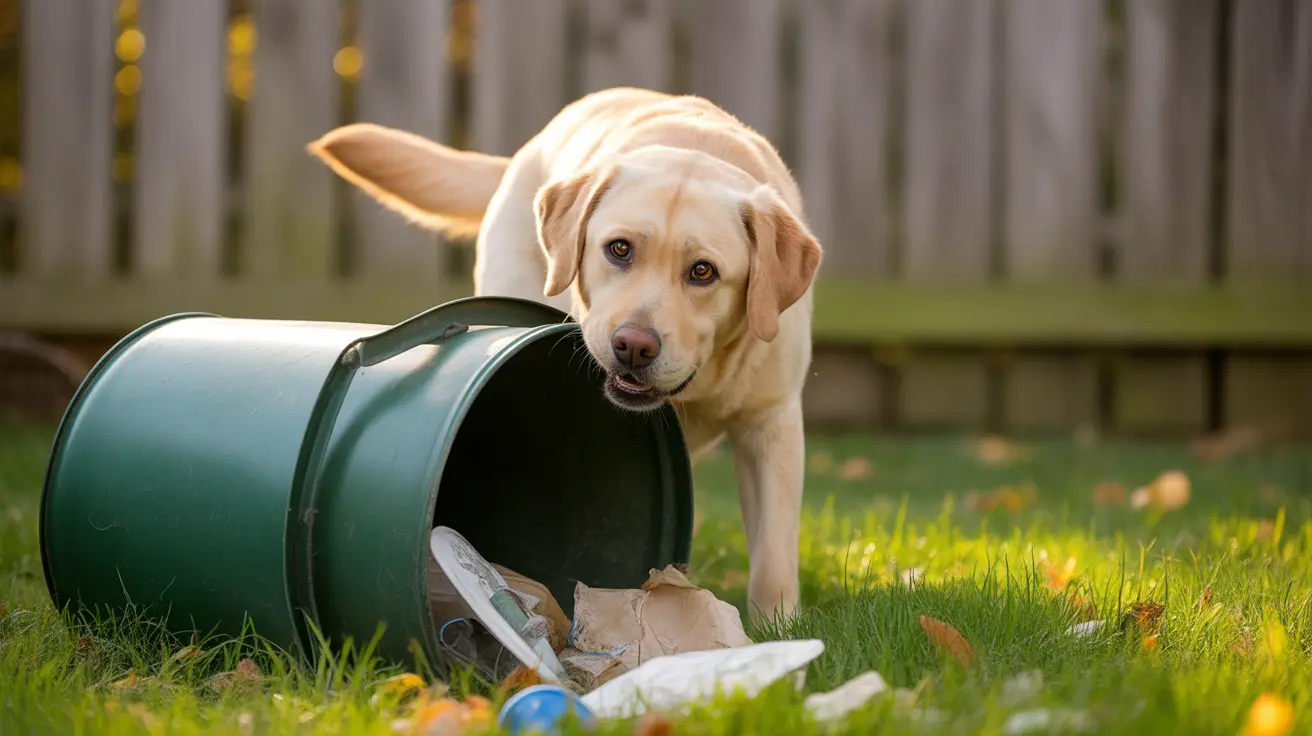
Dogs are naturally curious and may eat garbage, grass, spoiled food, or foreign objects. This can irritate their stomach and trigger mucus vomiting.
Common triggers include:
- Table scraps or fatty foods
- Trash or spoiled food
- Grass or plants
- Toys or non-food objects
If vomiting continues after eating something unusual, a vet visit is recommended.
3. Gastritis (Stomach Inflammation)
Gastritis is inflammation of the stomach lining and is another frequent cause of mucus vomiting in dogs. It can be acute or chronic.
Possible causes include:
- Infection
- Stress
- Sudden diet changes
- Toxins or medications
Symptoms may include:
- Repeated vomiting
- Loss of appetite
- Lethargy
- Abdominal discomfort
4. Intestinal Parasites
Worms and parasites can irritate your dog’s digestive tract, leading to mucus in vomit.
Common parasites include:
- Roundworms
- Hookworms
- Giardia
Other signs may include:
- Weight loss
- Diarrhea
- Swollen belly (in puppies)
- Poor coat condition
Routine deworming helps prevent this issue.
5. Respiratory Illness or Kennel Cough
Sometimes what looks like vomiting is actually coughing up mucus from the respiratory system. Dogs with kennel cough or other respiratory infections may gag and expel phlegm.
Symptoms include:
- Persistent coughing
- Gagging or retching
- Nasal discharge
- Mild fever
This type of “vomiting” is not always stomach-related.

6. Food Allergies or Sensitivities
Some dogs react poorly to certain ingredients in their diet, leading to digestive upset and mucus vomiting.
Common allergens include:
- Chicken
- Beef
- Dairy
- Wheat or grains
Symptoms often include:
- Itchy skin
- Ear infections
- Soft stool or diarrhea
- Chronic vomiting
7. Bloat or Serious Gastrointestinal Issues
In rare but serious cases, vomiting mucus can be a sign of bloat or intestinal blockage. These conditions are emergencies.
Warning signs:
- Swollen abdomen
- Repeated unproductive vomiting
- Restlessness or pacing
- Collapse or weakness
If you suspect bloat, seek emergency veterinary care immediately.
Symptoms to Watch Alongside Mucus Vomiting
Mucus vomiting alone may not be dangerous, but combined symptoms can indicate a more serious issue.
Watch for:
- Lethargy or weakness
- Diarrhea (especially with blood)
- Loss of appetite
- Excessive drooling
- Dehydration
- Weight loss
- Fever
If multiple symptoms appear, do not delay veterinary consultation.
When Should You Take Your Dog to the Vet?
Not every case requires urgent care, but you should contact a vet if:
- Vomiting lasts more than 24 hours
- Your dog vomits multiple times in a day
- There is blood in the vomit
- Your dog seems weak or in pain
- Your dog refuses food or water
- You suspect poisoning or foreign object ingestion
Puppies, senior dogs, and small breeds should always be treated more cautiously due to their higher risk of complications.
How Vets Diagnose the Problem
A veterinarian may use several methods to find the cause:
- Physical examination
- Stool sample testing
- Blood work
- X-rays or ultrasound
- Dietary history review
The goal is to determine whether the issue is digestive, infectious, or systemic.
Treatment Options
Treatment depends on the underlying cause.
Mild Cases
- Temporary fasting (short-term only, under vet guidance)
- Bland diet (chicken and rice)
- Increased hydration
- Anti-nausea medication
Infection or Parasites
- Deworming medication
- Antibiotics (if bacterial infection is present)
- Antiparasitic treatments
Chronic Conditions
- Prescription diets
- Long-term medication
- Allergy management
Home Care Tips for Dog Vomiting Mucus
If your dog’s condition is mild and a vet has not found a serious issue, you can support recovery at home:
- Feed smaller meals more frequently
- Avoid sudden diet changes
- Keep fresh water available at all times
- Limit fatty or rich foods
- Reduce stress in your dog’s environment
- Monitor behavior closely
Never give human medications without veterinary approval.

Prevention Tips
Preventing mucus vomiting often comes down to good daily care:
- Maintain a consistent feeding schedule
- Use high-quality dog food
- Keep garbage and toxins out of reach
- Regular vet checkups
- Routine deworming and vaccinations
- Avoid feeding table scraps
A stable routine helps keep your dog’s digestive system healthy.
Final Thoughts
If your dog is throwing up mucus, it can range from a minor stomach irritation to a sign of something more serious. In many cases, it’s related to an empty stomach or mild digestive upset, but persistent or severe symptoms should never be ignored.
The key is observation—watch your dog closely, note any additional symptoms, and seek veterinary advice when needed. With proper care and attention, most dogs recover quickly and return to their normal, happy selves.
Leave a Reply