
Introduction
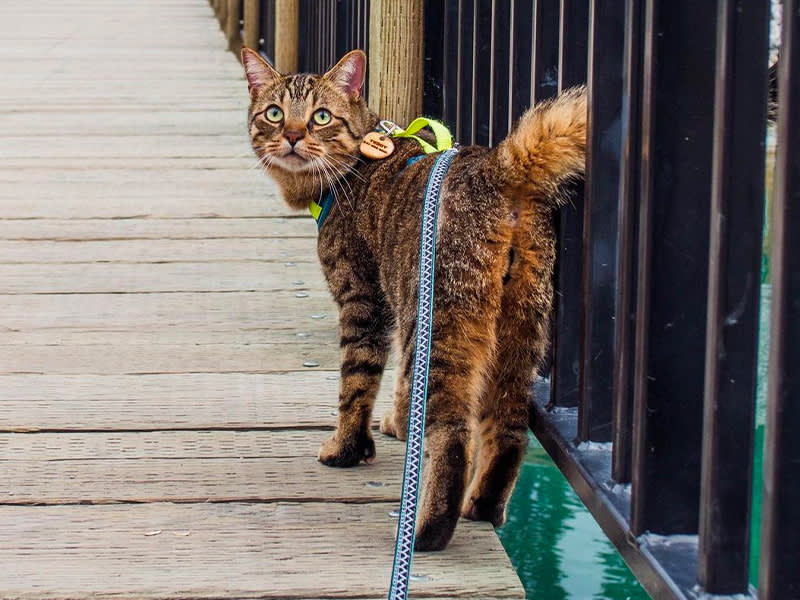
For decades, hiking has been a favorite outdoor activity for dog owners—but recently, a new trend has emerged: hiking with cats. While it might sound unusual at first, more pet owners across the United States are discovering that some cats can thrive on outdoor adventures.
However, unlike dogs, cats are independent, sensitive, and often resistant to unfamiliar environments. That means hiking with a cat requires careful planning, patience, and a deep understanding of your pet’s personality. According to veterinary-reviewed guidance, whether your cat will enjoy hiking depends entirely on its temperament and training.
This guide explores everything you need to know—from evaluating your cat’s suitability to preparing for a safe and enjoyable hike.
Can You Really Hike With a Cat?
The short answer: yes—but not every cat is cut out for it.
Cats are naturally curious, and many enjoy fresh air, new scents, and exploring safe outdoor environments. However, some prefer staying indoors where they feel secure. Cats that are anxious, easily startled, or dislike being handled may not adapt well to hiking.
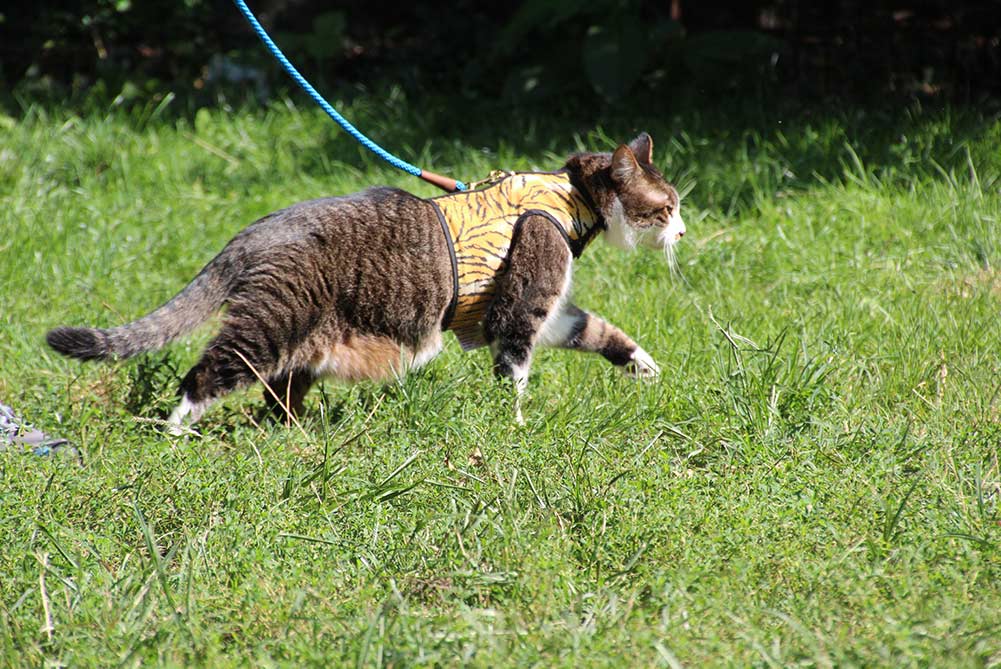
On the other hand, adventurous cats—often called “adventure cats”—can learn to enjoy hiking just like dogs, especially if introduced to the outdoors early.
Signs Your Cat Might Enjoy Hiking
- Curious and confident personality
- Comfortable around new environments
- Already enjoys supervised outdoor time
- Responds well to training
Signs Hiking Isn’t a Good Fit
- Easily stressed or fearful
- Aggressive or highly territorial
- Dislikes being restrained or carried
Understanding your cat’s personality is the first and most important step.
Why Hiking With Your Cat Can Be Beneficial
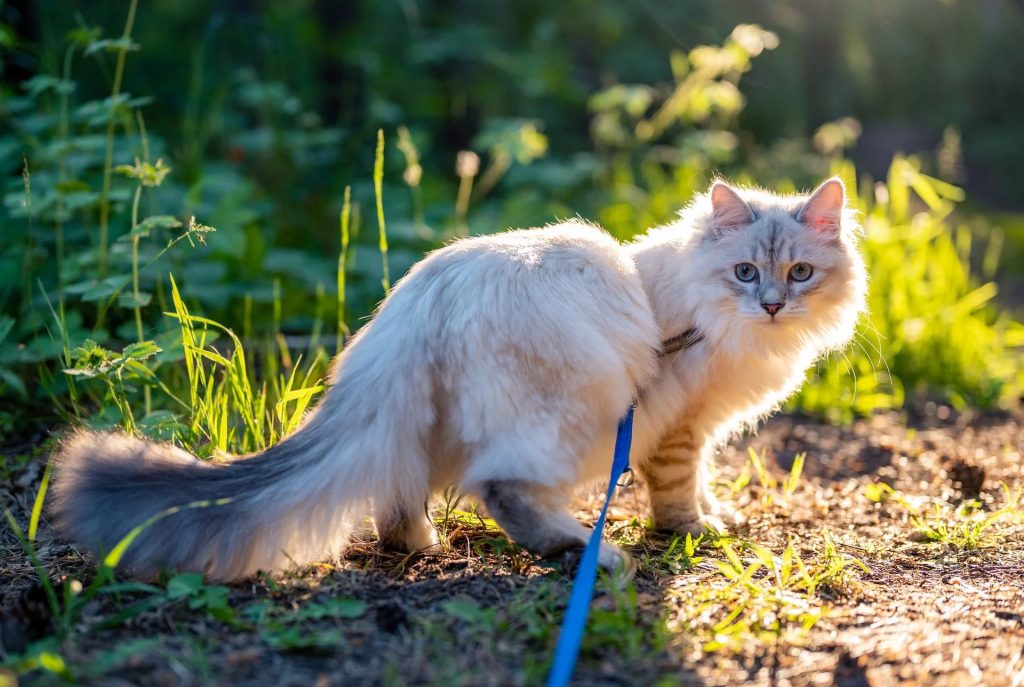
Taking your cat outdoors isn’t just about fun—it can provide real physical and mental health benefits.
1. Mental Stimulation
Indoor cats often lack stimulation. Hiking introduces new smells, sounds, and sights that engage their senses and reduce boredom.
2. Physical Exercise
Obesity is a common issue among indoor cats. Outdoor activity helps maintain a healthy weight and improves overall fitness.
3. Stronger Bond
Shared experiences like hiking strengthen the bond between you and your pet, creating trust and companionship.
4. Enriched Lifestyle
Instead of a routine indoor life, your cat experiences variety, which can improve mood and behavior.
Experts emphasize that outdoor time can significantly enhance a cat’s well-being—when done safely.
Training Your Cat for Hiking
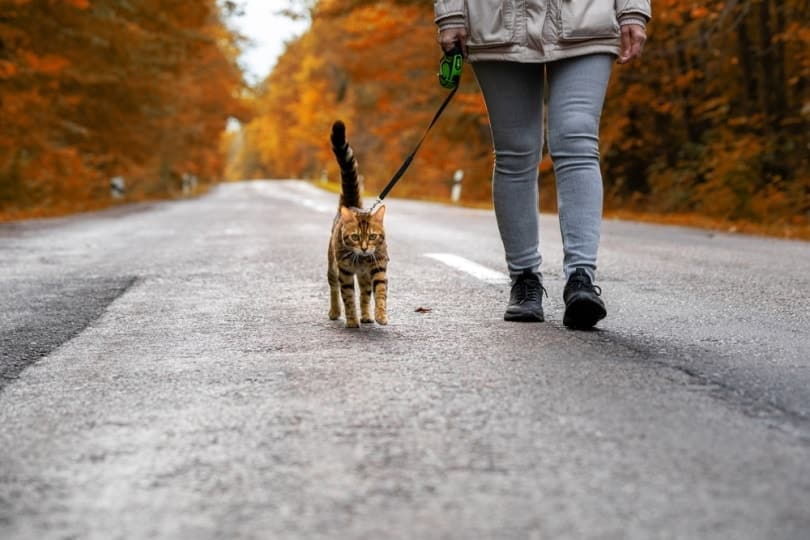
Before hitting the trails, your cat needs proper training. Unlike dogs, cats don’t naturally follow commands, so patience is key.
1. Harness Training Is Essential
Cats should always wear a harness—not just a collar—because harnesses distribute pressure safely across the body.
Start indoors:
- Let your cat wear the harness for short periods
- Reward with treats and praise
- Gradually attach a leash
2. Practice Walking Indoors First
Once your cat is comfortable in a harness, practice walking inside your home. This helps your cat get used to the feeling of being guided.
3. Move Outdoors Slowly
Transition to quiet outdoor areas like a backyard or park. Avoid crowded or noisy places at first.
4. Teach Recall
Training your cat to come when called is critical. Use treats and repetition to reinforce this behavior.
5. Keep Sessions Short
Cats have shorter attention spans than dogs. Short, positive training sessions work best.
Preparing for a Cat-Friendly Hike
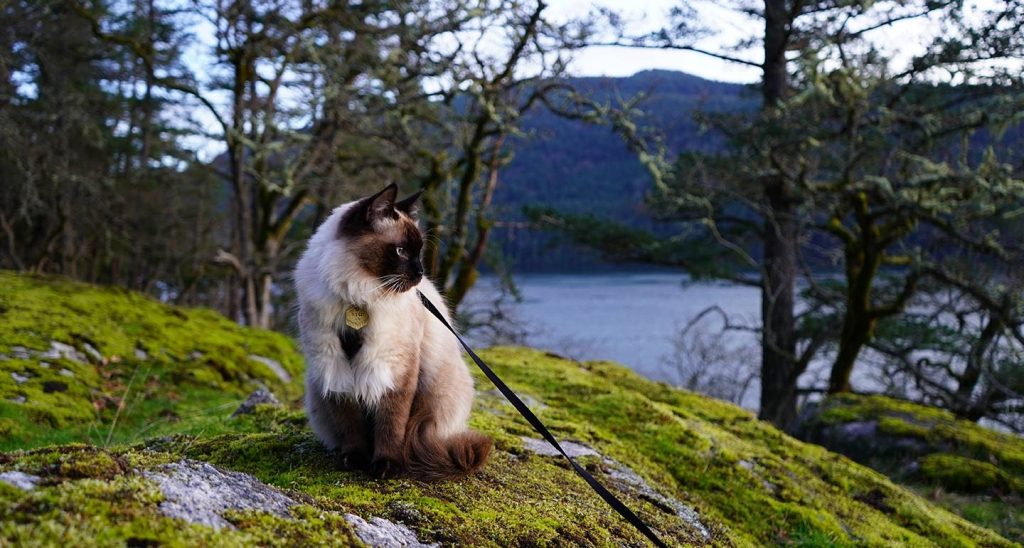
Preparation is what separates a successful hike from a stressful one.
1. Visit the Vet First
Outdoor cats face higher exposure to diseases. Make sure vaccinations are up to date, including core vaccines like rabies.
2. Use Flea and Tick Prevention
Parasites are common on trails and can pose serious health risks. Preventative treatment is essential.
3. Pack the Essentials
Bring everything your cat might need, including:
- Food and water
- Treats
- Waste bags or a portable litter box
- First-aid kit
Experts recommend packing enough supplies for at least 24 hours longer than planned in case of delays.
4. Bring a Carrier or Backpack
Even adventurous cats get tired. A well-ventilated carrier or backpack allows your cat to rest safely.
5. Add Identification
Use:
- ID tags
- Microchip
- GPS tracker (optional but helpful)
These precautions ensure your cat can be found if it gets lost.
Choosing the Right Trail
Not all hiking trails are suitable for cats.
Ideal Trails for Cats
- Quiet and low-traffic
- Short and easy terrain
- Pet-friendly locations
Avoid
- Crowded or noisy trails
- Areas with large wildlife
- Extreme weather conditions
Also, check local park regulations—some parks restrict where pets are allowed.
Safety Tips for Hiking With a Cat
Safety should always be your top priority.
1. Always Use a Leash
Even well-trained cats can get startled and run off. Keeping your cat on a leash prevents accidents.
2. Watch for Signs of Stress
If your cat:
- Hides
- Refuses to move
- Vocalizes excessively
…it may be time to stop and head home.
3. Keep Your Cat Cool
Cats are sensitive to heat. Bring plenty of water and avoid hiking during hot weather.
4. Check for Ticks Afterward
Inspect your cat after every hike to prevent infections and parasites.
5. Be Ready to Turn Back
Flexibility is key. If your cat isn’t enjoying the hike, don’t force it.
Common Challenges (and How to Handle Them)
1. Cat Refuses to Walk
Some cats prefer to sit and observe. This is normal—be patient or carry them when needed.
2. Fear of New Environments
Gradual exposure and positive reinforcement help reduce anxiety.
3. Encounters With Dogs or Wildlife
Always stay alert and keep your cat close.
4. Overstimulation
Too many new stimuli can overwhelm cats. Start with calm, controlled environments.
Is Hiking With a Cat Right for You?
Hiking with a cat isn’t for everyone. It requires time, effort, and understanding.
You might enjoy it if:
- You love outdoor activities
- You’re patient with training
- Your cat shows curiosity and confidence
It may not be suitable if:
- Your cat is highly anxious
- You prefer long or intense hikes
- You lack time for proper training
Ultimately, success depends on your cat—not your expectations.
Conclusion
Hiking with a cat is not only possible—it can be an incredibly rewarding experience. With proper training, preparation, and attention to safety, you and your feline companion can explore the outdoors together.
The key is to respect your cat’s personality and pace. Some cats will eagerly embrace the adventure, while others may prefer the comfort of home—and that’s perfectly okay.
By taking things slow and prioritizing your cat’s well-being, you can turn hiking into a safe, enjoyable, and unforgettable bonding experience.
Leave a Reply