
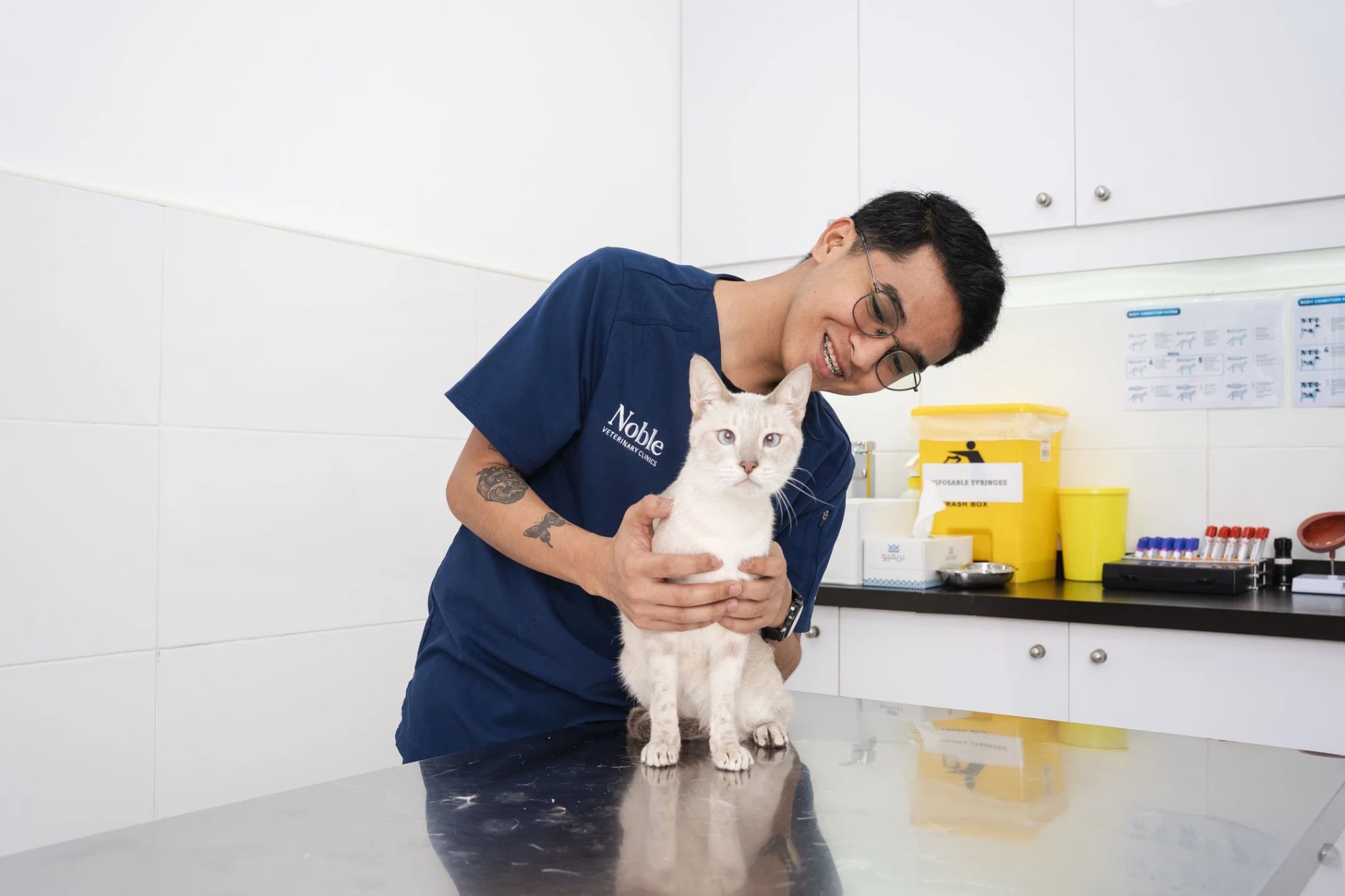
Constipation in cats is more common than many pet owners realize—and it can be uncomfortable, even painful, for your feline companion. While mild cases can often be managed at home, it’s important to understand the causes, recognize the warning signs, and apply safe, vet-approved solutions.
In this guide, we’ll explore natural home remedies for cat constipation, based on veterinary insights, along with tips to prevent it from happening again.
What Is Cat Constipation?
Constipation occurs when a cat has difficulty passing stool or goes less frequently than normal. Most healthy cats typically pass feces every 24–36 hours. When stool remains in the colon too long, it becomes dry and hard, making it even more difficult to pass.
Although occasional constipation may not be serious, persistent or severe cases can signal underlying health issues such as digestive disorders or even more complex conditions.
Signs Your Cat May Be Constipated
Recognizing early symptoms can help you act quickly and prevent complications. Common signs include:
- Straining in the litter box
- Passing small, hard, dry stools
- Reduced frequency of bowel movements
- Pain or discomfort when defecating
- Swelling or sensitivity around the anus
- Occasional traces of blood
If your cat hasn’t passed stool for more than 48 hours or appears to be in distress, it’s best to consult a veterinarian immediately.
12 Natural Home Remedies for Cat Constipation
If your cat’s constipation is mild and already being monitored by a vet, these natural remedies may help relieve discomfort and restore normal digestion.
1. Keep Your Cat Hydrated
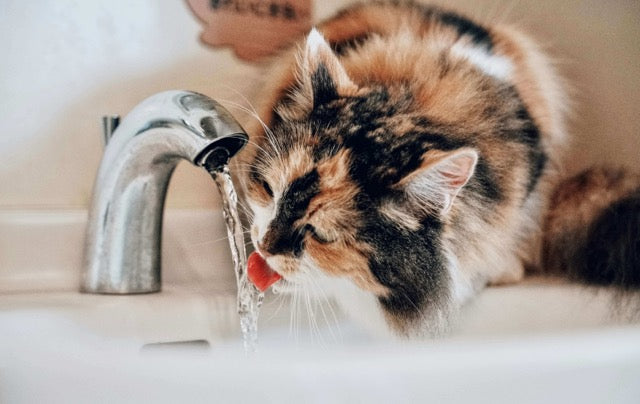
Hydration is the foundation of digestive health. When a cat is dehydrated, stool becomes dry and difficult to pass. Increasing water intake is often the first and most effective step.
Try placing multiple water bowls around your home or using a water fountain to encourage drinking.
2. Switch to Wet Food
Dry kibble contains very little moisture, which can contribute to constipation. Wet or canned food provides additional hydration and helps soften stools naturally.
Even adding a small portion of wet food to your cat’s diet can make a noticeable difference.
3. Adjust Your Cat’s Diet
Food sensitivities or low-quality diets can cause inflammation in the digestive tract. Switching to a different protein source or a hypoallergenic diet may improve gut health and reduce constipation risk.
Always consult your vet before making major dietary changes.
4. Maintain a Healthy Weight
Overweight cats are more prone to constipation because excess fat can slow digestion and reduce intestinal movement.
Keeping your cat at a healthy weight supports better overall digestive function.
5. Reduce Stress and Anxiety
Cats are sensitive to environmental changes. Stress can slow down digestion and contribute to constipation.
Maintain a consistent routine and create a calm, safe environment for your pet.
6. Provide Clean and Accessible Litter Boxes
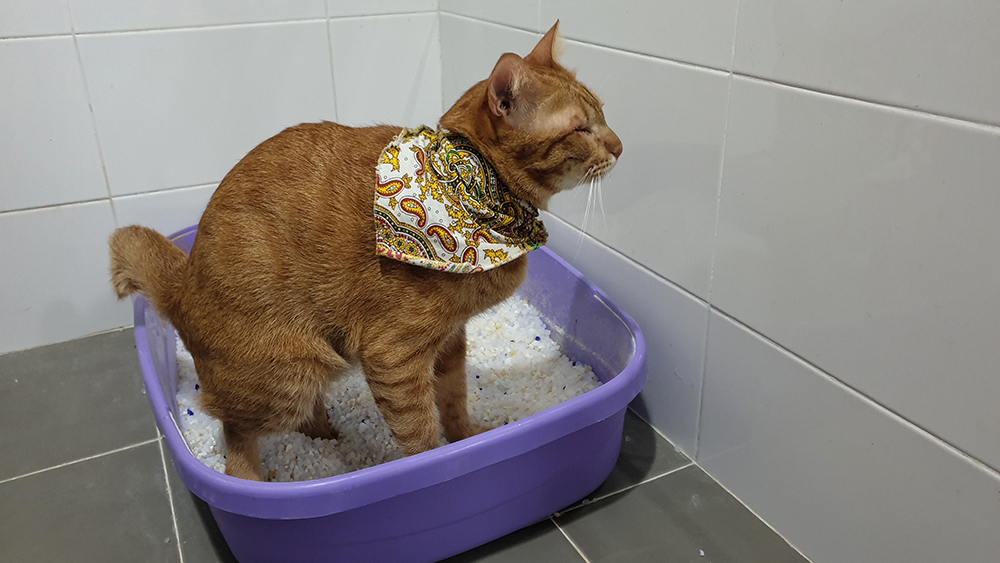
If your cat dislikes its litter box—due to cleanliness, location, or size—it may avoid using it, leading to constipation.
Ensure the litter box is:
- Cleaned daily
- Placed in a quiet area
- Large enough for comfort
7. Encourage Regular Exercise
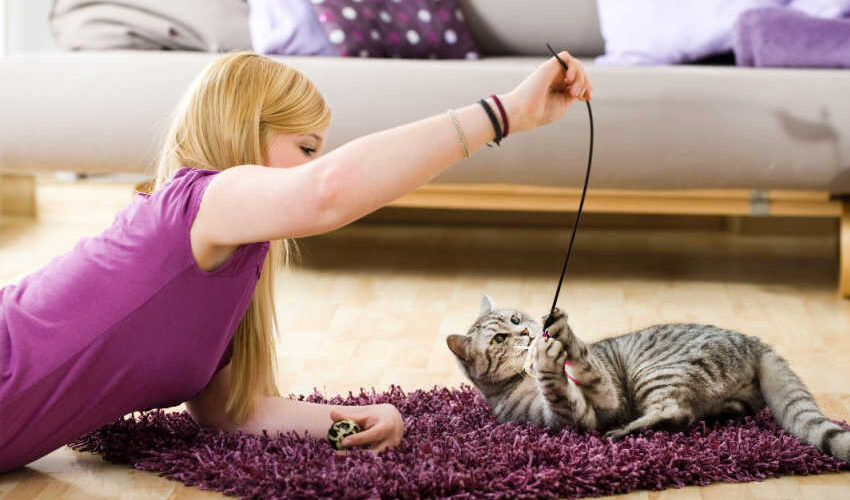
Physical activity stimulates digestion and promotes healthy bowel movements. Sedentary cats are more likely to develop constipation.
Interactive toys, climbing structures, and daily play sessions can help keep your cat active.
:strip_icc()/GettyImages-1443507511-ee6ec2fdffc847ae8a1f4b900a6715c3.jpg)
8. Increase Fiber Intake
Fiber helps move food through the digestive tract and retains water in the intestines. Common fiber sources include:
- Pumpkin
- Psyllium husk
- Wheat bran
However, too much fiber can cause diarrhea, so it’s important to use it under veterinary guidance.
9. Use Vet-Approved Laxatives
In some cases, over-the-counter laxatives may be recommended by your vet. These work by drawing water into the intestines to soften stool.
Never give your cat medication without professional advice, as it may cause complications.
10. Add Probiotic Supplements
Probiotics support healthy gut bacteria and improve digestion. They can help regulate bowel movements and reduce constipation episodes.
Many high-quality cat foods already include probiotics, but supplements are also available.
11. Brush Your Cat Regularly
Hairballs are a common cause of constipation, especially in long-haired cats. Regular grooming reduces the amount of hair your cat ingests while cleaning itself.
12. Keep Your Cat Clean
A clean rear area is essential. Matted fur or dried feces around the anus can make defecation painful and discourage your cat from using the litter box.
Regular hygiene checks are especially important for long-haired or older cats.
When to See a Vet
While home remedies can be helpful, not all cases of constipation are safe to treat at home. Seek veterinary care if:
- Your cat hasn’t passed stool for over 48 hours
- There is vomiting or loss of appetite
- Your cat appears lethargic or in pain
- Constipation becomes frequent or chronic
Serious conditions like megacolon or underlying diseases may require medical treatment or surgery.
Tips to Prevent Cat Constipation
Prevention is always better than treatment. Here are simple ways to keep your cat’s digestive system healthy:
- Provide fresh water daily
- Feed a balanced, high-quality diet
- Maintain regular grooming
- Encourage daily exercise
- Keep litter boxes clean and accessible
- Schedule routine vet checkups
FAQ
How often should a cat poop?
Most cats pass stool every 24–36 hours. Less frequent bowel movements may indicate constipation.
Can I give my cat human laxatives?
No. Human medications can be dangerous for cats. Always consult a veterinarian before giving any treatment.
Is pumpkin safe for cats with constipation?
Yes, plain canned pumpkin is often recommended as a natural fiber source—but only in small amounts and with vet guidance.
Can dehydration cause constipation in cats?
Yes. Dehydration is one of the most common causes of constipation in cats.
Conclusion
Cat constipation may be common, but it shouldn’t be ignored. With the right approach—hydration, proper diet, exercise, and a stress-free environment—you can help your cat stay comfortable and healthy.
Natural remedies can be highly effective for mild cases, but always remember: if symptoms persist or worsen, professional veterinary care is essential. Your cat’s health and comfort depend on timely, informed action.
Leave a Reply