Introduction
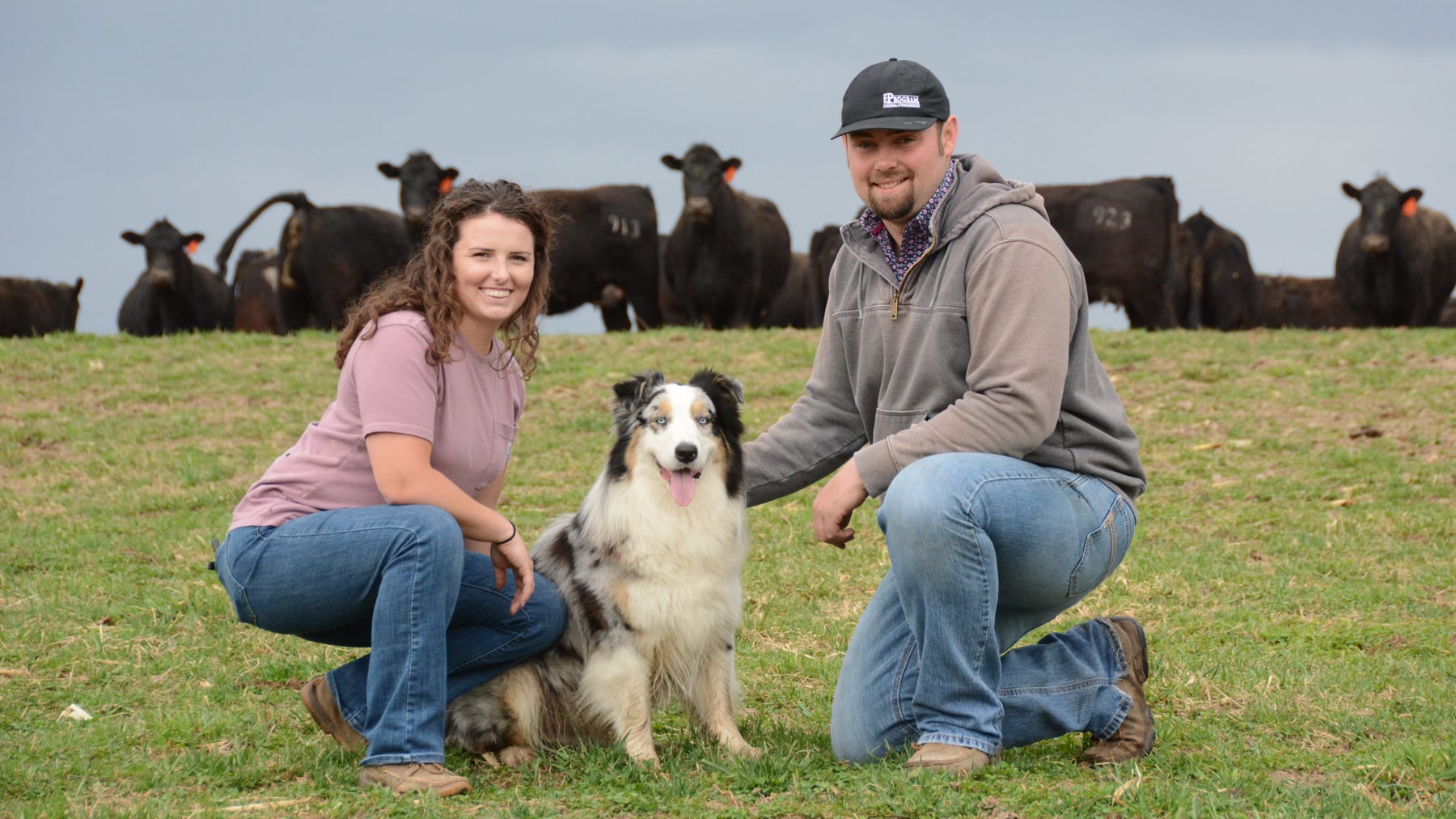
If you own livestock, you already know one thing: predators are always watching. From coyotes and foxes to wolves and even bears, farm animals face constant danger. That’s where livestock guardian dogs (LGDs) come in—powerful, intelligent, and fiercely loyal protectors bred specifically to defend herds and flocks.
Unlike typical house pets, livestock guardian dogs are working animals with centuries of instinct built into their DNA. They don’t just guard—they live alongside livestock, bonding with them and protecting them around the clock.
In this guide, we’ll explore 13 of the best livestock guardian dog breeds, their traits, and what makes them essential for farmers and homesteaders.
What Are Livestock Guardian Dogs?
Livestock guardian dogs are large, independent breeds developed to protect animals like sheep, goats, chickens, and cattle. Their job is simple but critical: detect threats and stop them.
These dogs don’t rely heavily on human commands. Instead, they make decisions on their own and act quickly when danger appears.
Key Traits of Livestock Guardian Dogs
- Strong protective instincts
- Independent thinkers
- Loyal to their herd and family
- Excellent night-time vigilance
- Loud bark to deter predators
Most LGDs are gentle with animals and people they know but wary of strangers.
Top 13 Livestock Guardian Dog Breeds
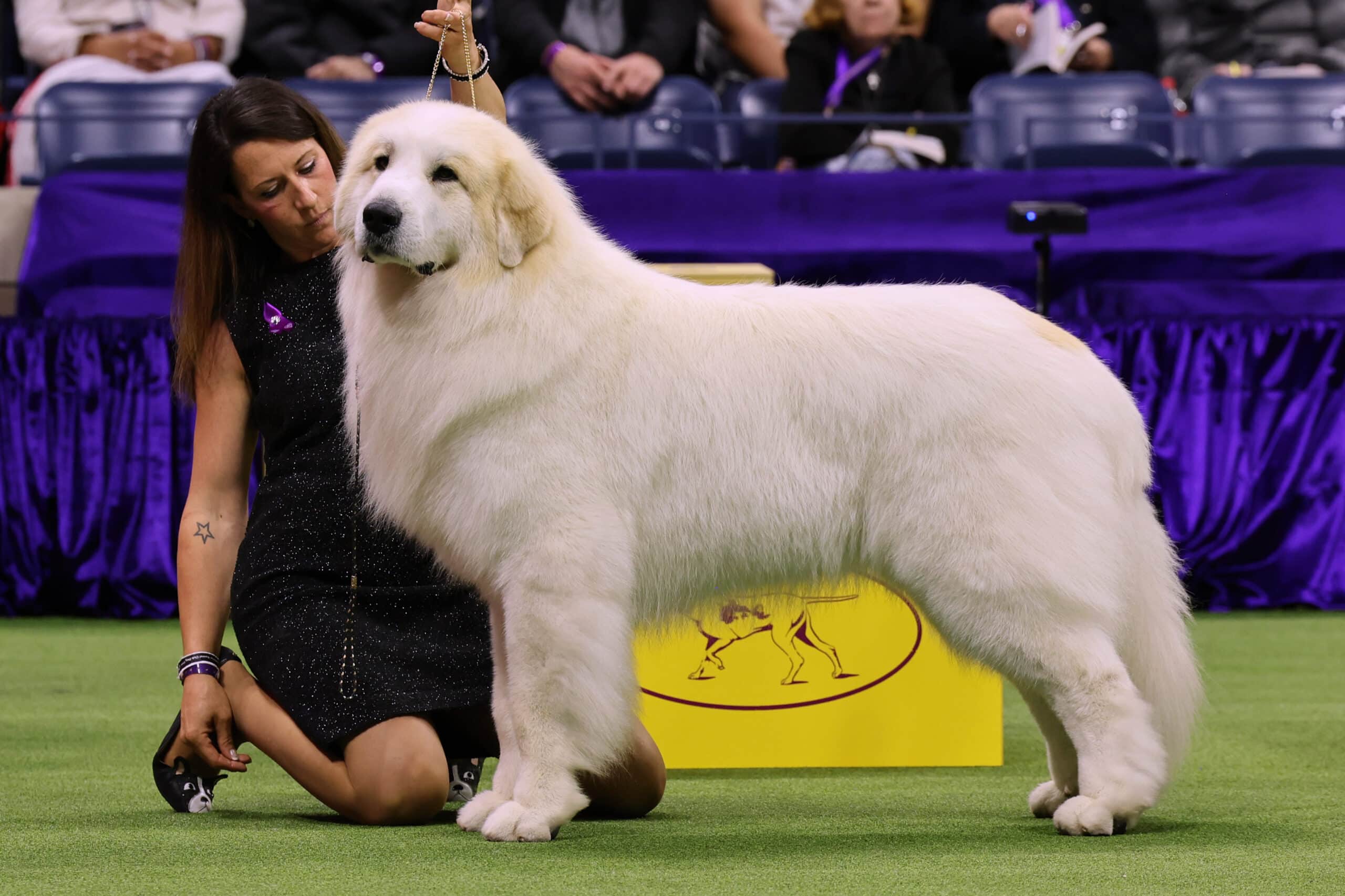
1. Great Pyrenees
One of the most popular livestock guardian dogs in North America, the Great Pyrenees has been protecting flocks since the 15th century.
They are calm, gentle with livestock and children, but fearless when facing predators. Their thick white coat helps them blend in with sheep, making them both stealthy and effective guardians.
Best for: Farms with sheep, goats, or mixed livestock
Personality: Gentle, patient, protective
2. Anatolian Shepherd
Originating from Turkey, this breed is known for its strength and endurance. Anatolian Shepherds are highly territorial and extremely loyal.
They are excellent at deterring large predators and can work independently for long periods.
Best for: Large farms with serious predator threats
Personality: Loyal, alert, strong-willed
3. Kuvasz
The Kuvasz is a Hungarian breed with a long history of guarding livestock. These dogs are intelligent and often playful with their families but serious when it comes to protection.
They require proper training due to their independent nature.
Best for: Farms and experienced dog owners
Personality: Loyal, intelligent, sometimes stubborn
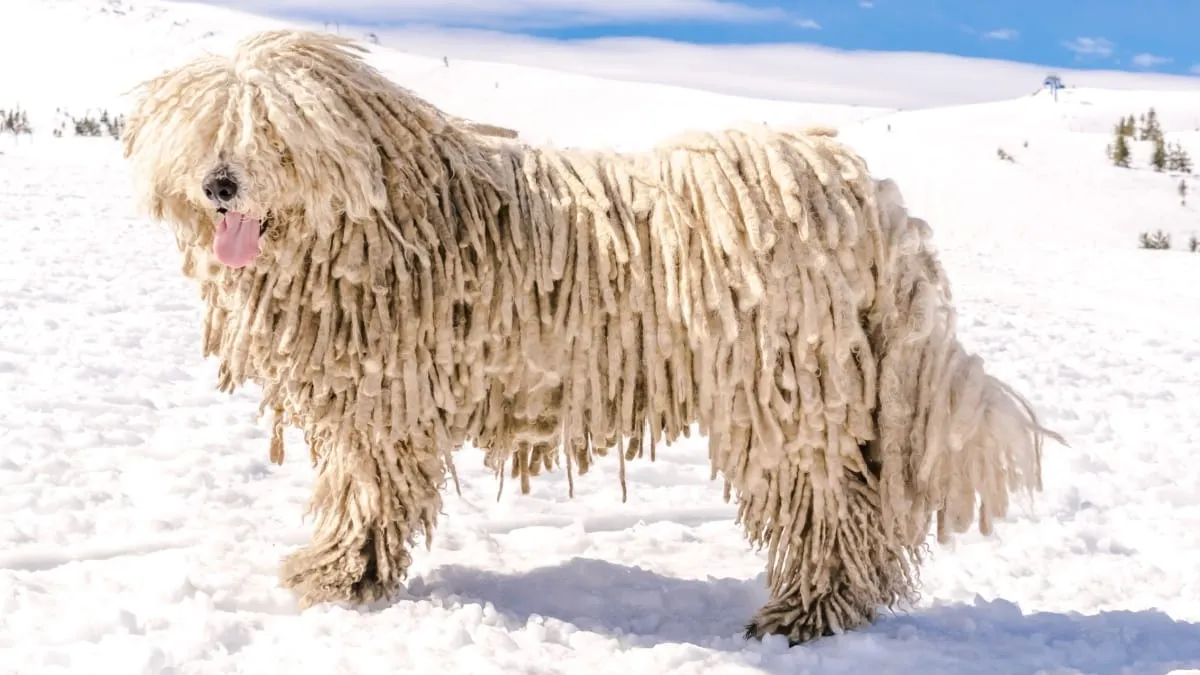
4. Komondor
Known for its unique corded coat, the Komondor looks like a walking mop—but don’t let that fool you. This breed is a powerful guardian that blends into flocks, surprising predators.
Their coat also protects them from harsh weather and attacks.
Best for: Sheep farms
Personality: Brave, protective, territorial
5. Akbash
Another Turkish breed, the Akbash is calm yet highly protective. They are known for being independent thinkers and are often easier to train than some other LGDs.
Best for: Medium to large farms
Personality: Calm, alert, intelligent
6. Tibetan Mastiff
Massive and powerful, the Tibetan Mastiff is one of the most formidable guardian breeds. Originally used to protect livestock in the Himalayas, they are especially active at night.
Best for: High-risk predator areas
Personality: Independent, protective, reserved
7. Karakachan
This rare Bulgarian breed has a long history as both a livestock guardian and military dog. They are extremely protective and can be wary of strangers.
Best for: Experienced handlers
Personality: Loyal, strong, defensive
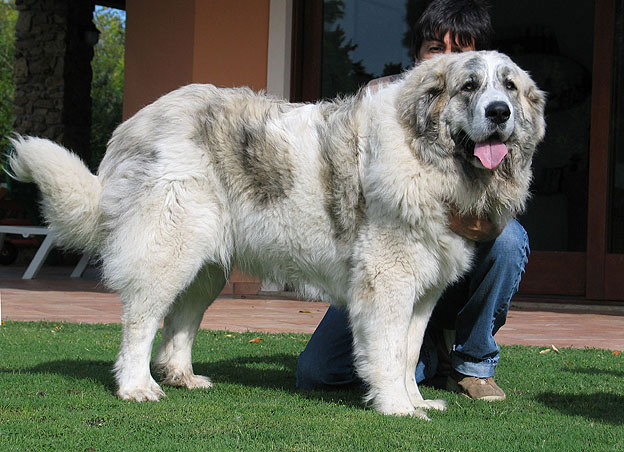
8. Pyrenean Mastiff
A giant breed from Spain, the Pyrenean Mastiff is both gentle and powerful. Despite their size, they are known for being calm and affectionate with their families.
Best for: Large livestock operations
Personality: Gentle giant, protective
9. Maremma Sheepdog
Originating in Italy, the Maremma is intelligent, loyal, and friendly with livestock and other animals—even cats.
However, they are known for frequent barking, which is part of their guarding instinct.
Best for: Farms needing a social guardian
Personality: Loyal, friendly, vocal
10. Kangal Dog
The Kangal is famous for its strength and bite force. It’s widely considered one of the most effective livestock guardians in the world.
Best for: Areas with large predators
Personality: Calm but extremely powerful
11. Slovak Cuvac
This white-coated guardian dog is known for its bravery and alertness. It works well in mountainous environments and bonds closely with its herd.
Best for: Rural or mountainous farms
Personality: Bold, loyal
12. Romanian Carpathian Shepherd
This breed is known for its courage and ability to work in harsh conditions. It’s a dependable guardian for sheep and cattle.
Best for: Cold climates
Personality: Courageous, devoted
13. Central Asian Shepherd Dog
An ancient breed with thousands of years of history, this dog is incredibly strong and independent.
They require experienced handling but are unmatched in protection.
Best for: Large farms with serious threats
Personality: Independent, fearless

Temperament: Are Livestock Guardian Dogs Aggressive?
A common concern is whether these dogs are dangerous. The truth is more nuanced.
Most livestock guardian dogs are:
- Gentle with their livestock
- Loving with their families
- Protective against strangers
They are not naturally aggressive—but they are highly territorial. Proper training and socialization are essential to ensure safe behavior.
Do Livestock Guardian Dogs Bark a Lot?
Yes—expect a lot of barking.
Barking is their primary way of warning predators and defending territory. These dogs may bark at night, at movement, or even at unfamiliar sounds.
If you live close to neighbors, this is something to consider carefully.
Can Livestock Guardian Dogs Kill Predators?
Yes, they can.
Studies show that livestock guardian dogs not only chase predators away but sometimes kill them when necessary.
However, their main goal isn’t to attack—it’s to deter threats and keep livestock safe.
Are Livestock Guardian Dogs Good Family Pets?
They can be—but not for everyone.
Pros:
- Loyal and protective
- Gentle with children
- Highly intelligent
Cons:
- Require lots of space
- Can be stubborn
- Bark frequently
- Not ideal for small homes
These dogs thrive when they have a job to do. Without purpose, they may become bored or difficult to manage.
How to Choose the Right Livestock Guardian Dog
Choosing the right breed depends on your needs:
Consider These Factors:
- Size of your farm
- Type of livestock
- Predator threats in your area
- Climate
- Experience with dogs
For example:
- Small farms → Maremma or Great Pyrenees
- Large predator areas → Kangal or Anatolian Shepherd
- Cold climates → Pyrenean Mastiff or Carpathian Shepherd
FAQ
1. What is the best livestock guardian dog breed?
The Great Pyrenees is one of the most popular due to its balance of gentleness and protection.
2. Can livestock guardian dogs live indoors?
They can, but they are happiest outdoors with livestock.
3. Do they need training?
Yes—early socialization and consistent training are essential.
4. Are they good with other pets?
Many are, especially if raised with them from a young age.
5. How many dogs do I need for livestock protection?
Large farms often use two or more dogs working as a team.
Conclusion
Livestock guardian dogs are more than just pets—they are dedicated protectors with centuries of history behind them. From the gentle yet powerful Great Pyrenees to the fearless Kangal, each breed brings unique strengths to the job.
If you’re serious about protecting your livestock, investing in the right guardian dog can make all the difference. Just remember: these dogs need space, training, and a purpose. When given the right environment, they become one of the most reliable and loyal partners a farmer can have.
Leave a Reply