
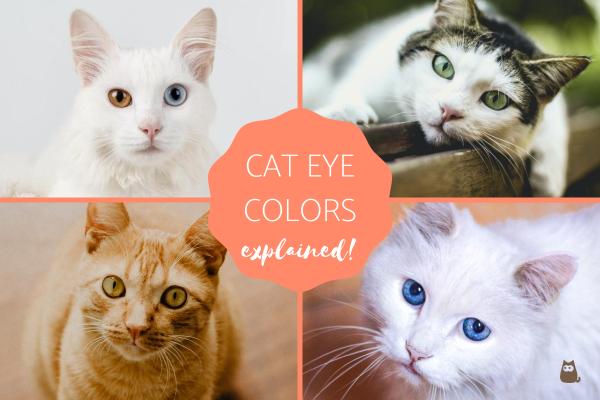
There’s something mesmerizing about a cat’s eyes. Whether glowing in the dark or reflecting sunlight, feline eyes are one of the most striking features in the animal world. But have you ever wondered why cats have so many different eye colors—or which ones are the rarest?
According to insights from Catster, domestic cats can display a wider range of eye colors than many other animals, and these colors exist on a spectrum rather than in strict categories.
In this guide, we’ll break down all the common types of cat eye colors, explain what causes them, and explore which ones are rare or unique.
What Determines a Cat’s Eye Color?
Before diving into the different shades, it’s important to understand what actually creates eye color in cats.
The answer lies in melanin, a natural pigment found in the iris. The amount and type of melanin determine how light or dark a cat’s eyes appear.
- More melanin = darker eyes (like orange or copper)
- Less melanin = lighter eyes (like green or blue)
Interestingly, blue eyes don’t come from blue pigment at all. Instead, they result from light scattering within the eye—a phenomenon similar to why the sky appears blue.
Another fascinating fact: all kittens are born with blue eyes, and their permanent eye color develops between 6–12 weeks of age.
The 8 Main Types of Cat Eye Colors
Let’s explore the most common and rare feline eye colors you’ll encounter.
1. Yellow Eyes (Most Common)
Yellow is one of the most frequently seen cat eye colors. These eyes can range from pale lemon to deep golden hues.
- Often found in mixed-breed cats
- May include shades of gold or hazel
- Caused by moderate levels of melanin
Yellow-eyed cats are especially striking when paired with dark fur, creating a dramatic contrast.
2. Amber Eyes
Amber eyes are similar to yellow but have a richer, more orange tone.
- Common in breeds like the British Shorthair
- Warm, glowing appearance
- Slightly deeper pigmentation than yellow
Some experts debate whether amber is rare, but it’s generally considered less common than standard yellow.

3. Green Eyes
Green eyes are often associated with elegance and mystery.
- Found in breeds like Russian Blue and Egyptian Mau
- Created by low to moderate melanin levels
- Can range from pale green to emerald
While not the rarest, green eyes are still less common than yellow or amber.
4. Blue Eyes
Blue eyes are among the most captivating feline features.
- Common in breeds like Siamese and Ragdoll
- Caused by lack of melanin, not blue pigment
- Appear due to light refraction
Blue-eyed cats often have a calm, striking appearance, making them highly sought after.
5. Hazel Eyes
Hazel eyes are a mix of green, yellow, and brown tones.
- Often appear to change color in different lighting
- A blend of pigmentation levels
- Common in many domestic cats
Because cat eye colors exist on a spectrum, hazel is a perfect example of how shades can overlap.

6. Orange Eyes
Orange eyes are deeper and more intense than amber.
- Strong pigmentation
- Often seen in pedigree cats
- Rich, fiery appearance
These eyes give cats a bold and expressive look.
7. Copper Eyes (Rarest Single Color)
Copper is considered the rarest single eye color in cats.
- Deep reddish-brown or metallic tone
- Highest levels of melanin
- Often found in specific breeds
Unlike true brown eyes (which cats don’t have), copper appears darker and more vibrant.
8. Odd Eyes (Heterochromia)
One of the most fascinating variations is heterochromia, where a cat has two different eye colors.
- Example: one blue eye and one yellow eye
- Caused by uneven melanin distribution
- Can also appear as two colors in one eye
This condition is rare and gives cats a truly unique appearance.
Are Cat Eye Colors Linked to Breed?
In some cases, yes—but not always.
Certain breeds are known for specific eye colors:
- Siamese cat → always blue eyes
- Ragdoll → typically blue
- Russian Blue → green eyes
However, for many mixed-breed cats, eye color is not strictly tied to coat color or breed.
Why Cat Eye Colors Appear So Unique
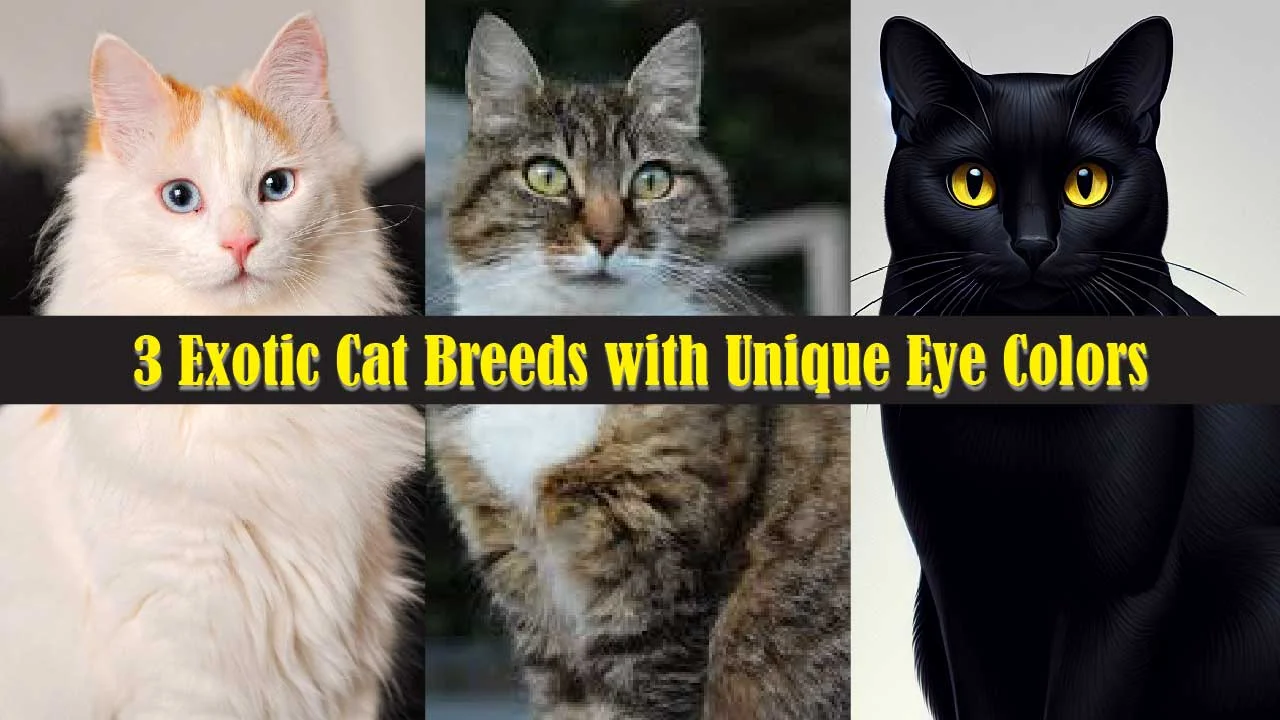
Unlike human eye colors, cat eyes don’t fall into rigid categories. Instead, they exist on a continuous spectrum of shades.
That means:
- A cat’s eyes might look green in one light and yellow in another
- Some cats have blended or gradient colors
- Exact classification can be subjective
This variation is part of what makes feline eyes so fascinating.
How Eye Color Changes Over Time
As mentioned earlier, kittens are born with blue eyes. But what happens next?
- Around 6–7 weeks, melanin begins developing
- Eye color gradually shifts
- Final color appears by 12 weeks
In rare cases, eye color may continue to deepen slightly as the cat matures.
Do Eye Colors Affect a Cat’s Vision?
No—eye color does not impact how well a cat can see.
All cats, regardless of eye color:
- Have excellent night vision
- Detect motion better than humans
- See fewer colors than humans
However, cats with certain genetic traits (like white cats with blue eyes) may have a higher risk of hearing issues—not vision problems.
Rare vs. Common Cat Eye Colors
Here’s a quick breakdown:
Most common:
- Yellow
- Amber
- Hazel
Moderately common:
- Green
- Blue
Rare:
- Copper
- Odd eyes (heterochromia)
Copper stands out as the rarest single color, while heterochromia is even more unusual overall.
Fun Facts About Cat Eyes
- Cats don’t have truly brown or black eyes—only copper-like shades
- Eye color and fur color are usually not directly linked
- Some cats have “dichromatic” eyes with multiple colors in one iris
- Cat eyes glow at night due to a reflective layer called the tapetum lucidum
FAQs About Cat Eye Colors
What is the rarest cat eye color?
Copper is the rarest single color, while heterochromia is even rarer overall.
Do all kittens have blue eyes?
Yes, kittens are born with blue eyes that change as they grow.
Can a cat’s eye color change later in life?
Not usually. Significant changes may indicate a health issue.
Are green-eyed cats rare?
They are less common than yellow but not extremely rare.
Conclusion
Cat eye colors are as diverse and fascinating as the cats themselves. From common yellow hues to rare copper shades and mesmerizing odd eyes, each variation tells a story shaped by genetics, light, and biology.
Understanding these differences not only deepens your appreciation for your feline companion but also highlights just how unique every cat truly is.
So the next time your cat stares at you with those glowing eyes, take a moment—you might be looking into one of nature’s most beautiful and complex creations.
Leave a Reply