
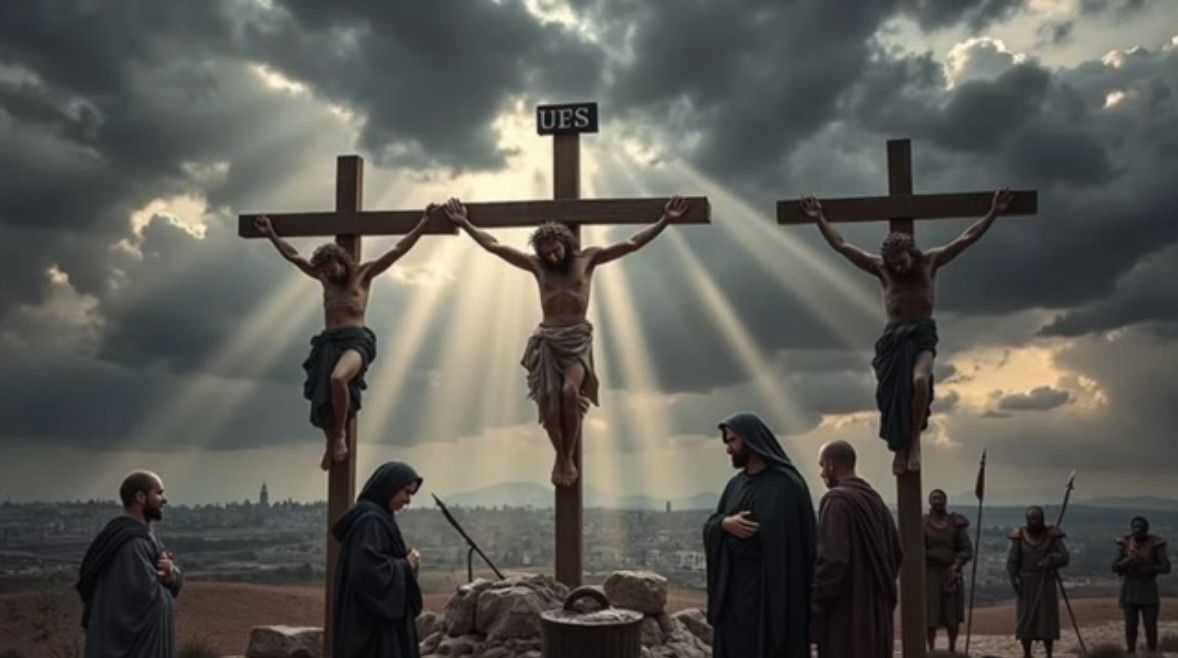
Long before Jesus arrived at Golgotha, the Gospels portray Him speaking repeatedly about His approaching suffering and death. He told His disciples that He would be rejected, condemned, handed over to others, killed and then rise again. In some passages, the details become remarkably specific: betrayal, delivery to religious and Roman authorities, mocking, flogging and crucifixion.
So did Jesus know exactly how He was going to die? Within the Gospel narratives, the answer is clearly presented as yes. From a historical perspective, scholars debate how individual predictions were transmitted and shaped as the Gospel traditions developed. But within Christian belief, these passages carry a deeper meaning: Jesus was not simply caught unexpectedly by the events in Jerusalem. He understood where His journey was leading, experienced genuine anguish as the moment approached, and nevertheless continued toward it.
Jesus Repeatedly Told His Disciples That He Would Be Killed
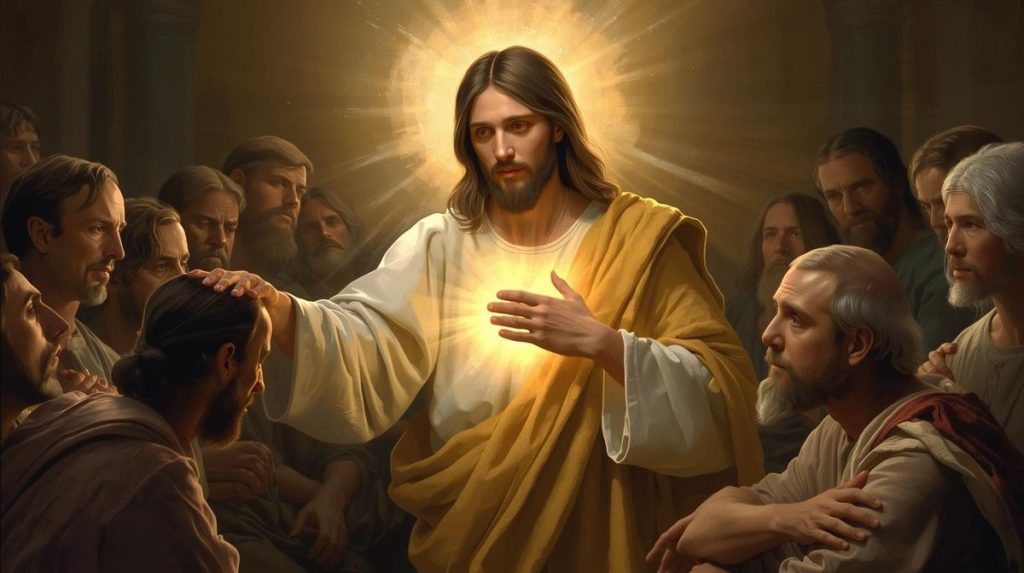
One of the strongest reasons Christians believe Jesus knew what was coming is that the Gospels do not portray His death as something He mentioned only once.
In Mark 8:31, Jesus begins teaching His disciples that the Son of Man must suffer, be rejected by the religious leaders, be killed and rise again after three days. The prediction shocks Peter so deeply that he rebukes Jesus.
Later, Jesus tells them again that the Son of Man will be delivered into human hands and killed. The disciples still struggle to understand what He means.
This repetition is important to the Gospel story. Jesus appears to understand something His closest followers cannot yet accept: the journey to Jerusalem will not end with an earthly victory. It will lead to suffering and death.
Some Predictions Included Remarkably Specific Details
As Jesus approaches Jerusalem, the predictions become even more detailed.
Matthew 20:18–19 portrays Jesus telling the Twelve that He will be handed over to the chief priests and teachers of the law, condemned to death and delivered to the Gentiles. He then describes mocking, flogging and crucifixion before speaking again about resurrection.
Luke 18 gives a similar prediction, including being mocked, insulted, spat upon, flogged and killed.
Those details closely resemble what the Passion narratives later describe.
For Christians, this is one of the clearest indications that Jesus understood not merely that His life was in danger but the kind of suffering awaiting Him. The cross was approaching, and according to the Gospel accounts, Jesus knew it.
Jesus Connected His Death With Crucifixion Before It Happened
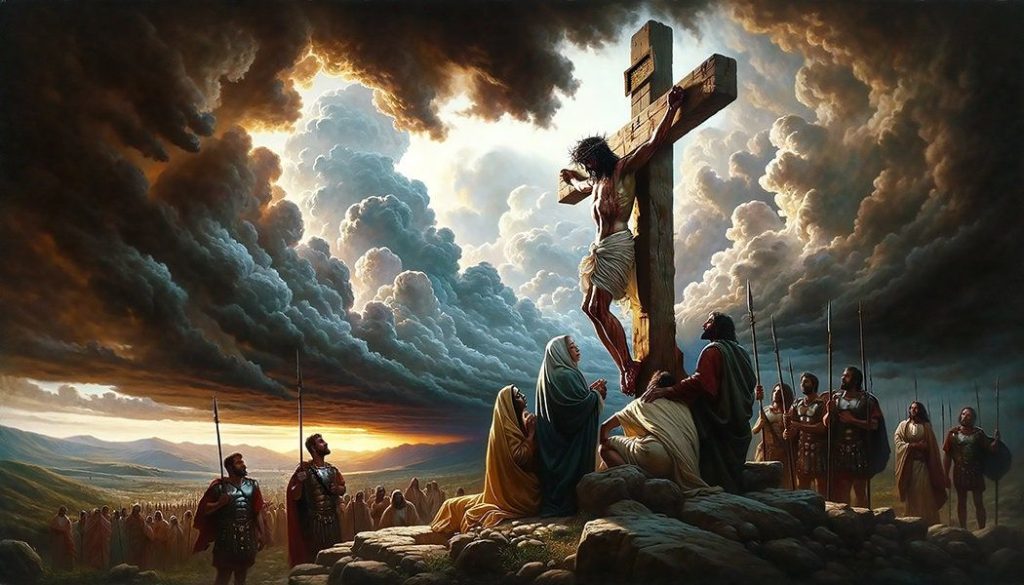
The method of death is particularly important because crucifixion was a Roman punishment associated especially with slaves, rebels and people considered threats to Roman authority.
The Gospel of Matthew explicitly portrays Jesus saying that “the Son of Man will be delivered over to be crucified” shortly before the Passover.
The Gospel of John uses different imagery. Jesus speaks about being “lifted up,” language the Gospel itself interprets as indicating the kind of death He would die.
Within the Christian reading of these passages, Jesus therefore did not simply possess a vague feeling that enemies might kill Him. He knew that the cross stood ahead.
That makes what happened next considerably more powerful.
He still entered Jerusalem.
Gethsemane Shows That Knowing Did Not Mean He Felt No Fear or Anguish
Perhaps one of the most emotionally powerful scenes occurs only hours before Jesus is arrested.
In the Garden of Gethsemane, Jesus does not appear emotionally untouched by what is approaching. The Gospels describe profound distress. He prays that, if possible, the “cup” before Him might pass away, yet ultimately submits himself to the Father’s will.
This scene matters because Christian faith does not portray Jesus’ knowledge of His death as making His suffering meaningless or effortless.
He knew what was approaching, yet He still experienced anguish.
He understood the cross, yet continued forward.
That tension is part of what has made Gethsemane so meaningful to Christians for nearly two thousand years. Courage is not necessarily the absence of fear or suffering. Sometimes courage is knowing what lies ahead and choosing not to run from it.
The Last Supper Suggests Jesus Knew His Death Was Very Near
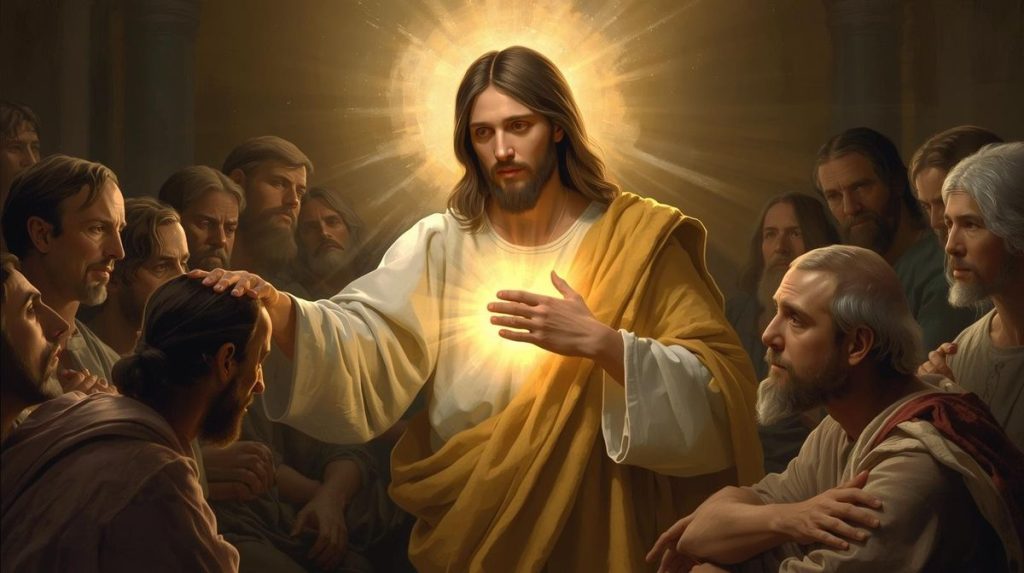
Jesus’ words during the Last Supper provide another important clue.
According to the Gospel traditions, Jesus takes bread and wine and gives them a new meaning connected directly to His body and blood. He speaks of His blood being poured out and frames what is about to happen in terms of sacrifice and covenant.
He also speaks about betrayal.
One of the men sitting at the table with Him will hand Him over.
Within hours, Judas arrives with those coming to arrest Jesus. Jesus is taken away, questioned, brought before Pontius Pilate and eventually condemned to crucifixion.
Seen from within the Gospel narrative, the Last Supper becomes heartbreaking precisely because Jesus appears to understand the significance of the night while His disciples still do not fully comprehend what is about to happen.
There Is Also an Important Historical Question
For a truthful article, Christian theology and historical scholarship should be distinguished rather than treated as identical questions.
The Gospels were written after Jesus’ crucifixion, and historians debate the extent to which particular predictions preserve Jesus’ exact pre-crucifixion words versus how they were remembered and expressed by early Christian communities in light of what subsequently happened.
At the same time, Jesus knowingly traveling to Jerusalem despite growing conflict with powerful authorities is historically significant. Crucifixion itself was a Roman form of execution, and Jesus’ actions in Jerusalem placed Him in an increasingly dangerous situation.
Therefore, a historian may be more cautious about claiming that we can prove Jesus knew every individual detail beforehand. Christian theology goes further: the Gospel writers present Jesus as knowingly approaching the death that formed part of His mission.
Recognizing this distinction makes the story stronger rather than weaker because it separates what the texts explicitly proclaim from what historical methods alone can establish.
So, Did Jesus Know Exactly How He Was Going to Die?
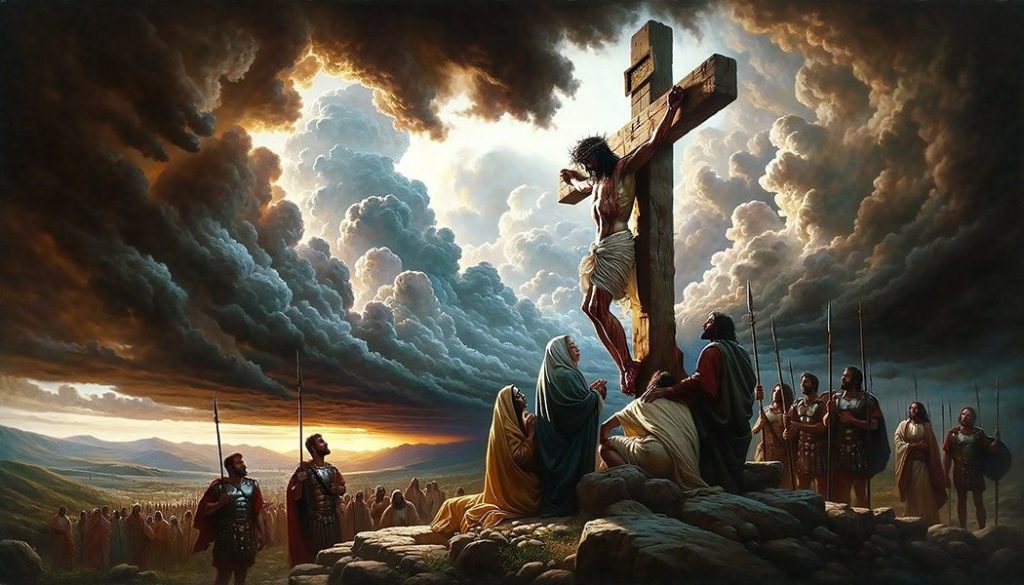
According to the Gospels, yes. Jesus repeatedly predicts His suffering and death, and some accounts specifically mention betrayal, condemnation, mocking, flogging and crucifixion. He also connects His approaching death with the meaning of the Last Supper.
But perhaps the most powerful part of the story is not simply that Jesus knew.
It is that He continued.
He entered Jerusalem knowing opposition was waiting. He shared a final meal with His disciples knowing betrayal was near. He prayed in Gethsemane while experiencing profound anguish. And according to Christian belief, He ultimately accepted the cross rather than abandoning the mission He believed the Father had given Him.
That changes the emotional meaning of the Crucifixion for Christians.
Jesus was not simply walking toward something He could not foresee.
He knew the cross was ahead, and still chose to walk toward it.
Leave a Reply