

Losing a pet is one of the most stressful experiences any pet owner can face. Whether it’s a dog slipping out of the yard or a cat wandering too far, it can happen in seconds. That’s why dog tags for pets are one of the simplest yet most powerful tools for keeping your furry friend safe.
In today’s world of advanced pet technology, some owners rely on microchips or GPS trackers—but nothing beats the immediate, visible protection of a classic ID tag. In this guide, we’ll explore everything you need to know about pet ID tags, including their importance, types, materials, and how to choose the best one.
What Are Dog Tags for Pets?
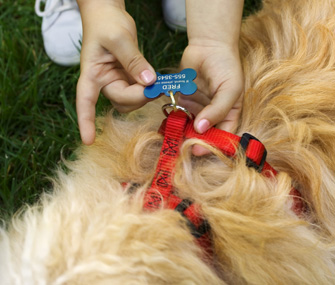
Dog tags for pets—also known as pet ID tags—are small identification plates attached to a pet’s collar or harness. They typically include essential details like the pet’s name and the owner’s contact information.
A pet tag is designed to quickly identify an animal and help reunite it with its owner if it gets lost.
Unlike microchips, which require a scanner, dog tags can be read instantly by anyone who finds your pet. That immediate accessibility is what makes them so important.
Why Dog Tags Are Essential for Pet Safety
1. Instant Identification
Dog tags provide immediate information to anyone who finds your pet. A simple phone number on a tag can lead to a quick reunion without needing a vet visit or shelter check.
2. Higher Chance of Returning Home
Pets without identification are much less likely to be returned to their owners. ID tags dramatically increase the chances of recovery.
3. No Technology Required
Unlike microchips, which require special equipment, dog tags can be read by anyone—neighbors, passersby, or animal control.
4. Peace of Mind for Owners
Knowing your pet has visible identification reduces anxiety and ensures you’re prepared for unexpected situations.

Dog Tags vs Microchips: Do You Need Both?
Many pet owners wonder if dog tags are still necessary when their pet is microchipped. The answer is simple: yes, you should use both.
- Dog tags = instant identification
- Microchips = permanent backup
Dog tags provide quick access to your contact details, while microchips act as a long-term safety net if the tag is lost or damaged.
Types of Dog Tags for Pets
There are several types of dog tags available, each with unique benefits.
1. Engraved Metal Tags
These are the most common and durable option.
- Long-lasting engraving
- Easy to read
- Resistant to wear
2. Slide-On Tags
These attach directly to the collar and don’t dangle.
- Quiet (no jingling noise)
- Less likely to get caught on objects
3. Silicone or Rubber Tags
Soft and flexible tags designed for comfort.
- Noise-free
- Lightweight
- Ideal for active pets
4. Smart Dog Tags
Modern tags that include QR codes or NFC technology.
- Store detailed pet profiles
- Useful for tech-savvy owners
Best Materials for Dog Tags
Choosing the right material affects durability, readability, and comfort.
Stainless Steel
- Rust-resistant
- Extremely durable
- Best for long-term use
Aluminum
- Lightweight
- Affordable
- Less durable over time
Brass
- Stylish and classic
- Can tarnish with age
Plastic
- Quiet and colorful
- Less durable than metal
Stainless steel is often considered the best option due to its durability and resistance to wear.
What Information Should Be on a Dog Tag?
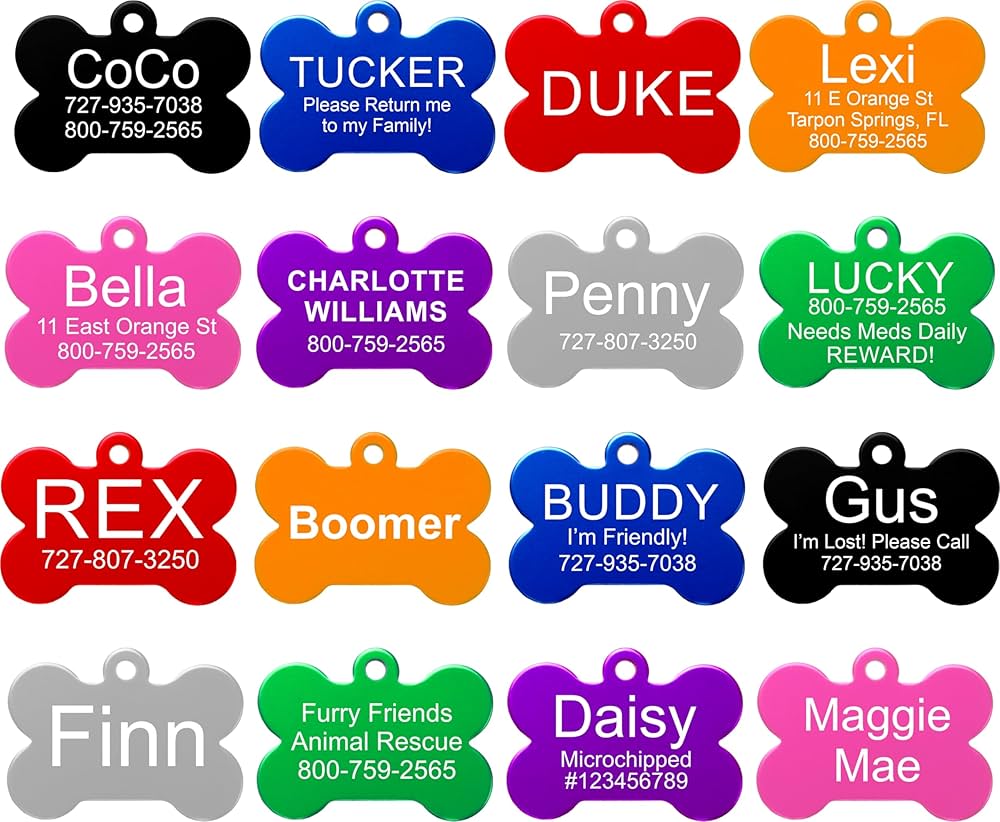
A good dog tag should include clear, essential details:
- Pet’s name
- Owner’s phone number
- Address (optional)
- Medical needs (if applicable)
The most important detail is your phone number, as it allows immediate contact.
Some owners also add:
- “Microchipped” note
- Secondary contact number
How to Choose the Best Dog Tag for Your Pet
1. Size Matters
The tag should match your pet’s size. Small dogs need lightweight tags, while larger dogs can handle bigger ones.
2. Readability
Choose clear, easy-to-read fonts. Avoid overly decorative text that may be hard to read.
3. Durability
Look for engraved tags instead of printed ones, as they last longer.
4. Comfort
Ensure the tag doesn’t irritate your pet or create excessive noise.
5. Style
Dog tags now come in various shapes, colors, and designs—so you can combine safety with personality.

Popular Dog Tag Designs in the USA
Pet owners today want tags that are both functional and stylish. Some popular designs include:
- Bone-shaped tags
- Heart-shaped tags
- Military-style tags
- Custom photo tags
- Glow-in-the-dark tags
Modern designs allow pet owners to express their pet’s personality while maintaining safety.
Common Mistakes to Avoid
Even though dog tags are simple, many pet owners make avoidable mistakes:
1. Missing Contact Info
A tag without a phone number defeats its purpose.
2. Outdated Information
Always update your tag if your phone number or address changes.
3. Poor Quality Materials
Cheap tags can fade or break quickly.
4. Illegible Text
Small or fancy fonts can make tags hard to read in emergencies.
Real Pet Owner Insights
Pet owners consistently emphasize how important dog tags are in real-life situations:
“A phone number on the collar is probably more effective… quick response.”
This highlights a key point: speed matters when a pet is lost, and dog tags provide the fastest solution.
Are Dog Tags Required by Law?
In some regions, dog tags are legally required and must include owner identification. This helps authorities quickly return lost pets and maintain public safety.
Even where not required, they are strongly recommended by veterinarians and animal organizations.
Benefits Beyond Safety
Dog tags aren’t just about identification—they also offer additional benefits:
- Show that your pet has an owner
- Help strangers treat your pet with care
- Provide medical alerts if needed
- Add a personal style element
They’re a small investment with a big impact.
Future Trends in Pet ID Tags
Pet identification is evolving with technology. Some emerging trends include:
- QR code tags linked to online profiles
- GPS-enabled smart tags
- Silent, collar-integrated designs
Despite these innovations, traditional engraved tags remain the most reliable everyday solution.
FAQ
1. Do all pets need a dog tag?
Yes. Both dogs and cats should wear ID tags for safety.
2. What is the best material for dog tags?
Stainless steel is the most durable and long-lasting option.
3. Can dog tags replace microchips?
No. They work best together for complete protection.
4. How often should I update my pet’s tag?
Any time your contact information changes.
Conclusion
Dog tags for pets may seem like a small accessory, but they play a huge role in keeping your pet safe. They provide instant identification, increase the chances of a quick reunion, and give pet owners peace of mind.
Whether you choose a simple engraved tag or a modern smart design, the most important thing is that your pet always wears one. Because when it comes to your pet’s safety, even the smallest detail can make the biggest difference.
Leave a Reply