

Pets are more than just animals—they’re family. And just like any family member, their health matters. But veterinary care in the U.S. can be expensive, especially when unexpected emergencies arise. That’s where pet health plans come in.
In this guide, we’ll break down everything you need to know about the best pet health plans in the USA, including types of coverage, top providers, pricing, and how to choose the right plan for your furry friend.
What Are Pet Health Plans?
Pet health plans, often referred to as pet insurance, are policies designed to help cover veterinary costs. These plans can reduce financial stress and ensure your pet gets the care they need without delay.
According to industry insights, veterinary treatments like surgeries or cancer care can cost thousands of dollars, making insurance a valuable safety net .
Types of Pet Health Plans
Understanding the different types of pet health plans is key to choosing the right one.
1. Accident & Illness Plans
This is the most comprehensive type of coverage. It includes:
- Injuries (broken bones, accidents)
- Illnesses (infections, cancer, allergies)
- Chronic conditions
These are often called “nose-to-tail” policies because they cover nearly everything .
2. Accident-Only Plans
These plans are more affordable but limited. They cover:
- Injuries only
- Emergency treatments
They do not include illnesses or long-term conditions.
3. Wellness Plans (Preventive Care)
Wellness plans are usually add-ons that cover routine care such as:
- Vaccinations
- Annual checkups
- Flea and tick prevention
They help reduce out-of-pocket costs for regular vet visits .

How Pet Insurance Works
Pet insurance typically follows a reimbursement model:
- You pay the vet bill upfront
- Submit a claim
- The insurer reimburses a percentage
Key factors include:
- Premium (monthly cost)
- Deductible (amount you pay before coverage starts)
- Reimbursement rate (usually 70–90%)
Average Cost of Pet Health Plans
Costs vary depending on factors like breed, age, and location.
- Dogs: Around $59/month
- Cats: Around $24/month
- Wellness add-ons: ~$10–$60/month
While this may seem like an extra expense, it can save thousands in emergency situations.
Best Pet Health Plans in the USA (2026)
Here are some of the top-rated pet health plans based on coverage, affordability, and customer satisfaction.
1. Prudent Pet – Best Overall
Prudent Pet stands out for its comprehensive coverage and competitive pricing. It includes:
- Unlimited annual coverage options
- Behavioral therapy
- Alternative treatments
It’s rated highly for customer satisfaction and overall value .
2. Pets Best – Best for Affordability
Pets Best offers:
- Low monthly premiums
- Direct vet payment option
- Flexible plans
It consistently ranks as one of the best overall providers due to its balance of cost and coverage .
3. Spot – Best for Comprehensive Coverage
Spot provides extensive benefits, including:
- Behavioral therapy
- Dental illness coverage
- 24/7 telehealth access
It’s ideal for pet owners who want broader protection .
4. ASPCA Pet Health Insurance – Trusted Brand
Backed by a long-standing nonprofit organization, ASPCA offers:
- Flexible deductibles
- Quick accident coverage (as little as 3 days)
- Preventive care options
5. Lemonade – Best Budget-Friendly Option
Lemonade is known for:
- Low starting premiums
- Fast AI claims processing
- Modern app-based experience
It’s great for younger pets and tech-savvy owners .
6. Healthy Paws – Best for Unlimited Coverage
Healthy Paws offers:
- No annual or lifetime caps
- Fast claim processing
- Strong reputation
Ideal for pets with potential long-term health issues .

What to Look for in a Pet Health Plan
Choosing the right plan depends on your pet’s needs and your budget. Here are the most important factors:
1. Coverage Scope
Look for plans that include:
- Accidents and illnesses
- Hereditary conditions
- Chronic diseases
2. Reimbursement Rate
Higher reimbursement (80–90%) means less out-of-pocket expense.
3. Annual Limits
Some plans cap how much they pay each year. Unlimited plans offer better protection.
4. Waiting Periods
Policies often have waiting periods before coverage starts, especially for illnesses.
5. Exclusions
Most plans do not cover:
- Pre-existing conditions
- Cosmetic procedures
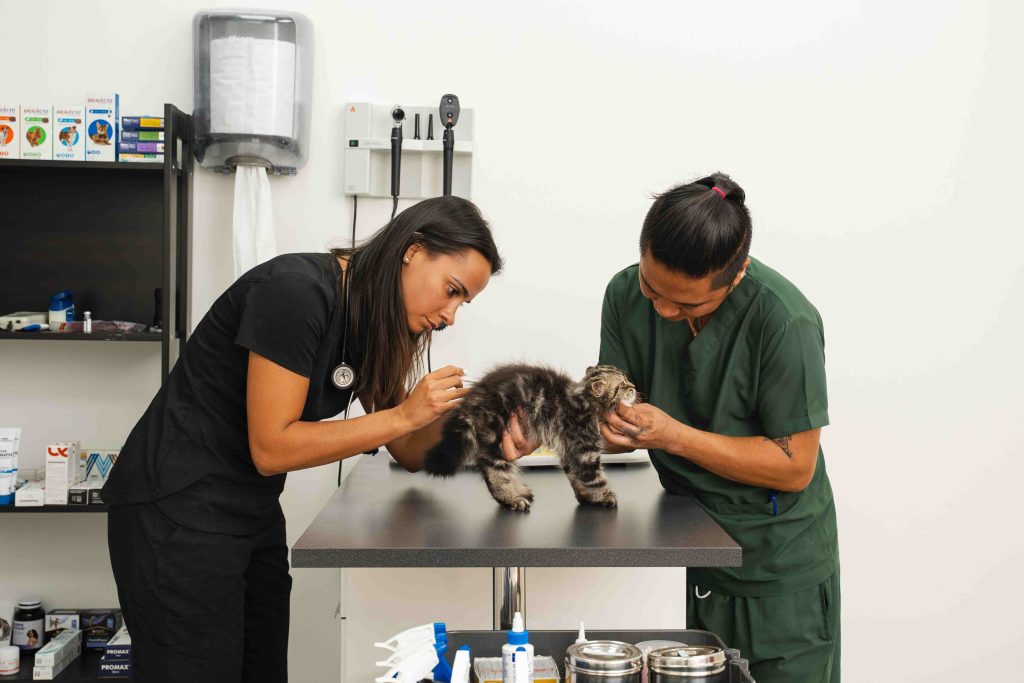
Pet Insurance vs Wellness Plans
Many pet owners confuse these two. Here’s the difference:
| Feature | Pet Insurance | Wellness Plan |
|---|---|---|
| Coverage | Accidents & illnesses | Routine care |
| Cost | Higher monthly premium | Lower monthly cost |
| Use | Emergencies | Preventive care |
Wellness plans are often optional add-ons rather than standalone insurance.
Are Pet Health Plans Worth It?
For many pet owners, the answer is yes.
Without insurance, a single emergency surgery can cost thousands of dollars. Pet insurance helps spread those costs over time and provides peace of mind.
However, it’s most beneficial if:
- You don’t have large savings for emergencies
- Your pet is young and healthy (before pre-existing conditions develop)

Tips to Choose the Best Plan
Here are practical tips to help you decide:
- Start early – Enroll your pet while they’re young
- Compare multiple providers – Coverage varies widely
- Read the fine print – Understand exclusions
- Customize your plan – Adjust deductible and reimbursement
Common Mistakes to Avoid
- Choosing the cheapest plan without checking coverage
- Ignoring waiting periods
- Not understanding reimbursement terms
- Skipping wellness coverage if needed
Future Trends in Pet Health Plans
The pet insurance industry is evolving rapidly. Some trends include:
- AI-powered claims processing
- More customizable plans
- Expanded coverage for alternative therapies
- Increased demand due to rising vet costs
These innovations make pet health plans more accessible and efficient than ever.
FAQ
1. What is the best pet health plan in the USA?
Top options include Prudent Pet, Pets Best, and Spot, depending on your needs and budget.
2. How much does pet insurance cost?
On average, $24–$59 per month, depending on the pet and coverage level.
3. Does pet insurance cover pre-existing conditions?
No, most plans exclude pre-existing conditions.
4. Is pet insurance worth it for older pets?
It can be, but premiums are higher and coverage may be limited.
Conclusion
Choosing the best pet health plan in the USA doesn’t have to be overwhelming. By understanding the different types of coverage, comparing top providers, and evaluating your pet’s needs, you can make a confident decision.
Whether you choose a comprehensive insurance plan or a simple wellness add-on, investing in your pet’s health today can save you stress—and money—tomorrow.
Leave a Reply