
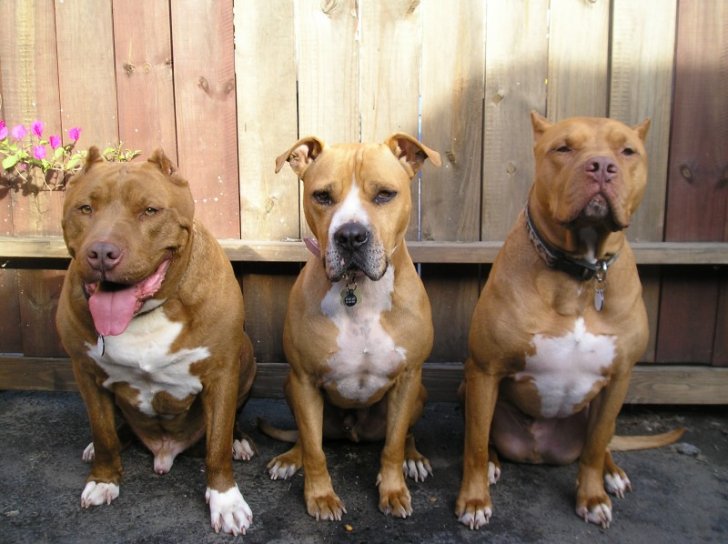
Pitbull dogs are one of the most talked-about—and misunderstood—dog types in the United States. Often surrounded by controversy, myths, and media stereotypes, pitbulls have developed a reputation that doesn’t always reflect reality. In truth, these dogs are loyal, affectionate, intelligent, and capable of being wonderful family companions when properly trained and cared for.
In this complete guide, we’ll explore everything you need to know about pitbull dogs—from their history and temperament to care tips and common misconceptions.
What Is a Pitbull Dog?
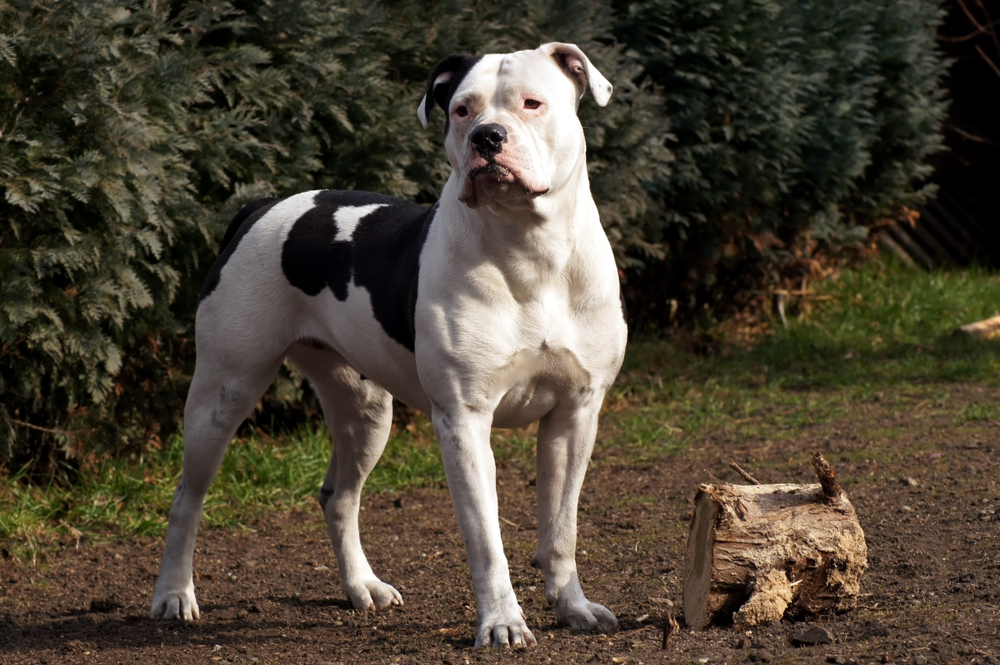
The term “pitbull” does not refer to a single breed. Instead, it’s an umbrella term used to describe several related breeds, including the American Pit Bull Terrier, American Staffordshire Terrier, Staffordshire Bull Terrier, and sometimes the American Bully.
These breeds share similar physical characteristics such as a muscular build, short coat, and strong jaw. They are medium-sized dogs, typically weighing between 30 to 60 pounds, with a lifespan of around 10 to 14 years.
Pitbulls are known for their athleticism, strength, and energy. But beyond their physical traits lies a much more important characteristic: their personality.
Pitbull Temperament: Are They Really Aggressive?
One of the biggest myths about pitbull dogs is that they are naturally aggressive. However, scientific studies and temperament testing show otherwise.
Research indicates that pitbull-type dogs score highly on temperament tests, often ranking in the top 20% of all breeds.
Additionally, experts agree that aggression is not determined by breed alone but by factors such as environment, training, and treatment.
In reality, pitbulls are:
- Affectionate and people-oriented
- Loyal and protective of their families
- Intelligent and eager to please
- Playful and energetic
They are often described as “big lap dogs” because of how much they love being close to their owners.
That said, like any dog, pitbulls require proper training and socialization. Without guidance, their energy and strength can become difficult to manage.
History of Pitbull Dogs
Pitbulls have a long and complex history. Their ancestors trace back to ancient Molosser dogs used in Greece and Rome for guarding and warfare.
In 18th-century England, these dogs were bred into bulldogs and later crossed with terriers, creating strong, agile dogs used in bull-baiting and later dogfighting. While this history contributes to their modern reputation, it’s important to remember that behavior is shaped by human influence—not genetics alone.
Today, pitbulls are widely kept as family pets, therapy dogs, and even service animals.
Physical Characteristics
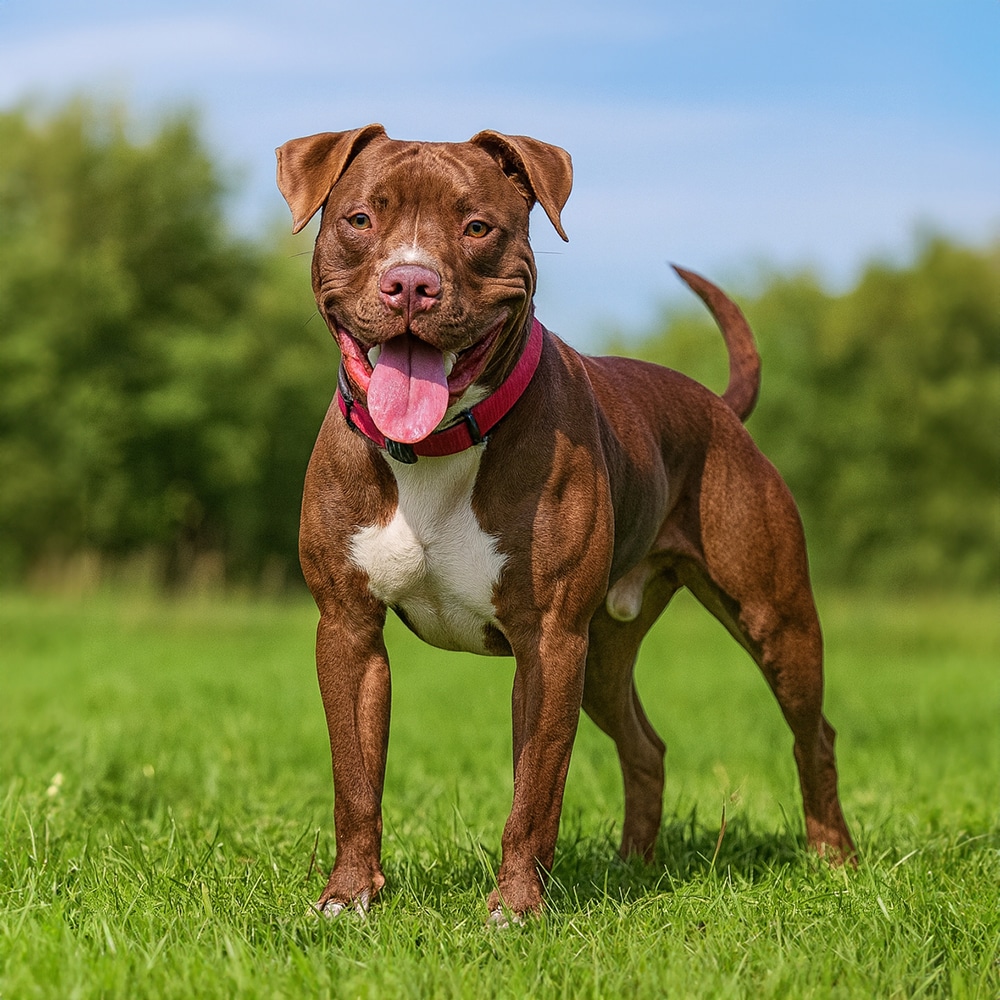
Pitbulls are easily recognizable due to their strong and athletic appearance. Common features include:
- Muscular, medium-sized body
- Short, smooth coat
- Broad head and strong jaw
- Deep chest and powerful stance
They come in a wide range of colors, including black, white, brindle, blue, and fawn.
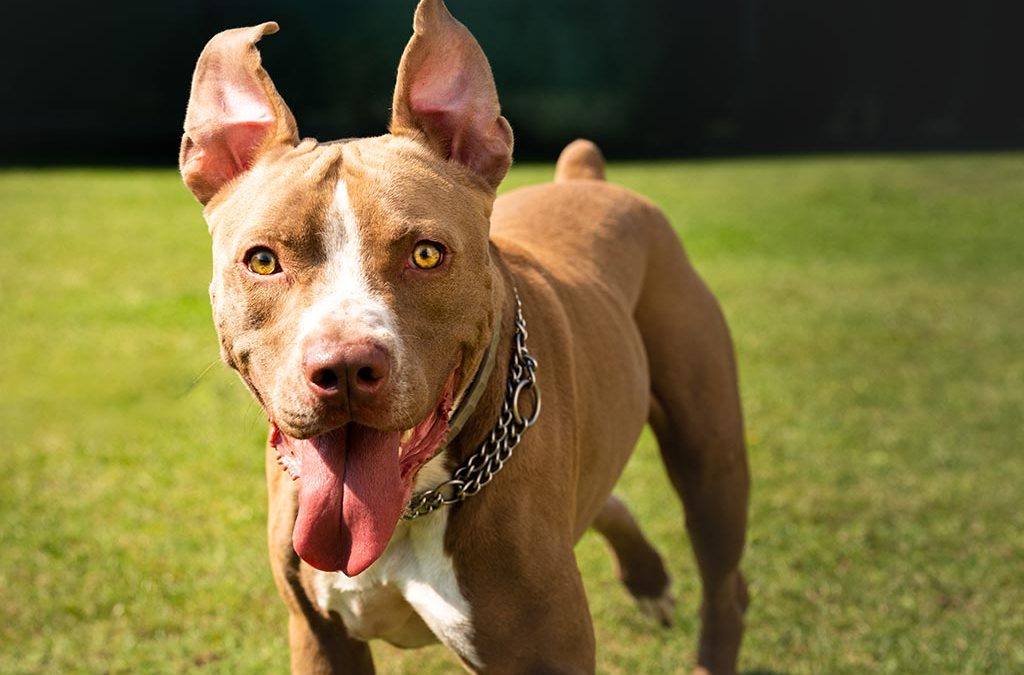
Despite their tough appearance, their facial expressions are often soft, friendly, and eager.
Personality and Behavior
Pitbull dogs thrive on human interaction. They are social animals that form strong emotional bonds with their owners.
Key personality traits include:
1. Loyalty
Pitbulls are extremely devoted to their families and often act as protective companions.
2. Intelligence
They are quick learners and respond well to positive reinforcement training.
3. Energy
Pitbulls are active dogs that need regular exercise to stay happy and healthy.
4. Playfulness
They love games, toys, and outdoor activities, making them great companions for active individuals.
However, due to their history, some pitbulls may show reactivity toward other dogs. Early socialization is essential to ensure balanced behavior.
How to Care for a Pitbull Dog
Owning a pitbull comes with responsibility. Here are the key aspects of proper care:
1. Exercise Needs
Pitbulls require at least 30–60 minutes of daily exercise. Activities like walking, running, and playing fetch are ideal.
2. Training
Consistent training is crucial. Positive reinforcement methods work best, as pitbulls respond well to praise and rewards.
3. Socialization
Expose your pitbull to different people, pets, and environments from an early age to prevent fear or aggression.
4. Diet and Nutrition
A balanced diet with high-quality protein supports their muscular build and energy levels.
5. Grooming
Their short coat is low-maintenance. Weekly brushing and occasional baths are enough to keep them clean.
Common Myths About Pitbull Dogs
Myth 1: Pitbulls Have Locking Jaws
This is completely false. There is no scientific evidence that pitbulls have a locking jaw mechanism.
Myth 2: Pitbulls Are Naturally Aggressive
Studies show no breed is inherently more aggressive than others. Behavior depends on upbringing and environment.
Myth 3: Pitbulls Are Not Good Family Dogs
In reality, pitbulls are known for their affection toward people and can be excellent family pets when trained properly.
Myth 4: Pitbulls Are Dangerous by Nature
Any dog can be dangerous if neglected, abused, or poorly trained. Responsible ownership is the key factor.

Are Pitbulls Good Family Pets?
Yes—pitbulls can be amazing family dogs. They are:
- Gentle with children
- Protective without being overly aggressive
- Loving and affectionate
- Highly trainable
Many pitbulls even work as therapy and service dogs, proving their reliability and stable temperament.
However, they are best suited for owners who are committed to training, exercise, and responsible care.
Pros and Cons of Owning a Pitbull
Pros
- Loyal and affectionate
- Intelligent and trainable
- Great companions for active lifestyles
- Low grooming needs
Cons
- Require consistent training
- High energy levels
- May have dog-to-dog reactivity
- Subject to breed stigma and legal restrictions
Pitbull Training Tips for Beginners
Training a pitbull is rewarding but requires consistency:
- Start training early
- Use positive reinforcement (treats, praise)
- Be consistent with rules
- Avoid harsh punishment
- Provide mental stimulation (puzzle toys, obedience training)
Because pitbulls are eager to please, they often excel in obedience training when handled correctly.
Why Pitbulls Are Misunderstood
Much of the pitbull’s negative reputation comes from media portrayal and misuse by irresponsible owners. Inaccurate breed identification and sensational reporting have also contributed to misconceptions.
In reality, pitbulls are no more dangerous than other breeds of similar size and strength.
Conclusion
Pitbull dogs are loyal, loving, and intelligent companions that deserve to be understood—not feared. While they require responsible ownership, training, and socialization, they can thrive in a variety of households and bring immense joy to their families.
If you’re considering adding a pitbull to your home, focus on proper training, care, and commitment. When raised with love and responsibility, a pitbull can become one of the most rewarding pets you’ll ever have.
Leave a Reply