

You fill your dog’s food bowl every morning, take them for walks, and make sure they have a comfortable place to sleep. You buy their favorite treats, laugh at their silly habits, and do everything you can to give them a happy life.
But what if some of the things you do every day, with the very best intentions, could actually be hurting your dog?
The truth is that responsible dog owners can make mistakes without realizing it. A walk on a sunny afternoon might expose sensitive paws to dangerously hot pavement. An extra treat might seem like a harmless expression of love, even as the calories gradually add up.
And sometimes, the most important warning signs are the ones your dog cannot explain.
Understanding everyday habits that could be hurting your dog is one of the simplest ways to protect their health and improve their quality of life.
Here are five common habits worth reconsidering, along with practical ways to make your dog’s daily routine safer.
1. Walking Your Dog on Hot Pavement
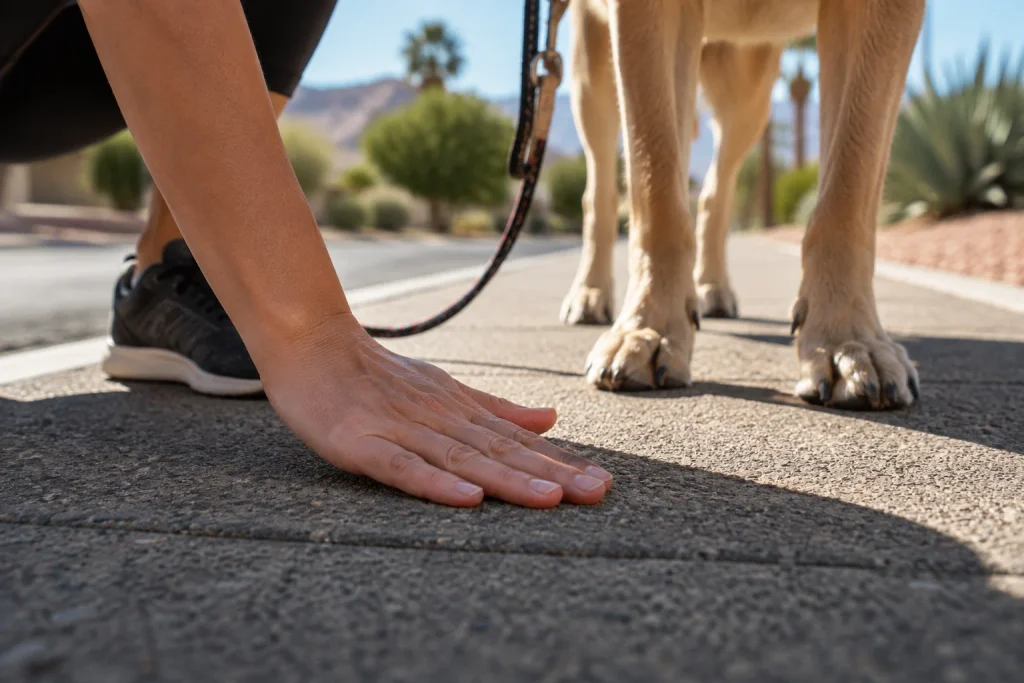
Your dog hears the familiar sound of their leash and immediately runs toward the door.
Their tail starts wagging. They’re excited to go outside, and you don’t want to disappoint them.
So you head out for your usual afternoon walk.
But there’s something you might not notice.
While you’re wearing shoes, your dog is walking directly on the pavement.
Why hot pavement can hurt your dog
Asphalt and concrete absorb heat from sunlight. On warm, sunny days, their surface temperatures can become significantly hotter than the surrounding air.
That means a day that feels manageable to you may expose your dog’s paw pads to uncomfortable or dangerous temperatures.
Prolonged contact with hot surfaces can cause painful burns.
Dogs may also face a risk of overheating, especially during strenuous activity in warm, humid conditions.
Warning signs of paw injuries
Watch for:
- Limping or refusing to walk
- Repeatedly lifting the paws
- Excessive licking of paw pads
- Redness or tenderness
- Blisters or damaged skin
- Sudden reluctance to continue walking
If you suspect a burn, move your dog away from the hot surface immediately.
Cool the affected paws gently with cool running water, avoid ice directly on the skin, and contact your veterinarian.
What should you do instead?
Walk your dog during cooler parts of the day, such as early morning or later evening.
Choose shaded routes and grassy areas when possible.
Check the pavement with the back of your hand. If it feels uncomfortably hot after several seconds, avoid having your dog walk on it.
However, the hand test is only a rough precaution, not a reliable measurement of safety.
Our guide on how hot is too hot for dogs to walk explains the risks of hot weather and how to plan safer outings.
Remember: Your dog may be excited to go for a walk even when the conditions aren’t safe. It’s your responsibility to make that decision for them.
2. Giving Your Dog Too Many Treats and Table Scraps
Your dog sits beside the dinner table, looking up at you with hopeful eyes.
You give them a tiny piece of your food.
Then another.
It’s such a small gesture that it hardly seems worth worrying about.
But repeated every day, those extra bites can have consequences.
Why too many treats can become a problem
Excess calories can contribute to weight gain and obesity.
Overweight dogs face increased risks of several health problems, including joint discomfort, reduced mobility, and metabolic disease.
Extra weight can also make existing orthopedic conditions more difficult to manage.
And calories aren’t the only concern.
Some human foods are unsafe for dogs.
Chocolate, grapes, raisins, onions, garlic, and products containing xylitol can cause serious illness.
High-fat foods may also trigger digestive upset and, in susceptible dogs, pancreatitis.
How many treats should your dog have?
A commonly used veterinary nutrition guideline is that treats should account for no more than approximately 10% of your dog’s daily calorie intake.
The remaining calories should come from a nutritionally complete and balanced diet appropriate for your dog.
The correct amount depends on your dog’s age, body condition, activity level, and medical needs.
What should you do instead?
Measure treats rather than offering unlimited snacks.
You can also reserve part of your dog’s regular food allowance for training rewards.
Choose dog-safe treats in appropriate portions, and ask your veterinarian for feeding advice if your dog is gaining weight.
Before sharing food from your plate, make sure it is safe for dogs.
You can learn more about common hazards in our article on household items that can poison your dog.
Giving your dog affection doesn’t have to involve food every time.
Sometimes, a short game, gentle attention, or a favorite activity is an even better reward.
3. Ignoring Small Changes in Your Dog’s Behavior
Your dog has always been energetic.
Every morning, they run toward the door when it’s time for a walk.
But lately, they seem slower.
They hesitate before climbing onto the sofa. They spend more time sleeping and occasionally move away when you try to pet them.
You might assume they’re simply getting older or having a quiet day.
Yet small behavioral changes can sometimes be early signs of physical discomfort.
Why dogs may not show obvious signs of pain
Dogs don’t always communicate pain through crying or whining.
Some continue eating, walking, and interacting with their families despite discomfort.
Instead, they may show subtle changes in posture, movement, appetite, or social behavior.
A dog with painful joints may become reluctant to climb stairs.
A dog with dental disease may chew differently or avoid hard food.
A dog experiencing abdominal discomfort may become restless or unusually withdrawn.
Warning signs you shouldn’t ignore
Pay attention to:
- Limping or stiffness
- Reduced interest in walks
- Difficulty standing or lying down
- Changes in appetite
- Unusual panting
- Increased irritability
- Avoiding touch
- Changes in sleeping habits
These symptoms can have different causes, so don’t attempt to diagnose the problem based on behavior alone.
If your dog’s behavior changes suddenly or remains unusual, arrange a veterinary examination.
For a more detailed explanation, read 7 warning signs your dog is in pain but trying to hide it.
What should you do instead?
Spend a few minutes each day observing how your dog moves, eats, rests, and responds to familiar activities.
Notice changes from their normal routine.
If something seems wrong, document the symptoms and speak with your veterinarian.
Early evaluation can help identify problems before they become more severe.
Your dog may not be able to tell you exactly what hurts, but their behavior can provide valuable clues.
4. Leaving Your Dog Alone Without Enough Activity or Support
Before leaving for work, you fill your dog’s water bowl, put out some food, and say goodbye.
When you return hours later, your dog is waiting by the door.
Sometimes the house is perfectly quiet.
Other days, you find chewed objects, scattered belongings, or signs that your dog has been restless.
It’s easy to assume your dog was simply being naughty.
But boredom, frustration, and separation-related distress can all contribute to unwanted behavior.
Why long periods alone can be difficult
Dogs are social animals that need appropriate exercise, mental stimulation, rest, and opportunities to interact.
However, their tolerance for being alone varies considerably.
Some healthy adult dogs are comfortable resting alone for several hours.
Others struggle with separation, especially puppies, senior dogs, and dogs with behavioral or medical needs.
A dog that experiences separation-related distress may show:
- Repeated barking or howling
- Pacing
- Destructive behavior near doors
- Excessive drooling
- Attempts to escape
- Difficulty settling
- Indoor accidents
These behaviors are not always caused by separation anxiety. Medical conditions, insufficient toilet breaks, and other factors may also contribute.
What should you do instead?
Give your dog opportunities for appropriate exercise and exploration before leaving.
Provide safe enrichment activities, such as suitable food puzzles or toys that have been tested under supervision.
Make sure fresh water and a comfortable resting area are available.
If you’re away for long periods, arrange a visit from a trusted family member, pet sitter, or dog walker.
For dogs that panic when left alone, consult a veterinarian or qualified behavior professional. Simply adding toys or increasing exercise may not resolve separation anxiety.
It’s also worth remembering that a dog can experience stress without making much noise.
Understanding the signs your dog is stressed can help you recognize when your companion needs additional support.
A good daily routine isn’t just about keeping your dog occupied.
It’s about making sure they feel comfortable, secure, and appropriately cared for.
5. Neglecting Your Dog’s Dental Health
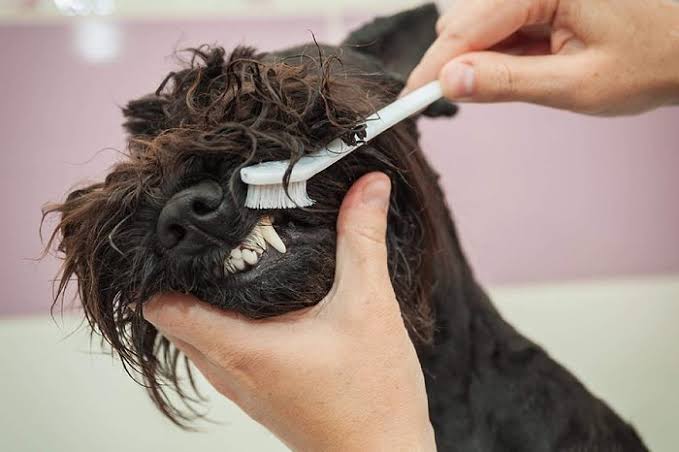
Your dog runs toward you, opens their mouth, and gives you an enthusiastic greeting.
You notice their breath smells unpleasant.
You laugh, turn your head, and assume it’s just normal dog breath.
But persistent bad breath may be a warning sign.
Why dental care matters
Plaque develops on teeth as bacteria accumulate.
Without appropriate dental care, plaque can contribute to tartar buildup, gingivitis, and periodontal disease.
Dental disease can cause pain, inflammation, loose teeth, and difficulty eating.
Unfortunately, some dogs continue eating even when their mouths are uncomfortable.
This means dental problems may progress without obvious symptoms.
Warning signs of dental problems
Watch for:
- Persistent bad breath
- Red or swollen gums
- Visible tartar
- Difficulty chewing
- Dropping food while eating
- Pawing at the mouth
- Loose or damaged teeth
- Reduced appetite
If your dog shows these symptoms, schedule a veterinary dental examination.
What should you do instead?
Brush your dog’s teeth regularly using a toothbrush and toothpaste designed specifically for dogs.
Daily brushing is ideal when your dog tolerates it.
Never use human toothpaste, which may contain ingredients that are unsafe for pets.
Introduce brushing gradually with positive reinforcement.
Veterinary-approved dental products may provide additional support, but they don’t replace professional examinations.
If you’re unsure whether your dog’s breath is normal, read our guide on why your dog has bad breath and what you can do about it.
A healthy mouth isn’t only about fresh breath.
It’s an important part of your dog’s overall comfort and well-being.
Quick Guide: 5 Everyday Habits That Could Hurt Your Dog
| Everyday habit | Potential risk | Safer alternative |
|---|---|---|
| Walking on hot pavement | Paw burns and overheating | Choose cooler times and safer surfaces |
| Giving too many treats | Weight gain, digestive problems, toxic food exposure | Control portions and offer dog-safe rewards |
| Ignoring behavior changes | Delayed recognition of pain or illness | Observe daily habits and seek veterinary advice |
| Leaving dogs alone without adequate support | Boredom, distress, unmet care needs | Provide enrichment, breaks, and appropriate supervision |
| Neglecting dental care | Gum disease, tooth pain, tooth loss | Brush regularly and schedule dental checks |
How to Build a Healthier Daily Routine for Your Dog
Improving your dog’s daily life doesn’t necessarily require expensive products or major lifestyle changes.
Often, the most meaningful improvements come from consistent attention to ordinary routines.
Start with a morning health check
Before your dog’s first walk, notice how they get up and move.
Look for stiffness, limping, unusual breathing, or changes in energy.
Check that your dog is eating and drinking normally.
Make walks safe and enjoyable
Choose appropriate walking times based on the weather.
Allow your dog opportunities to sniff and explore when safe.
Remember that mental stimulation can be just as valuable as physical exercise.
Measure meals and treats
Follow an appropriate feeding plan.
Monitor your dog’s body condition and adjust food portions with veterinary guidance when needed.
Include positive interaction
Spend time playing, training, grooming, or simply relaxing together.
Different dogs enjoy different activities, so pay attention to what makes your companion comfortable.
Make preventive care a priority
Schedule routine veterinary visits.
Maintain appropriate parasite prevention, vaccinations, and dental care.
Preventive care can help identify potential problems before they become serious.
Frequently Asked Questions
What everyday habits are bad for dogs?
Common potentially harmful habits include walking dogs on dangerously hot surfaces, overfeeding treats, ignoring changes in behavior, leaving dogs without appropriate care, and neglecting dental hygiene.
Can giving your dog too many treats hurt them?
Yes. Excess treats can contribute to weight gain and nutritional imbalance. Some human foods can also be toxic to dogs.
Is it bad to walk your dog every day?
No. Regular exercise is beneficial for most dogs. However, the amount and intensity should suit your dog’s age, health, and fitness, and walks should be adjusted for unsafe weather conditions.
How do I know if my dog is secretly in pain?
Possible signs include stiffness, reduced activity, unusual panting, changes in appetite, sensitivity to touch, and altered sleeping patterns. A veterinarian should evaluate unexplained changes.
Is leaving a dog alone all day harmful?
It depends on the individual dog and the arrangements in place. Puppies, senior dogs, and dogs with medical or behavioral needs may require frequent care. Long absences without appropriate breaks or support can compromise well-being.
How often should I brush my dog’s teeth?
Daily brushing is generally recommended when possible. Use dog-specific toothpaste and introduce the routine gradually.
Can stress affect my dog’s physical health?
Stress can influence appetite, digestion, sleep, and behavior. However, physical symptoms should not automatically be attributed to anxiety because medical conditions may produce similar changes.
What’s the most important thing I can do to keep my dog healthy?
Provide balanced nutrition, appropriate exercise, preventive veterinary care, a safe environment, and regular attention to changes in your dog’s behavior and physical condition.
Final Thoughts: Loving Your Dog Also Means Learning What They Need
Your dog doesn’t know whether the pavement is too hot or whether that extra piece of food contains something harmful.
They don’t understand why their teeth hurt or why climbing the stairs suddenly feels difficult.
And when something is wrong, they cannot sit beside you and explain it.
They depend on you to notice.
That responsibility can feel enormous, but it is also one of the most meaningful parts of sharing your life with a dog.
You don’t have to be a perfect owner. You don’t have to know everything about animal health or behavior.
What matters is being willing to learn, recognize mistakes, and make small changes when your dog needs them.
A cooler walking route, a healthier treat, a dental checkup, or a timely visit to the veterinarian may seem like ordinary decisions.
But those decisions can protect your dog from unnecessary discomfort and help them enjoy a healthier life.
Your dog gives you trust every day. Taking care of the little things is one of the best ways to honor it.
Leave a Reply