
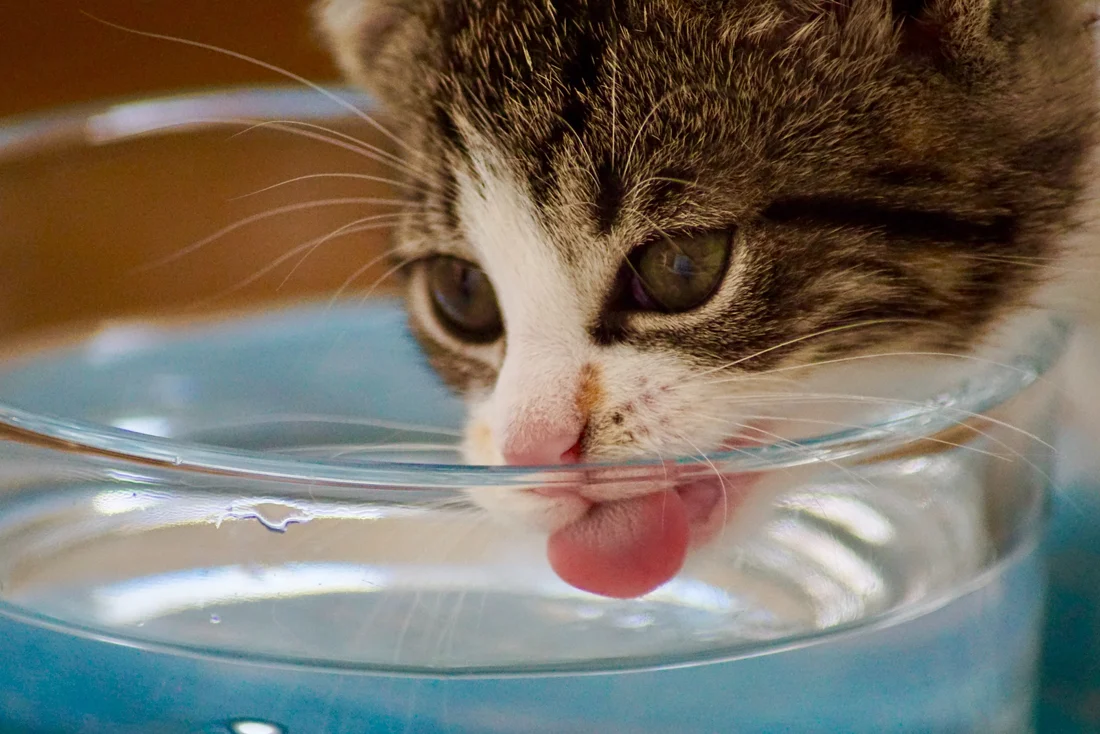
You fill your cat’s water bowl every morning, just as you’ve done for years. Usually, there’s still plenty left when you return home.
But lately, something has changed.
Your cat visits the water bowl more often. You hear it drinking in the middle of the night. Sometimes, the bowl is nearly empty before the day is over.
At first, you might feel relieved. After all, drinking water is healthy, isn’t it?
But when a cat suddenly starts drinking much more than usual, the change deserves attention.
A cat drinking more water may simply be responding to warmer weather or a change in diet. However, increased thirst can also be an early warning sign of kidney disease, diabetes, or another medical condition.
The important question isn’t just how much water your cat drinks. It’s why its drinking habits have changed.
Here’s what every cat owner should know.
Is It Normal for Cats to Drink a Lot of Water?
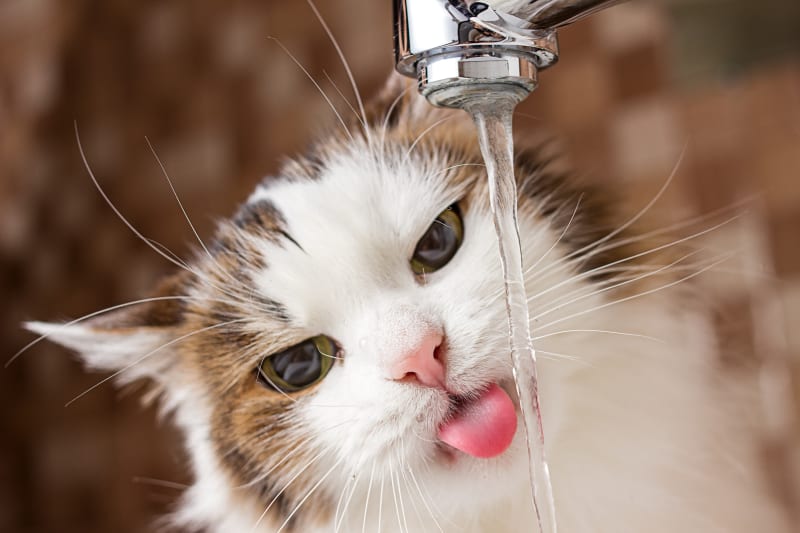
Cats need water to support digestion, circulation, temperature regulation, and normal organ function.
However, they don’t all drink the same amount.
A cat eating mostly wet food may drink very little from its bowl because canned food contains substantial moisture.
A cat eating dry kibble usually needs to obtain more of its daily water from drinking.
Activity, environmental temperature, body size, and health also influence water requirements.
How much water should a cat drink each day?
A commonly used estimate for a healthy adult cat’s total daily water intake is approximately 40–60 milliliters per kilogram of body weight, although individual needs vary.
This includes water from both food and drinking.
For example:
| Cat’s weight | Approximate total daily water intake |
|---|---|
| 3 kg (6.6 lb) | 120–180 mL |
| 4 kg (8.8 lb) | 160–240 mL |
| 5 kg (11 lb) | 200–300 mL |
| 6 kg (13.2 lb) | 240–360 mL |
These figures are general estimates, not strict limits.
A cat eating wet food may obtain much of this water from its meals.
Therefore, the amount it drinks directly from the bowl may be considerably lower.
Veterinarians often consider total water intake consistently exceeding approximately 100 mL per kilogram per day to be unusually high, but assessment depends on the individual cat and its circumstances.
If your cat suddenly begins drinking significantly more than usual, don’t wait for it to reach a particular number before seeking veterinary advice.
1. Your Cat May Be Eating More Dry Food
One of the simplest explanations for increased drinking is a change in diet.
Wet cat food typically contains around 70–80% moisture, while dry food contains much less.
This difference can have a major effect on how frequently your cat visits its water bowl.
Why dry food makes cats drink more
Imagine your cat has been eating canned food for months.
Then you switch to dry kibble.
Your cat may begin drinking more because it is no longer obtaining as much moisture from meals.
That doesn’t necessarily mean anything is wrong.
However, a dietary change should not automatically be blamed for excessive thirst, especially when other symptoms appear.
What should you do?
Review any recent changes in your cat’s food.
Consider whether you’ve switched brands, increased dry food, or reduced wet food.
Make sure clean water is always available.
If increased thirst continues or seems excessive, arrange a veterinary examination.
2. Kidney Disease Can Cause Increased Thirst
Kidney disease is one of the most important medical conditions to consider when a cat suddenly begins drinking more water.
The kidneys help filter waste products from the blood and regulate the body’s fluid balance.
When kidney function declines, the kidneys may become less effective at concentrating urine.
As a result, affected cats can lose more water through urination.
To compensate, they may drink more.
Common signs of kidney disease in cats
Possible symptoms include:
- Increased thirst
- More frequent or larger amounts of urine
- Weight loss
- Reduced appetite
- Vomiting
- Decreased energy
- Poor coat condition
Chronic kidney disease is particularly common in older cats, although younger cats can also develop kidney problems.
Why early detection matters
Kidney disease can develop gradually.
In some cases, increased drinking and urination are among the first changes an owner notices.
Early veterinary assessment may help identify the condition before more severe symptoms develop.
Your veterinarian may recommend blood tests, urine testing, blood pressure measurement, and other examinations.
Although chronic kidney disease usually cannot be cured, appropriate treatment and monitoring can help many affected cats maintain a better quality of life.
If your older cat suddenly starts drinking much more water, don’t dismiss the change as a normal part of aging.
3. Diabetes May Be Making Your Cat Thirstier
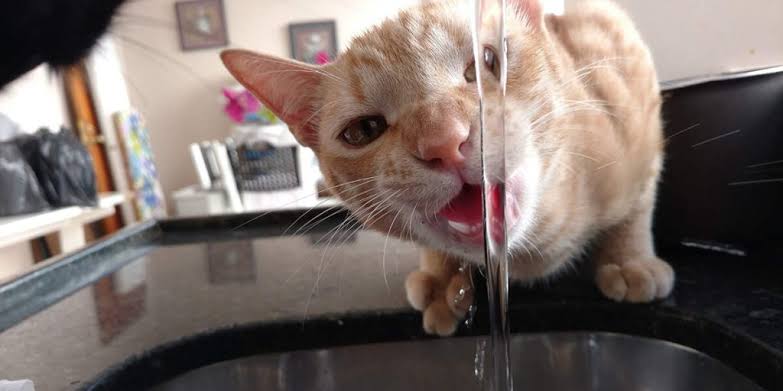
Diabetes mellitus is another important cause of excessive thirst in cats.
The condition affects how the body regulates blood glucose.
When blood glucose becomes excessively high, glucose may spill into the urine.
This draws additional water into the urine, causing increased urination and thirst.
Warning signs of diabetes in cats
Watch for:
- Drinking more water than usual
- Producing larger amounts of urine
- Increased appetite
- Unexplained weight loss
- Reduced energy
- Changes in walking or jumping
A particularly concerning combination is a cat that seems constantly hungry but continues losing weight.
Some diabetic cats may also develop weakness in their hind legs.
Can diabetes in cats be treated?
Yes. Feline diabetes can often be managed with veterinary treatment.
Depending on the cat, treatment may include insulin or other prescribed medication, dietary management, and regular monitoring.
Some cats achieve diabetic remission with appropriate care.
However, treatment must be individualized.
Never attempt to diagnose or treat diabetes using human medication without veterinary guidance.
If your cat is drinking more, urinating more, and losing weight, schedule a veterinary appointment promptly.
4. Hot Weather and Increased Activity May Explain the Change
Not every increase in water consumption indicates illness.
Cats may need more water during hot weather, particularly when they spend time in warm environments.
Activity can also influence hydration needs.
For example, a playful cat that spends the afternoon running and jumping may drink more afterward.
How can you tell whether the change is normal?
Consider the circumstances.
Did the weather recently become hotter?
Has your cat been more active?
Has its diet changed?
If the increase is mild, temporary, and clearly associated with these factors, it may be a normal response.
However, persistent or dramatic thirst should not be attributed to the weather without considering medical causes.
Help your cat stay hydrated
Provide fresh water in several accessible locations.
Keep water bowls away from excessive heat.
Make sure your home has comfortable, shaded resting areas.
Some cats prefer drinking from wide bowls or pet fountains.
You can also offer appropriate wet food as part of a balanced diet.
Never restrict your cat’s access to water because it seems to be drinking too much.
5. Hyperthyroidism Can Make Cats Drink More
Hyperthyroidism occurs when the thyroid gland produces excessive thyroid hormones.
The condition is especially common in middle-aged and older cats.
These hormones influence metabolism and many bodily functions.
When thyroid hormone levels become too high, affected cats may experience increased appetite, weight loss, and changes in drinking habits.
Signs of hyperthyroidism
Common symptoms may include:
- Increased thirst
- Increased urination
- Weight loss despite a strong appetite
- Restlessness
- Increased vocalization
- Vomiting or diarrhea
- Poor coat quality
Some cats become unusually active or irritable.
Others show less obvious changes.
How is hyperthyroidism diagnosed?
A veterinarian may recommend blood tests to measure thyroid hormone levels.
Treatment options can include medication, radioactive iodine therapy, surgery, or a prescription iodine-restricted diet in selected cases.
The most appropriate treatment depends on your cat’s health and circumstances.
Because hyperthyroidism and kidney disease can occur together, veterinary evaluation is particularly important.
6. Certain Medications Can Increase Thirst
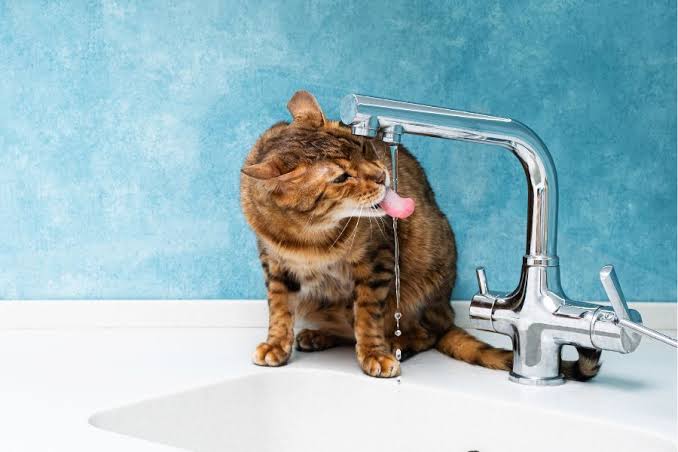
Some medications can cause cats to drink and urinate more frequently.
For example, corticosteroids and certain diuretic medications may affect water balance.
If your cat recently started a new prescription, its drinking habits may change.
However, this doesn’t mean the medication is necessarily the only cause.
What should you do?
Review your cat’s current medications with your veterinarian.
Mention when the increased thirst began and whether it coincided with a new treatment.
Do not stop or adjust prescribed medication without veterinary instructions.
Your veterinarian can determine whether the change is expected or requires further testing.
7. Other Medical Conditions May Cause Excessive Thirst
Kidney disease, diabetes, and hyperthyroidism are among the better-known causes of increased thirst.
However, they aren’t the only possibilities.
Other conditions that can affect water consumption include:
- Certain liver disorders
- Urinary tract problems
- Some hormonal disorders
- Infections or inflammatory conditions
- Disorders affecting fluid regulation
Some of these conditions are uncommon, but they may need to be considered if initial tests do not identify the cause.
A veterinarian can use your cat’s history, examination findings, and laboratory results to determine which tests are appropriate.
How to Tell If Your Cat Is Drinking Too Much Water
One of the most useful things you can do is measure your cat’s water intake.
You don’t need specialized equipment to begin tracking changes.
Step 1: Measure the water you provide
Use a measuring cup to record how much water you place in your cat’s bowl.
Step 2: Measure what’s left after 24 hours
Subtract the remaining amount from the starting volume.
Remember that evaporation, spills, and other pets drinking from the same bowl can affect the result.
Step 3: Repeat for several days
Record the results to identify a pattern.
If your cat eats wet food, remember that its meals also contribute to total water intake.
Step 4: Monitor the litter box
Increased drinking often occurs alongside increased urination.
Look for larger urine clumps or a noticeable increase in litter box use.
However, frequent attempts to urinate are not always the same as producing more urine.
A cat that repeatedly strains but produces little or no urine may have a urinary obstruction.
Urinary obstruction is a life-threatening emergency, particularly in male cats, and requires immediate veterinary care.
Warning Signs That Mean Your Cat Needs a Vet
Increased thirst deserves attention, especially when it appears suddenly or persists.
Arrange a veterinary appointment if your cat:
- Drinks substantially more than usual
- Produces unusually large amounts of urine
- Loses weight without explanation
- Shows a major change in appetite
- Vomits repeatedly
- Becomes unusually tired
- Develops poor coat condition
- Shows other unexplained behavioral changes
Seek emergency care if your cat is struggling to urinate, collapses, has severe weakness, or shows other signs of serious illness.
Cats sometimes hide discomfort.
That’s why changes in daily routines can be valuable warning signs.
If your cat has also started avoiding people or spending unusual amounts of time hiding, read our guide on why your cat suddenly hides under the bed.
Note: Check that this linked article has been published before using the URL.
Should You Stop Your Cat From Drinking So Much?
No.
Never restrict a cat’s access to drinking water unless a veterinarian specifically instructs you to do so.
Excessive thirst can be the body’s response to increased fluid loss.
If your cat is urinating excessively because of diabetes or kidney disease, limiting water may cause dangerous dehydration.
Instead, provide fresh water and arrange appropriate veterinary care.
Your goal should be to identify the reason for the increased thirst, not prevent your cat from responding to it.
How to Encourage Healthy Hydration in Cats
Even when your cat’s drinking habits are normal, good hydration remains important.
Offer multiple water bowls
Place clean water in quiet, accessible locations around your home.
Some cats prefer not to drink near their litter box or food.
Try a cat water fountain
Some cats are attracted to moving water.
A fountain may encourage drinking, although preferences vary.
Clean the fountain regularly to prevent contamination.
Consider wet food
Wet food can provide a substantial amount of moisture.
Ask your veterinarian whether adding or increasing wet food is appropriate for your cat.
Keep water fresh
Wash bowls regularly and replace the water daily or more often when needed.
Monitor changes
Become familiar with your cat’s normal drinking, eating, and bathroom habits.
Small changes are easier to recognize when you know what’s typical.
You can also explore our article about what human foods cats can eat safely before offering additional foods or treats.
Can a Cat Be Dehydrated Even If It Drinks Water?
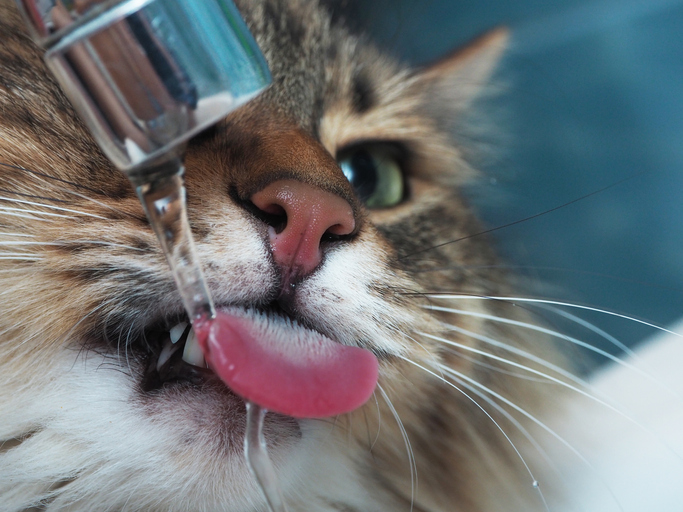
Yes.
A cat may drink frequently but still become dehydrated if it loses more fluid than it replaces.
This can happen with excessive urination, vomiting, diarrhea, or certain medical conditions.
Possible signs of dehydration include:
- Dry or tacky gums
- Lethargy
- Reduced appetite
- Sunken eyes in more severe cases
- Weakness
These signs are not always reliable for assessing hydration at home.
If you suspect dehydration, contact your veterinarian.
Don’t assume that drinking frequently means your cat is adequately hydrated.
Frequently Asked Questions
Why is my cat suddenly drinking so much water?
Possible reasons include a switch to dry food, hot weather, kidney disease, diabetes, hyperthyroidism, or medication effects. Persistent or unexplained changes should be assessed by a veterinarian.
Is it normal for an older cat to drink more water?
Older cats may develop conditions that increase thirst, particularly chronic kidney disease and hyperthyroidism. Increased drinking should not automatically be considered normal aging.
How much water is too much for a cat?
Total daily water intake consistently above approximately 100 mL per kilogram of body weight is often considered excessive. However, a significant change from your cat’s normal intake can warrant evaluation even below that level.
Why is my cat drinking more water and peeing more?
This combination may occur with kidney disease, diabetes, hyperthyroidism, and other medical conditions. Your veterinarian may recommend blood and urine tests.
Can dry cat food make my cat drink more?
Yes. Dry food contains less moisture than wet food, so cats eating mainly kibble often drink more water directly.
Should I worry if my cat drinks water at night?
Drinking at night isn’t necessarily abnormal. However, a sudden increase in nighttime drinking, especially alongside increased urination or weight loss, deserves veterinary attention.
Can stress make a cat drink more water?
Stress may influence behavior and daily routines, but persistent excessive thirst should not be attributed to anxiety without considering medical causes.
If your cat is also showing unusual behavior, our guide on why cats suddenly sleep next to their owners explores how changes in routine and comfort-seeking behavior may occur.
What tests will the vet perform?
Depending on your cat’s symptoms, the veterinarian may recommend a physical examination, blood chemistry testing, blood glucose measurement, urinalysis, thyroid testing, and other investigations.
Final Thoughts: A Small Change That Deserves Your Attention
Your cat can’t tell you when something feels different inside its body.
It can’t explain that it’s thirstier than usual or that its kidneys are struggling to conserve water.
Instead, the first clue may be something ordinary.
A water bowl that empties faster.
A cat that suddenly drinks in the middle of the night.
A litter box that needs cleaning more often than before.
These small changes don’t always mean something serious is wrong. Sometimes, the explanation is as simple as a warmer day or a different kind of food.
But sometimes, they are the earliest signs of a condition that needs treatment.
That’s why paying attention matters.
You don’t have to know exactly what’s causing your cat to drink more water. You simply need to recognize that something has changed and seek professional advice when appropriate.
Because caring for your cat isn’t only about the affection you give when it curls up beside you.
It’s also about noticing the quiet signals that may help protect its health for years to come.
Leave a Reply