
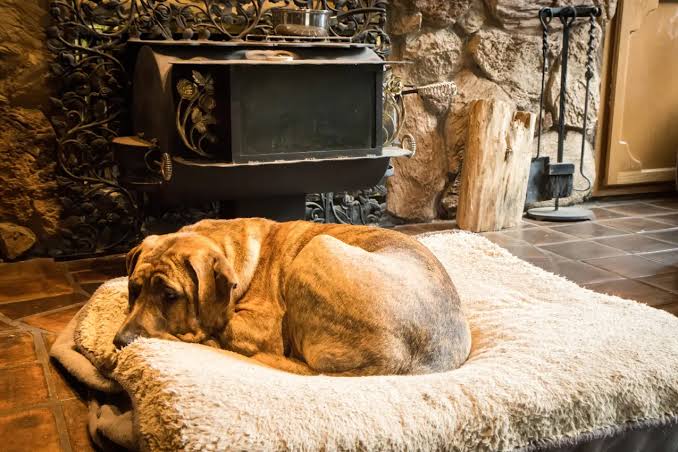
Every morning, the same little scene plays out in millions of homes.
You pick up your keys, put on your shoes, and head toward the front door. Behind you, your dog watches quietly. Sometimes there’s a wagging tail. Sometimes a confused look. And sometimes, your dog follows you all the way to the door, hoping you’re not really leaving.
You tell your best friend you’ll be back soon.
But have you ever wondered how long your dog can actually stay home alone without becoming uncomfortable, anxious, or distressed?
For many dog owners, leaving a pet alone is unavoidable. Work, school, appointments, and everyday responsibilities can keep us away for hours.
Most healthy adult dogs can tolerate some time alone, but there is no single number of hours that is safe or comfortable for every dog.
Age, health, bladder control, training, temperament, and the home environment all make a difference.
Here’s what every dog owner should know before leaving their companion home alone.
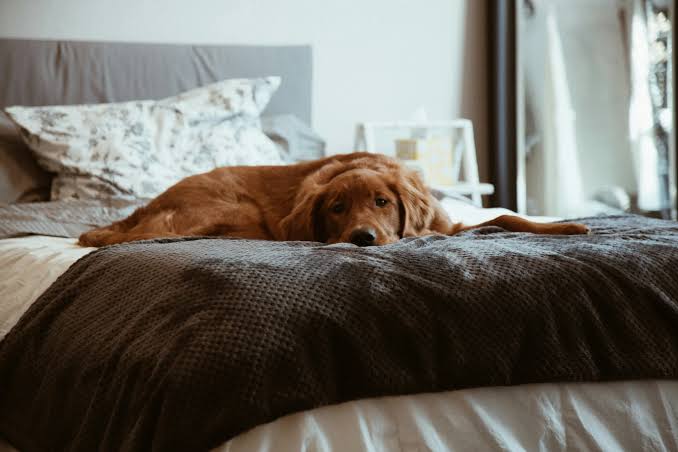
For many healthy adult dogs that are comfortable being alone, around four hours is a reasonable planning point before arranging a break or check-in.
Some well-adjusted adult dogs can manage longer periods, occasionally around six hours, provided their physical and emotional needs are met.
However, this doesn’t mean every dog should routinely spend six hours alone.
Dogs need opportunities to relieve themselves, exercise, interact with people, and engage in mentally stimulating activities.
A dog that can physically hold its bladder for several hours may still experience loneliness, boredom, or anxiety.
Puppies and senior dogs often need more frequent attention.
General guidelines by age
| Dog’s age | Suggested starting guideline |
|---|---|
| 8–10 weeks | Very brief absences, with frequent toilet breaks and supervision |
| 10–12 weeks | Short practice sessions, often well under 1 hour |
| 3 months | Approximately 1–2 hours, depending on the puppy |
| 4–5 months | Approximately 2–3 hours, with appropriate toilet breaks |
| 6 months | Some puppies may manage 3–4 hours |
| Healthy adult | Plan for a break or check-in around 4 hours |
| Senior dog | Individual needs vary; many require more frequent breaks |
These are practical planning guidelines, not guarantees or strict biological limits.
A puppy’s ability to remain comfortable alone depends on more than bladder capacity. Emotional development, training, and individual health are equally important.
A dog that becomes distressed after ten minutes should not be left for four hours simply because it is old enough.
1. How Long Can Puppies Stay Home Alone?
Puppies require considerably more attention than adult dogs.
They are still learning how to control their bladder, follow routines, and feel safe without their owners nearby.
A very young puppy may need to urinate frequently, especially after sleeping, eating, drinking, or playing.
Young puppies also need regular meals, supervision, and social interaction.
Why puppies shouldn’t be left alone for long periods
Extended absences can create several problems.
Your puppy may have accidents indoors, chew unsafe objects, or become frightened when nobody is around.
More importantly, being alone is a skill that puppies must learn gradually.
A puppy that has never practiced short, comfortable separations may struggle when suddenly left alone for several hours.
How to teach a puppy to stay home alone
Begin with very short absences while your puppy is calm.
For example, step into another room for a few seconds, then return before your puppy becomes distressed.
Gradually increase the duration as your puppy becomes comfortable.
Provide an appropriate resting area, safe toys, and access to water.
Arrange for someone to provide toilet breaks, meals, and supervision whenever necessary.
Never leave a young puppy confined in a crate for an entire workday. Crates can be useful training tools, but they should not replace appropriate care, exercise, or bathroom access.
2. How Long Can Adult Dogs Stay Home Alone?
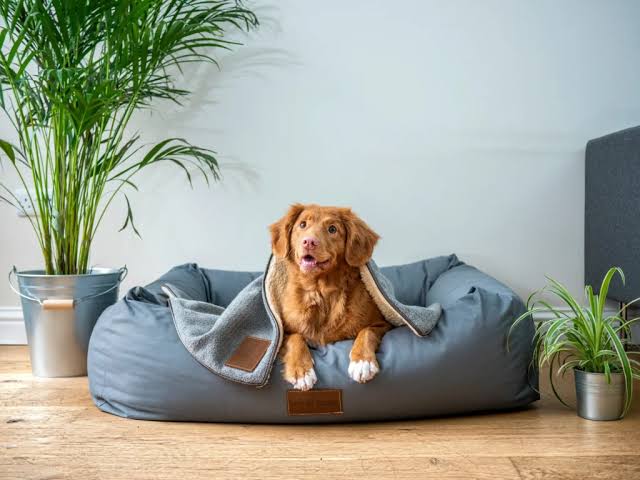
Adult dogs generally tolerate being alone better than puppies, especially when they have learned that their owners will return.
However, adult dogs still need physical activity, mental stimulation, and companionship.
Some dogs relax comfortably while their owners are away.
Others become distressed shortly after the front door closes.
Can you leave a dog alone for 8 hours?
An eight-hour workday is common, but regularly leaving a dog completely alone for that entire period isn’t ideal.
Some healthy adult dogs may tolerate an occasional eight-hour absence, particularly when they have been gradually accustomed to it.
However, being able to remain alone for eight hours does not necessarily mean the experience is comfortable or appropriate.
The dog may need a bathroom break, exercise, social interaction, or help managing anxiety.
If you work away from home for eight hours, consider arranging a midday visit.
A trusted family member, dog walker, or suitable pet care service can provide a valuable break.
What if your dog seems fine alone?
Some dogs sleep through much of the day and appear relaxed when their owners return.
That’s encouraging, but it doesn’t tell you everything about what happened while you were gone.
A pet camera may help you observe whether your dog rests calmly or shows signs of distress.
Look for repeated pacing, vocalization, attempts to escape, or difficulty settling.
3. How Long Can Senior Dogs Stay Home Alone?
Older dogs may need additional support.
As dogs age, their physical abilities and daily routines can change.
Some develop arthritis, reduced bladder control, hearing or vision problems, or cognitive difficulties.
These conditions may make long periods alone more challenging.
Signs your senior dog needs shorter absences
Watch for:
- More frequent urination
- Difficulty getting up or walking
- Increased nighttime restlessness
- Confusion or disorientation
- Changes in appetite
- Anxiety when separated
- Accidents indoors
For example, a dog with painful joints may struggle to reach its water bowl or get outside quickly enough when it needs to urinate.
A dog experiencing cognitive decline may become unsettled when familiar people are absent.
If these changes appear, consult your veterinarian.
Adjusting your schedule and home environment can improve your dog’s comfort.
4. Do Dogs Get Lonely When Left Home Alone?
Dogs are social animals, and many form strong attachments to their human families.
However, dogs don’t all respond to separation in the same way.
Some enjoy a quiet afternoon resting.
Others become bored, frustrated, or anxious without sufficient activity or companionship.
Loneliness and separation-related distress are not necessarily the same thing.
A bored dog may chew furniture because it lacks stimulation.
A dog experiencing separation anxiety may panic when a particular person leaves, even when toys and food are available.
Can dogs tell when you’re late coming home?
Dogs often learn the patterns of their owners’ daily routines.
They may recognize cues associated with departures, meals, walks, and homecomings.
Although dogs don’t understand clocks in the same way humans do, changes in familiar routines may influence their behavior.
You can explore this further in our article about how dogs know when you’re late.
Understanding your dog’s expectations can help you create a more predictable daily schedule.
5. What Are the Signs Your Dog Has Separation Anxiety?
Separation-related distress can affect dogs of different ages and backgrounds.
Some dogs begin showing symptoms when their owners prepare to leave.
Others appear calm during the departure but become distressed after being left alone.
Common warning signs
A dog experiencing separation-related problems may:
- Bark or howl repeatedly
- Pace continuously
- Scratch doors or windows
- Attempt to escape
- Destroy objects near exits
- Drool excessively
- Have accidents indoors despite being house-trained
- Refuse food when left alone
- Become extremely distressed during departures
However, these behaviors can also have other explanations.
For example, destructive chewing may result from boredom, insufficient exercise, or normal puppy development.
Indoor accidents may be caused by urinary problems or inadequate toilet training.
A veterinarian can help rule out medical conditions and recommend an appropriate behavior plan.
Can separation anxiety be treated?
Yes. Many dogs improve with individualized behavior modification and appropriate support.
Treatment often involves gradually teaching the dog to tolerate short absences without becoming distressed.
For some dogs, veterinary-prescribed medication may also be helpful.
Avoid punishing your dog for behavior that occurs while you’re away.
Punishment does not address the underlying anxiety and may make the situation worse.
6. Is It Safe to Leave a Dog Alone Overnight?
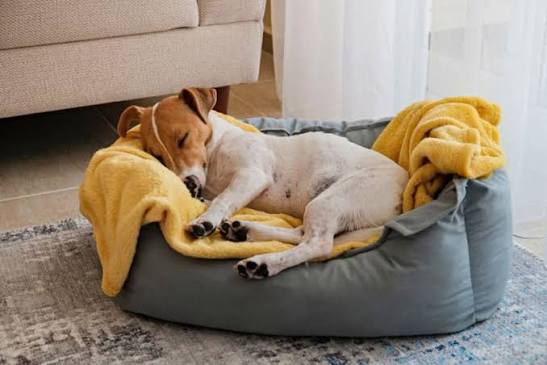
Leaving a dog completely alone overnight is generally not recommended.
Even if your dog can sleep for several hours without needing to urinate, unexpected problems can occur.
Your dog may become sick, experience an injury, or need assistance.
There is also a difference between a dog sleeping overnight while its family is home and a dog being left entirely unattended.
If you must be away overnight, arrange for a responsible person to provide care.
Depending on your dog’s needs, this may involve an overnight pet sitter or suitable boarding facility.
The goal is to ensure that someone can respond if your dog needs help.
7. How to Keep Your Dog Comfortable While You’re Away
Preparing your home can make a significant difference to your dog’s experience.
A comfortable environment helps reduce avoidable stress and keeps your dog safer.
Give your dog exercise before leaving
A walk or appropriate play session can help your dog settle afterward.
Choose activities suited to your dog’s age, breed, fitness, and health.
Avoid intense exercise during very hot weather.
For more information about temperature-related risks, read How Hot Is Too Hot for Dogs to Walk Outside?.
Provide safe mental stimulation
Food puzzles and suitable enrichment toys may help occupy some dogs.
However, not every toy is safe for unsupervised use.
Choose durable, size-appropriate products and avoid items your dog could easily break apart or swallow.
Introduce new toys while you’re present before leaving them with your dog.
Make fresh water available
Your dog should have reliable access to clean drinking water.
For longer absences, consider whether a single bowl provides sufficient water.
Create a comfortable resting area
Provide a familiar bed in a quiet, temperature-controlled part of your home.
Some dogs prefer a designated room, while others feel comfortable with access to several safe areas.
Avoid forcing your dog into a confined space if confinement increases its anxiety.
Remove household hazards
Before leaving, check that dangerous objects are out of reach.
Keep medications, cleaning products, electrical cords, and unsafe foods securely stored.
Some everyday household items can be poisonous to dogs.
Our guide to common household items that can poison your dog explains several risks that owners should know about.
Arrange a midday check-in
If your schedule keeps you away for many hours, a trusted caregiver can provide companionship and a bathroom break.
This can be especially helpful for puppies, senior dogs, and dogs with medical conditions.
8. Should You Leave the TV or Radio On for Your Dog?
Some owners leave music, television, or a radio playing when they go out.
For certain dogs, familiar background sounds may help create a predictable environment.
However, there is limited evidence that television or radio consistently prevents separation-related distress.
Some dogs may find particular sounds stimulating or frightening.
If you want to try background audio, choose a low volume and observe how your dog responds.
A pet camera can help you determine whether your dog appears relaxed.
Remember that background noise is not a substitute for companionship, exercise, or treatment for separation anxiety.
9. Is Getting a Second Dog the Solution?
It may seem logical that another dog would solve loneliness.
After all, two dogs can keep each other company.
But this approach doesn’t work for every household.
Some dogs enjoy living with another compatible dog.
Others prefer being the only pet.
More importantly, separation anxiety often involves distress related to the absence of a specific person.
Adding another dog may not resolve that problem.
Before adopting a second pet, consider your current dog’s temperament, behavior, and ability to coexist peacefully with another animal.
A second dog should be welcomed because you genuinely want and can care for another pet, not solely as a treatment for separation anxiety.
10. What Should You Do If You Work Full-Time?
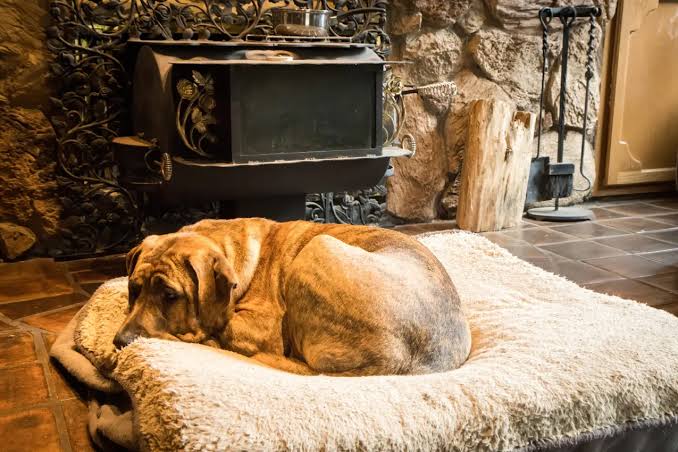
Working full-time doesn’t automatically mean you cannot provide a good home for a dog.
However, it does mean planning carefully around your pet’s needs.
A consistent routine can help.
Example schedule for a dog owner working outside the home
| Time | Suggested activity |
|---|---|
| 7:00 AM | Morning walk and bathroom break |
| 7:30 AM | Breakfast and calm interaction |
| 8:00 AM | Owner leaves for work |
| 12:00 PM | Dog walker or caregiver visit |
| 12:30 PM | Rest and safe enrichment |
| 5:00 PM | Owner returns and takes dog outside |
| Evening | Dinner, playtime, training, and companionship |
| Before bed | Final bathroom break |
This is an example rather than a universal schedule.
Puppies may need much more frequent visits, while some adult dogs require additional exercise or behavioral support.
The important question is not simply how long you work.
It’s whether your dog receives appropriate care throughout the day.
Frequently Asked Questions
Can dogs stay home alone for 4 hours?
Many healthy adult dogs that have been gradually trained to tolerate separation can manage four hours alone. However, puppies, senior dogs, and dogs with medical or behavioral needs may require shorter periods.
Is 6 hours too long to leave a dog alone?
Six hours may be manageable for some comfortable, healthy adult dogs, but it can be too long for others. Consider your dog’s bathroom needs, health, behavior, and access to a midday break.
Can I leave my dog alone for 8 hours while I work?
Some adult dogs tolerate an occasional eight-hour absence, but arranging a midday visit is preferable. Regularly leaving a dog alone for eight hours without a bathroom break or interaction may not meet its individual needs.
How long can a 3-month-old puppy stay alone?
Many three-month-old puppies need bathroom breaks and attention more frequently than adult dogs. Around one to two hours may be a practical upper planning range for some puppies, but others need much shorter absences.
Do dogs sleep the whole time you’re gone?
Some dogs rest for much of their owners’ absence. Others alternate between sleeping, exploring, and playing. Dogs experiencing anxiety may struggle to settle.
Do dogs know when you’re coming home?
Dogs can learn routines and recognize environmental cues associated with their owners’ return. However, they do not necessarily understand time the way humans do.
Is it cruel to leave a dog alone?
Leaving a dog alone for an appropriate period is not inherently cruel. Problems arise when the dog’s physical, emotional, and social needs are consistently unmet or when it experiences significant distress.
Should I say goodbye to my dog before leaving?
A calm, predictable departure is generally helpful. You don’t need to ignore your dog completely, but avoid turning departures into highly emotional events. Dogs with severe separation anxiety may need an individualized training plan.
Final Thoughts: Your Dog Isn’t Just Waiting for the Door to Open
There is something quietly touching about the way dogs become part of our everyday routines.
They learn the sound of our footsteps, recognize the jingle of our keys, and often seem to know when we’re preparing to leave.
For us, a workday may pass in meetings, errands, and conversations.
For our dogs, that same day may consist of resting, listening to familiar sounds, exploring their surroundings, and waiting for the next moment of companionship.
But every dog experiences that time differently.
Some are perfectly comfortable with a few quiet hours. Others need more frequent reassurance, activity, or care.
That’s why the best question isn’t simply, “How many hours can my dog stay alone?”
It’s “How can I make sure my dog feels safe, comfortable, and cared for while I’m away?”
Pay attention to your dog’s behavior. Build a routine that respects its individual needs. And when your schedule becomes demanding, don’t hesitate to arrange extra support.
Because being a responsible dog owner doesn’t mean staying home every minute.
It means making sure your best friend is properly cared for, even when you cannot be there.
Leave a Reply