

Caring for a pet is one of the most rewarding experiences in life—but it also comes with responsibility. Whether you own a playful dog, an independent cat, or both, providing proper care is essential to ensure their health, happiness, and longevity.
From feeding and grooming to training and emotional well-being, pet care goes far beyond basic needs. According to experts, consistent routines, regular vet visits, and proper nutrition are the foundation of a healthy pet life.
In this comprehensive guide, we’ll explore practical pet care advice every pet owner in the U.S. should know.
Understanding Your Pet’s Basic Needs
Every pet, regardless of breed or species, has fundamental needs that must be met daily. These include food, water, shelter, exercise, and emotional attention.
Dogs thrive on routine and social interaction, while cats prefer predictable environments and personal space.
Food and Nutrition
Proper nutrition is the cornerstone of pet health. Dogs and cats require balanced diets tailored to their age, size, and activity level.
- Avoid feeding pets human foods like sweets or processed items
- Provide high-quality commercial pet food or vet-approved meals
- Measure portions to prevent overfeeding
A healthy pet should maintain an ideal body condition—neither underweight nor overweight.
Clean Water and Safe Shelter
Fresh water should always be available. Pets can become dehydrated quickly, especially in warmer climates or after exercise.
Creating a safe and comfortable living space is equally important. Dogs benefit from cozy beds in quiet areas, while cats prefer elevated or hidden resting spots.
The Importance of Regular Veterinary Care
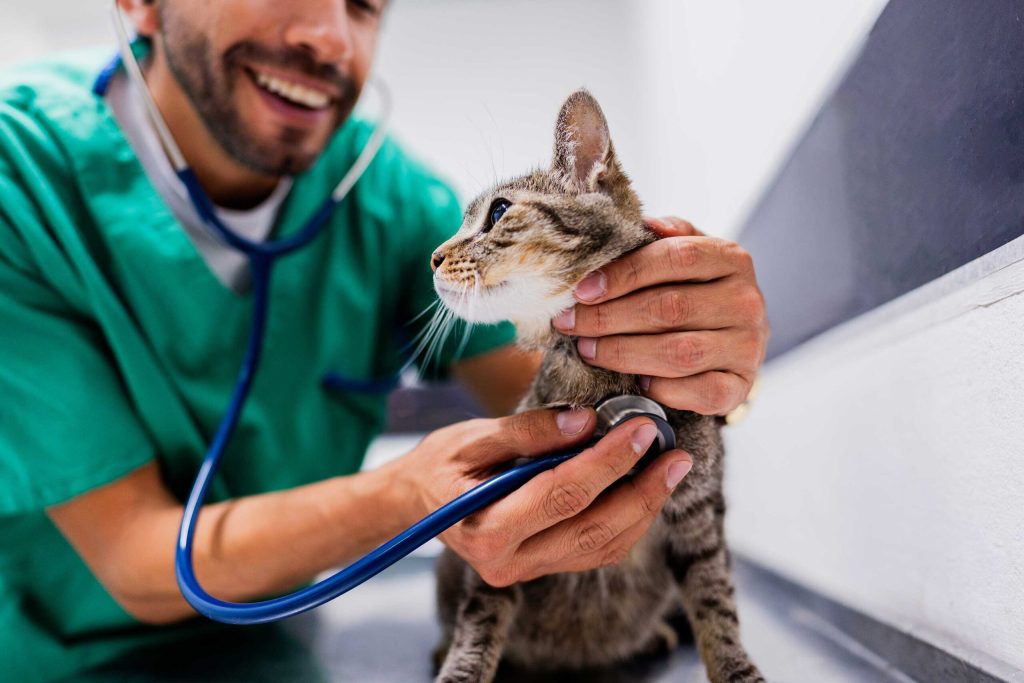
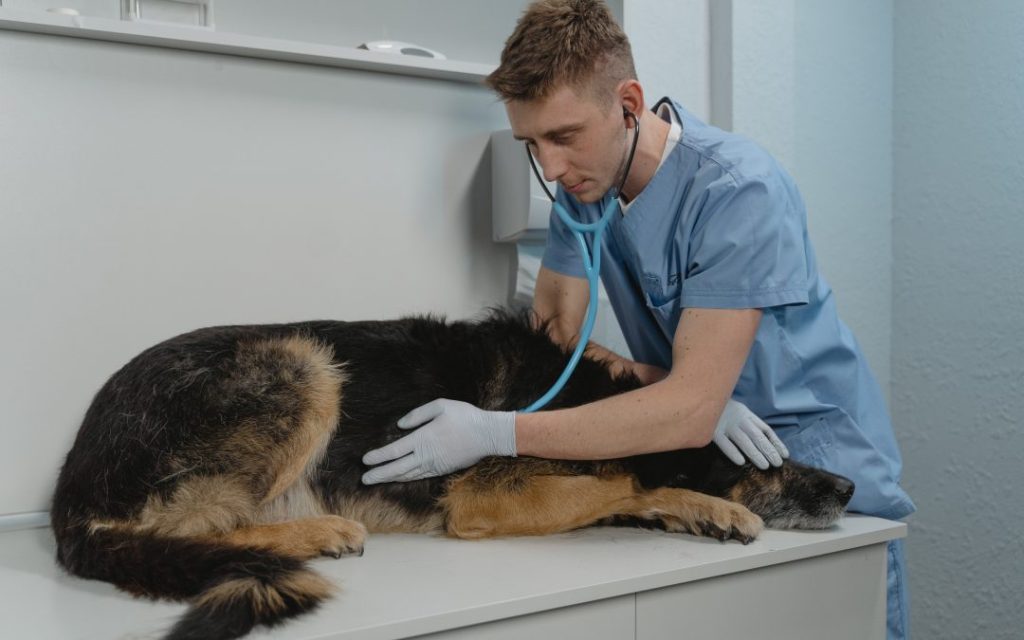
Routine vet visits are one of the most important aspects of responsible pet ownership. Experts recommend at least one to two checkups per year, depending on your pet’s age and health.
Vaccinations and Preventive Care
Vaccinations protect pets from serious diseases, while preventive treatments help avoid fleas, ticks, and parasites.
- Keep vaccinations up to date
- Use flea and tick prevention regularly
- Schedule deworming treatments
These steps not only protect your pet but also safeguard your household.
Dental and Skin Health
Dental care is often overlooked but crucial. Poor oral hygiene can lead to infections and long-term health issues.
Regular grooming and bathing also help maintain healthy skin and coat. Always use pet-specific products to avoid irritation.
Exercise and Mental Stimulation
Pets need both physical and mental activity to stay healthy.
For Dogs
Dogs require daily exercise, including walks, playtime, and outdoor activities. Regular exercise helps prevent obesity and behavioral issues.
For Cats
While cats are more independent, they still need stimulation through toys, climbing structures, and interactive play sessions.
Mental enrichment—such as puzzle toys or training exercises—keeps pets engaged and reduces boredom.

Grooming and Hygiene Tips
Maintaining proper hygiene is essential for your pet’s health and comfort.
Bathing and Brushing
- Bathe pets when necessary using gentle, pet-safe shampoos
- Brush regularly to prevent matting and reduce shedding
- Check ears, nails, and paws for signs of infection
Bathing removes dirt and harmful substances that can irritate the skin if left untreated.
Litter Box and Clean Environment
For cat owners, keeping the litter box clean is critical. Experts recommend having one litter box per cat plus one extra, cleaned daily.
A clean environment reduces stress and prevents health issues.
Training and Behavior Management
Training is not just for puppies—it’s a lifelong process for all pets.
Positive Reinforcement
Reward-based training is the most effective method. Instead of punishment, focus on encouraging good behavior with treats and praise.
Understanding Behavior
Pets communicate through body language.
- Dogs may bark or act out when bored or anxious
- Cats may hide or become aggressive when stressed
Recognizing these signs helps you respond appropriately and strengthen your bond.

Creating a Safe Home Environment
Pet-proofing your home is essential, especially for new pet owners.
Safety Tips
- Keep toxic substances and small objects out of reach
- Secure electrical cords and fragile items
- Provide safe toys and designated play areas
Preparing your home reduces the risk of accidents and injuries.
Socialization and Emotional Well-Being
Pets are emotional beings that need love, attention, and companionship.
Social Interaction
Dogs are highly social and enjoy spending time with their owners and other pets. Cats, while more independent, still benefit from bonding and playtime.
Introducing New Pets
Introducing a new pet should be done gradually to avoid stress or aggression. Controlled exposure and positive reinforcement are key to successful introductions.
Real-Life Tips from Pet Owners (Reddit Insights)
Many experienced pet owners share practical advice based on real-life situations.
“Rotate toys instead of constantly buying new ones—pets get excited when they rediscover them.”
“Watch for subtle signs of stress like excessive licking or hiding.”
“Training isn’t just for puppies—older pets can learn too.”
These insights highlight the importance of observation, patience, and creativity in pet care.
Common Mistakes to Avoid
Even well-meaning pet owners can make mistakes. Here are some common ones to watch out for:
- Overfeeding or giving unhealthy treats
- Skipping vet visits
- Lack of exercise or stimulation
- Using human products for grooming
- Ignoring behavioral changes
Avoiding these mistakes can significantly improve your pet’s quality of life.
Benefits of Proper Pet Care
When pets are well cared for, the benefits extend beyond their health:
- Stronger emotional bond between pet and owner
- Reduced stress and anxiety for both
- Longer lifespan for pets
- Better behavior and fewer problems
Proper care creates a harmonious and joyful home environment.
The Future of Pet Care
Pet care trends in the U.S. continue to evolve, with a growing focus on:
- Holistic health and wellness
- High-quality nutrition
- Mental stimulation and enrichment
- Preventive healthcare
As more people view pets as family members, the demand for better care and services continues to rise.
Conclusion
Providing excellent care for your pet doesn’t have to be complicated—it just requires consistency, knowledge, and love. From proper nutrition and regular vet visits to training and emotional support, every aspect of care plays a role in your pet’s well-being.
By following these pet care tips, you can ensure your furry companion lives a happy, healthy, and fulfilling life by your side.
FAQ
How often should I take my pet to the vet?
At least once or twice a year for regular checkups, or more frequently for young or older pets.
What is the best diet for pets?
A balanced diet tailored to your pet’s age, size, and activity level is ideal. Consult your vet for recommendations.
How much exercise does a dog need?
Most dogs need daily exercise, including walks and playtime, to stay healthy and happy.
How do I reduce pet stress?
Provide a stable routine, safe environment, and plenty of interaction and mental stimulation.
Leave a Reply