
Introduction: Holiday Travel Is Fun—But What About Your Pet?
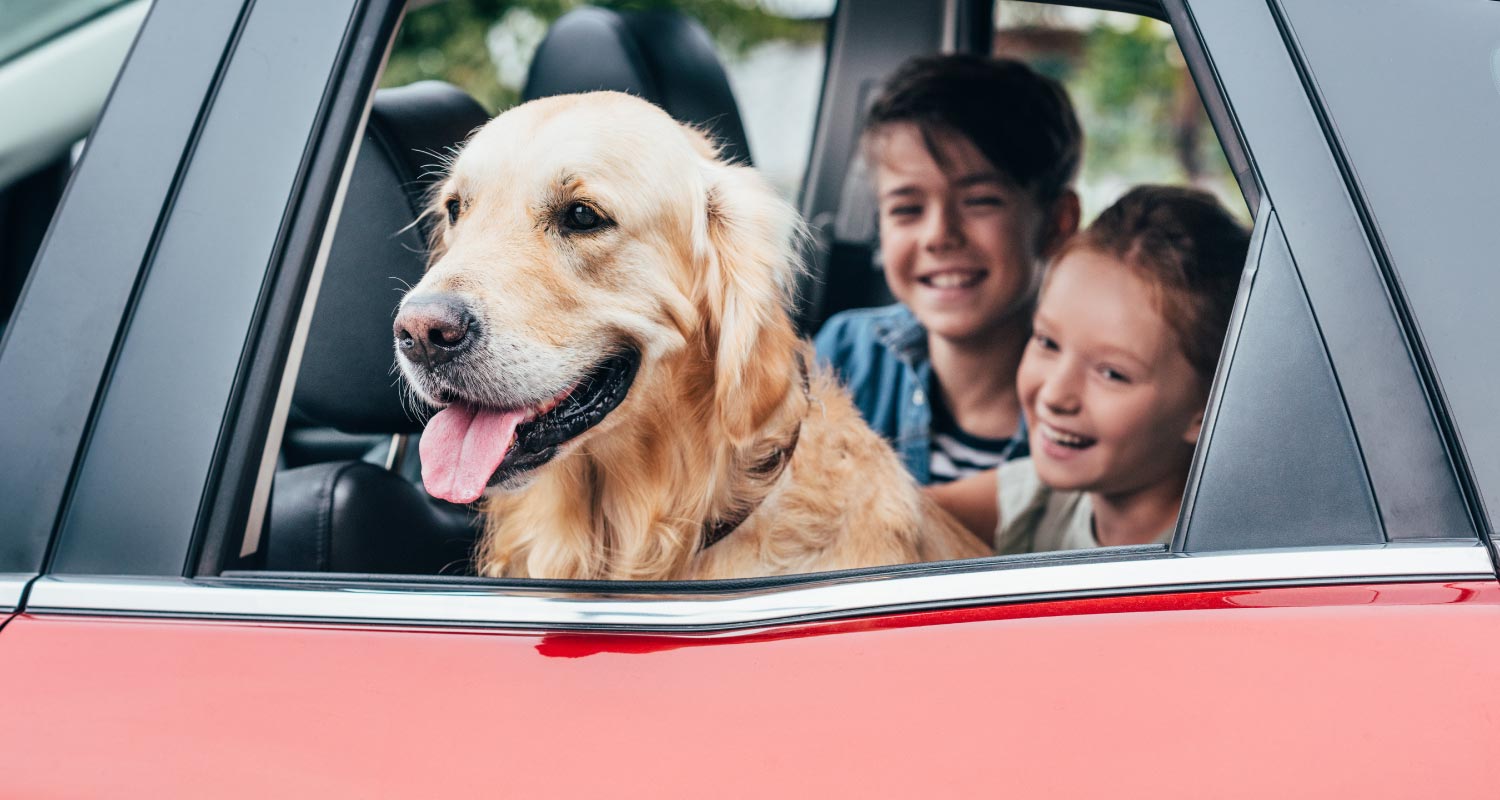
The holiday season in the U.S. is all about road trips, family gatherings, and unforgettable adventures. But if you’re a pet owner, there’s one big question: What do you do with your furry companion?
Whether you’re heading across state lines or flying cross-country, transporting pets during the holidays can be challenging. Between crowded airports, long drives, and unfamiliar environments, pets can easily become stressed or even unsafe if not properly prepared.
The good news? With the right planning, pet travel can be smooth, safe, and even enjoyable. This guide breaks down everything you need to know about tackling pet transport during the holidays—so both you and your pet arrive happy.
Why Holiday Pet Travel Requires Extra Planning
Holiday travel is different from regular travel. There are more people, more noise, and more unpredictability. For pets, this can be overwhelming.
According to experts, pets often experience stress, anxiety, and even health risks if transportation isn’t handled properly . Add in colder weather, busy roads, and packed schedules, and the stakes get even higher.
That’s why planning ahead isn’t optional—it’s essential.
Step 1: Decide the Best Travel Method for Your Pet
Before anything else, you need to figure out how your pet will travel.
Traveling by Car
For most pet owners, road trips are the easiest option.
- Ideal for short to medium distances
- Allows frequent breaks
- Less stressful than flying
However, pets must be secured properly. Experts recommend using carriers or harnesses attached to seat belts to prevent injury .
Traveling by Plane
Flying is often necessary for long-distance trips.
- Small pets may travel in-cabin
- Larger pets may travel in cargo
- Requires strict documentation and planning
Air travel comes with more rules, including temperature restrictions and health certificates .
Professional Pet Transport Services
If you can’t travel with your pet, specialized transport services are an option.
- Door-to-door convenience
- Experienced handlers
- Less stress for owners
But always research thoroughly before choosing a provider.
Step 2: Visit the Vet Before You Go
One of the most important (and often overlooked) steps is a pre-travel vet visit.
A veterinarian can:
- Ensure vaccinations are up to date
- Provide health certificates (especially for flights)
- Recommend medications for anxiety or motion sickness
Skipping this step is one of the most common mistakes pet owners make during holiday travel .
Step 3: Choose the Right Carrier or Crate
Your pet’s carrier isn’t just a travel accessory—it’s their safe space.
A proper carrier should:
- Be large enough for your pet to stand, turn, and lie down
- Have good ventilation
- Be secure and escape-proof
Adding familiar items like a blanket or toy can help reduce stress and make the journey more comfortable .
Pro tip: Don’t wait until travel day to introduce the carrier. Let your pet get used to it weeks in advance.

Step 4: Pack a Pet Travel Kit
Just like you pack a suitcase, your pet needs one too.
A good pet travel kit includes:
- Food and treats
- Water and portable bowl
- Leash and waste bags
- Medications and first aid supplies
- Favorite toys or bedding
Bringing familiar items helps pets feel more secure in unfamiliar environments .
Step 5: Keep Your Pet Safe During the Journey
Car Safety Tips
- Never let pets roam freely in the car
- Keep them in the back seat
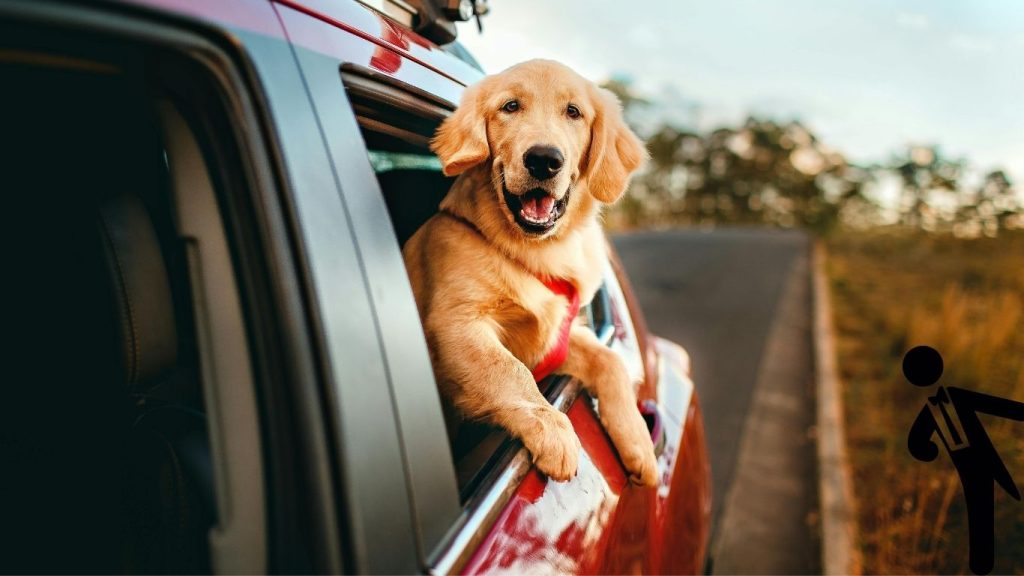
- Avoid letting them stick their head out the window
- Never leave them alone in a parked car
Extreme temperatures can quickly become dangerous—even deadly .
Take Frequent Breaks
Dogs need bathroom breaks every 2–3 hours, along with water and light exercise .
Manage Feeding
Avoid feeding your pet right before travel to prevent motion sickness. A light meal a few hours before departure works best .
Step 6: Reduce Stress and Anxiety
Holiday travel can be overwhelming for pets.
Signs of stress include:
- Panting
- Whining
- Trembling
- Excessive drooling
Creating a calm environment can make a huge difference.
Tips to reduce stress:
- Use familiar blankets or toys
- Keep noise levels low
- Speak calmly and reassuringly
- Maintain a consistent routine
A calm environment helps prevent stress-related health issues during travel .
Step 7: Don’t Forget Identification and Documents
This step is critical—especially during busy holiday travel.
Make sure your pet has:
- A collar with ID tags
- Updated contact information
- A microchip (if possible)
- Health and vaccination records
Proper identification greatly increases the chances of being reunited if your pet gets lost .
Step 8: Plan for Your Destination
Your preparation shouldn’t stop when you arrive.
Before your trip, research:
- Pet-friendly hotels or accommodations
- Local veterinary clinics
- Pet regulations at your destination
Also, create a safe space for your pet once you arrive—especially if there will be lots of guests or noise.
Common Holiday Pet Travel Mistakes to Avoid
Even experienced pet owners make mistakes during the holidays.
Here are a few to watch out for:
1. Not Using a Carrier or Harness
Unrestrained pets can be seriously injured during sudden stops.
2. Last-Minute Planning
Health checks, documents, and bookings take time.
3. Ignoring Stress Signals
A stressed pet may become aggressive or ill.
4. Leaving Pets Alone in Cars
This is one of the most dangerous mistakes, especially in extreme weather.
Real-Life Scenario: What Can Go Wrong
Imagine this:
You’re rushing to visit family for Christmas. Your dog isn’t secured, hasn’t eaten properly, and isn’t used to long car rides.
Halfway through the trip:
- Your dog becomes anxious
- Starts moving around the car
- Distracts the driver
This situation is not just stressful—it’s dangerous.
Now imagine instead:
- Your dog is in a secure carrier
- Has had exercise and a light meal
- Is calm with a familiar blanket
That’s the difference preparation makes.
Bonus Tips for Smooth Holiday Travel
- Practice short trips before long journeys
- Book flights and accommodations early
- Avoid peak travel times when possible
- Keep your pet’s routine consistent
Even small steps can make a big difference.
Conclusion: Travel Smart, Travel Safe
Traveling with your pet during the holidays doesn’t have to be stressful. With the right preparation, you can turn a potentially chaotic experience into a smooth and enjoyable journey.
From choosing the right transport method to packing essentials and managing stress, every step plays a role in your pet’s safety and comfort.
At the end of the day, your pet is part of the family—and they deserve a safe, happy holiday too.
Leave a Reply