
Introduction
If your dog seems shy, anxious, or unsure in new situations, you’re not alone. Many dogs struggle with confidence at some point in their lives—whether it’s due to genetics, lack of socialization, or past experiences. The good news? Confidence can be built over time with patience, consistency, and the right activities.
Confidence-building games are one of the most effective and enjoyable ways to help your dog feel more secure. These games not only improve your dog’s emotional well-being but also strengthen your bond and create positive learning experiences.
In this guide, we’ll explore vet-approved confidence-building games, explain why they work, and show you how to incorporate them into your daily routine.
Why Confidence Matters in Dogs
A confident dog is more than just outgoing—they’re emotionally balanced, less reactive, and better equipped to handle new environments. Dogs that lack confidence may display behaviors like:
- Hiding or avoiding interaction
- Excessive barking or fearfulness
- Clinginess or separation anxiety
- Aggression rooted in fear
According to experts, confidence-building involves creating positive experiences, using rewards, and gradually exposing dogs to new challenges in a safe way.
When dogs feel successful and supported, they’re more likely to try new things and adapt to unfamiliar situations.
What Does a Confident Dog Look Like?
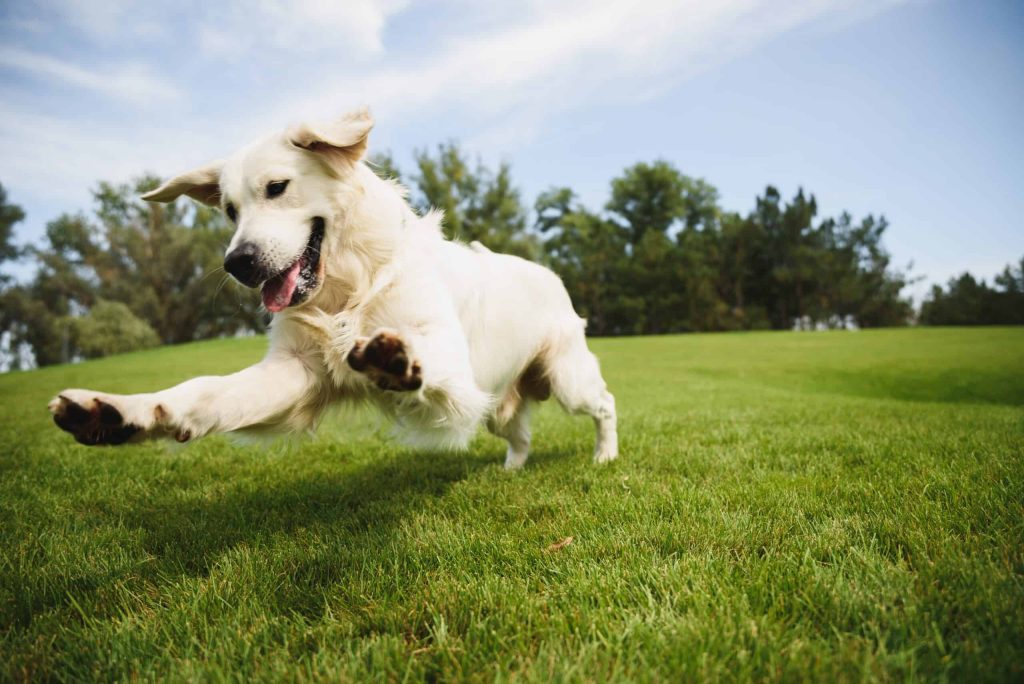
Before diving into the games, it helps to recognize the signs of confidence. A confident dog typically:
- Holds their tail high
- Maintains relaxed eye contact
- Shows a happy, loose body posture
- Approaches people or animals without fear
On the other hand, nervous dogs may tuck their tails, avoid eye contact, or stay close to their owners.
Understanding these signals allows you to track your dog’s progress as you introduce new activities.
Top 8 Confidence-Building Games for Dogs
1. Positive Reinforcement Training Games
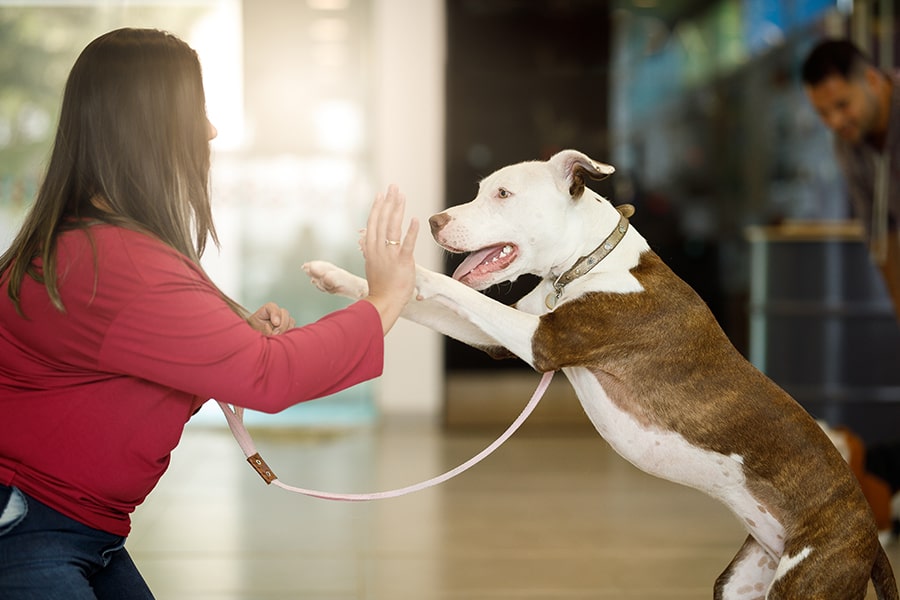
Training isn’t just about obedience—it’s one of the best ways to build confidence. Teaching your dog simple tricks like “sit,” “spin,” or “high-five” helps them succeed in small steps.
Each successful command rewarded with treats or praise reinforces positive behavior and boosts your dog’s self-esteem. Over time, your dog learns that trying new things leads to good outcomes.
Pro Tip: Keep sessions short and fun to avoid frustration.
2. Fetch: The Classic Confidence Booster
Fetch is more than just a game—it’s a confidence-building powerhouse. It taps into your dog’s natural instincts and gives them a sense of achievement when they retrieve the object.
Dogs feel rewarded not only by treats but also by your excitement and praise. This positive feedback loop encourages them to engage more confidently with their environment.
Bonus: It also provides great physical exercise.
3. Nose Work (Find the Treat)
Dogs rely heavily on their sense of smell, and nose work games allow them to use this natural ability.
Start by hiding treats in easy-to-find places, then gradually increase the difficulty. As your dog successfully finds hidden rewards, they gain confidence in their problem-solving skills.
This activity also provides mental stimulation, which helps reduce anxiety and boredom.
4. Touch Training Games
Touch training teaches your dog to gently tap their nose on your hand or an object. While simple, this game has powerful benefits.
It improves focus, builds trust, and helps dogs feel more comfortable approaching people—especially useful for shy or nervous pups.
How to Start:
- Hold a treat in your hand
- Let your dog sniff and touch
- Reward immediately
Repeat until the behavior becomes second nature.
5. Free-Shaping Games
Free shaping is a training method where dogs are encouraged to explore and figure things out on their own—without fear of being “wrong.”
For example, you might reward your dog for interacting with an object, like stepping near a box or going under a chair. Over time, they learn that experimenting leads to rewards.
This builds independence and confidence because your dog isn’t relying solely on commands—they’re learning to think for themselves.
6. Walkie-Talkie Connection Training
This game focuses on communication and connection. Using tools like training collars with voice features (or simply calling your dog frequently), you reinforce the habit of checking in with you.
Dogs that frequently reconnect with their owners feel more secure, especially in open or unfamiliar environments.
Result: A dog that feels safe even when exploring independently.
7. Exploration Games
Let your dog safely explore new objects and environments. You can set up simple challenges using:
- Cardboard boxes
- Paper bags
- Toys or tunnels
Encourage curiosity and reward brave behavior. Exploration helps dogs overcome fear and become more adaptable.
8. Engage/Disengage Game
This advanced game teaches your dog to shift focus away from triggers (like strangers or other dogs) and back to you.
When your dog notices a trigger, reward them for calmly disengaging and focusing on you instead. Over time, this reduces anxiety and builds confidence in handling stressful situations.
Extra Confidence-Boosting Activities
Beyond the main games, you can also try:
Hide and Seek
Hide treats or even yourself and let your dog find you. This strengthens both confidence and bonding.
Agility Courses
Set up small obstacle courses at home using everyday items. Completing challenges helps dogs feel accomplished.
Puzzle Toys
Interactive toys encourage problem-solving and independent thinking, both of which build confidence.
These activities add variety and keep your dog mentally engaged.
Tips for Success
To get the most out of these games, follow these key principles:
Start Small
Begin with easy tasks and gradually increase difficulty. Success builds confidence, while failure can discourage your dog.
Use Positive Reinforcement
Always reward effort, not just success. Encouragement matters.
Be Patient
Every dog learns at their own pace. Consistency is more important than speed.
Keep It Fun
If your dog loses interest or becomes stressed, take a break and try again later.
Common Mistakes to Avoid
Even well-meaning owners can accidentally hinder progress. Avoid these pitfalls:
- Forcing your dog into scary situations
- Skipping gradual progression
- Using punishment instead of rewards
- Training for too long without breaks
Confidence grows best in a supportive and stress-free environment.
How Long Does It Take to Build Confidence?
There’s no one-size-fits-all timeline. Some dogs show improvement within weeks, while others may take months.
Consistency is key. Even 5–10 minutes of daily training can make a noticeable difference over time.
Conclusion
Building your dog’s confidence doesn’t require expensive tools or professional training—it starts with simple, fun games and consistent positive reinforcement.
From fetch and nose work to exploration and engage/disengage exercises, these activities help your dog feel capable, secure, and ready to face the world.
The most important thing to remember? Confidence grows through trust. The more your dog trusts you, the more confident they’ll become.
So grab some treats, clear a little space, and start playing—your dog’s happier, braver future begins today.
FAQ
1. Can all dogs become confident?
Yes, most dogs can improve their confidence with proper training, patience, and positive experiences.
2. How often should I play these games?
Daily sessions of 5–15 minutes are ideal for consistent progress.
3. What if my dog is too scared to participate?
Start with very simple tasks and gradually build up. Never force participation.
4. Are these games suitable for puppies?
Absolutely! Early confidence-building helps puppies grow into well-adjusted adult dogs.
5. Do I need professional training?
Not necessarily. Many of these games can be done at home, though trainers can help with severe anxiety cases.
Leave a Reply