
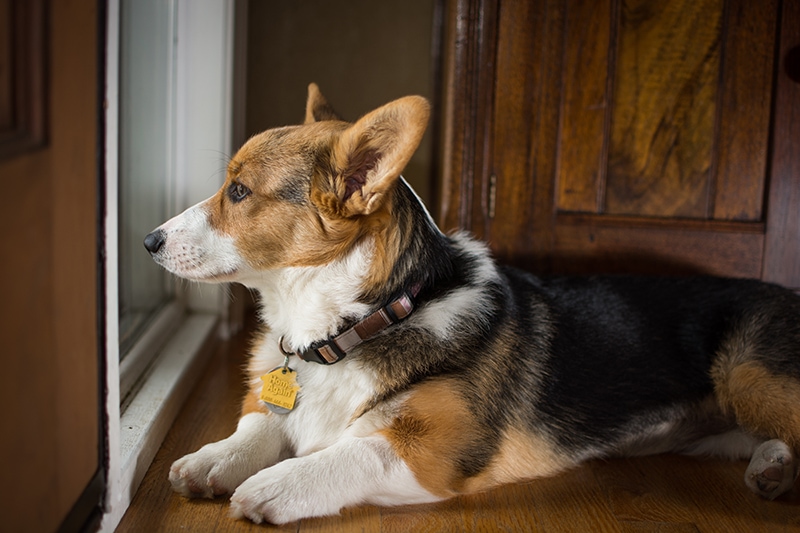
Imagine walking through a public park on one of the hottest days of the year. The pavement is burning under the sun, the air feels heavy, and there is barely any shade. Then you notice a stray dog searching around for something to drink.
The dog may have spent hours outside with no reliable source of clean water. Unlike pets living in homes, stray dogs cannot simply walk into a kitchen and find a fresh bowl waiting for them. They depend on whatever they can find in their surroundings, and during extreme heat, those options can become dangerously limited.
That raises an important question: Should every public park have free water stations for thirsty stray dogs during heat waves?
For many animal lovers, the answer seems obvious. A simple water station could provide immediate relief to an animal struggling through extreme temperatures. But creating these stations across public parks also raises questions about maintenance, hygiene, responsibility, and how communities should manage shared public spaces.
Why Water Becomes So Important During Heat Waves
Water is one of the most basic needs of every living creature. During periods of extreme heat, access to drinking water becomes even more important for dogs spending long periods outdoors.
Stray dogs often travel considerable distances while searching for food, shelter, or safer places to rest. When temperatures rise, the combination of physical activity and heat can make finding water especially urgent.
A dog that encounters a clean and accessible water station does not need to search through garbage, drainage areas, or potentially contaminated sources. Even a simple bowl filled with fresh water can become a valuable resource.
This is particularly meaningful in cities where concrete, asphalt, and limited greenery can make outdoor environments much hotter. Public parks often provide shade and open space, making them logical locations for community water stations.
What Could Free Water Stations for Stray Dogs Achieve?
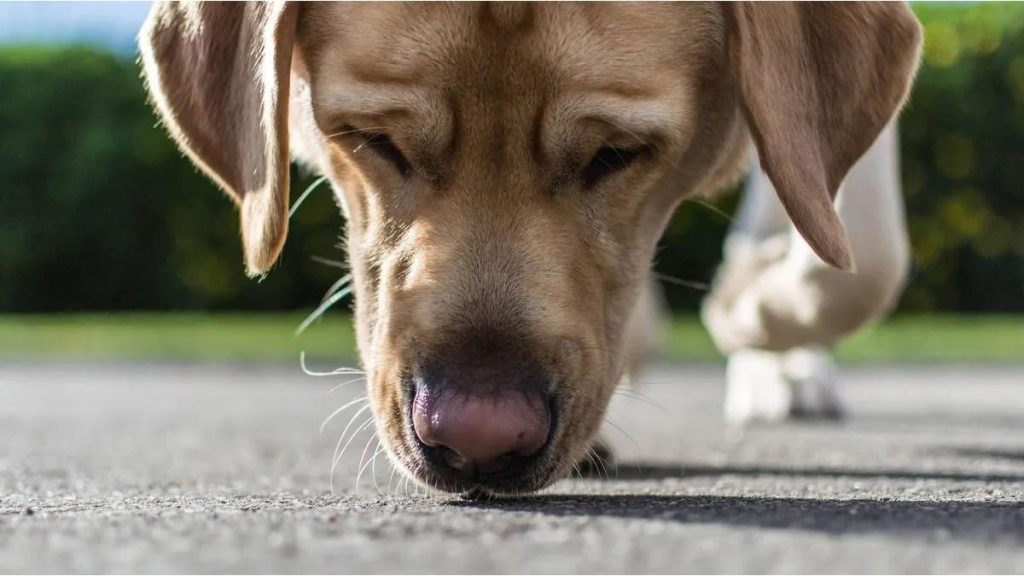
The biggest advantage is simple: they give animals access to water when they may have nowhere else to turn.
A well designed water station could serve both stray dogs and owned pets visiting the park. People walking their dogs could also benefit from having a reliable place to provide water during hot weather.
More importantly, these stations could encourage communities to think differently about animal welfare. Instead of waiting until an animal is already in distress, people could provide basic resources that help prevent suffering in the first place.
A water station can also become a visible reminder that stray animals are part of the community. Seeing people refill bowls, clean stations, and look after animals can encourage others to participate in responsible animal care.
Should Public Parks Be Responsible for Stray Animals?
This is where the debate becomes more complicated.
Public parks are designed for people, recreation, nature, and community activities. Some people may argue that caring for stray animals should be the responsibility of animal rescue organizations, shelters, or private individuals rather than public authorities.
Others believe that basic animal welfare should be a community responsibility, especially when a small intervention can prevent unnecessary suffering.
Providing drinking water does not necessarily mean that a city must take responsibility for every stray animal. A water station can simply be viewed as a basic welfare measure, similar to other community facilities that support safe and responsible use of public spaces.
The question is not only about who should pay for the water or install the station. It is also about whether communities are willing to recognize that animals living alongside people can sometimes need help surviving extreme environmental conditions.
Clean Water Matters More Than Just Having Water
One important issue is maintenance.
A water station that is rarely cleaned may become dirty, contaminated, or unpleasant for animals to use. Standing water can also become a problem when left unattended for long periods.
For this reason, simply placing bowls around a park is not enough. A successful free water station for stray dogs would need a basic system for regular cleaning, refilling, and monitoring.
Public authorities, animal welfare groups, park staff, volunteers, and local residents could potentially work together. One group might provide the equipment, another could help monitor the station, while volunteers could refill and clean it when necessary.
The goal should always be fresh, accessible, and safe drinking water.
Could Water Stations Encourage More Compassion?
There is another benefit that is harder to measure but potentially just as important.
Public water stations could change how people interact with stray animals.
Someone who sees a thirsty dog drinking from a community water station may stop and think about the animal’s situation. That moment of awareness can sometimes lead to something bigger, such as donating to a rescue group, adopting an animal, helping with sterilization programs, or simply becoming more attentive to animals in need.
Small acts of kindness can influence a community’s attitude toward vulnerable animals.
A water bowl may seem insignificant, but for an animal walking under a scorching sun, it can mean everything at that moment.
What Could Go Wrong?
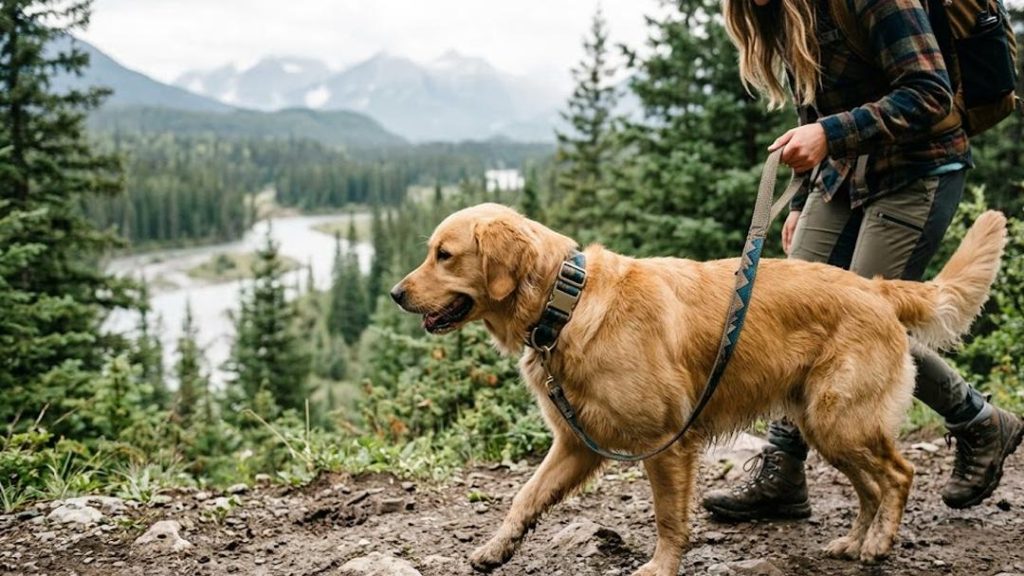
Not everyone supports the idea of putting animal water stations in every public park.
Some may worry about cleanliness, vandalism, misuse, or the cost of regular maintenance. Others may be concerned that unmanaged feeding and watering areas could attract large numbers of animals or create conflicts between animals and park visitors.
These concerns should not simply be ignored.
Instead, they suggest that water stations need thoughtful planning. Parks could establish designated locations away from busy walking paths, use easy to clean materials, provide clear instructions, and create a schedule for regular maintenance.
The idea does not have to be complicated. It simply needs to be responsible.
A Small Cost Could Make a Big Difference
Compared with many large public infrastructure projects, providing drinking water is a relatively simple concept.
A community does not necessarily need elaborate technology or expensive facilities. A properly designed station, reliable water supply, regular cleaning, and community participation could create a practical solution.
The real challenge may not be whether a water station can be created. The bigger question is whether people are willing to take responsibility for maintaining it.
A neglected water station quickly loses its purpose. A clean and consistently maintained station, however, could become an important part of a park’s animal welfare efforts.
Should Every Public Park Have One?
The word “every” makes this question particularly interesting.
Not every park has the same climate, stray animal population, infrastructure, or community needs. A park in an area with frequent extreme heat and many stray dogs may have a much greater need for water stations than a park where temperatures are mild and stray animals are rarely seen.
Instead of automatically requiring every public park to install one, communities could identify locations where the need is greatest.
Parks with large numbers of stray animals, limited natural water sources, and frequent heat waves could be prioritized. Local animal welfare organizations could also help determine where stations would have the greatest impact.
What Can Individuals Do During a Heat Wave?
People do not have to wait for governments or organizations to create official water stations.
If it is safe and permitted in the local area, residents can help by placing clean drinking water where stray dogs regularly pass, especially in shaded areas. Fresh water should be replaced regularly, and containers should be kept clean.
People should also remember that helping an animal does not mean putting themselves in danger. If a stray dog appears seriously ill, collapsed, confused, or unable to stand, contacting an appropriate animal rescue organization or veterinary professional may be more appropriate than attempting to handle the animal directly.
Sometimes, helping begins with simply noticing.
The Bigger Question Behind the Debate
The debate over free water stations for stray dogs is ultimately about more than water.
It asks what kind of communities we want to build.
When extreme heat affects vulnerable animals, should public spaces provide basic resources that may help them survive? Should communities share responsibility for animals that have no home? Or should animal welfare remain primarily the responsibility of private citizens and rescue organizations?
There is no single answer that will satisfy everyone.
But there is something powerful about the simplicity of the idea. A thirsty dog does not understand public policy, budgets, or debates about responsibility. It only knows that it needs water.
And sometimes, compassion can begin with something as simple as putting out a clean bowl.
Final Thoughts
Should every public park have free water stations for thirsty stray dogs during heat waves?
There are legitimate concerns about maintenance, cost, hygiene, and responsibility. But the potential benefit is difficult to ignore. During extreme heat, access to clean drinking water can provide immediate relief to animals that have no home and no one responsible for their daily care.
Perhaps the answer does not have to be an expensive program in every park. It could begin with identifying the places where stray animals need help most and creating simple, clean, well maintained water stations there.
Because sometimes the smallest act can make the biggest difference.
For a person, a bowl of water may be something ordinary.
For a thirsty stray dog walking through a dangerous heat wave, it could be the kindness that gets them through another day.
Leave a Reply