
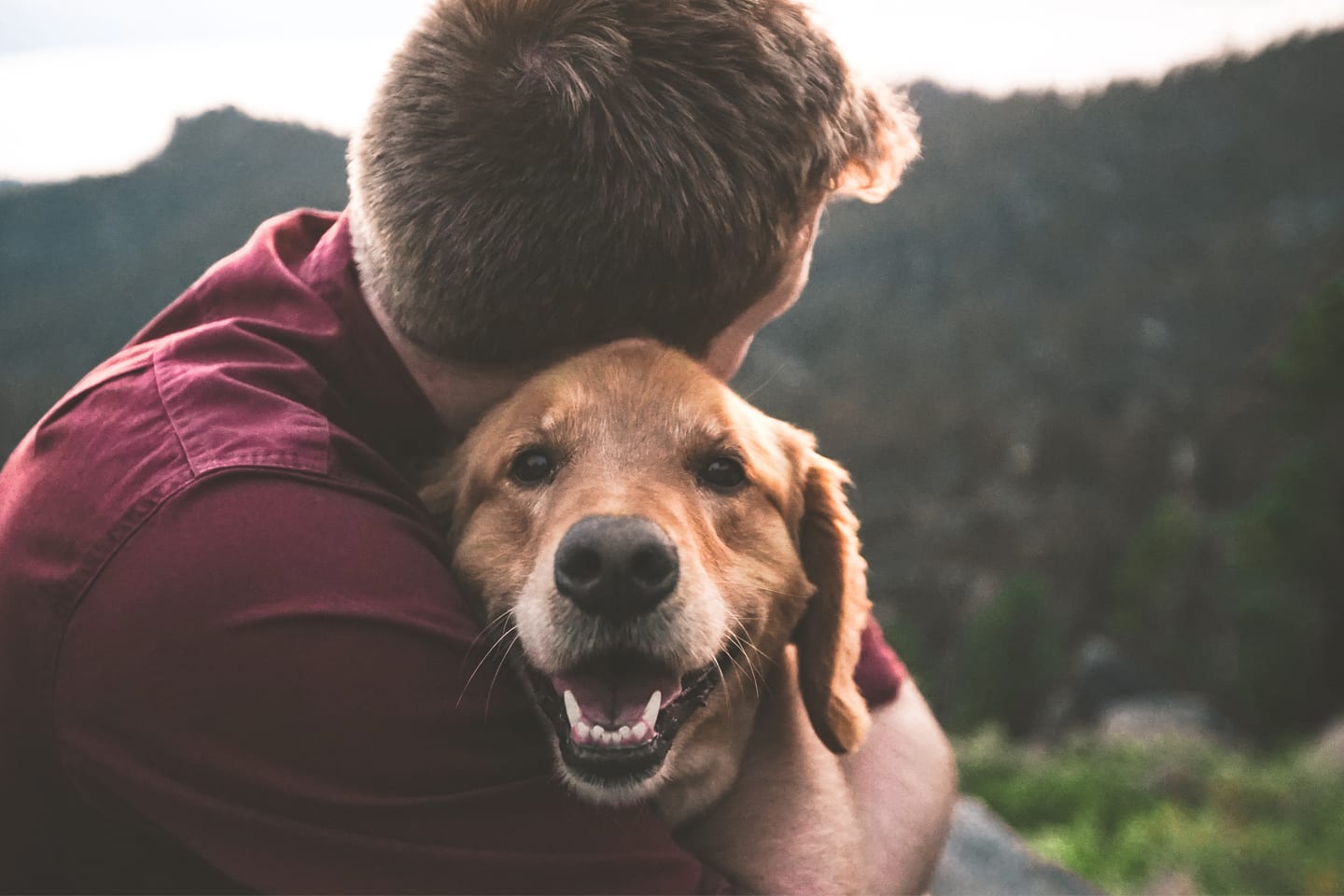
Why do dogs stay loyal even when their owners leave them behind? The answer reveals something beautiful about the bond between dogs and humans.
Imagine a dog sitting beside the front door. Every passing car makes its ears rise. Every footstep brings a moment of hope.
Yet the person it knows never appears.
For some dogs, this is more than a change in routine. It is the loss of someone who once made them feel safe.
Dogs form strong emotional bonds with people. They remember familiar scents, voices, and daily habits. As a result, losing an owner can cause stress and confusion.
But why do some dogs keep waiting? And what makes their loyalty so powerful?
The answers may change how you see your four-legged friend.
Why Do Dogs Stay Loyal to Their Owners?
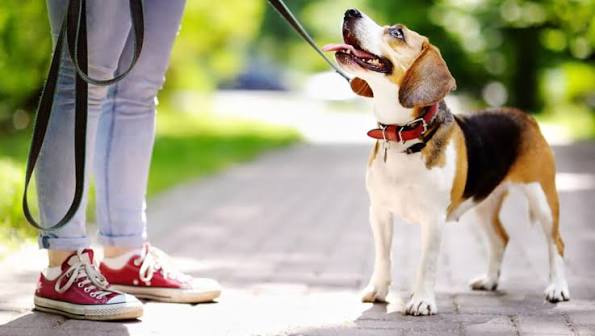
Dogs have lived alongside humans for thousands of years. During that time, they developed remarkable social skills.
Today, many dogs see their owners as trusted companions. They depend on them for food, safety, and affection.
However, loyalty goes beyond these basic needs.
Dogs also build emotional connections through everyday experiences.
For example, a dog may associate its owner with:
- A warm and comfortable home.
- Regular meals and daily walks.
- Gentle touches and familiar voices.
- Playtime and happy memories.
- Protection during frightening moments.
Over time, these experiences create trust.
Therefore, when an owner disappears, the dog may continue searching for that familiar connection.
Loyalty Begins With Trust
Trust grows through repeated positive experiences.
A dog learns who provides comfort. It recognizes the people who make its world feel safe.
Consequently, losing that person can affect its behavior.
Some dogs become quiet. Others search familiar places or wait near doors.
These actions may reflect attachment, learned routines, or separation-related distress.
A dog’s loyalty often begins with one simple feeling: safety.
1. Dogs Form Strong Emotional Bonds With Humans
Dogs are social animals. They enjoy companionship and often develop close relationships with their caregivers.
Research suggests that dogs can form attachment bonds with humans.
For instance, some dogs explore unfamiliar places more confidently when their owners are nearby.
Others seek comfort from familiar people during stressful situations.
These behaviors show how important human relationships can become.
Why Owners Become So Important
Think about a dog’s ordinary day.
Its owner prepares breakfast. They go for a walk together. Later, they play or relax at home.
These small moments build familiarity.
Eventually, the dog learns to expect comfort from that person.
However, sudden separation can disrupt this sense of security.
The dog may not understand why its routine has changed.
As a result, it may search for the missing person or show signs of stress.
2. Dogs Remember Familiar People
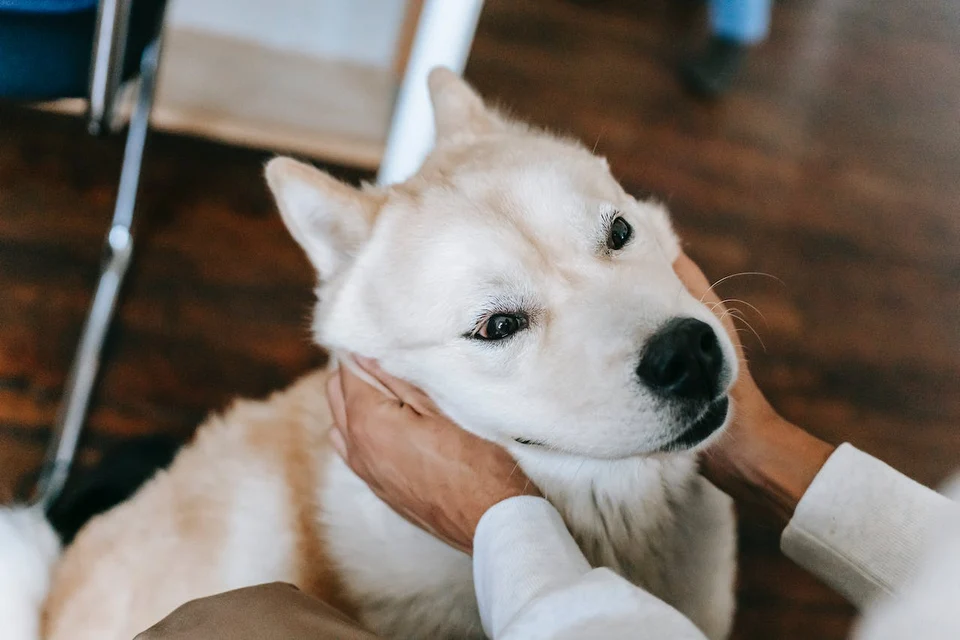
Dogs have an impressive sense of smell.
They also recognize familiar voices and learn patterns from daily life.
Therefore, a dog may respond to objects or sounds connected to its owner.
For example, it might recognize:
- A familiar jacket or blanket.
- The sound of a particular car.
- Footsteps near the front door.
- A person’s voice.
- The usual time for a walk.
These signals can trigger expectations.
Why Familiar Scents Matter
Imagine a dog sleeping beside its owner’s old sweater.
The sweater carries a familiar scent.
That smell may remind the dog of previous experiences with its caregiver.
Of course, scientists cannot tell us exactly what the dog is thinking.
Still, scent recognition helps explain why familiar belongings attract a dog’s attention.
Even when a person is absent, familiar signals can remain meaningful to a dog.
3. Why Do Dogs Wait for Owners Who Never Return?
Few stories are more heartbreaking than a dog waiting for someone who never comes home.
Perhaps it sits beside a gate.
Maybe it watches the road every afternoon.
Or it returns to a place where its owner once appeared.
These moments often look like extraordinary devotion.
However, learned routines also play an important role.
Dogs Learn Daily Patterns
Dogs quickly recognize repeated events.
For example, a dog may learn that its owner returns home around the same time each evening.
Soon, it begins waiting near the door.
But what happens when the owner stops returning?
The dog may continue following its familiar routine.
It might check the same location repeatedly.
This behavior does not prove that dogs understand loss as humans do.
Instead, it shows how strongly experience shapes their expectations.
Waiting Can Also Be a Sign of Distress
Although waiting can appear touching, it may also indicate anxiety.
Some dogs become restless after losing a caregiver.
Others stop eating normally or struggle to settle.
Therefore, we should not romanticize every story about a waiting dog.
A dog that keeps searching for its owner may need comfort, stability, and care.
4. Hachikō: The Dog Who Waited for Years
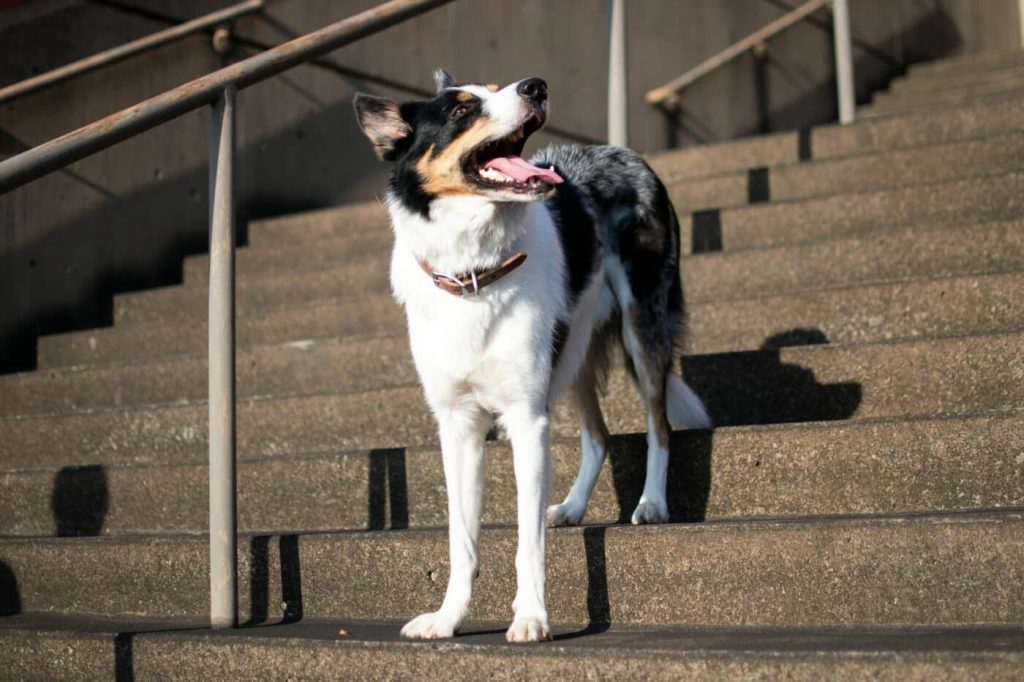
One of the most famous stories of dog loyalty comes from Japan.
His name was Hachikō.
Hachikō was an Akita born in 1923. He belonged to Hidesaburō Ueno, a university professor in Tokyo.
The dog became known for accompanying his owner to Shibuya Station.
Later, he would return to greet him.
However, tragedy struck in May 1925.
Ueno died unexpectedly while at work.
He never returned to the station.
A Loyalty the World Never Forgot
Despite his owner’s absence, Hachikō continued appearing near Shibuya Station.
He returned to the area for years.
Eventually, his story spread across Japan.
People admired his devotion and began caring for him.
Hachikō died in 1935.
Today, a statue near Shibuya Station honors his memory.
His story remains one of the world’s most recognized examples of canine loyalty.
Yet it also reminds us of something important.
Dogs form powerful associations with people and places.
And sometimes, those connections last far longer than anyone expects.
5. Do Dogs Understand Abandonment?
This question has a complicated answer.
Humans understand abandonment through language and personal experience.
Dogs experience relationships differently.
Therefore, we cannot assume they understand abandonment exactly as people do.
However, they can feel the effects of sudden separation.
How Abandonment Can Affect Dogs
When a dog loses its caregiver, its entire environment may change.
It might lose familiar routines, places, and social contact.
Consequently, some dogs experience stress.
Common signs include:
- Excessive barking or howling.
- Restlessness and pacing.
- Changes in appetite.
- Destructive behavior.
- Difficulty settling alone.
- Attempts to escape.
However, these behaviors can have several causes.
Not every abandoned dog develops separation anxiety.
If symptoms continue, a veterinarian or qualified behavior professional can help.
6. Can Dogs Still Trust People After Abandonment?

Yes, many dogs can build new relationships.
Although past experiences may affect their behavior, they can learn to trust again.
For example, a rescued dog may initially avoid unfamiliar people.
It might hide, hesitate during walks, or become nervous around sudden movements.
However, a calm environment can help.
Trust Takes Time
A new owner can build trust through simple actions.
First, provide regular meals.
Next, create a predictable routine.
Then, offer gentle interactions and reward positive behavior.
Most importantly, respect the dog’s boundaries.
Some dogs adjust within days. Others need much longer.
There is no fixed timetable.
Nevertheless, patience and consistent care can make a meaningful difference.
A difficult past does not mean a dog cannot experience happiness again.
7. Do Dogs Feel Sad When Their Owners Leave?
Dogs can experience distress when separated from important people.
However, each dog responds differently.
Some remain calm when alone.
Others become anxious or restless.
Several factors influence their reactions.
What Affects a Dog’s Response?
Attachment: Strong relationships can influence how dogs react to separation.
Past experiences: Previous stressful events may affect behavior.
Personality: Some dogs are more independent than others.
Environment: Familiar surroundings can provide comfort.
Health: Illness or pain may increase distress.
Therefore, owners should observe their dog’s behavior rather than assume every dog feels the same way.
If a dog regularly panics when left alone, professional guidance can help.
8. Why Do Some Dogs Stay Attached to Unkind Owners?
This is one of the saddest questions about dog loyalty.
A dog may continue approaching someone who has treated it poorly.
However, that does not mean the animal has forgotten the experience.
Dogs learn through familiarity, dependence, and repeated interactions.
They may also seek food, attention, or reassurance from familiar people.
Therefore, attachment can exist even in an unhealthy relationship.
Loyalty Is Not Permission to Mistreat Dogs
A dog’s attachment should never justify neglect or cruelty.
Every dog deserves:
- A safe place to live.
- Nutritious food and clean water.
- Veterinary care.
- Exercise and social interaction.
- Gentle, respectful treatment.
Above all, dogs need people who take their well-being seriously.
Their trust is something we should protect, not exploit.
9. How to Help an Abandoned Dog Feel Safe Again
Helping an abandoned dog requires patience.
Fortunately, small changes can create a more comfortable environment.
Create a Consistent Routine
Feed and walk your dog at regular times.
Predictability can reduce uncertainty.
Provide a Quiet Space
Choose a comfortable area where your dog can rest.
Avoid forcing interactions when it appears frightened.
Use Positive Reinforcement
Reward calm behavior and encourage confidence.
Avoid punishment, especially when the dog shows fear.
Practice Gentle Separation
If your dog struggles when alone, begin with short, manageable separations.
Increase the duration gradually.
However, seek professional support if your dog shows severe distress.
Celebrate Small Progress
Perhaps your dog finally approaches you.
Maybe it sleeps peacefully through the night.
Or it begins playing with a favorite toy.
These moments may seem small.
Yet they can represent meaningful progress.
10. What Dogs Teach Us About Loyalty and Love

Dogs often show affection through simple actions.
They greet us at the door.
They follow us from room to room.
They rest beside us after a long day.
Sometimes, they seek comfort when they feel afraid.
These everyday moments create powerful bonds.
However, the greatest lesson is not that dogs will love us regardless of what happens.
It is that their trust deserves responsible care.
When we welcome a dog into our home, we accept responsibility for another living creature.
That responsibility continues through difficult times.
After all, a dog cannot explain its needs with words.
It depends on our actions.
Love Should Always Go Both Ways
Loyalty is beautiful.
However, a healthy relationship requires more than devotion from one side.
Dogs need kindness, patience, and stability.
In return, they often offer companionship that enriches our lives.
The best way to honor a dog’s loyalty is to give it a life where it feels safe and loved.
11. A Second Chance Can Change Everything
Imagine a dog entering a new home after being abandoned.
At first, everything feels unfamiliar.
The rooms smell different.
The people are strangers.
Even ordinary sounds may seem frightening.
Then, slowly, things begin to change.
The dog learns where its bed is.
It recognizes the sound of its new owner’s voice.
It discovers that meals arrive every day.
Eventually, it begins to relax.
One afternoon, it falls asleep beside the person who now cares for it.
There is no dramatic reunion.
No crowd watching.
No extraordinary event.
Just a dog beginning to trust again.
And sometimes, that quiet moment is the most beautiful part of the story.
Final Thoughts: Why Do Dogs Stay Loyal?
Why do dogs stay loyal even when their owners leave them behind?
Because dogs build relationships through trust, attachment, memory, and everyday experiences.
They recognize familiar people.
They learn routines.
And they often depend on their caregivers for comfort and security.
Therefore, losing an owner can deeply affect their behavior.
However, loyalty should never mean a dog must spend its life waiting in distress.
With patience and compassionate care, many dogs can form new bonds.
They can find comfort.
They can learn to trust again.
And they can enjoy a happy life.
Perhaps the most important lesson is simple.
A dog’s loyalty may touch our hearts. But the love and care we give in return are what truly matter.
Leave a Reply